Smoothies: How To Make?


It’s exciting to think of a downside to smoothies. However, these mixed drinks are not only fast and simple to make, but they’re also compact for handy, on-the-go eats and meals. Also, all make a delicious way to give your daily point of fruits and herbs. On the amount, they’re a beautiful all-purpose blended snack.
Though you might think preparing a smoothie is as easy as tapping a button on your Nutribullet or vitamins—and, often, it is—casually casting ingredients into the blender isn’t a guarantee of an utterly appealing product. But, think it or not, there’s a part of an art and ability to making a large smoothie.
Want to manage your way to the title of smoothie artist? View these basics of smoothie-making.
Smoothie Basics
The Smoothies are a catch-all for a broad class of components and qualities. But anyone who’s closed up with a fruit and spinach smoothie that used an unappetizing tone of brown can attest that some unions don’t work.
To secure you make a smoothie that’s good, healthy, and beautiful to look at, you’ll need to start with a few essential factors: a liquid, a cause of protein, fruits and veggies, healthy fats, and free taste enhancers. Then, layer these elements in the blender pitcher, cover, and mix at medium-to-high speed. Depending on your blender and the texture of your parts, the mixture may take several minutes to get genuinely smooth.
As you craft your ideal smoothie, keep your health purposes in mind, too. For example, if you’re looking to lower carbs, you may need to point clear of high-carbohydrate fruits like mangoes. If weight control is of concern, be careful of portions of high-calorie elements like nut butter and full-fat dairy. Thus, it’s best to keep high-sugar items to a minimum for general health—so save choices like chocolate pieces or caramel food for a particular, not regular, room.
Then there’s the topic of to ice or not on the ice. The standard rule of finger for a charmingly cool smoothie is a ratio of about two cold or frozen elements to half non-frozen. So when you don’t have frozen fruit on hand, go forward and complete with some ice cubes. Just identify that you’ll want to make a smoothie with ice directly to stop it from growing too watery.

Liquid
The flow is the essential structure block of an excellent smoothie density. Too many, and you’ll see a runny mess; too small, and you won’t be ready to sip it into a straw. For smooth drinking a single-serving smoothie, you apparently won’t want to beat 1 cup of liquid. If you’re uncertain how a fluid will thin out your unique mix of parts, pour it in the blender incrementally, getting you can continually add more.
A different factor in the best liquid balance is the water content of the fruits and herbs. For smoothies, high-water fruits like watermelon, strawberries, pineapple, or cucumber, you may need only a tiny number of liquid—or none at all.
Protein Source
A smoothie can instantly get stuffed with protein. While some proteins don’t make apple smoothie food—we’re staring at you, broiler—lots of options have the right balance for mixing.
Whether you’re viewing to refuel after work or want to increase your daily protein eating, try these blend-able options in your smoothies:
- Tofu (silken works exceptionally well)
- More flexible nuts like broken or water-soaked almonds or macadamia nuts
- Yogurt: Greek, full-fat, or low-fat
- Protein powder
- Seed butter
The quantity of protein to jump in your smoothie is, of the route, up to you, but think portion sizes as you continue. For example, a portion of yogurt may be up to 1 cup, but a serving of protein particles is usually just one tablespoon-sized scoop. Check food labels to learn appropriate servings, and consider how your protein will interact with liquid in your smoothie. (Nuts, for example, may soak up liquid, while yogurt may make your smoothie thinner.)

Making Your Own Smoothie Packs
Smoothies are free to begin with, but pre-made smoothie dressings can streamline working mornings or evenings even further. So why not collect your own? Put your craved amount of iced fruits, protein source, and healthy fat in zip-top substitute or silicone bags. Stash the packs flat in the freezer for a simple room. Please don’t neglect to mark them with a date!
When you can join, empty your smoothie pack into the blender, attach a free base, then mix.
Smoothie Pack Ideas
- Berry Banana: Freeze ½ banana (skinned and sliced), one tablespoon flax roots, ½ cup blueberries, and one tablespoon groundnut butter. To make, mix with ½ cup almond liquid to make.
- Strawberry Almond: Freeze ½ cup berries, one tablespoon almond butter, 1/2 cup silken tofu, and ½ banana (skinned and sliced). To make, add a few raw spinach and ½ cup milk and mixture.
- Tropical: Freeze ½ cup blended tropic fruit, ½ banana (skinned and sliced), and one tablespoon tore coconut. To make, add ½ cup coconut h2O and ½ cup yogurt and mix it.
You may be interested
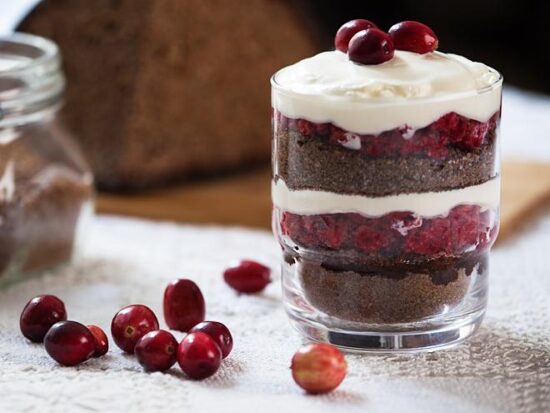
Rupjmaizes Kartojums: Latvia’s Layered Rye Bread Dessert
Anshika Jain - October 23, 2026Rupjmaizes kārtojums is a traditional Latvian dessert that transforms dark rye bread into a layered combination of toasted crumbs, whipped cream, and fruit preserves. Often compared with…
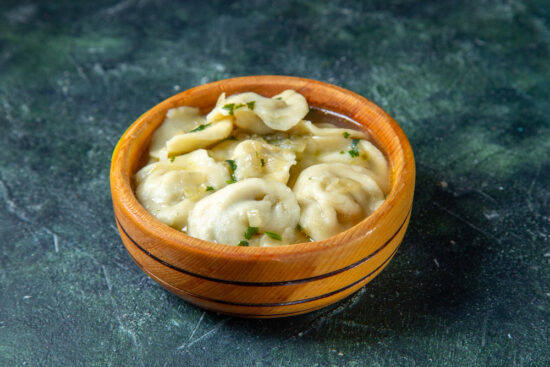
Gamja Ongsimi Small dumplings made primarily from potato
Anshika Jain - October 23, 2026Gamja Ongsimi is particularly associated with Gangwon Province in northeastern South Korea, a region known for its mountainous landscapes and long-standing potato-growing traditions. Potatoes became an important…
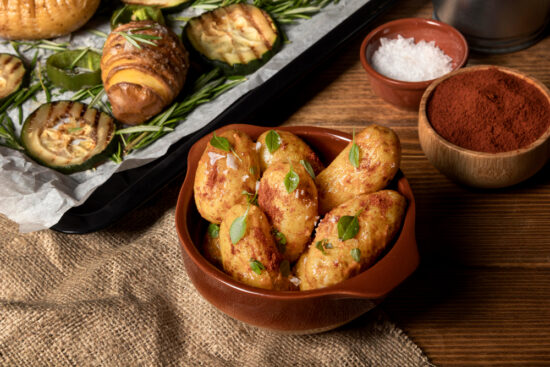
Bharli Karli Bitter gourds stuffed with a spiced mixture
Anshika Jain - October 23, 2026Maharashtrian cuisine is known for its thoughtful use of spices, roasted ingredients, pulses, coconut, and seasonal vegetables. Bharli Karli fits naturally into this culinary tradition, particularly because…
Most from this category
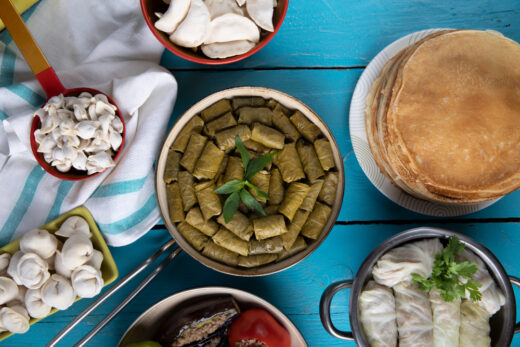
Pathrode: Layered Colocasia Leaves Become a Traditional Steamed Delicacy
Anshika Jain - October 23, 2026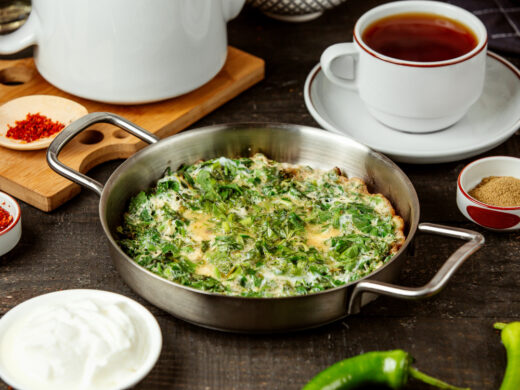
Taikilo Bhaji: Exploring Goa’s Seasonal Wild Greens and Konkani Food Traditions
Anshika Jain - October 23, 2026
Pathrode: Layered Colocasia Leaves Become a Traditional Steamed Delicacy
Anshika Jain - October 23, 2026Taikilo Bhaji: Exploring Goa’s Seasonal Wild Greens and Konkani Food Traditions
Anshika Jain - October 23, 2026Kachnar Kali Curry: Unopened Flower Buds into a Savoury Delicacy
Anshika Jain - October 23, 2026
Rupjmaizes Kartojums: Latvia’s Layered Rye Bread Dessert
October 23, 2026
Gamja Ongsimi Small dumplings made primarily from potato
October 23, 2026