Yours Chaifully


Tea is the second beverage that, the most widely prefer after water. It’s also one of the oldest. People were using ceramic teapots 11,000 years ago in Asia and the Middle East, although some legend discovers tea in 2732 BC. Either way, tea has a long, interesting history, and its popularity continues to grow. This article discusses tea, Yours Chaifully
- According to legend, Emperor Shen Nung discovers tea in 2732 BC. One day, the wind blew leaves from a wild tree into his pot of boiling water. He was sipping the intriguing brew and its delicate flavor flew and that was having a refreshing effect. Shen Nung describes a warm feeling as he drinks the intriguing brew as if the liquid was investigating every part of his body.
- The Portuguese and Dutch first imported tea into Europe in 1610. Tea’s rise in England started when King Charles II married the Portuguese princess Catherine of Braganza. Britain’s new queen loved tea and began serving tea to her aristocratic friends. Word of the exotic royal beverage spread quickly. The ability to serve and drink tea with elegance and skill marked social status and indicated good breeding and intellect.
- The Buddhist monk Dengyo Daishi is credited for bringing Chinese tea seeds to Japan. Tea became an integral part of Japanese monastery life and the monks used tea to help stay alert during meditation sessions. By the early 1300s, tea was popular throughout Japanese society, but its early religious importance permanently colored the meaning and value the Japanese associate with tea and directly influenced the Japanese Tea Ceremony.
- Americans tasted their first iced tea at the 1904 World’s Fair in St. Louis, Missouri. An exhibiting tea merchant had planned to give away free samples of hot tea to attendees. When a heat wave hit, no one was interested in the hot beverage. To save his investment, he dumped a load of ice into the brewed tea and served the first iced tea. Customers lined up to try the invention. Today, Americans drink almost 50 billion glasses of iced tea each year, accounting for more than 80% of all tea consumed in the US.
- Drinking tea is less likely to produce a ‘caffeine crash’ than drinking coffee. The high levels of antioxidants in tea slow the absorption of caffeine, which results in an increase in the caffeine n your system and a longer period of alertness with no crash at the end. A cup of tea also has less caffeine than a cup of coffee. According to a study in 2004 comparing 200 cups of coffee and tea prepared by consumers using their usual brewing habits, the average caffeine level in the cups of tea (black English style teas) was 40 mg compared to 105 mg in the cups of drip coffee.
- Tea is good for you. Tea contains polyphenols — antioxidants that repair cells and may help our bodies fend off cardiovascular diseases, cancers, osteoporosis, diabetes mellitus, and other maladies. Contrary to popular belief, it’s not just green tea that’s good for you. Black, white, and red tea also have health-giving flavonoids and polyphenols.
- It takes around 2,000 tiny leaves to make just one pound of finished tea. There are more than 1,500 types of teas in the world. Tea plants grow wild in parts of Asia, but over 25 countries cultivate tea as a plantation crop. The very best tea comes from high elevations and is hand-picked.
- Timing is crucial to steeping the perfect cup of tea. Ideal steeping times and temperatures vary depending on what variety of tea you’re making. For black tea, the steeping time is 3-5 minutes at 200°F. For white tea, the steeping time is 1-2 minutes at 170°F. Green tea steeping temperatures depend on where the tea comes from.
- Until the middle of the 17th century, all Chinese tea was green tea. As foreign trade increased, Chinese growers discovered that they could preserve tea leaves with a special fermentation process. The resulting black tea kept its flavor and aroma longer than the more delicate green teas and it equips for export journeys to other countries.
- Tea bags were developed in the United States by accident. In 1908, a New York tea merchant sent samples of his product sealed in silk bags to restaurants and cafes throughout the city. After some time, he discovered that the restaurants were brewing his tea directly in the silk bags to save time. This method of brewing immediately caught on.
The next time you are drinking one of the 3.7 billion cups of tea consumed every day, take a moment to reflect on tea’s long and interesting history. Tea is available wherever you travel, you consume it hot or cold, and has a variety of flavors and health benefits.
ALSO READ: Fafda Jalebi
World-class learning for you
– Start learning with Easy Shiksha today and get certified
– Also, Authorized certificates recognized everywhere.
You may be interested

Rupjmaizes Kartojums: Latvia’s Layered Rye Bread Dessert
Anshika Jain - October 23, 2026Rupjmaizes kārtojums is a traditional Latvian dessert that transforms dark rye bread into a layered combination of toasted crumbs, whipped cream, and fruit preserves. Often compared with…
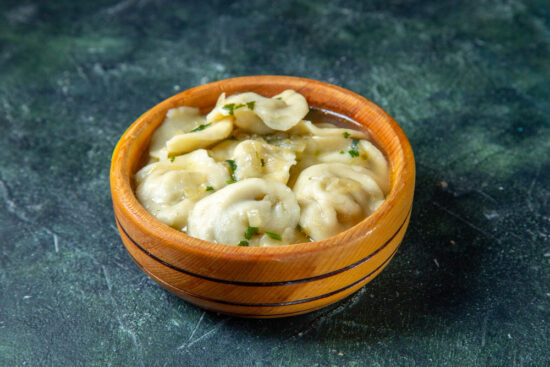
Gamja Ongsimi Small dumplings made primarily from potato
Anshika Jain - October 23, 2026Gamja Ongsimi is particularly associated with Gangwon Province in northeastern South Korea, a region known for its mountainous landscapes and long-standing potato-growing traditions. Potatoes became an important…

Bharli Karli Bitter gourds stuffed with a spiced mixture
Anshika Jain - October 23, 2026Maharashtrian cuisine is known for its thoughtful use of spices, roasted ingredients, pulses, coconut, and seasonal vegetables. Bharli Karli fits naturally into this culinary tradition, particularly because…
Most from this category
Pathrode: Layered Colocasia Leaves Become a Traditional Steamed Delicacy
Anshika Jain - October 23, 2026
Taikilo Bhaji: Exploring Goa’s Seasonal Wild Greens and Konkani Food Traditions
Anshika Jain - October 23, 2026

Pathrode: Layered Colocasia Leaves Become a Traditional Steamed Delicacy
Anshika Jain - October 23, 2026Taikilo Bhaji: Exploring Goa’s Seasonal Wild Greens and Konkani Food Traditions
Anshika Jain - October 23, 2026Kachnar Kali Curry: Unopened Flower Buds into a Savoury Delicacy
Anshika Jain - October 23, 2026
Rupjmaizes Kartojums: Latvia’s Layered Rye Bread Dessert
October 23, 2026
Gamja Ongsimi Small dumplings made primarily from potato
October 23, 2026