

Gudok: Tripura’s Fermented Vegetable Dish That Deserves a Global Food Revival

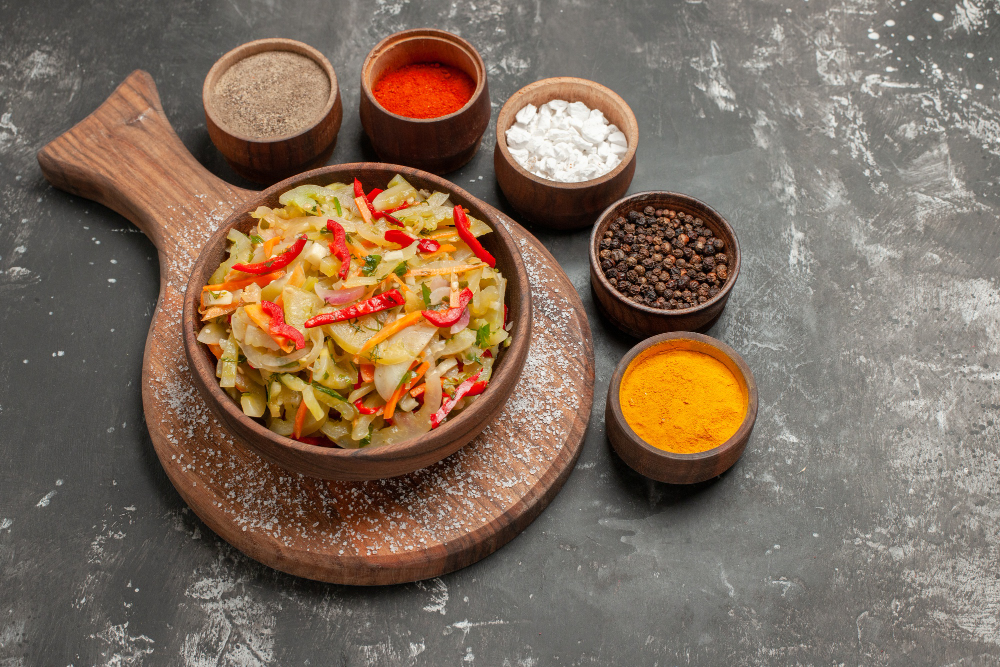
Some of the most extraordinary culinary traditions are found far away from the restaurants, food festivals and social media trends that dominate the global food industry. In India’s northeastern state of Tripura, Gudok represents one such tradition. Prepared with seasonal vegetables, green chillies and berma, a traditional dried and fermented fish ingredient, Gudok is a distinctive indigenous dish valued for its bold flavour, simple cooking methods and deep connection to community life.
Gudok may not have the polished appearance of a restaurant tasting menu, but its appeal lies in its authenticity. Depending on the regional or household recipe, vegetables such as beans, potatoes, bamboo shoots and jackfruit seeds are cooked with fermented fish and seasonings until they become tender. Some versions are mashed into a thick, semi-solid preparation, while other traditional methods involve cooking the ingredients inside a hollow bamboo segment over a fire. The dish is commonly eaten with rice, making it a satisfying part of an everyday meal.
Although the word fermented often attracts attention in discussions about food trends, Gudok’s identity requires a little more explanation. The vegetables are generally cooked rather than fermented together. It is the berma or related fermented fish ingredient that contributes much of the dish’s characteristic pungency and savoury depth. This combination of cooked vegetables and fermented seafood creates a flavour profile that is both distinctive and closely connected to the culinary traditions of Tripura.
As interest in regional food heritage, fermentation and indigenous cooking grows, Gudok deserves greater recognition beyond its home region. Its story is not simply about introducing an unfamiliar dish to international audiences. It is about preserving culinary knowledge, supporting the communities that sustain it and demonstrating how local food traditions can enrich the global conversation about what people eat.
What Is Gudok, and Where Does It Come From?
Gudok is a traditional dish associated with indigenous communities in Tripura, a state in northeastern India known for its rich cultural diversity and distinctive food traditions. It is particularly associated with Tripuri communities and is also prepared in different forms by other communities, including Chakma households. The exact ingredients, preparation techniques and local names may vary, reflecting the diversity of food cultures within the state.
The dish typically combines vegetables with berma, a dried and fermented fish product widely used in Tripuri cooking. Snake beans, potatoes, green chillies and jackfruit seeds are among the ingredients found in traditional preparations. Depending on availability and local preference, bamboo shoots and other seasonal vegetables may also be included. The mixture is cooked until the ingredients soften, and some versions are mashed to create a thick consistency.
Gudok is commonly served with plain rice, which complements its concentrated, savoury flavour. It can form part of an everyday family meal or appear at community gatherings and special occasions. Its cultural importance comes partly from the way it connects local ingredients, traditional preparation and shared eating practices.
A report by the People’s Archive of Rural India describes Gudok served at a local hotel in Tripura’s Unakoti district, where it remains a favourite among customers. The account documents how the dish is prepared within the Chakma community and how fermented fish known locally as shidol is central to its flavour. The report illustrates that Gudok is not merely a heritage recipe remembered from the past; it remains part of contemporary food culture. Source: People’s Archive of Rural India.
The Role of Berma in Gudok’s Distinctive Flavour
The ingredient that most clearly distinguishes Gudok from many vegetable-based dishes is berma. This traditional dried and fermented fish product contributes a strong aroma, saltiness and a deeply savoury taste. In culinary terms, its flavour can be understood through the concept of umami, the savoury quality also associated with ingredients such as mushrooms, aged cheeses and certain fermented sauces.
Fermentation changes the character of fish through the activity of microorganisms and enzymes under specific conditions. Traditional fish fermentation methods can produce complex aromas and flavours that are difficult to reproduce using fresh fish alone. Drying and fermentation also form part of the preservation knowledge associated with many food cultures, particularly where communities have developed methods for storing ingredients beyond the time of harvest or catch.
In Gudok, berma is used alongside vegetables rather than as an isolated ingredient. The vegetables soften during cooking, while the fermented fish spreads its intense flavour through the mixture. Green chillies provide heat, and the natural taste of the vegetables gives the dish body and variety. The result is a preparation in which the fermented ingredient acts almost like a seasoning, although its presence remains noticeable.
For someone encountering Gudok for the first time, the aroma of berma may be unfamiliar. Fermented fish products can have a powerful smell, especially before cooking. Yet aroma alone does not fully explain their culinary value. In a finished dish, the fermented ingredient interacts with the vegetables and cooking liquid to create a more integrated flavour.
This is one reason Gudok deserves to be understood in its own culinary context. Its taste reflects a long-established regional preference rather than a departure from some universal standard of food. What might seem unusual to an unfamiliar diner can be deeply recognisable and comforting to someone who has grown up eating it.
Seasonal Vegetables and the Importance of Local Ingredients
Gudok demonstrates how regional cooking can make use of ingredients that are readily available within a particular agricultural and ecological setting. Vegetables such as beans and potatoes provide substance, while jackfruit seeds and bamboo shoots can contribute different textures and flavours. The precise combination depends on local availability, the season and family preferences.
This flexibility is important because traditional food is rarely as fixed as a standardised commercial recipe. A household may prepare Gudok differently according to the vegetables available in its garden, the ingredients purchased at a local market or the tastes of family members. The dish’s essential character can remain recognisable even when individual ingredients change.
Seasonal cooking also creates a close relationship between food and place. Rather than depending entirely on products transported over long distances, cooks can use ingredients that reflect local growing conditions and established food practices. When such knowledge is maintained, it helps preserve the culinary identity of a region.
However, the use of local ingredients should not automatically be interpreted as proof that every traditional preparation is environmentally sustainable. Sustainability depends on how vegetables are cultivated, how fish is sourced, how resources are used and how food is transported. A meaningful revival of Gudok would therefore benefit from attention to both culinary heritage and responsible sourcing.
The broader lesson is that local food traditions offer valuable examples of adapting recipes to the ingredients available in a particular environment. Gudok transforms a relatively modest collection of vegetables and a strongly flavoured preserved ingredient into a dish with a distinctive identity.
Traditional Cooking Methods: From the Pot to Bamboo
Gudok is especially interesting because its preparation can involve more than one cooking technique. In a common household method, vegetables are boiled in water with seasonings, while berma is added during cooking. The softened ingredients may then be mashed using a spoon, ladle or traditional implement until the mixture reaches a thick, semi-solid consistency.
Some traditional preparations use hollow bamboo as a cooking vessel. The ingredients are placed inside a fresh bamboo segment, which is closed with leaves and positioned over burning charcoal. As the contents cook, the vegetables soften and absorb the flavours of the other ingredients. The mixture can then be mashed or stirred to create the desired texture.
The bamboo method also creates opportunities for a different sensory experience. Cooking over charcoal can introduce smoky notes, while the enclosed vessel helps keep the ingredients together as they soften. The exact flavour depends on the ingredients, the heat and the particular method used.
These techniques are important to preserve because a recipe is more than a list of ingredients. The vessel, cooking temperature, sequence of preparation and texture expected by the cook are all part of culinary knowledge. A commercial kitchen might reproduce the ingredients of Gudok while missing some of the qualities created by its traditional preparation.
A global revival should therefore document and respect these methods rather than treating them as optional visual details. Where bamboo cooking is impractical, modern equipment can be used, but the original techniques should remain recognised as an important part of the dish’s heritage.
How Gudok Is Prepared in a Traditional Kitchen
The preparation of Gudok begins with selecting and cleaning the vegetables. Beans are trimmed and cut into manageable pieces, potatoes are peeled and chopped, and other vegetables or seeds are prepared according to the chosen recipe. The ingredients are washed carefully before being placed in a cooking pot.
Water is added in an amount sufficient to soften the vegetables without making the final mixture unnecessarily watery. Salt and green chillies provide basic seasoning, while berma supplies the characteristic fermented flavour. Some cooks roast or prepare the fermented fish separately before incorporating it, while others follow a different family method.
The vegetables are simmered until tender. The cooking time varies according to the type and size of the ingredients, so the aim is to judge softness rather than rely on a single fixed duration. Once the ingredients are cooked, the mixture can be mashed while some cooking liquid is retained to achieve the preferred consistency.
The finished Gudok is generally thick enough to be eaten comfortably with rice. It should not be confused with a completely smooth purée, as the texture may vary from household to household. Some versions retain visible pieces of vegetables, while others are mashed more thoroughly.
Traditional recipes can include different quantities of chillies and fermented fish, depending on how intense a flavour the cook prefers. For a person unfamiliar with berma, the flavour may initially seem strong, so it is sensible to experience the dish prepared by someone familiar with its traditional balance rather than altering it based only on the smell of the raw ingredient.
Because fermented fish is central to many authentic versions, Gudok should not automatically be described as vegetarian or vegan. Vegetable-only adaptations are possible, but they are variations rather than exact reproductions of the traditional fish-based preparation.
Why Gudok Is More Than an Unusual Food Trend
Global food culture often celebrates ingredients once considered unfamiliar, particularly when they offer a new sensory experience. Fermented foods, indigenous vegetables, regional grains and traditional preservation techniques have attracted growing attention from chefs, food writers and curious diners. Gudok fits naturally into this wider interest, but its value extends beyond novelty.
First, the dish represents a living culinary tradition. It is prepared and eaten by people whose knowledge of ingredients and cooking techniques has developed through everyday practice. Its significance cannot be measured solely by how interesting it appears to people encountering it for the first time.
Second, Gudok offers a different way to understand flavour. Many dishes rely on carefully balanced spices, rich sauces or frying techniques. Gudok instead draws much of its identity from the interaction between boiled vegetables and fermented fish. It demonstrates that a limited number of ingredients can create depth when their flavours are understood and combined effectively.
Third, the dish can encourage greater interest in Tripura’s wider culinary heritage. International food discussions often focus on a relatively narrow selection of Indian cuisines, while the diversity of northeastern India’s food cultures receives less sustained attention. Introducing Gudok alongside other regional preparations can help broaden that picture.
Finally, Gudok can challenge the assumption that a dish needs expensive ingredients or sophisticated equipment to be meaningful. Its strength lies in the knowledge behind its preparation and the cultural context in which it is enjoyed. A global audience can appreciate that story without demanding that the dish be redesigned to fit every passing trend.
The Potential for a Global Gudok Revival
A global revival would not necessarily require Gudok to become a mass-market product. Its first step could be greater recognition through regional food festivals, culinary documentaries, specialist restaurants and educational food programmes. These platforms could introduce the dish while explaining the role of berma, the vegetables commonly used and the traditions associated with its preparation.
Restaurants outside Tripura could feature Gudok as part of a broader exploration of northeastern Indian cuisine. Chefs could work with local cooks to understand the correct techniques, ingredient combinations and serving traditions. Such collaboration would be more meaningful than simply adding an unfamiliar dish to a menu without explaining its origin.
Food tourism can also contribute to its visibility. Travellers interested in regional cuisine often seek experiences that connect food with people, agriculture and local culture. Demonstrations led by experienced cooks could allow visitors to understand how Gudok is prepared, why fermented fish matters and how the dish fits into a wider meal.
Digital platforms offer another opportunity. Videos showing the process of cleaning vegetables, cooking the mixture and preparing Gudok in bamboo can communicate details that a written recipe may not fully capture. Interviews with cooks and community members can add context about family variations, local names and the occasions on which the dish is eaten.
However, global visibility should not be confused with a guarantee of commercial success. Gudok’s strong aroma and unfamiliar flavour may require explanation for some audiences, and its ingredients may not be readily available everywhere. A thoughtful introduction should allow people to encounter the dish on its own terms rather than removing the characteristics that make it distinctive.
Preserving Indigenous Knowledge While Encouraging Innovation
The challenge of reviving traditional foods is to encourage experimentation without weakening the connection to the communities that created them. Gudok can be adapted to different kitchens, but its traditional forms should remain documented and accessible.
One useful approach is to record recipes directly from experienced cooks across different communities and regions. Such documentation should recognise that there may be no single definitive recipe. Variations in ingredients, texture and cooking methods are not necessarily mistakes; they can be evidence of a living and diverse tradition.
Culinary education can also help younger generations understand the value of regional food knowledge. Schools, community organisations and cultural institutions could support cooking demonstrations, oral histories and food documentation projects. These activities would preserve practical knowledge while allowing cooks to explain why particular methods and ingredients matter.
Innovation can take place alongside this work. Chefs may explore different presentations or serve Gudok in smaller portions as part of a tasting menu. Food businesses might investigate responsible ways to source ingredients for restaurants outside the region. Yet these developments should be clearly distinguished from traditional household preparations, and the people whose knowledge informs the work should receive appropriate recognition and opportunities to benefit.
Food heritage is not preserved simply by making a recipe famous. It is sustained when the communities associated with it retain the ability to prepare it, teach it, adapt it and decide how it is represented to wider audiences.
Food Safety and Responsible Commercialisation
If Gudok gains wider recognition, food safety will be an important consideration, especially because berma is a fermented and dried fish product. Traditional preservation methods reflect accumulated experience, but commercial production and distribution require careful attention to hygiene, sourcing, storage and consistent handling.
Fermented fish should come from a reliable producer who follows appropriate food-safety practices. The product must be stored according to its requirements, and the finished dish should be cooked and handled safely. Traditional methods should not be copied without understanding the controls necessary to prevent contamination or spoilage.
Commercial kitchens also need to communicate ingredients clearly. Since Gudok commonly contains fish, menus should identify it accurately, particularly for people with fish allergies, dietary restrictions or religious and ethical preferences. A vegetable-based adaptation should likewise be described honestly so diners can distinguish it from the traditional version.
Scaling up production may require additional care because a method that works well in a household setting does not automatically translate into large-scale manufacturing. Producers must consider the safety of the fermented ingredient, appropriate packaging, storage conditions and applicable regulations.
These considerations should not be treated as barriers to preservation. Instead, they can support a responsible revival that protects consumers while respecting the original food tradition.
Gudok and the Future of India’s Regional Food Heritage
India’s culinary identity is shaped by an enormous range of local traditions, ingredients and preparation methods. While widely recognised dishes often receive the greatest attention in restaurants and tourism campaigns, many regional foods remain relatively unfamiliar outside their home areas.
Gudok demonstrates why those lesser-known dishes deserve documentation and wider recognition. Its combination of seasonal vegetables and fermented fish reflects a distinctive approach to flavou. While its different cooking methods preserve practical knowledge associated with local ingredients and community life.
A renewed interest in Gudok could encourage greater appreciation of Tripura’s culinary diversity and lead diners to explore other foods from the state. Such attention should be part of a broader effort to recognise indigenous food cultures on their own terms. Rather than presenting them as exotic additions to an established national cuisine.
The most successful revival would combine cultural respect, accurate storytelling, responsible sourcing and opportunities for local cooks to participate in the food economy. Tourism, restaurants, food education and digital media could all play a role. Provided that the communities associated with the dish remain central to its representation.
Conclusion
Gudok is a reminder that a remarkable food experience does not always begin with an elaborate recipe or an expensive ingredient. In Tripura, seasonal vegetables, green chillies and fermented fish come together through traditional cooking methods to create a dish with a distinctive aroma, rich savoury flavour and satisfying texture.
Its cultural significance extends beyond its ingredients. Gudok connects local food knowledge with household cooking, community gatherings and the diverse culinary heritage of northeastern India.
The dish deserves a wider audience, but a meaningful revival must go beyond turning it into a food trend. It should recognise the people who continue to prepare it. Document the variations that give it richness and support the responsible sourcing of its ingredients. It should also allow the traditional dish to remain recognisable while giving chefs and food enthusiasts room to explore it thoughtfully.
A global food revival does not require every cuisine to taste familiar. Gudok offers exactly that opportunity, making it a compelling ambassador for Tripura’s indigenous food heritage.
Online Internship with Certificate
You may be interested
Kachnar Kali: The Indian Flower Bud That Becomes a Vegetable
Anshika Jain - October 15, 2026In many parts of the world, flowers are admired for their beauty, fragrance and ornamental value. In India, however, certain flowers have another purpose: they become ingredients…

Omija-cha: Korea’s Five-Flavour Tea Made From a Single Berry
Anshika Jain - October 15, 2026Imagine a ruby-red drink that tastes sweet, sour, bitter, salty and pungent, all from a single fruit. This unusual combination is the defining characteristic of Omija-cha, a…
Bir Pletok: Indonesia’s Alcohol-Free ‘Beer’ Made From Ginger and Spices
Anshika Jain - October 15, 2026The word “beer” usually brings to mind a fermented beverage made from grains, a foamy glass served in a pub, or a drink associated with social gatherings.…
Most from this category

Ragi Ambli: Fermented Millet Drink That Predates Today’s Beverage Trend
Anshika Jain - October 15, 2026
Mahua: The Forest Flower That Became a Traditional Food and Beverage Ingredient
Anshika Jain - October 14, 2026
Boza: The Thick Fermented Drink That Looks Nothing Like a Modern Beverage
Anshika Jain - October 14, 2026Ragi Ambli: Fermented Millet Drink That Predates Today’s Beverage Trend
Anshika Jain - October 15, 2026Mahua: The Forest Flower That Became a Traditional Food and Beverage Ingredient
Anshika Jain - October 14, 2026
Kachnar Kali: The Indian Flower Bud That Becomes a Vegetable
October 15, 2026
Omija-cha: Korea’s Five-Flavour Tea Made From a Single Berry
October 15, 2026


Leave a Comment