

Bir Pletok: Indonesia’s Alcohol-Free ‘Beer’ Made From Ginger and Spices

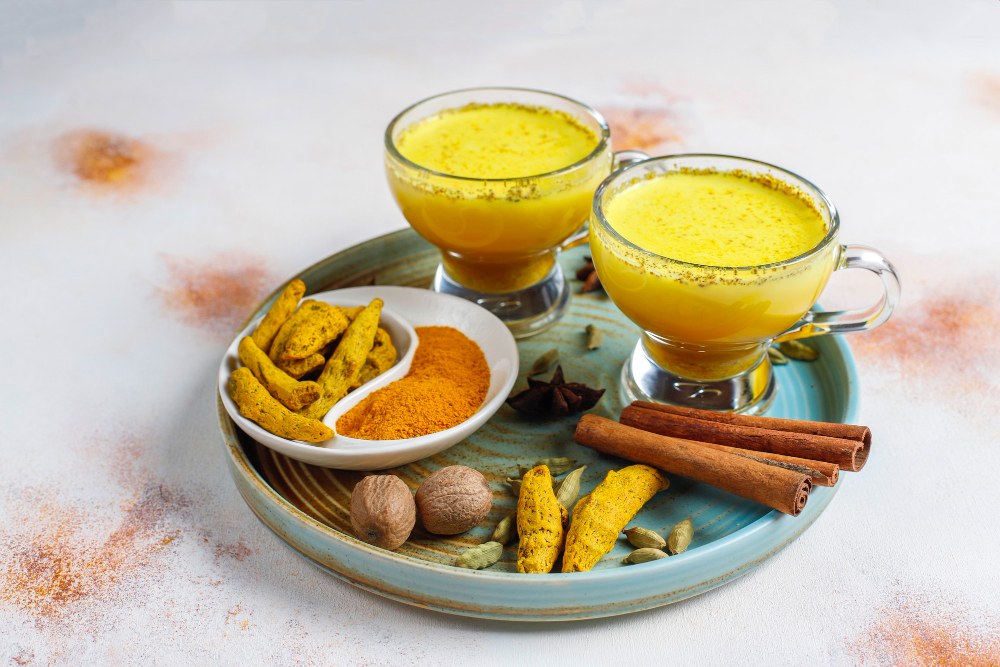
The word “beer” usually brings to mind a fermented beverage made from grains, a foamy glass served in a pub, or a drink associated with social gatherings. In Jakarta, Indonesia, however, a traditional beverage challenges this familiar image. Known as Bir Pletok, this distinctive drink looks reddish, smells intensely aromatic and combines ginger with a carefully balanced mixture of spices, yet it contains no alcohol. It is a traditional creation of the Betawi people, the indigenous community associated with Jakarta and its surrounding areas, and remains an important part of the region’s culinary identity.
Bir Pletok is more than an unusual name attached to a spicy drink. It reflects the cultural creativity of a community that adapted outside influences to its own traditions, ingredients and values. Its combination of ginger, cinnamon, lemongrass, cloves, pandan leaves and sappanwood produces a beverage that is simultaneously warming, fragrant, mildly sweet and visually striking. Depending on the recipe, additional ingredients such as cardamom, nutmeg, pepper, citrus leaves and other spices may also be included.
At a time when consumers are increasingly interested in distinctive alcohol-free beverages, traditional ingredients and regional food histories, Bir Pletok offers an intriguing example of how a centuries-old culinary practice can remain relevant. Its appeal lies not in imitating modern beer exactly, but in offering an entirely different drinking experience shaped by Indonesian spices and Betawi heritage.
The Origins of Bir Pletok in Betawi Culture
Bir Pletok is closely connected to the history of the Betawi community, whose culture developed in and around Batavia, the colonial-era name for present-day Jakarta. The city grew through centuries of migration, commerce and cultural exchange, bringing together people and traditions from different parts of the Indonesian archipelago and beyond. This diverse environment influenced local languages, clothing, music, architecture and food.
The drink is commonly associated with the Dutch colonial period, when European drinking customs were visible in the social life of Batavia. Historical accounts describe Bir Pletok as a local response to the popularity of beer and wine among Europeans. Rather than adopting alcoholic beverages, Betawi people developed a distinctive spiced drink that could participate in the atmosphere of social gatherings while remaining alcohol-free. The precise details of its origin and naming are not uniformly documented, so its history is best understood through the broader cultural tradition rather than a single definitive invention story.
The result was not simply an imitation of European beer. Bir Pletok used ingredients familiar to Indonesian kitchens and traditional herbal preparations. Ginger supplied heat, aromatic spices added complexity, sugar balanced the sharpness, and sappanwood contributed its characteristic reddish colour. These ingredients transformed the idea of a celebratory beverage into something recognisably Betawi.
The drink gradually became associated with hospitality, family gatherings and local cultural identity. It could be prepared at home, served to visitors or sold as a traditional refreshment. Today, it is also promoted as a distinctive culinary product from Jakarta and can be found in packaged forms intended for local consumers and visitors. Indonesia’s cultural and tourism publications continue to feature Bir Pletok among the traditional foods and beverages representing Betawi heritage.
Why Is It Called “Bir” If It Contains No Alcohol?
One of the most fascinating aspects of Bir Pletok is its name. In Indonesian, bir means beer, making the beverage sound like an alcoholic product to people encountering it for the first time. Yet traditional Bir Pletok is prepared by boiling spices in water, usually with sugar, rather than fermenting grains to produce alcohol. It is therefore fundamentally different from conventional beer.
The word is often explained through the drink’s historical association with European drinking customs. By creating a local alternative, Betawi communities could enjoy a distinctive beverage at social occasions without adopting alcohol consumption. This interpretation is widely repeated in accounts of the drink’s cultural history, although explanations of the word pletok vary.
Some popular accounts connect “pletok” with a sound produced when the beverage is shaken, poured or handled in a container, while other explanations emphasise the froth that can develop when it is vigorously shaken. The resulting foam can make the drink look a little more like beer, especially when served in a glass. These explanations are part of the drink’s popular storytelling, rather than a single universally established linguistic account.
Its name demonstrates how food traditions can preserve traces of historical encounters. Bir Pletok carries a reference to a foreign beverage while expressing a distinctly local identity through its ingredients, preparation and social meaning. It is a reminder that cultural exchange does not always result in direct imitation; communities can reinterpret outside influences according to their own tastes and traditions.
The Ingredients That Give Bir Pletok Its Distinctive Character
The flavour of Bir Pletok comes from a blend of spices rather than a single dominant ingredient. Although recipes differ between households and producers, ginger is generally central to the drink. Fresh ginger provides a warm, peppery sensation and a sharp aroma that remains noticeable even when the beverage is sweetened. Some preparations use red ginger, a variety valued for its more pronounced heat and pungency.
Cinnamon contributes a sweet, woody fragrance that rounds out the sharper notes of ginger. Cloves add an intense, slightly medicinal aroma, while cardamom can bring a floral and citrus-like dimension. Nutmeg and black pepper may be included in some versions, creating additional layers of warmth. Lemongrass offers a fresh, citrus-like scent, and pandan leaves contribute a gentle, grassy sweetness associated with many Southeast Asian desserts and drinks.
Sappanwood is particularly important because it helps give Bir Pletok its reddish appearance. Known in Indonesia as kayu secang, sappanwood is obtained from the heartwood of a tree and releases colour when simmered in water. The resulting liquid can range from pinkish red to a deeper reddish-brown, depending on the quantity used, the other ingredients and the preparation method. Its colour makes the drink visually distinctive without requiring the traditional recipe to depend on artificial colouring.
Sugar is commonly added to balance the pungency of the spices. White sugar, palm sugar or other sweeteners may be used depending on the recipe and producer. Some preparations also include citrus leaves, lime or a small amount of salt to adjust the flavour. The balance is important: a good Bir Pletok should not taste like sweetened ginger water alone, but should offer a layered combination of sweetness, spice and fragrance.
How Traditional Bir Pletok Is Prepared
Traditional Bir Pletok is generally made through a straightforward process of simmering spices in water. Fresh ginger is washed and crushed or sliced to help release its flavour. Cinnamon, cloves, cardamom and other selected spices are prepared alongside lemongrass and pandan leaves. Small pieces of sappanwood are added to provide the drink’s characteristic colour.
The ingredients are placed in a pot of water and brought to a boil. The mixture is then simmered so that the spices can gradually release their aromas, flavour compounds and colour into the liquid. The exact cooking time varies, but allowing the mixture to simmer rather than boiling it aggressively for the entire process helps develop a more integrated flavour. Sugar is added according to taste, and the drink is stirred until it dissolves.
A home preparation can be adjusted to suit personal preferences. More ginger creates a sharper, hotter drink, while extra cinnamon or pandan can emphasise sweeter aromas. A larger quantity of sappanwood generally deepens the colour, although the shade will also depend on the other ingredients and the length of simmering. Reducing the amount of sugar can produce a less sweet version without changing the drink’s basic identity.
Some versions are shaken before serving to create a light foam. This presentation can make the beverage visually resemble beer, but the foam does not mean that it has undergone alcoholic fermentation. Traditional Bir Pletok is essentially a spiced infusion, and its defining qualities come from the extraction of flavour from the ingredients rather than from brewing.
What Does Bir Pletok Taste Like?
For someone accustomed to conventional soft drinks, Bir Pletok can be an unexpectedly complex experience. Its first impression often comes from the aroma, where ginger, cinnamon, cloves and other spices create a fragrant, warming sensation. The reddish colour may suggest fruit juice or a sweetened drink, but the flavour is closer to a spiced herbal infusion.
Ginger usually provides the strongest sense of heat. Unlike the sharp acidity of citrus juice or the bitterness of coffee, its warmth spreads gradually across the palate. Cinnamon adds a sweet, woody note, while cloves and cardamom create a deeper fragrance. Depending on the recipe, lemongrass and pandan may make the drink feel fresher and more aromatic.
Sweetness varies considerably. Some preparations are lightly sweetened so the spices remain prominent, while others have a richer, syrup-like quality. The beverage may also leave a lingering spicy sensation after each sip. These differences are part of its appeal because they allow individual producers and households to develop their own interpretations.
Bir Pletok is traditionally enjoyed warm, especially when its aromatic character is intended to be prominent. However, it can also be served chilled or over ice. The cold version offers a different experience, making the drink suitable for warm weather and modern café menus. Served in a transparent glass, its red colour can be an attractive feature in its own right.
It is not necessary for Bir Pletok to taste like beer to fulfil its cultural role. Its identity comes from the relationship between its ingredients, its history and the community that preserves it.
Bir Pletok and Indonesia’s Spice Heritage
Indonesia has a long and internationally significant history of spice cultivation and trade. Cloves, nutmeg, ginger, cinnamon and other aromatic ingredients have shaped regional cuisines, household cooking practices and commercial exchange across the archipelago. Bir Pletok reflects this broader heritage through a recipe that brings multiple spices together in a single drink.
The beverage also demonstrates the difference between using spices as seasoning and using them as the foundation of a drink. In many meals, spices support the flavour of meat, vegetables, rice or sauces. In Bir Pletok, they become the central ingredients, extracted into water and consumed as the main source of flavour. This changes the way their aromas are experienced and gives the beverage its own culinary identity.
The drink’s use of sappanwood is especially notable. Although many people associate red beverages with berries, hibiscus or artificial colour. Bir Pletok can obtain its distinctive appearance from a traditional botanical ingredient. The combination of natural colour and aromatic spices gives the beverage a recognisable appearance that distinguishes it from common commercial soft drinks.
At the same time, Bir Pletok should not be treated as representative of every Indonesian beverage. Indonesia has a wide range of regional drinks made from coconut, rice, palm sugar, fruits, herbs and other local ingredients. Bir Pletok belongs to the particular culinary history of the Betawi community, and its value is best appreciated within that cultural context.
Is Bir Pletok a Health Drink?
Bir Pletok is often described as a traditional herbal drink because it contains ginger and other plant-based ingredients. Ginger has been investigated in scientific research for several possible physiological effects, while various spices contain naturally occurring compounds that researchers continue to study. However, the presence of these ingredients does not automatically establish that a finished beverage can prevent or treat illness.
The drink’s nutritional profile depends on its recipe. A preparation made mostly from water and spices with limited added sugar will differ from a highly sweetened bottled version. Although spices contribute aroma and flavour, the amount consumed in a serving may be relatively small compared with the quantities used in laboratory studies of individual ingredients. It would therefore be misleading to assume that drinking Bir Pletok provides the same effects as taking a concentrated extract.
Its lack of alcohol is an important characteristic for consumers who want a traditional celebratory beverage without alcoholic ingredients. Nevertheless, alcohol-free does not necessarily mean suitable for everyone in every circumstance. People with allergies, dietary restrictions or specific medical concerns should consider the ingredients and consult a qualified healthcare professional when necessary. Commercial products should also be checked for their complete ingredient lists and storage instructions.
The most reliable way to appreciate Bir Pletok is as a culturally significant, flavourful beverage rather than as a guaranteed remedy. Its appeal does not depend on exaggerated medical claims. The combination of spice, aroma, tradition and the ability to serve it warm or cold already makes it an interesting part of Indonesia’s food culture.
From Traditional Kitchens to Modern Beverage Markets
Traditional drinks can face challenges when younger consumers become more familiar with packaged soft drinks, café beverages and international food trends. Bir Pletok is no exception. Its continued presence depends partly on families, local producers, cultural organisations and businesses that keep the recipe visible and accessible.
In recent years, traditional beverages have also attracted attention from consumers looking for alternatives to familiar commercial drinks. Bir Pletok has several qualities that could support its wider appeal. Its alcohol-free identity makes it suitable for a broad range of social occasions, while its distinctive colour and aromatic profile offer opportunities for creative presentation. It can be marketed as a traditional Jakarta beverage, served in cafés or sold as a culinary souvenir.
Commercial producers have explored different packaging formats, including bottled drinks and powdered preparations. However, convenience must be balanced with preserving the character of the original beverage. Excessive sweetening or an overly simplified flavour profile can make a commercial version less representative of traditional preparations.
Food safety and shelf life are also important considerations. A freshly prepared spiced infusion should not automatically be assumed to remain safe at room temperature for long periods. Bottled versions require appropriate production controls, packaging, storage conditions and clearly stated use-by information. Traditional ingredients alone do not guarantee that a product will remain safe without suitable handling.
The future of Bir Pletok may therefore depend on combining cultural continuity with thoughtful product development. Modern packaging and presentation can introduce the drink to new audiences. But the story of its Betawi origins should remain central to how it is represented.
Why Bir Pletok Deserves International Attention
International interest in regional foods often begins with a surprising discovery. An ingredient used in an unfamiliar way. A recipe connected to an overlooked community or a traditional product that challenges modern assumptions. Bir Pletok fits this pattern because its name suggests beer, yet its ingredients and preparation tell a completely different story.
For international audiences, the beverage can introduce the culinary traditions of Jakarta beyond the city’s better-known dishes. It provides an accessible way to explore Indonesian spices without requiring a full meal or an elaborate cooking process.
However, presenting Bir Pletok internationally requires more than translating its name or marketing it as an unusual alternative to beer. Its Betawi identity, colonial-era cultural context and use of regional ingredients are essential parts of the story. Without that context, the beverage risks becoming another generic “spiced wellness drink” detached from the community that developed and preserved it.
Food tourism can help create greater visibility. Visitors to Jakarta may encounter Bir Pletok in cultural villages, traditional food markets, restaurants or souvenir shops. Tasting it alongside Betawi dishes can provide a more complete understanding of how the beverage fits into local hospitality and culinary life.
Its international appeal may ultimately come from its individuality. Bir Pletok does not need to imitate European beer or compete directly with modern energy drinks. It offers a different experience rooted in the history and flavours of Indonesia.
Preserving a Distinctive Betawi Tradition
The survival of a traditional beverage depends on more than its continued sale. It also requires knowledge of its preparation, an understanding of its cultural meaning and opportunities for younger generations to encounter it. Family recipes, local producers and cultural events all play a role in maintaining that connection.
Bir Pletok illustrates how culinary knowledge can be passed from one generation to another through ordinary domestic practices.
Modern documentation can help preserve this knowledge, especially as lifestyles and consumer preferences change. Recording variations in ingredients, preparation methods and serving traditions can help prevent a single commercial recipe from being treated as the only authentic version. Supporting small producers can also help ensure that the beverage remains part of everyday culinary life rather than becoming known only through tourism campaigns.
Preservation does not mean that every recipe must remain unchanged. Producers can experiment with sweetness, packaging and presentation while continuing to acknowledge the drink’s cultural roots. The important distinction is between thoughtful adaptation and removing the context that makes a traditional food or beverage meaningful.
Conclusion: A Spiced Drink With a Story Beyond Its Name
Bir Pletok is one of Indonesia’s most intriguing traditional beverages. Because it combines an unexpected name with an unmistakably local character. Made by simmering ginger and aromatic spices, often including cinnamon, cloves, lemongrass, pandan leaves and sappanwood. It offers a fragrant, warming drink that contains no alcohol in its traditional preparation.
Its reddish colour, layered spice profile and association with hospitality have helped it remain recognisable across generations. At the same time, the drink faces the familiar challenge of maintaining its place in a rapidly changing beverage market.
Bir Pletok deserves attention not simply because it resembles beer in name or appearance, but because it demonstrates how communities reinterpret cultural influences through their own ingredients and traditions. It is a reminder that an exciting beverage does not need alcohol, elaborate processing or fashionable branding to possess character.
Online Internship with Certificate
You may be interested
Kachnar Kali: The Indian Flower Bud That Becomes a Vegetable
Anshika Jain - October 15, 2026In many parts of the world, flowers are admired for their beauty, fragrance and ornamental value. In India, however, certain flowers have another purpose: they become ingredients…
Omija-cha: Korea’s Five-Flavour Tea Made From a Single Berry
Anshika Jain - October 15, 2026Imagine a ruby-red drink that tastes sweet, sour, bitter, salty and pungent, all from a single fruit. This unusual combination is the defining characteristic of Omija-cha, a…
Ragi Ambli: Fermented Millet Drink That Predates Today’s Beverage Trend
Anshika Jain - October 15, 2026Long before modern supermarkets began selling kombucha, probiotic shots, fortified smoothies and beverages marketed for gut health, traditional Indian kitchens had already developed drinks that combined grains,…
Most from this category
Gudok: Tripura’s Fermented Vegetable Dish That Deserves a Global Food Revival
Anshika Jain - October 15, 2026
Mahua: The Forest Flower That Became a Traditional Food and Beverage Ingredient
Anshika Jain - October 14, 2026
Boza: The Thick Fermented Drink That Looks Nothing Like a Modern Beverage
Anshika Jain - October 14, 2026Gudok: Tripura’s Fermented Vegetable Dish That Deserves a Global Food Revival
Anshika Jain - October 15, 2026Mahua: The Forest Flower That Became a Traditional Food and Beverage Ingredient
Anshika Jain - October 14, 2026
Kachnar Kali: The Indian Flower Bud That Becomes a Vegetable
October 15, 2026
Omija-cha: Korea’s Five-Flavour Tea Made From a Single Berry
October 15, 2026

Leave a Comment