

Omija-cha: Korea’s Five-Flavour Tea Made From a Single Berry

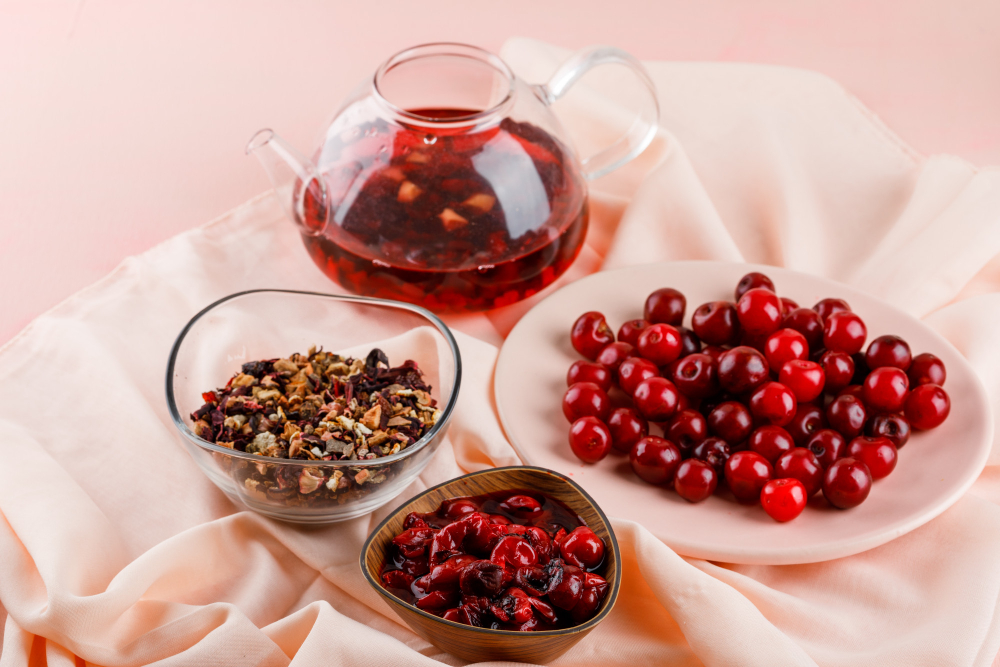
Imagine a ruby-red drink that tastes sweet, sour, bitter, salty and pungent, all from a single fruit. This unusual combination is the defining characteristic of Omija-cha, a traditional Korean beverage prepared from the red berries of Schisandra chinensis. Known as Korea’s five-flavour tea, Omija-cha is celebrated for its striking colour, refreshing taste and long-standing connection with Korean food culture.
Unlike conventional tea made from the leaves of the tea plant, Omija-cha is a fruit-based infusion. Its main ingredient is omija, a small red berry whose name literally means “five flavours.” The drink can be served warm or chilled, although its bright colour and refreshing sourness make cold preparations particularly appealing during warmer months. Depending on the recipe, the berries may be steeped in water, gently simmered or combined with a sweetened omija syrup.
What makes this beverage especially fascinating is the relationship between its name and its sensory experience. Rather than delivering one straightforward flavour, the berry produces a complex taste that changes according to concentration, preparation method and the addition of sweeteners. A sip may begin with a sharp sourness, followed by fruity sweetness and a lingering bitterness or astringency.
In an era when colourful café drinks and unusual fruit infusions attract international attention, Omija-cha stands out because its distinctive character is rooted in a traditional ingredient rather than an artificial flavour combination. Its story connects Korean culinary knowledge, seasonal ingredients, traditional tea culture and the enduring fascination with foods that offer more than one sensory experience.
What Is Omija-cha?
Omija-cha, written as in Korean, is a traditional Korean drink made using omija berries. The fruit is botanically known as Schisandra chinensis and is sometimes called the magnolia berry or five-flavour berry in English. Although the plant belongs to a group commonly associated with East Asian traditional medicine and food practices, its berries also have an established place in Korean beverage preparation.
The Korean word omija combines the idea of five flavours with the word for a berry or fruit. The term cha means tea, so Omija-cha can be understood as five-flavour berry tea. Unlike black tea, green tea or matcha, the traditional fruit-only version does not require tea leaves and is not inherently caffeinated.
The drink is generally recognised by its vivid red, pinkish-red or ruby appearance. Its colour develops as the berries release pigments into the water, although the final shade varies with the quantity and condition of the fruit, steeping time and preparation method. Sweeteners such as honey or sugar may be added to balance the naturally sharp taste.
Omija-cha is not a single fixed recipe. Some preparations use dried berries soaked in water for several hours, while others gently heat the fruit to produce a more concentrated infusion. Omija syrup, commonly prepared by combining the fruit with sugar, can also be diluted with water to create a drink. These variations allow the beverage to be served in different seasons and adapted to individual preferences.
The Korea Tourism Organization describes Omija-cha as a traditional Korean tea made from omija fruit, with preparation methods that can include gently boiling dried berries and sweetening the resulting liquid with honey. This established culinary tradition helps explain why the beverage remains recognisable across different styles of preparation.
The Five Flavours Behind Its Unusual Name
The defining feature of Omija-cha is its association with five tastes: sweetness, sourness, bitterness, saltiness and pungency. This description is a traditional way of expressing the berry’s complex sensory character. It does not mean that every cup will deliver five equally strong flavours or that each taste can always be identified separately.
Sourness is often the most immediately noticeable quality. Omija berries contain naturally occurring organic acids that give the infusion a tart, fruit-like sharpness. Depending on the strength of the preparation, the sourness may resemble that of certain red fruits, although the berry has a distinctive flavour of its own. A concentrated infusion can be particularly intense, which is why sweeteners are often used to make the drink more balanced.
Sweetness may be present as a subtle fruity note, but it becomes more obvious when honey, sugar or omija syrup is added. The sweetness softens the tartness and makes the drink easier to enjoy as a refreshing beverage. Different households and commercial producers vary the amount of sweetener, resulting in versions that range from sharply acidic to pleasantly sweet.
Saltiness and pungency are part of the traditional five-flavour description, but they may be much less obvious to a modern drinker than the sourness or bitterness. Pungency here refers to a sharp or penetrating sensory quality rather than necessarily the heat associated with chilli peppers. The five-flavour concept is therefore best understood as a cultural and culinary description of complexity, not a guarantee that every serving tastes equally sweet, sour, bitter, salty and spicy.
This balance is what makes Omija-cha interesting. Its character cannot be explained by sweetness alone, and its appeal often comes from the way the flavour shifts as the drink moves across the palate.
The Cultural Significance of Omija in Korea
Omija has a long history of use in Korean food and traditional herbal practices. The berries have been valued as an ingredient for drinks, preserved preparations and other uses, connecting the fruit to both everyday consumption and older traditions of working with botanical ingredients.
Korean culinary culture includes a broad range of teas and infusions prepared from fruits, roots, flowers, grains and herbs. These beverages differ from tea made from Camellia sinensis, the plant used for green, black and other conventional teas. Fruit-based drinks such as Omija-cha demonstrate how the Korean word for tea can encompass a wider category of carefully prepared infusions.
The fruit is also associated with traditional understandings of flavour and balance. The idea of five tastes has appeared in East Asian culinary and philosophical traditions, where different flavours are understood as meaningful components of food rather than merely pleasant or unpleasant sensations. Omija’s unusual taste profile makes it a natural subject for this way of thinking about ingredients.
However, its cultural significance should not be reduced to a medicinal narrative. Omija-cha is also a beverage that can be enjoyed for its colour, taste and suitability for social occasions. It may be served at home, in traditional tea houses, at restaurants or as part of a meal. Its ability to be prepared in advance and served chilled makes it convenient for hospitality, while a warm version can provide a different experience in cooler weather.
The continued presence of Omija-cha illustrates how traditional beverages can retain their identity even as the settings in which they are consumed change. A drink that once belonged primarily to familiar household and regional practices can also appear in contemporary cafés and modern presentations without losing its connection to the fruit at its centre.
How Omija-cha Is Traditionally Prepared
The preparation of Omija-cha is relatively simple, but the method affects its final flavour. Dried omija berries are often used because they are convenient to store and can be rehydrated during preparation. Fresh berries may also be used when available. The fruit is briefly rinsed to remove surface dust before being placed in a clean container or cooking vessel.
One common method involves soaking the berries in water. The fruit is left to steep for several hours, allowing its colour and flavour to gradually spread through the liquid. Cold-water extraction can produce a refreshing drink with a clear, fruity character, particularly when the berries are steeped in the refrigerator. Once the liquid reaches the desired strength, the fruit is strained out.
Another traditional approach involves gently simmering the berries in water over low heat. The Korea Tourism Organization describes this style of preparation, in which the fruit is heated carefully before the liquid is sweetened with honey. Because recipes differ, the choice between soaking and heating depends on the desired flavour and household practice. Excessively strong extraction may produce a more intense sour or bitter taste, so careful adjustment is useful.
For a cold serving, the finished drink can be chilled and poured over ice. For a warm serving, it can be gently heated after preparation rather than boiled aggressively. Pine nuts or other traditional garnishes may be added in certain presentations, although garnishes are optional and vary according to the recipe.
Clean preparation and suitable refrigeration are important when making the beverage at home. Freshly prepared infusions should not be left at room temperature for extended periods, particularly in warm weather. The simplest recipe can produce an elegant result, but ingredient quality, preparation time and careful storage all contribute to the final experience.
Why Its Ruby-Red Colour Is So Captivating
One of the first things people notice about Omija-cha is its colour. Depending on how it is prepared, the drink may appear pale pink, bright crimson or deep ruby-red. This appearance makes it visually different from many familiar teas, which are usually golden, amber, green or brown.
The colour comes from naturally occurring pigments in the fruit that dissolve or disperse into the water during preparation. Its intensity depends on several factors, including the variety and condition of the berries, whether they are fresh or dried, the amount used and the duration of extraction. The addition of water or ice can lighten the appearance, while a concentrated syrup can create a deeper colour.
This natural colour has helped Omija-cha find a place in contemporary food presentation. A clear glass reveals the vivid liquid, making the drink visually appealing in photographs and café menus. It can be served in a simple cup or presented with ice and a small garnish to emphasise its colour.
Yet its appearance is not merely decorative. The colour signals that the beverage is based on a fruit with a distinctive identity. It also offers a contrast to the familiar green and brown shades of conventional tea, creating an opportunity for people unfamiliar with Korean beverages to explore a different style of infusion.
The drink’s visual appeal should not be confused with its flavour. Its bright colour may suggest a sweet berry juice, but the actual taste can be much sharper and more complex. This difference between appearance and flavour is part of the experience that makes Omija-cha memorable.
Hot or Cold: A Tea for Different Seasons
Omija-cha is versatile enough to be enjoyed throughout the year. Cold preparations are especially appealing in warmer weather because the tart fruit flavour creates a refreshing drink. Served chilled or over ice, the beverage can function as an alternative to sweetened soft drinks. Fruit-flavoured water or conventional iced tea.
The cold version also allows the drink’s colour to become a central part of its presentation. Ice cubes and a transparent glass can emphasise the red hue. While a modest amount of honey or syrup balances the sourness without overwhelming it. The exact sweetness can be adjusted according to taste, making the drink suitable for people who prefer either a sharper or sweeter profile.
A warm version offers a different sensory experience. Heating the prepared infusion can make its aroma more noticeable and provide a comforting drink during cooler weather. Some traditional preparations use gentle heat from the beginning, while others prepare a cold infusion and warm it before serving. These approaches can produce different flavour intensities.
Omija-cha can also be used as the basis for a Korean fruit punch known as omija-hwachae. In such preparations, the infusion may be combined with fruit or other ingredients to create a more elaborate drink. This illustrates how a traditional tea can become part of a broader beverage tradition. Rather than remaining limited to one recipe.
Its adaptability is one reason Omija-cha continues to attract interest. The same berry can be used to create a simple hot infusion. A chilled drink or a more decorative fruit-based preparation, depending on the occasion.
Omija-cha and Modern Interest in Botanical Beverages
Contemporary beverage culture has seen growing interest in botanical infusions, fruit-based teas and drinks that offer distinctive flavours without relying on conventional tea leaves. Omija-cha fits naturally into this wider category, although its importance predates modern wellness and café trends.
Consumers interested in unfamiliar flavours may appreciate the drink because it does not resemble a typical berry juice. Its combination of sourness, subtle sweetness and astringency creates a more complex experience than a simple fruit-flavoured beverage. The traditional five-flavour description also gives it a memorable identity that can be communicated across languages.
Its versatility creates opportunities for modern presentation. Cafés can serve it chilled in clear glasses, offer it as a warm fruit infusion or use a concentrated preparation as the basis for seasonal drinks. Food businesses can also introduce it through menus that explain the fruit’s Korean name and the meaning behind its unusual flavour profile.
However, presenting Omija-cha as merely a fashionable wellness drink would overlook its cultural roots. It is not a newly invented product designed to follow a social media trend. Its significance comes from an established Korean tradition of preparing and consuming omija, and modern adaptations are most meaningful when they preserve that connection.
Commercial products also vary. Bottled drinks, concentrated syrups and powdered preparations may differ substantially from a freshly prepared infusion in their ingredients, sweetness and processing. Consumers should check product labels rather than assume that all versions have the same composition or nutritional properties.
Omija-cha demonstrates that traditional food knowledge can inspire contemporary beverages without needing to be reinvented from the beginning. Its unusual flavour, natural colour and flexibility already provide a strong foundation for modern use.
Is Omija-cha a Health Drink?
Omija is widely associated with traditional Korean and other East Asian herbal practices, and scientific researchers have investigated compounds found in Schisandra chinensis. The fruit contains several classes of naturally occurring substances, including lignans and other plant compounds. Research has examined their biological activity, but findings about isolated compounds or concentrated extracts cannot automatically be applied to an ordinary cup of tea.
For example, a clinical study published in the journal Nutrients in 2022. Examined a specific omija extract and soybean mixture in adults with elevated blood glucose. That formulation was not the same as a simple cup of Omija-cha. Its results should therefore not be interpreted as proof that drinking the traditional tea can prevent or treat diabetes.
The distinction matters because a beverage’s effects depend on the ingredients, quantities, processing methods and amount consumed. A cup prepared from berries and water is not equivalent to a concentrated supplement or an experimental extract. Traditional use can provide important cultural and scientific context, but it is not by itself proof of a medical benefit.
Sweeteners also affect the drink’s nutritional profile. A lightly sweetened infusion differs from a syrup-heavy version in its sugar content. People who monitor their sugar intake may prefer to adjust the amount of honey or sugar rather than assume that every fruit-based drink is automatically low in sugar.
Anyone taking medication or considering concentrated omija products for a health purpose should seek advice from a qualified healthcare professional, because botanical products may have effects or interactions that require consideration. Omija-cha is best appreciated first as a traditional beverage with a distinctive taste, rather than as a substitute for medical treatment.
Why Omija-cha Deserves International Recognition
Many traditional drinks are built around a single recognisable flavour. Omija-cha offers something different: a berry whose identity is defined by complexity. Its name, colour and flavour provide an accessible introduction to Korean culinary culture, while its preparation demonstrates how fruit can be transformed into a beverage without elaborate equipment or complicated techniques.
For international audiences, it can also broaden the idea of what tea can be. A tea does not always need to come from tea leaves, and a fruit infusion does not have to be sweet or straightforward. Omija-cha combines tartness, aroma, colour and traditional meaning in one drink. Making it an intriguing discovery for people interested in regional food traditions.
Its appeal is also practical. The infusion can be prepared ahead of time, served chilled or warmed, and adjusted to suit different preferences. The berries and related products may be available through Korean grocery shops and specialist food retailers. Although availability varies by location. People trying the drink for the first time should choose products intended for food use and follow the preparation instructions provided.
International recognition should nevertheless include respect for the beverage’s origins. The name Omija-cha and its five-flavour description belong to a particular cultural context. Explaining that context helps distinguish the drink from generic red berry teas. Makes it easier for new audiences to understand why it remains meaningful in Korea.
As global interest in Korean food and drink continues to expand. Traditional beverages such as Omija-cha can help introduce aspects of the culture that extend beyond popular dishes. They reveal how local ingredients, seasonal practices and sensory traditions shape everyday life.
Conclusion: One Berry, Five Flavours and a Lasting Tradition
Omija-cha is a striking example of how a single ingredient can create an unexpectedly complex drinking experience. Its vivid ruby colour, tart profile and flexible preparation methods distinguish it from conventional teas and ordinary fruit drinks.
Its importance extends beyond its unusual taste. Omija-cha reflects Korean traditions of preparing fruit-based infusions and using botanical ingredients in everyday food culture. Whether served warm, chilled or as part of a fruit punch, it remains adaptable to different seasons and occasions.
Modern consumers may discover the beverage through its colour, its five-flavour reputation or the growing international interest in Korean cuisine. Yet the most meaningful way to appreciate it is to understand both its sensory character and its cultural background.
Online Internship with Certificate
You may be interested
Kachnar Kali: The Indian Flower Bud That Becomes a Vegetable
Anshika Jain - October 15, 2026In many parts of the world, flowers are admired for their beauty, fragrance and ornamental value. In India, however, certain flowers have another purpose: they become ingredients…
Bir Pletok: Indonesia’s Alcohol-Free ‘Beer’ Made From Ginger and Spices
Anshika Jain - October 15, 2026The word “beer” usually brings to mind a fermented beverage made from grains, a foamy glass served in a pub, or a drink associated with social gatherings.…
Ragi Ambli: Fermented Millet Drink That Predates Today’s Beverage Trend
Anshika Jain - October 15, 2026Long before modern supermarkets began selling kombucha, probiotic shots, fortified smoothies and beverages marketed for gut health, traditional Indian kitchens had already developed drinks that combined grains,…
Most from this category
Gudok: Tripura’s Fermented Vegetable Dish That Deserves a Global Food Revival
Anshika Jain - October 15, 2026
Mahua: The Forest Flower That Became a Traditional Food and Beverage Ingredient
Anshika Jain - October 14, 2026
Boza: The Thick Fermented Drink That Looks Nothing Like a Modern Beverage
Anshika Jain - October 14, 2026Gudok: Tripura’s Fermented Vegetable Dish That Deserves a Global Food Revival
Anshika Jain - October 15, 2026Mahua: The Forest Flower That Became a Traditional Food and Beverage Ingredient
Anshika Jain - October 14, 2026
Kachnar Kali: The Indian Flower Bud That Becomes a Vegetable
October 15, 2026



Leave a Comment