

Patishapta: Bengal’s Rice Crepes Filled With Coconut and Sweetness

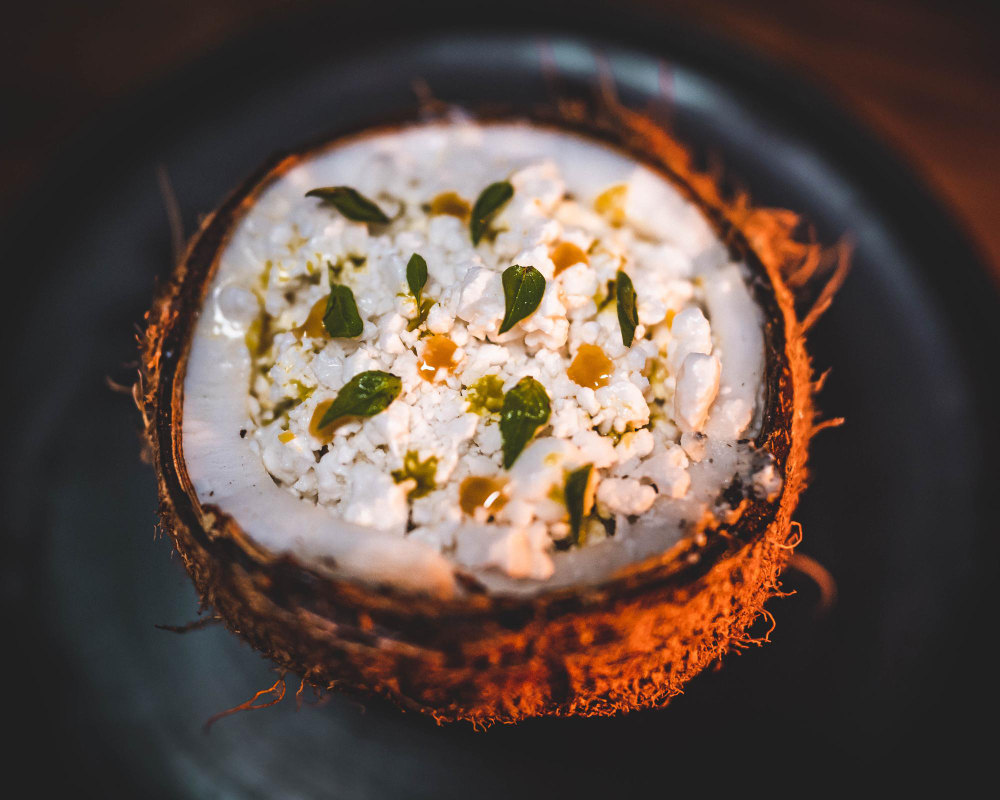
Indian cuisine is filled with traditional sweets that tell stories about regional ingredients, seasonal celebrations, family traditions, and generations of culinary knowledge. Among Bengal’s most distinctive winter delicacies is Patishapta, a delicate rice-flour crepe traditionally filled with a sweet mixture of coconut, jaggery, sugar, or milk-based ingredients. Soft, thin, lightly aromatic, and beautifully rolled, Patishapta represents the elegant simplicity of Bengali home cooking.
Patishapta is especially associated with Poush Parbon, the Bengali harvest festival celebrated during the winter season. The festival is closely connected with the arrival of fresh rice, date palm jaggery, coconut, and other seasonal ingredients. During this period, Bengali households traditionally prepare a variety of pitha, a broad category of regional rice-based cakes and sweets. Patishapta occupies an important place within this culinary tradition because of its delicate texture and sweet filling.
Unlike elaborate sweets that depend on complicated decoration, Patishapta creates its appeal through technique and balance. The outer layer must be thin and soft enough to fold or roll without breaking, while the filling provides sweetness and texture. The combination of rice flour, refined flour or semolina in some versions, coconut, milk, and jaggery produces a dessert that is comforting without being overly complicated.
Today, Patishapta continues to be prepared in Bengali homes, particularly during winter and festive occasions. At the same time, the sweet has attracted wider attention as people become increasingly interested in regional Indian foods and traditional recipes. Its story demonstrates how a simple homemade dessert can preserve cultural identity while remaining relevant to modern food lovers.
What Is Patishapta?
Patishapta is a traditional Bengali sweet made by preparing a thin crepe-like outer layer and filling it with a sweet mixture before folding or rolling it. The outer crepe is commonly made from rice flour, while recipes may also include all-purpose flour, semolina, milk, or other ingredients to achieve the desired softness and consistency.
The filling varies according to household tradition. A classic preparation often uses grated coconut cooked with jaggery or sugar. Milk-based fillings are also popular, particularly versions prepared with reduced milk, khoya, or other ingredients that create a rich and creamy texture. Date palm jaggery, known as khejur gur, is particularly associated with Bengali winter sweets and can provide a deep caramel-like sweetness and distinctive aroma.
The finished Patishapta has a soft exterior that contrasts with the slightly chewy or textured filling inside. When prepared with fresh coconut and jaggery, the dessert has a natural sweetness that allows the flavor of the ingredients to remain prominent.
Its appearance is also distinctive. The thin crepe is generally folded over the filling or rolled into an elongated shape. The result resembles a delicate filled pancake, although its ingredients and cultural context make it distinctly Bengali.
The Connection Between Patishapta and Pitha
To understand Patishapta, it is important to understand the broader tradition of pitha in Bengal. Pitha refers to a wide range of traditional preparations made from rice, rice flour, wheat flour, coconut, jaggery, milk, and other ingredients. Some pithas are sweet, while others can be savory. Their forms and preparation methods differ across Bengal and neighboring regions.
Pitha has traditionally been closely connected with the agricultural calendar. Rice has always been central to Bengali food culture, and seasonal changes influence the ingredients available to households. Winter is particularly important because newly harvested rice and fresh date palm jaggery become available.
Patishapta belongs to this seasonal culinary world. It is not simply a dessert prepared at any random time of year but has strong associations with winter celebrations and family gatherings. Its place within the pitha tradition demonstrates how food can be connected to agriculture, climate, festivals, and community life.
Different families may prepare Patishapta in different ways, and these variations are part of the richness of Bengali cuisine. Some households may prefer a coconut and jaggery filling, while others may prepare a milk-based version. The outer layer can also vary in thickness and composition.
Poush Parbon and the Winter Tradition
One of the strongest cultural associations of Patishapta is Poush Parbon, a winter harvest celebration observed in Bengal. The festival traditionally marks an important seasonal period and is strongly associated with the preparation of pitha and other homemade sweets.
During winter, Bengali kitchens become centers of seasonal cooking. Ingredients such as freshly harvested rice, coconut, and date palm jaggery are transformed into different delicacies. The preparation of pitha can become a family activity in which recipes and techniques are passed from older generations to younger members.
Patishapta fits naturally into this tradition because its ingredients reflect the seasonal resources of the region. Date palm jaggery, in particular, is an important feature of Bengali winter cuisine. Its distinctive flavor can transform an ordinary sweet into something deeply connected to a particular season.
Food prepared during festivals often carries emotional significance beyond its taste. The process of making Patishapta can evoke memories of childhood, family kitchens, winter mornings, and celebrations. This emotional connection is one reason traditional sweets continue to survive even as modern food habits change.
The Importance of Rice in Bengali Cuisine
Rice is one of the defining ingredients of Bengali food culture, so it is unsurprising that rice flour plays an important role in many traditional sweets. Patishapta demonstrates how rice can be transformed into a completely different culinary form.
Instead of serving rice as a grain alongside vegetables, fish, lentils, or other dishes, rice flour becomes the foundation for a delicate sweet crepe. This transformation illustrates the versatility of rice in South Asian cooking.
Rice flour provides a characteristic softness and subtle flavor to the crepe. When combined with milk or other ingredients, it can create a smooth batter suitable for spreading into a thin layer on a hot pan.
The use of rice also connects Patishapta with the larger tradition of pitha-making, where rice is often transformed through grinding, soaking, steaming, frying, or cooking. These techniques demonstrate the depth of culinary knowledge that developed around one of the region’s most important crops.
The Role of Coconut and Jaggery
The filling is central to Patishapta’s identity, and coconut and jaggery form one of its most traditional combinations. Grated coconut provides texture and a mild natural sweetness, while jaggery adds depth and richness.
When coconut is cooked with jaggery, the mixture develops a fragrant and slightly caramelized quality. The natural oils in the coconut contribute richness, while the jaggery binds the filling together.
Date palm jaggery is particularly valued in Bengal because of its seasonal availability and distinctive taste. Unlike ordinary refined sugar, it can have complex caramel, earthy, and smoky notes depending on the variety and preparation.
The combination of coconut and jaggery also reflects a broader pattern in Indian sweets. Across different regions, naturally sweet ingredients are combined with grains, nuts, dairy, and coconut to create desserts with contrasting textures. Patishapta is one Bengali expression of this culinary principle.
How Patishapta Is Prepared
Preparing Patishapta requires attention to both the batter and the filling. The filling is generally prepared first so that it is ready when the crepes are cooked. Grated coconut is cooked with jaggery or sugar until the mixture becomes cohesive and fragrant. Depending on the recipe, cardamom or other aromatic ingredients may be added.
The batter is then prepared using rice flour and other ingredients according to the household recipe. Milk is often used to create a smoother and richer batter, while some versions incorporate flour or semolina to achieve a particular texture.
The batter needs to be sufficiently fluid to spread into a thin layer. A heated pan is lightly greased, and a portion of the batter is spread into a delicate crepe. The goal is to create an outer layer that is cooked through but remains soft and flexible.
The filling is placed along the center of the crepe before the sides are folded over or the entire piece is rolled. This process may appear simple, but achieving a consistent thin crepe requires practice. If the batter is too thick, the Patishapta becomes heavy. If it is too thin or the crepe is overcooked, it may break while being folded.
This balance between simplicity and technique is one of the reasons traditional sweets are often associated with skilled home cooks.
The Art of Making a Delicate Crepe
The preparation of Patishapta demonstrates that traditional cooking is often based on sensory judgment rather than precise measurements alone. Experienced cooks may judge the batter’s consistency by observing how it flows across the pan. They may also determine the correct cooking time by looking at the surface of the crepe.
Temperature plays an important role as well. A pan that is too hot may cook the crepe too quickly, making it difficult to spread the batter evenly. A pan that is not sufficiently heated may produce a crepe that sticks or becomes uneven.
These details may not always appear in written recipes because they are traditionally learned through observation and repetition. Someone learning to make Patishapta from an experienced family member may understand these techniques simply by watching the process.
This form of culinary education is an important part of food heritage. Traditional recipes survive not only through written instructions but also through practical knowledge passed from one generation to another.
Regional and Household Variations
There is no single universal version of Patishapta. Like many traditional Indian foods, it changes according to household preferences, available ingredients, and regional influences.
Some versions emphasize coconut and jaggery, producing a chewy and aromatic filling. Others use milk-based fillings that create a softer and creamier interior. Some preparations may include khoya, while others rely on reduced milk and sugar.
The outer layer can also differ. A rice-flour-heavy batter can produce a delicate texture, while recipes containing semolina or refined flour may have a slightly different structure.
Spices and flavorings can vary as well. Cardamom is a common addition, but households may adjust the flavor according to preference. Modern versions can include ingredients that are not part of older recipes, demonstrating how traditional dishes naturally evolve.
These variations should not be viewed as contradictions. They demonstrate the flexibility of Bengali home cooking and the way culinary traditions develop through everyday experimentation.
Patishapta Beyond the Festival Season
Although Patishapta is strongly associated with winter and Poush Parbon, its appeal extends beyond the festival season. Bengali restaurants, sweet shops, food festivals, and home cooks may prepare it throughout the year.
Its growing visibility outside Bengal has also introduced the sweet to people who may be unfamiliar with traditional Bengali pitha. As interest in regional Indian cuisine grows, desserts such as Patishapta provide an opportunity to explore culinary traditions beyond widely known sweets such as rasgulla, sandesh, and mishti doi.
The dessert’s relatively simple ingredients make it approachable, while its preparation method gives it a distinctive identity. It can therefore serve as an introduction to the broader world of Bengali pitha.
Patishapta in Modern Food Culture
Modern food culture increasingly values authenticity, regional identity, and traditional preparation techniques. This environment has created new opportunities for Patishapta.
Food creators and chefs may present traditional pitha in contemporary ways, experimenting with fillings, presentation, and serving styles. Some versions may use chocolate, fruits, or other modern ingredients, while others focus on preserving the classic coconut and jaggery combination.
However, the growing popularity of traditional foods also makes cultural context important. A dish such as Patishapta should not be reduced to the idea of a fashionable rice crepe. Its meaning comes from the traditions surrounding it, particularly Bengal’s relationship with rice, winter harvests, jaggery, family cooking, and festivals.
Modern interpretations can introduce the dessert to new audiences, but traditional versions remain important because they preserve the culinary identity of the dish.
Why Traditional Sweets Still Matter
The continued popularity of Patishapta reflects a larger question about the role of traditional sweets in modern life. With packaged desserts and international foods becoming increasingly accessible, homemade regional sweets could easily become less common.
Yet traditional foods often offer something that standardized products cannot provide: a sense of place and memory. A recipe can connect a person to a family, a season, a festival, or a region.
Patishapta is especially meaningful because its preparation can become a shared activity. Making the batter, preparing the filling, cooking the crepes, and rolling them together creates an experience rather than simply producing a finished dessert.
This social dimension helps explain why traditional sweets continue to appear during celebrations. Their importance is not limited to nutrition or taste. They can also strengthen connections between people and preserve cultural memory.
The Global Interest in Regional Indian Desserts
Indian cuisine is receiving increasing international attention, and global interest is expanding beyond familiar dishes. Regional desserts are becoming an important part of this culinary discovery.
Patishapta has characteristics that make it particularly interesting to international audiences. Its thin crepe-like structure makes it visually familiar, while the use of rice flour, coconut, and jaggery provides a distinctly South Asian flavor profile.
This combination demonstrates how different culinary cultures can have unexpected similarities. Many countries have their own versions of filled pancakes, crepes, or rolled desserts, but each one reflects local ingredients and traditions.
Patishapta therefore provides both familiarity and discovery. It can be understood through the universal idea of a filled crepe while offering a distinctly Bengali expression of that concept.
Preserving the Tradition of Patishapta
Preserving traditional foods does not necessarily mean preventing them from changing. Instead, preservation can involve continuing to cook them, teaching their preparation, documenting their histories, and understanding their cultural importance.
For Patishapta, this means keeping knowledge about traditional ingredients and preparation methods alive. Younger generations can learn the techniques from parents and grandparents while also experimenting with new interpretations.
Food festivals, regional restaurants, culinary publications, and digital platforms can also help introduce Patishapta to wider audiences. When these efforts include cultural context, they can contribute to meaningful preservation rather than simply turning traditional foods into trends.
The survival of Patishapta ultimately depends on people continuing to make and enjoy it. A living food tradition remains relevant because it continues to be part of everyday life and celebrations.
Conclusion
Patishapta is much more than a Bengali sweet made from rice flour and coconut. It is a reflection of Bengal’s agricultural traditions, winter celebrations, seasonal ingredients, and deep connection with homemade food. Its delicate outer layer, fragrant coconut and jaggery filling, and association with Poush Parbon make it one of the most distinctive examples of Bengali pitha culture.
The dessert demonstrates how simple ingredients can become something memorable when combined with technique and tradition. Rice flour becomes a soft crepe, coconut provides texture, and jaggery brings warmth and depth. Yet the true significance of Patishapta lies beyond these ingredients. It represents the knowledge and memories passed through generations of Bengali households.
As global interest in regional Indian cuisine continues to grow, Patishapta has an opportunity to reach new audiences while remaining connected to its roots. Modern variations can introduce new flavors and presentations, but the traditional preparation continues to tell the story of Bengal’s seasonal food culture.
Online Internship with Certificate
You may be interested

Tepache: Mexico’s Fermented Pineapple Drink and the Revival of Traditional Beverages
Anshika Jain - September 22, 2026Across the world, traditional beverages are finding a new place in modern food culture. Drinks that were once prepared mainly in homes, local communities, and traditional markets…

Chiroti: India’s Delicate Layered Sweet That Looks Like a Pastry
Anshika Jain - September 22, 2026Indian cuisine is filled with sweets that reflect the history, ingredients, and culinary techniques of the regions where they originated. While some Indian desserts are famous for…
Pootharekulu: The Paper-Thin Indian Sweet That Looks Like Edible Silk
Anshika Jain - September 22, 2026Indian sweets are often associated with rich flavours, elaborate decorations, creamy textures, and festive celebrations. From syrup-soaked desserts to milk-based confections, the country has an enormous variety…
Most from this category
Ajvar: The Balkan Roasted Pepper Spread That Turns Simple Bread Into a Meal
Anshika Jain - September 22, 2026
Klepon: Indonesia’s Green Rice Cakes With a Surprise Jaggery Centre
Anshika Jain - September 22, 2026
Sopes: Mexico’s Small Corn-Based Street Food With Vegetarian Toppings
Anshika Jain - September 21, 2026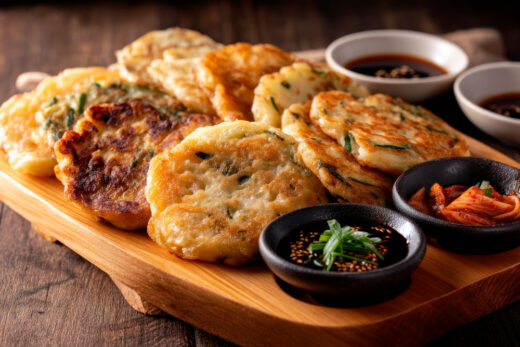
Ajvar: The Balkan Roasted Pepper Spread That Turns Simple Bread Into a Meal
Anshika Jain - September 22, 2026Klepon: Indonesia’s Green Rice Cakes With a Surprise Jaggery Centre
Anshika Jain - September 22, 2026Sopes: Mexico’s Small Corn-Based Street Food With Vegetarian Toppings
Anshika Jain - September 21, 2026

Chiroti: India’s Delicate Layered Sweet That Looks Like a Pastry
September 22, 2026
Pootharekulu: The Paper-Thin Indian Sweet That Looks Like Edible Silk
September 22, 2026


Leave a Comment