

Gozleme: Traditional Hand-Rolled Turkish Flatbread with Vegetarian Fillings

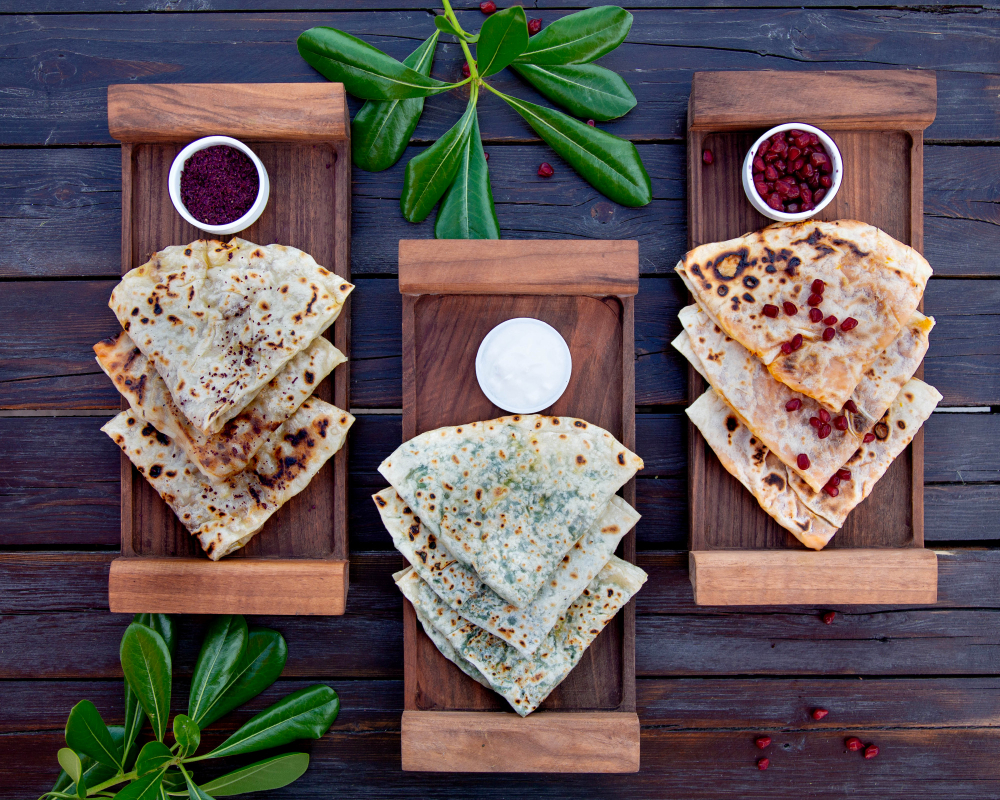
Turkish cuisine is known for its rich culinary traditions, regional ingredients and distinctive bread preparations. Among its most popular traditional foods is Gözleme, a thin, hand-rolled flatbread filled with ingredients such as spinach, cheese, potatoes and fresh herbs. Cooked on a large hot griddle until lightly browned, this savoury Turkish speciality is appreciated for its delicate outer layer and flavourful filling. It is commonly prepared in homes, served at local markets and enjoyed as a convenient street-food meal throughout Turkey.
Gözleme is particularly interesting for vegetarian food lovers because its traditional fillings can easily be prepared using vegetables, herbs and suitable cheeses. The dough is generally made from flour, water, salt and sometimes a small amount of oil or yoghurt, depending on the regional recipe. It is rolled into a thin sheet, filled with a prepared mixture, folded and cooked until the bread develops golden patches and the filling becomes warm and tender.
Unlike stuffed breads that are baked in an oven, Gözleme is traditionally cooked on a flat convex griddle called a sac. This cooking technique gives it a distinctive texture and appearance. The bread remains relatively thin, while the filling creates a satisfying centre. Whether prepared with spinach and cheese, potatoes or seasonal vegetables, vegetarian Gözleme offers a delicious introduction to Turkish home cooking.
The History and Cultural Background of Gözleme
Gözleme has a long association with the rural food traditions of Turkey, particularly the Anatolian regions. Its preparation reflects a practical approach to cooking in which simple ingredients are transformed into filling meals. Flour-based doughs have played an important role in Turkish food culture for centuries, and different regions have developed their own methods of preparing flatbreads, stuffed pastries and griddle-cooked breads.
Traditionally, Gözleme was prepared by rolling dough into thin sheets and filling it with ingredients available in the household. Vegetables, herbs, cheese and potatoes were commonly used because they were accessible and could be combined in different ways. The filled dough was then cooked on a hot metal surface, allowing families to prepare fresh food without requiring a large oven or complicated equipment.
In many Turkish villages, the preparation of Gözleme became a social activity. Women would prepare the dough, roll it into thin sheets and arrange the fillings before cooking the finished breads on a sac. This process was often associated with family gatherings, local celebrations and hospitality. The preparation technique was passed between generations, helping preserve traditional cooking knowledge.
Today, Gözleme is widely available in Turkish restaurants, cafés, markets and roadside food stalls. It is also popular among visitors exploring Turkish cuisine because it is freshly prepared and can be customised with different fillings. Although modern restaurants may offer several variations, the essential preparation remains connected to its traditional roots.
What Makes Gözleme Different from Other Flatbreads?
Gözleme is distinctive because it combines thin, hand-rolled dough with a savoury filling that is enclosed before cooking. Unlike ordinary flatbread, which is usually served separately from its accompaniments, Gözleme contains its filling within the bread itself. This makes it convenient to eat and suitable as a complete snack or light meal.
The dough is generally rolled much thinner than that used for many stuffed breads. This creates a delicate exterior that cooks quickly and develops characteristic golden-brown spots when placed on a hot griddle. The filling remains inside, allowing the flavours of vegetables, cheese and herbs to combine during cooking.
Another important characteristic is the cooking surface. Traditional Gözleme is prepared on a sac, a large, slightly convex metal griddle. The dough is placed directly on the heated surface and turned during cooking to ensure that both sides develop an even colour. The result is a bread that is lightly crisp in certain areas while remaining soft and flexible.
The variety of fillings also makes Gözleme different from many other Turkish breads. Spinach and cheese are among the best-known combinations, but potato, mushroom, herbs and other vegetables can also be used. This adaptability allows the dish to reflect seasonal ingredients and regional preferences.
Main Ingredients Used in Vegetarian Gözleme
The foundation of Gözleme is its dough. All-purpose wheat flour is commonly used because it produces a flexible mixture that can be rolled into thin sheets without tearing easily. Some recipes combine different types of flour, while others use whole-wheat flour for a slightly nuttier flavour and a more rustic texture.
Water helps bring the flour together and develop the dough. Salt enhances its flavour, while a small amount of vegetable oil can improve flexibility and make the dough easier to handle. Some variations include yoghurt, although this ingredient is not necessary for every traditional preparation. For a fully plant-based version, the dough can be made without dairy products.
Spinach is one of the most popular vegetarian fillings. It provides a fresh, slightly earthy taste and works well with onions, herbs and cheese. Fresh spinach should be washed thoroughly, chopped and cooked briefly to reduce its moisture. Excess water can make the filling wet and affect the texture of the bread.
Cheese is another important ingredient in many Gözleme recipes. Turkish white cheese, often known as beyaz peynir, is commonly used because of its salty and slightly tangy flavour. Feta can serve as an accessible alternative, although the taste and texture may differ. Vegetarian consumers should check that the cheese is made using suitable non-animal rennet.
Potatoes are frequently used to create a filling and comforting variation. Boiled and mashed potatoes can be combined with onions, parsley, black pepper and paprika. The mixture produces a soft centre that contrasts with the lightly crisp exterior.
Fresh herbs such as parsley, dill and spring onions provide aroma and additional flavour. These ingredients can be combined with vegetables and cheese to create a balanced filling without requiring complicated seasonings.
How Traditional Gözleme Dough Is Prepared
The quality of Gözleme depends greatly on the preparation of its dough. The process begins by placing wheat flour in a large mixing bowl and combining it with salt. Water is added gradually while the ingredients are mixed until a rough dough begins to form. A small amount of vegetable oil may be included to improve its flexibility.
The mixture is then kneaded until it becomes smooth and elastic. Kneading helps develop the gluten structure in wheat flour, allowing the dough to stretch without breaking. The dough should feel soft but should not stick excessively to the hands. If it is too dry, a little additional water can be added, while a small amount of flour can help manage excessive stickiness.
After kneading, the dough is divided into smaller portions and shaped into smooth balls. These portions are covered with a clean cloth or food-safe covering and left to rest. Resting allows the gluten to relax, making the dough easier to roll into thin sheets. It also helps prevent the dough from shrinking during shaping.
Once rested, each portion is rolled out on a lightly floured surface. Traditional Gözleme is thin, so the dough should be stretched carefully and evenly. The sheet should be large enough to hold the filling while leaving sufficient space around the edges for folding and sealing.
Popular Vegetarian Fillings for Gözleme
Spinach and Cheese Gözleme
Spinach and cheese Gözleme is one of the most recognised versions of this Turkish speciality. The combination brings together the freshness of leafy greens and the rich, salty flavour of cheese. Finely chopped spinach is mixed with crumbled white cheese, spring onions and parsley to create a balanced filling.
The spinach should be drained properly before use. If fresh spinach releases too much moisture during cooking, the inside of the flatbread may become soggy. Lightly cooking the spinach before combining it with cheese can help control its water content. The filling is then spread over one half of the rolled dough, leaving the edges clear for folding.
When cooked, the cheese softens and combines with the spinach, producing a savoury centre. This version is especially suitable for people who enjoy traditional Turkish flavours and prefer a filling that is both creamy and fresh.
Potato Gözleme
Potato Gözleme is a hearty variation that uses boiled potatoes as its main filling. The potatoes are mashed and mixed with sautéed onions, parsley, black pepper and paprika. The result is a soft, mildly spiced mixture that provides a satisfying texture.
The filling should be allowed to cool slightly before being placed inside the dough. Excessively hot potatoes can make the dough difficult to handle, while a very wet mixture may affect the final result. Some cooks add a little olive oil to improve the consistency and enhance the flavour.
Potato Gözleme is particularly suitable as a filling snack or light meal. Its simple ingredients make it easy to prepare at home, and the seasoning can be adjusted according to individual preferences.
Mushroom and Herb Gözleme
Mushroom Gözleme offers a deeper, earthy flavour. Mushrooms can be finely chopped and sautéed with onions, garlic and parsley until their moisture has reduced. Black pepper and a small amount of paprika can be added to strengthen the flavour.
The cooked mushrooms can be combined with suitable vegetarian cheese for a richer filling. Alternatively, they can be used on their own with herbs and vegetables for a completely dairy-free variation. Since mushrooms release water during cooking, they should not be placed inside the dough while still excessively moist.
This variation demonstrates how Gözleme can accommodate different vegetables while retaining its traditional preparation method.
Mixed Vegetable Gözleme
A mixed vegetable filling is another excellent vegetarian option. Finely chopped carrots, bell peppers, cabbage, spinach and onions can be sautéed together with garlic and fresh herbs. The vegetables should be cooked until tender but should retain some texture.
The combination provides different flavours and colours, making the finished flatbread visually appealing as well as satisfying. A small amount of cheese can be included if desired, or the filling can remain entirely plant-based.
Folding and Cooking Gözleme
Once the dough has been rolled and the filling is prepared, the next stage is assembling the flatbread. The filling is placed over one half of the dough, leaving a small border around the edges. The other half is folded over the filling, creating a semicircular or rectangular shape depending on the original sheet.
The edges are pressed gently but firmly to seal the filling inside. This is important because loose edges may allow ingredients to escape during cooking. The finished Gözleme should remain relatively flat so that the filling heats evenly and the bread cooks properly.
Traditionally, Gözleme is cooked on a sac. At home, a large flat skillet, cast-iron pan or griddle can be used as an alternative. The cooking surface should be heated before the prepared bread is placed on it. Gözleme is cooked on both sides until the surface develops golden-brown spots and the dough is fully cooked.
A small amount of plant-based oil or olive oil can be brushed onto the bread if desired. Some traditional preparations use little or no oil during cooking, relying mainly on the heated griddle. The cooking time depends on the thickness of the dough and the quantity of filling.
Once cooked, the flatbread is removed from the griddle and can be brushed lightly with olive oil or a suitable plant-based spread. It is commonly cut into smaller pieces before serving, making it easier to share.
The Importance of the Traditional Sac Griddle
The sac is an important part of traditional Gözleme preparation. It is a large metal cooking surface that distributes heat across the dough and allows the flatbread to cook quickly. Its shape and material contribute to the characteristic browned patches associated with the dish.
Cooking on a sac requires attention to temperature. If the surface becomes too hot, the outside may burn before the dough is fully cooked. If it is not hot enough, the bread may become dry and take too long to develop its characteristic colour. A consistent medium heat generally helps produce a soft interior and lightly crisp exterior.
Although modern kitchens may not have access to a traditional sac, a heavy skillet or flat griddle can provide a similar result. The important factors are even heat distribution, sufficient cooking space and careful turning. This makes Gözleme accessible to home cooks around the world.
Nutritional Value of Vegetarian Gözleme
The nutritional value of Gözleme depends on its dough, filling and cooking method. Wheat flour provides carbohydrates that supply energy, while whole-wheat flour can contribute additional dietary fibre. The filling determines much of the dish’s protein, vitamin and mineral content.
Spinach is a source of folate, vitamin K, vitamin A precursors and iron. Potatoes provide carbohydrates, potassium and vitamin C, while mushrooms contribute fibre and several micronutrients. Carrots and bell peppers add beta-carotene and vitamin C, making mixed vegetable fillings particularly varied.
Cheese can contribute protein and calcium, although its fat and sodium content should be considered. For a completely plant-based version, tofu or other suitable plant-based ingredients can be used instead. Tofu provides plant protein and can be seasoned with herbs and spices to create a flavourful filling.
The amount of oil used during cooking also affects the final nutritional profile. Gözleme cooked on a non-stick or well-seasoned griddle with limited oil can be lighter than versions prepared with generous amounts of fat. Serving it with fresh salad, yoghurt made from suitable vegetarian ingredients or a vegetable-based dip can create a more balanced meal.
How Gözleme Is Traditionally Served
Gözleme is usually served warm, shortly after cooking, when the exterior is lightly crisp and the filling remains soft. In Turkey, it is often accompanied by fresh vegetables, olives, yoghurt-based dips and traditional drinks such as Turkish tea or ayran. For a vegetarian version, all accompaniments should be checked to ensure that they meet the intended dietary requirements.
A simple tomato and cucumber salad can complement the richness of spinach and cheese Gözleme. Fresh lemon juice can add brightness, while a plant-based yoghurt dip with garlic and herbs provides a cooling contrast. Olive-based sauces and roasted vegetable accompaniments are also suitable.
The flatbread is frequently cut into triangular or rectangular pieces before serving. This makes it convenient to enjoy as a snack, share with family or serve as part of a larger meal. Its portable nature has also contributed to its popularity as a street-food item.
Tips for Making Perfect Vegetarian Gözleme at Home
The most important aspect of preparing good Gözleme is achieving a flexible dough. The dough should be kneaded properly and allowed to rest before rolling. If it is rolled immediately after kneading, it may resist stretching and shrink during preparation.
The filling should not be excessively wet. Spinach, mushrooms and other vegetables release moisture during cooking, so they should be drained or sautéed before being placed inside the dough. This prevents the flatbread from becoming soggy and makes it easier to seal.
Rolling the dough evenly is also important. Thick areas may remain undercooked, while extremely thin sections can tear. A consistent thickness allows the bread to cook uniformly and creates a balanced texture.
The cooking surface should be properly heated before placing the Gözleme on it. Medium heat is generally more suitable than very high heat because it gives the dough enough time to cook without burning. The bread should be turned carefully so that both sides develop an attractive golden colour.
For a completely vegetarian preparation, the cheese should be made with suitable vegetarian rennet, and the dough should not contain animal-derived fats. Plant-based oil should be used for cooking, and fillings should be prepared without meat stock or other animal-based seasonings.
Conclusion
Gözleme is a traditional Turkish flatbread that combines simple dough with delicious savoury fillings. Its hand-rolled preparation, thin texture and griddle-cooking technique make it a distinctive part of Turkey’s culinary heritage. The dish is especially suitable for vegetarian cooking because it can be filled with spinach, cheese, potatoes, mushrooms and a wide range of seasonal vegetables.
Its popularity reflects the flexibility of traditional Turkish food, where accessible ingredients are transformed into satisfying meals through careful preparation. Whether prepared with spinach and cheese, seasoned potatoes or mixed vegetables, Gözleme offers a balance of texture and flavour that appeals to different tastes.
For anyone interested in international vegetarian cuisine, Gözleme provides an opportunity to explore Turkish food culture through a practical and enjoyable recipe. Served warm with fresh vegetables, a suitable dip or a cup of Turkish tea, this traditional flatbread remains a delicious example of how simple plant-focused cooking can create a memorable culinary experience.
Online Internship with Certificate
You may be interested
Mchadi –Georgian Cornbread and a Taste of Vegetarian Georgian Cuisine
Anshika Jain - November 20, 2026Mchadi is a traditional Georgian cornbread prepared from a simple combination of cornmeal, water and salt. Known for its rustic appearance, firm texture and distinctive corn flavour,…
Msemen – Morocco’s Traditional Flaky and Layered Vegetarian Flatbread
Anshika Jain - November 20, 2026Msemen is one of Morocco’s most loved traditional flatbreads, known for its delicate layers, crisp exterior and soft, chewy interior. Prepared by stretching a simple dough into…
Panelle – Sicily, Italy: Crispy Traditional Chickpea Flour Fritters
Anshika Jain - November 20, 2026Italian cuisine is famous for its regional specialities, traditional ingredients and simple recipes that transform everyday foods into memorable culinary experiences. Among the most popular street foods…
Most from this category

Yachae Mandu: Korean Vegetable Dumplings Filled with Tofu and Mushrooms
Anshika Jain - November 20, 2026
Acaraje: A Traditional Vegetarian Black-Eyed Pea Fritter with African Heritage
Anshika Jain - November 20, 2026
Kolo: A Traditional Roasted-Grain Snack with Barley, Chickpeas and Peanuts
Anshika Jain - November 19, 2026
Yachae Mandu: Korean Vegetable Dumplings Filled with Tofu and Mushrooms
Anshika Jain - November 20, 2026Acaraje: A Traditional Vegetarian Black-Eyed Pea Fritter with African Heritage
Anshika Jain - November 20, 2026Kolo: A Traditional Roasted-Grain Snack with Barley, Chickpeas and Peanuts
Anshika Jain - November 19, 2026


Leave a Comment