

Unexpected Uses of Coconut in Vegetarian Food, Drinks and Desserts

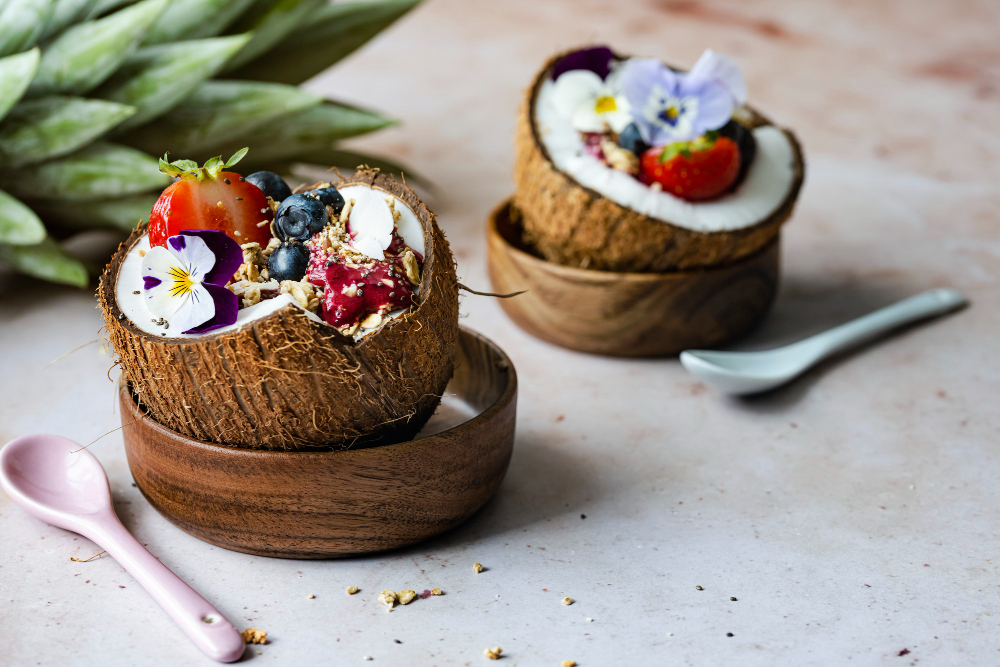
Coconut is one of the most versatile ingredients in vegetarian cuisine. Across tropical regions of Asia, Africa, the Caribbean, and the Pacific, different parts of the coconut have been used for generations in everyday cooking, festive foods, beverages, sweets, and traditional preparations. Coconut milk, coconut cream, grated coconut, coconut water, coconut oil, toasted coconut, and even coconut flour can each contribute a different texture, aroma, richness, or sweetness to a dish. Yet despite its familiarity, coconut continues to offer surprising possibilities in modern vegetarian food.
Many people primarily associate coconut with curries, chutneys, coconut rice, desserts, or refreshing coconut water. However, its culinary potential extends considerably further. Coconut can function as a creamy base without dairy, a natural thickener, a crunchy topping, a flavouring ingredient, a filling, a beverage component, or even a substitute for certain conventional ingredients. Its ability to move between savoury and sweet applications makes it particularly valuable in vegetarian cooking.
The growing interest in plant-based food has also expanded the role of coconut. Contemporary cooks increasingly use coconut milk in soups, coconut cream in sauces, coconut yogurt in breakfast dishes, coconut flour in baking, and coconut flakes in savoury recipes. At the same time, traditional cuisines continue to demonstrate inventive uses that existed long before modern plant-based food trends became popular. Exploring these applications reveals why coconut deserves recognition not merely as a tropical fruit, but as a complete culinary ingredient with remarkable versatility.
Coconut as More Than a Dessert Ingredient
The sweetness naturally associated with coconut sometimes causes it to be treated primarily as a dessert ingredient. In reality, coconut can provide a subtle richness to savoury food without making the dish sweet. Coconut milk, for example, can create a creamy texture in curries, soups, stews, and sauces while carrying the flavours of spices and herbs.
In South Indian cuisine, coconut has long been incorporated into savoury preparations ranging from chutneys and vegetable curries to rice dishes and gravies. In other culinary traditions, coconut milk forms the foundation of soups and stews, particularly where a balance of spice, acidity, and creaminess is desired. This demonstrates an important characteristic of coconut: its flavour is sufficiently adaptable to complement both strong spices and delicate ingredients.
The unexpected nature of coconut becomes particularly apparent when it is used in dishes where diners do not immediately identify it. A small amount of coconut milk can soften the intensity of chilli, balance acidity, and create a smoother mouthfeel without dominating the recipe.
Coconut Milk as a Creamy Vegetarian Base
One of the most useful forms of coconut is coconut milk. Made by extracting liquid from grated coconut flesh, it can provide body and creaminess to vegetarian dishes. Its richness makes it particularly useful in recipes where dairy cream would traditionally be used.
Coconut milk can transform ordinary vegetables into rich curries and stews. Vegetables such as pumpkin, sweet potato, cauliflower, mushrooms, spinach, peas, and eggplant can be cooked in coconut-based sauces with spices and herbs to create dishes with considerable depth.
It can also be used in soups. A vegetable soup based on carrots, squash, corn, mushrooms, or lentils can take on a completely different character when part of the liquid is replaced with coconut milk. The result can be creamy without requiring butter or dairy cream.
The versatility of coconut milk also allows it to work across different culinary traditions. It can be combined with Indian spices, Southeast Asian aromatics, Caribbean seasonings, or contemporary fusion ingredients, making it a useful bridge between regional cuisines.
Coconut in Vegetarian Curries
Coconut has a particularly strong presence in vegetarian curry traditions. Its creamy texture can balance chilli and acidic ingredients while allowing spices to remain prominent. In many coconut-based curries, the ingredient acts as a background foundation rather than the dominant flavour.
Vegetables cooked with coconut milk can develop a rich sauce while retaining their individual characteristics. Root vegetables can provide sweetness, leafy greens can introduce freshness, and legumes can contribute protein and structure. Coconut helps connect these components into a cohesive dish.
Dry coconut can also be used differently from coconut milk. Grated coconut can be combined with spices and vegetables to create preparations with a lighter texture. Toasting the coconut before adding it can introduce nutty aromas and deepen the flavour.
Coconut as a Natural Thickener
Another less obvious use of coconut is its ability to provide thickness to vegetarian recipes. Coconut cream can add body to sauces and soups, while finely ground coconut can contribute texture to gravies and fillings.
This characteristic is useful in plant-based cooking because achieving richness without dairy can sometimes require several ingredients. Coconut can perform multiple functions simultaneously by adding fat, creaminess, aroma, and thickness.
Coconut can also be combined with nuts, seeds, lentils, or vegetables to create sauces with complex textures. Instead of relying entirely on flour or starch to thicken a preparation, cooks can use coconut as part of the structural foundation of the dish.
Coconut in Vegetarian Snacks
Coconut also has a surprising role in snacks. Freshly grated coconut can be mixed with spices, herbs, vegetables, or grains to create fillings and toppings. In many regional cuisines, coconut is used inside savoury steamed or fried foods, where its natural richness contrasts with spices.
Coconut-based fillings can work particularly well with ingredients such as green chilli, coriander, ginger, sesame, peanuts, and curry leaves. The resulting mixture can be used inside dumplings, stuffed breads, savoury pastries, or steamed preparations.
Toasted coconut provides another possibility. When lightly toasted, coconut develops a deeper aroma and slightly crisp texture. It can be sprinkled over salads, roasted vegetables, grain bowls, or savoury snacks to provide a crunchy contrast.
Coconut Chutneys Beyond the Familiar
Coconut chutney is widely associated with South Indian food, but the basic concept can be adapted in numerous ways. The Coconut can serve as a neutral base for different combinations of herbs, spices, vegetables, and fruits.
A traditional coconut chutney may rely on green chilli, ginger, coriander, curry leaves, or roasted lentils, but modern variations can introduce ingredients such as mint, beetroot, roasted vegetables, mango, pineapple, or citrus.
This demonstrates how coconut can function as a flavour carrier. Its creamy texture allows sharper ingredients to become more balanced, while its mild character makes it possible to experiment with contrasting flavours.
Coconut in Vegetarian Rice Dishes
Rice and coconut have a long culinary relationship across tropical regions. Coconut can be incorporated into rice through coconut milk, grated coconut, coconut oil, or toasted coconut.
Cooking rice in coconut milk can produce a fragrant and creamy preparation that works with vegetables, legumes, herbs, and spices. Coconut rice can also be served alongside spicy curries because its relatively mild flavour can provide contrast.
Grated or toasted coconut can be mixed into cooked rice to create a different texture. When combined with ingredients such as lemon, curry leaves, mustard seeds, or roasted nuts, coconut can turn a simple rice preparation into a distinctive regional dish.
Coconut Water as a Beverage Ingredient
Coconut water is commonly consumed on its own as a refreshing drink, but it can also be used as a base for creative vegetarian beverages. Its naturally light flavour allows it to be combined with fruits, herbs, spices, and citrus.
Coconut water can be used in fruit coolers, smoothies, chilled herbal drinks, and non-alcoholic mocktails. Its subtle sweetness makes it suitable for combinations with ingredients such as pineapple, watermelon, lime, mint, ginger, or cucumber.
It can also replace plain water in certain beverage preparations when a more tropical flavour is desired. This is particularly useful in summer drinks where freshness and lightness are more important than richness.
Coconut in Smoothies and Plant-Based Drinks
Coconut milk and coconut water offer two very different approaches to smoothie preparation. The Coconut water creates a lighter drink, while coconut milk or coconut cream produces a thicker and more substantial beverage.
Fruit combinations can be especially effective. Banana, mango, pineapple, berries, and citrus can be paired with coconut-based ingredients to create different flavour profiles. Spices such as cinnamon, cardamom, ginger, and nutmeg can introduce additional complexity.
Coconut can also be combined with oats, dates, seeds, or nut butters to create breakfast-oriented smoothies. In such preparations, coconut is not merely a flavouring but contributes to the overall texture and structure of the drink.
Coconut as a Dairy Alternative
The rise of plant-based diets has made coconut especially relevant as an alternative to certain dairy ingredients. Coconut milk, coconut cream, coconut yogurt, and coconut-based beverages can be used in different recipes where dairy would traditionally appear.
Coconut cream can be incorporated into desserts and sauces, while coconut yogurt can be served with fruit, granola, or breakfast bowls. Coconut-based beverages can also be used in smoothies, cereal, and baking.
However, coconut should not be considered nutritionally identical to dairy. Different coconut products have different nutritional compositions, and consumers should choose products according to their dietary needs rather than assuming that all plant-based alternatives provide the same nutrients.
Coconut in Traditional Indian Sweets
The role of coconut in Indian sweets is extensive. Grated coconut, coconut milk, coconut sugar, and coconut-based fillings appear in numerous regional preparations.
Coconut ladoos, modak-style fillings, coconut barfi, and various rice-and-coconut sweets demonstrate how the ingredient can provide both texture and natural richness. In some preparations, coconut is combined with jaggery, producing a deep caramel-like sweetness.
The combination of coconut and jaggery is particularly important because it demonstrates how relatively simple ingredients can create complex flavours. Coconut contributes richness and texture, while jaggery provides a darker sweetness with a distinctive aroma.
Coconut in Steamed Desserts
It is especially well suited to steamed desserts because its texture remains rich while the surrounding ingredients become soft and moist. Coconut-based fillings can be incorporated into rice-flour dumplings, steamed cakes, and other traditional sweets.
The contrast between a soft outer layer and a sweet coconut filling creates an appealing eating experience. Spices such as cardamom can be added to enhance the aroma, while sesame or nuts can provide additional texture.
These desserts demonstrate the importance of coconut in festive food traditions, particularly in regions where coconut is widely cultivated and naturally available.
Coconut in Modern Baking
Modern vegetarian baking has expanded the possibilities for coconut considerably. The Coconut flour, desiccated coconut, coconut flakes, coconut milk, and coconut oil can each be incorporated into different baked products.
Coconut flakes can provide texture to cookies, cakes, granola, and energy bars; Coconut milk can add moisture to cakes and muffins, while coconut flour can contribute a distinctive texture and flavour.
Coconut can also work particularly well with chocolate, banana, pineapple, mango, vanilla, and warm spices. These combinations allow traditional tropical flavours to be incorporated into contemporary baking.
Coconut in Ice Cream and Frozen Desserts
Coconut milk is naturally suited to frozen desserts because its creamy consistency can provide richness without conventional dairy. Coconut-based ice creams and frozen desserts can be flavoured with fruits, spices, chocolate, coffee, vanilla, or nuts.
The ingredient also works well in frozen pops and chilled desserts. Coconut water can produce lighter frozen treats, while coconut cream creates a richer texture.
This distinction shows how different parts and forms of the coconut can serve entirely different culinary functions. Coconut water and coconut cream come from the same fruit but can produce very different dessert experiences.
Coconut Sugar and Alternative Sweetening
It has gained attention as an alternative sweetener in modern food culture. It is produced from the sap of coconut palm flower stalks rather than directly from coconut flesh.
Its flavour is often described as caramel-like, making it suitable for baking, beverages, sauces, and desserts. However, being a different type of sugar does not automatically make it a low-sugar or health food. It remains a sweetening ingredient and should be used accordingly.
Its culinary value lies primarily in its flavour and versatility. It can introduce a deeper sweetness into recipes where a darker sugar profile is desired.
Coconut in Salads and Savoury Bowls
One of the more unexpected uses of coconut is in salads and grain bowls. Freshly grated or toasted coconut can provide richness and texture without requiring a heavy dressing.
Coconut can be combined with leafy greens, roasted vegetables, grains, legumes, fruits, and seeds. A dressing containing coconut milk or coconut cream can also create a creamy alternative to conventional dairy-based dressings.
Toasted coconut is particularly useful because it provides a crisp texture that contrasts with soft vegetables or cooked grains. A small amount can therefore change the overall sensory experience of a dish.
Coconut as a Culinary Bridge Between Sweet and Savoury
Perhaps the most remarkable characteristic of coconut is its ability to move naturally between sweet and savoury food. The same ingredient can appear in a spicy curry at lunch and a sweet dessert at dinner.
This versatility comes from the fact that coconut has multiple forms, each with different culinary properties. Coconut water is light and refreshing, coconut milk is creamy, grated coconut is textured, coconut cream is rich, coconut oil is aromatic, and toasted coconut is nutty and crisp.
Instead of treating coconut as one ingredient with one flavour, modern cooking can approach it as a collection of related ingredients. This perspective opens up much greater culinary possibilities.
The Future of Coconut in Vegetarian Cuisine
The increasing popularity of vegetarian and plant-based cooking is likely to encourage further experimentation with coconut. Chefs and home cooks are already exploring ways to use coconut in sauces, beverages, desserts, baked foods, snacks, and fusion cuisine.
At the same time, traditional preparations continue to demonstrate techniques that modern cooking can reinterpret. The future of coconut-based cuisine may therefore involve a dialogue between regional culinary knowledge and contemporary food innovation.
Coconut’s adaptability makes it particularly well suited to this evolution. It can provide creaminess without dairy, natural flavour, texture, aroma, and visual appeal while remaining compatible with a wide range of ingredients.
Conclusion
Coconut is far more than a tropical ingredient used for occasional sweets or familiar curries. Its different forms allow it to participate in almost every stage of a vegetarian meal, from savoury starters and creamy curries to refreshing beverages, snacks, baked foods, and elaborate desserts. Its versatility comes from the remarkable number of usable components and preparations associated with the coconut.
Traditional cuisines have long demonstrated this versatility through coconut-based rice dishes, chutneys, curries, steamed sweets, fillings, and beverages. Modern vegetarian cooking is now expanding that repertoire through plant-based creams, smoothies, frozen desserts, dairy alternatives, creative sauces, salads, and contemporary baking.
The unexpected uses of coconut ultimately reveal a larger truth about food culture: familiar ingredients can contain far more possibilities than their most common applications suggest. Coconut can be creamy without being dairy, rich without being heavy, refreshing without being bland, and equally comfortable in a spicy curry or a delicate dessert.
Its continuing popularity therefore comes not simply from its tropical character but from its ability to adapt. As vegetarian cuisine continues to evolve, coconut is likely to remain an important ingredient connecting traditional culinary knowledge with modern creativity.
Online Internship with Certificate
You may be interested

Rooibos: South Africa’s Naturally Caffeine-Free Herbal Beverage
Anshika Jain - October 2, 2026Across the world, traditional beverages often tell stories about the landscapes, cultures, plants, and communities from which they originate. Rooibos is one such beverage. Native to South…

Butterfly Pea Tea: The Naturally Blue Beverage That Changes Colour
Anshika Jain - October 2, 2026Some beverages become popular because of their distinctive taste, while others attract attention because of their appearance. Butterfly Pea Tea belongs to the second category, although its…
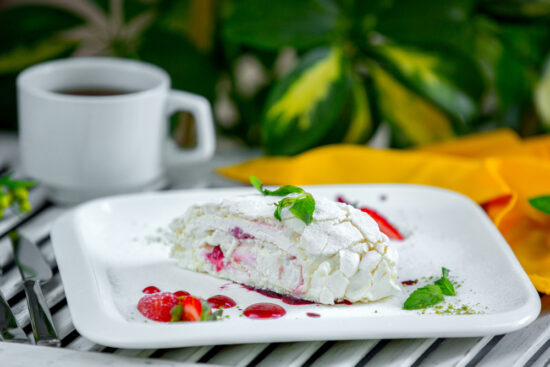
Malaiyo: Varanasi’s Seasonal Cloud-Like Milk Dessert
Anshika Jain - October 2, 2026India’s culinary heritage is filled with desserts that are closely connected to particular regions, seasons, ingredients, and traditions. Some sweets are available throughout the year, while others…
Most from this category
Kothimbir Vadi: Maharashtra’s Coriander-Based Snack With a Unique Texture
Anshika Jain - October 1, 2026Kozhukattai: South India’s Steamed Rice Dumpling With Sweet Fillings
Anshika Jain - October 2, 2026Undhiyu: Gujarat’s Seasonal Vegetable Dish and Its Festival Tradition
Anshika Jain - October 1, 2026


Malaiyo: Varanasi’s Seasonal Cloud-Like Milk Dessert
October 2, 2026

Leave a Comment