

Acaraje: A Traditional Vegetarian Black-Eyed Pea Fritter with African Heritage

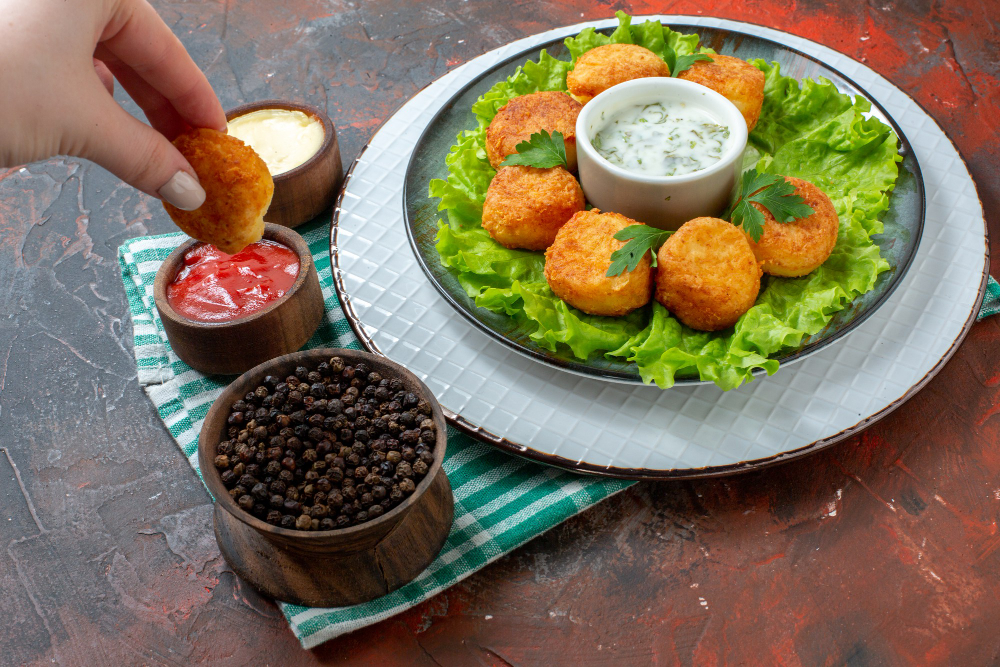
Brazilian cuisine is celebrated for its diverse ingredients, regional specialities and fascinating cultural influences. Among its most distinctive traditional foods is Acaraje, a deep-fried black-eyed pea fritter that originated in the northeastern state of Bahia. Recognised for its crisp golden exterior, soft interior and rich flavour, Acaraje represents an important connection between Brazilian food culture and West African culinary traditions. It is particularly associated with Salvador, a city where African heritage has deeply influenced local food, music, religion and everyday life.
Traditionally, Acaraje is prepared using peeled black-eyed peas that are ground into a thick mixture with onions and salt before being shaped and fried in dendê oil, also known as red palm oil. It is commonly served with fillings and accompaniments that vary according to local traditions. However, many conventional preparations contain shrimp or other seafood-based ingredients. A vegetarian version can retain the essential character of this iconic Brazilian dish by using vegetable-based fillings, plant-derived seasonings and frying oil that contains no animal-derived ingredients. This adaptation allows vegetarians to enjoy its distinctive texture and flavour while respecting the culinary heritage behind the recipe.
The Cultural History of Acaraje
Acaraje has a history closely connected with the African communities that shaped the culture of Bahia. Its culinary roots are associated with West African food traditions, particularly those of the Yoruba people. During the period of the transatlantic slave trade, African people brought their food knowledge, agricultural practices, cooking techniques and cultural traditions to Brazil. Over generations, these influences became an essential part of Bahian cuisine.
The preparation of bean fritters in hot oil has similarities with traditional West African foods made from cowpeas and other legumes. In Brazil, this culinary practice developed into Acaraje, which became particularly significant in Salvador. The dish is not simply a popular snack but also an important cultural symbol associated with Afro-Brazilian identity.
Acaraje is closely connected with Candomblé, an Afro-Brazilian religion whose traditions preserve elements of West African spiritual practices. Within this cultural context, the preparation and offering of certain foods can carry religious and symbolic meaning. Acaraje is associated with the orixá Iansã, also known as Oyá, and its preparation has historically been connected with particular religious customs.
The women who prepare and sell Acaraje, traditionally known as Baianas de Acaraje, have become important representatives of Bahian cultural heritage. Wearing distinctive traditional clothing, these vendors sell the fritters from street stalls throughout Salvador. Their work represents not only a culinary occupation but also the preservation of cultural knowledge passed from one generation to another. The tradition of Baianas de Acaraje is recognised as an important part of Brazil’s cultural heritage.
What Makes Acaraje Different from Other Bean Fritters?
Acaraje stands out because of its simple primary ingredient and distinctive preparation technique. Unlike many fritters made from wheat flour, potatoes or mixed vegetables, its main ingredient is black-eyed peas. These legumes are soaked, peeled and ground into a smooth, thick batter that develops its characteristic consistency when fried.
The peeling process is particularly important. Removing the outer skins produces a smoother mixture and helps create the soft interior associated with well-prepared Acaraje. The beans are traditionally processed until they form a thick paste, which is then combined with finely chopped onions and salt. The mixture is beaten to incorporate air before frying, helping the fritters develop a lighter texture.
Another defining characteristic is the use of dendê oil. This red palm oil gives traditional Acaraje its distinctive colour, aroma and flavour. Its rich, slightly earthy character contributes significantly to the identity of the dish. Unlike neutral vegetable oils, dendê has a recognisable taste that makes the fritters different from ordinary bean-based snacks.
The combination of a crisp outer layer, soft centre and aromatic cooking oil creates a satisfying contrast. When opened and filled with vegetables, the fritter becomes a complete snack with different textures and layers of flavour.
Main Ingredients Used in Vegetarian Acaraje
Black-eyed peas are the foundation of Acaraje. They provide the structure, texture and nutritional value of the fritters. Their mild, earthy flavour works well with onions, herbs, spices and vegetable fillings. Dried black-eyed peas are generally preferred for traditional preparation because they can be soaked and processed into the required consistency.
Onions are another essential ingredient. They add moisture, aroma and a gentle sweetness to the batter. Salt enhances the natural flavour of the beans, while optional garlic, black pepper and fresh herbs can be used in an adapted vegetarian recipe. However, the mixture should not become overloaded with seasonings because the black-eyed pea flavour should remain prominent.
Dendê oil is traditionally used for frying and contributes an important part of Acaraje’s identity. For a vegetarian preparation, the oil must be pure and free from animal-derived additives or flavouring ingredients. If dendê oil is unavailable, a suitable plant-based frying oil can be used, although the flavour will differ from the traditional Bahian version.
Vegetable fillings provide the opportunity to create a completely vegetarian interpretation. Ingredients such as tomatoes, onions, bell peppers, carrots, cabbage, okra, aubergine and fresh coriander can be prepared with suitable seasonings. These ingredients add colour, moisture and nutritional variety without requiring seafood, meat or animal-based stock.
How Traditional Acaraje Is Prepared
The preparation of Acaraje begins with soaking dried black-eyed peas. The beans are washed and left in water until they soften sufficiently for their skins to be removed. Depending on the beans and soaking conditions, this process may take several hours. Once softened, the outer skins are rubbed away by hand, and the beans are repeatedly rinsed to separate the skins from the peeled legumes.
The peeled beans are then ground into a thick paste. Traditionally, this is done using a grinding stone or similar equipment, although a food processor can be used at home. The mixture should be thick and relatively smooth, without becoming watery. Finely chopped onions and salt are added to the paste, after which the batter is beaten thoroughly. This step helps incorporate air and contributes to a lighter texture.
The batter is shaped into small, rounded or oval fritters using a spoon. These portions are carefully placed into hot plant-based frying oil. In traditional Bahian preparation, dendê oil is used, giving the fritters their characteristic golden-orange to reddish-brown colour. The fritters are turned during cooking so that they brown evenly and develop a crisp exterior.
Temperature control is important. If the oil is insufficiently hot, the fritters may absorb too much oil and become heavy. If it is excessively hot, the exterior may brown before the centre is properly cooked. Once the fritters are crisp and cooked through, they are removed and placed on a suitable draining surface to remove excess oil.
After cooling slightly, each fritter can be opened carefully to create space for a vegetable filling. The finished Acarae should have a crisp outside, a soft bean-based interior and a balanced combination of savoury flavours.
Creating a Completely Vegetarian Vegetable Filling
Traditional Acaraje is frequently served with accompaniments such as vatapá, caruru and spicy sauces. However, conventional recipes for these preparations may include shrimp, dried seafood or other animal-derived ingredients. Therefore, choosing a vegetarian filling requires checking the ingredients rather than assuming that every traditional accompaniment is plant-based.
A vegetable filling can be prepared using onions, tomatoes, bell peppers, carrots and cabbage. These vegetables are finely chopped and lightly sautéed in plant-based oil until they become tender while retaining some texture. Garlic, black pepper, paprika and fresh coriander can be added to create a flavourful mixture. A small amount of lemon juice can provide freshness and balance the richness of the fried fritter.
Okra is another suitable ingredient for a vegetarian interpretation. It is an important vegetable in several Brazilian and Afro-Brazilian culinary preparations. When cooked with tomatoes, onions and mild spices, it produces a rich, slightly thick vegetable mixture that works well inside Acaraje. Its texture provides a satisfying contrast to the crisp bean shell.
A plant-based version of vatapá can also be prepared using bread or another suitable thickening ingredient, coconut milk, peanuts, cashews, onions and spices. These ingredients can be blended and cooked into a creamy filling. Traditional vatapá recipes vary, and some contain shrimp or seafood stock, so a vegetarian version must be prepared separately with vegetable stock or water.
For a simpler filling, mashed aubergine with tomatoes, onions and herbs can provide a soft and savoury centre. Roasted vegetables are another option, particularly when the aim is to create a filling with deeper flavours. These variations preserve the idea of a generously filled fritter while keeping the preparation entirely vegetarian.
The Importance of Dendê Oil in Acaraje
Dendê oil, commonly known as red palm oil, is one of the most recognisable ingredients in traditional Bahian cooking. Extracted from the fruit of the oil palm, it has a deep orange-red colour and a strong aroma. Its distinctive flavour is an important reason why traditional Acaraje tastes different from other bean fritters.
The oil also contributes to the appearance of the dish. During frying, the fritters develop a rich golden or reddish exterior that makes them visually distinctive. Its flavour complements the earthy taste of black-eyed peas and the savoury character of onion-based fillings.
For a vegetarian preparation, it is important to ensure that the frying oil is entirely plant-derived. Pure dendê oil is vegetable-based, but packaged oils and prepared frying blends should still be checked for additional ingredients. The same care should be taken with sauces, stocks and seasoning mixtures used in the filling.
If dendê oil is unavailable, sunflower, canola or another suitable plant-based frying oil can be used. These alternatives are useful for home cooking, although they will not reproduce the traditional aroma and colour exactly. A small amount of pure dendê oil may be incorporated into a vegetable filling to introduce its characteristic flavour, provided the ingredient is suitable for the intended dietary requirements.
Nutritional Value of Black-Eyed Peas
Black-eyed peas are nutritious legumes that provide plant-based protein, dietary fibre, complex carbohydrates and several important minerals. Their nutritional composition makes them a useful ingredient in vegetarian diets, particularly for people looking to include more legumes in their meals.
Protein is important for the growth and maintenance of body tissues, while dietary fibre supports digestive health and contributes to feelings of fullness. Black-eyed peas also provide folate, iron, potassium and magnesium. Folate plays a role in normal cell division, while iron contributes to the formation of haemoglobin, which carries oxygen throughout the body.
The nutritional value of Acaraje depends on how it is prepared and served. The black-eyed pea batter provides the nutritional foundation, while vegetable fillings add additional fibre, vitamins and minerals. Ingredients such as tomatoes, carrots, cabbage and bell peppers contribute different nutrients and improve the variety of the meal.
However, deep-frying increases the fat and energy content of the final dish. The amount of oil absorbed depends on frying temperature, batter consistency and cooking time. Acaraje can therefore be enjoyed as part of a balanced diet, but its portion size and preparation method should be considered. Using fresh vegetable fillings and avoiding excessive oil absorption can help create a more balanced version.
Regional Identity and the Popularity of Acaraje in Brazil
Acaraje is particularly associated with Bahia, especially Salvador, where it has become an important part of the city’s street-food culture. It is commonly sold at traditional street stalls, where the preparation process itself is part of the experience. The sight of freshly fried fritters being opened and filled reflects a culinary tradition that has remained visible in everyday Brazilian life.
Although Acaraje is strongly identified with Bahia, its popularity extends beyond the region. Brazilian restaurants and food enthusiasts have introduced variations in other parts of the country and internationally. Its combination of legumes, frying techniques and vegetable-based accompaniments also makes it interesting to people exploring vegetarian and plant-forward cuisines.
The dish illustrates how food traditions evolve through migration, cultural exchange and local adaptation. African culinary knowledge became part of Brazilian cuisine and developed through the ingredients and social practices of Bahia. Modern vegetarian interpretations continue this process of adaptation while retaining the dish’s most recognisable characteristics.
How to Serve Vegetarian Acaraje
Vegetarian Acaraje is best served warm, shortly after frying, when the exterior remains crisp and the centre is soft. The fritters can be sliced or opened carefully and filled with a generous portion of prepared vegetables. A creamy plant-based filling can be added for richness, while fresh tomato, onion and coriander provide brightness.
A mild chilli sauce can be served alongside the fritters for people who enjoy additional heat. Brazilian cuisine includes several spicy condiments, but the level of spice can be adjusted according to personal preference. A squeeze of lime or lemon can also provide acidity that balances the richness of the fried bean mixture.
Acaraje can be enjoyed as a snack, an appetiser or a more substantial light meal when served with a generous vegetable filling. It pairs well with fresh salads and other plant-based accompaniments. For a complete vegetarian serving, every component should be checked to ensure that no shrimp, fish, meat stock, animal fat or other animal-derived ingredient has been included.
Tips for Preparing Better Vegetarian Acaraje at Home
Achieving the right texture begins with properly peeled black-eyed peas. Leaving too many skins in the mixture can affect its smoothness, while excessive water can make the batter difficult to shape. The beans should be drained thoroughly before grinding so that the mixture remains thick.
Beating the batter is equally important. A well-mixed batter incorporates air and helps create a lighter interior. However, it should still hold its shape when portions are transferred into the frying oil. If it becomes too loose, the fritters may spread and lose their characteristic form.
Maintaining a consistent oil temperature helps the fritters cook evenly. Small batches are generally easier to manage because adding too many portions at once can reduce the oil temperature. The fritters should be allowed to cook until their exterior is crisp and their centre is fully cooked.
The filling should not be excessively watery. Vegetable mixtures containing tomatoes or aubergine should be cooked until their moisture is reduced sufficiently. This prevents the inside of the fritter from becoming soggy. It is also better to fill the fritters shortly before serving rather than leaving them filled for a long period.
Finally, vegetarian preparation requires attention to ingredients that may not appear obviously animal-based. Commercial sauces, seasoning blends, stock cubes and ready-made fillings can contain seafood extracts, meat flavourings or animal fats. Using fresh vegetables, plant-based oils and homemade seasonings makes it easier to maintain a completely vegetarian recipe.
Conclusion
Acaraje is much more than a deep-fried bean fritter. It represents the influence of West African culinary traditions on Brazilian food culture and remains an important symbol of Bahia’s Afro-Brazilian heritage. Its distinctive preparation, black-eyed pea base and traditional use of dendê oil make it one of Brazil’s most recognisable regional specialities.
A vegetarian interpretation can preserve the essential character of the dish while replacing seafood-based accompaniments with fresh vegetables, okra, aubergine and plant-based creamy fillings. Using pure vegetable-derived frying oil and carefully checking every ingredient ensures that the preparation remains suitable for vegetarians.
With its crisp exterior, soft centre and flavourful vegetable filling, vegetarian Acaraje offers an enjoyable introduction to Brazilian cuisine. It also demonstrates how traditional dishes can be adapted thoughtfully without losing their cultural identity. For anyone interested in exploring international vegetarian food, this Bahian speciality provides a memorable combination of history, flavour, texture and culinary creativity.
Online Internship with Certificate
You may be interested
Mchadi –Georgian Cornbread and a Taste of Vegetarian Georgian Cuisine
Anshika Jain - November 20, 2026Mchadi is a traditional Georgian cornbread prepared from a simple combination of cornmeal, water and salt. Known for its rustic appearance, firm texture and distinctive corn flavour,…
Msemen – Morocco’s Traditional Flaky and Layered Vegetarian Flatbread
Anshika Jain - November 20, 2026Msemen is one of Morocco’s most loved traditional flatbreads, known for its delicate layers, crisp exterior and soft, chewy interior. Prepared by stretching a simple dough into…
Gozleme: Traditional Hand-Rolled Turkish Flatbread with Vegetarian Fillings
Anshika Jain - November 20, 2026Turkish cuisine is known for its rich culinary traditions, regional ingredients and distinctive bread preparations. Among its most popular traditional foods is Gözleme, a thin, hand-rolled flatbread…
Most from this category
Yachae Mandu: Korean Vegetable Dumplings Filled with Tofu and Mushrooms
Anshika Jain - November 20, 2026
Kolo: A Traditional Roasted-Grain Snack with Barley, Chickpeas and Peanuts
Anshika Jain - November 19, 2026
Panelle – Sicily, Italy: Crispy Traditional Chickpea Flour Fritters
Anshika Jain - November 20, 2026Yachae Mandu: Korean Vegetable Dumplings Filled with Tofu and Mushrooms
Anshika Jain - November 20, 2026Kolo: A Traditional Roasted-Grain Snack with Barley, Chickpeas and Peanuts
Anshika Jain - November 19, 2026


Leave a Comment