

Yachae Mandu: Korean Vegetable Dumplings Filled with Tofu and Mushrooms

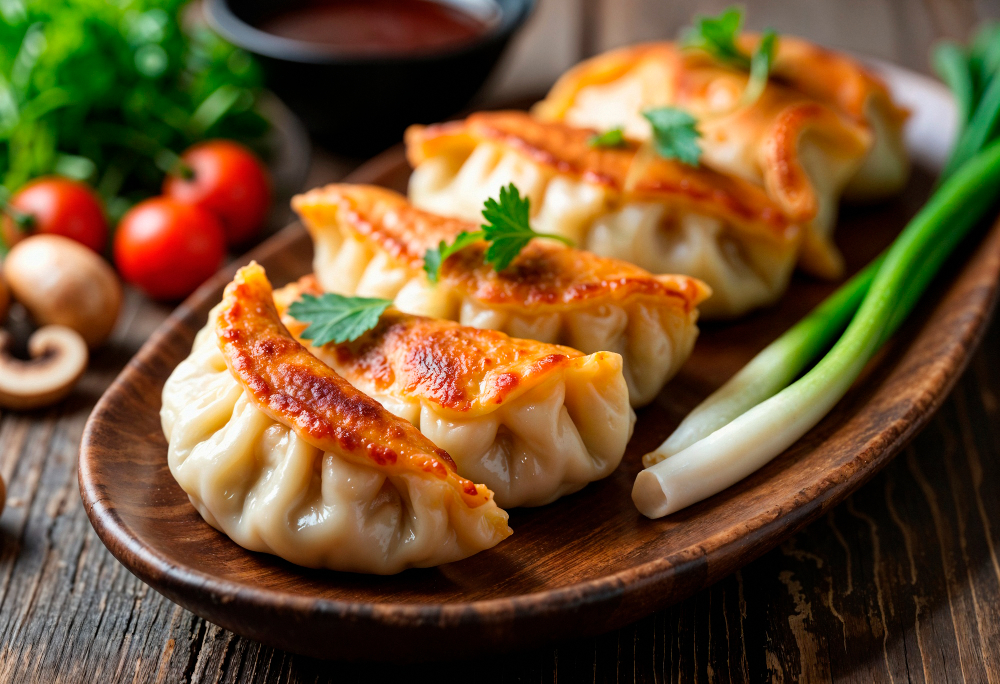
South Korean cuisine is widely appreciated for its balance of flavours, colourful ingredients and traditional cooking techniques. Among its most popular comfort foods is Mandu, a category of Korean dumplings prepared with different fillings and cooking methods. One particularly appealing vegetarian variety is Yachae Mandu, which features a delicious combination of tofu, mushrooms, cabbage, vegetables and glass noodles wrapped in thin dumpling skins. These dumplings are enjoyed as snacks, appetisers, side dishes and sometimes as part of a complete meal.
The word yachae means vegetables in Korean, while mandu refers to dumplings. Together, Yachae Mandu describes vegetable-filled Korean dumplings that offer a satisfying alternative to meat-based varieties. Their filling combines the softness of tofu, the earthy flavour of mushrooms, the freshness of cabbage and the delicate texture of glass noodles. When seasoned with garlic, ginger, sesame oil and soy sauce, these ingredients create a balanced mixture that is savoury without being excessively heavy.
Yachae Mandu can be steamed, boiled, pan-fried or deep-fried, making the dish adaptable to different preferences. A completely vegetarian version can be prepared using plant-based ingredients, vegetarian dumpling wrappers and sauces without fish extracts or other animal-derived additives. This makes it an excellent choice for people exploring Korean food while following a vegetarian diet.
The Cultural Background of Mandu in South Korea
Mandu has a long history in Korean food culture and is believed to have developed through culinary exchanges across East Asia. Similar dumpling traditions exist in China, Japan and other neighbouring regions, but Korean Mandu has developed its own distinctive fillings, seasonings and preparation styles. Over time, dumplings became an established part of Korean home cooking and festive meals.
Historically, Mandu was considered a special food because preparing it required several ingredients and considerable effort. Families often made dumplings together, particularly during important celebrations and seasonal occasions. Preparing the filling, shaping the wrappers and arranging the finished dumplings created an opportunity for family members to participate in a shared cooking activity.
Mandu is particularly associated with Korean celebrations such as Lunar New Year, known as Seollal. Dumplings are frequently added to Mandu-guk, a traditional Korean dumpling soup that is enjoyed during the holiday period. The soup is commonly prepared with dumplings, broth and other ingredients, although vegetarian households can create a plant-based version using vegetable stock.
Yachae Mandu represents the vegetable-focused side of this broader dumpling tradition. Although Korean dumplings are often filled with pork, beef or seafood, vegetable varieties have an established place in Korean cooking. They allow vegetables and tofu to become the central ingredients rather than simply serving as accompaniments to meat.
What Makes Yachae Mandu Different from Other Dumplings?
Yachae Mandu is distinguished by its vegetable-based filling and the variety of textures created by its ingredients. Unlike dumplings that depend mainly on meat for their flavour and structure, this vegetarian preparation combines several plant-based components to create a satisfying filling.
Tofu provides a soft, protein-rich base that absorbs the flavour of seasonings. Mushrooms contribute an earthy taste and a slightly firm texture, while cabbage adds freshness and natural sweetness. Glass noodles provide a delicate, chewy element that helps bind the different ingredients together. When these components are combined in the right proportions, the filling becomes moist but not watery.
The seasoning is another important feature. Garlic, ginger, soy sauce, sesame oil and spring onions are commonly used to create a savoury Korean-inspired flavour. Sesame oil provides a distinctive aroma, while soy sauce adds depth and saltiness. The vegetables retain their individual characteristics, allowing the filling to taste fresh rather than overly seasoned.
The cooking method also changes the final experience. Steamed Yachae Mandu has a soft wrapper and a delicate filling, whereas pan-fried dumplings develop a crisp bottom with a tender upper layer. Boiled dumplings are lighter and are often served in soups, while deep-fried versions have a crunchy exterior.
Main Ingredients Used in Vegetarian Yachae Mandu
Tofu is one of the most important ingredients in vegetarian Yachae Mandu. It provides plant-based protein and a soft consistency that works well with chopped vegetables. Firm or medium-firm tofu is generally suitable because it can be crumbled and mixed without becoming excessively watery. Before adding it to the filling, the tofu should be pressed gently to remove extra moisture. This helps prevent the dumpling mixture from becoming loose.
Mushrooms provide an earthy flavour that makes the filling more satisfying. Shiitake mushrooms are particularly suitable because they have a rich aroma and a firm texture. Button mushrooms, oyster mushrooms and other edible varieties can also be used. Finely chopping and lightly cooking the mushrooms helps release excess moisture while concentrating their flavour.
Cabbage adds volume, freshness and a mild sweetness. Korean napa cabbage is a suitable choice, although regular green cabbage can also be used. The cabbage should be finely chopped and lightly salted before being squeezed to remove excess water. This step is essential because excess moisture can weaken the filling and make the wrappers difficult to seal.
Glass noodles, known as dangmyeon in Korean cuisine, are traditionally made from sweet potato starch. They become transparent and chewy after cooking. Once softened, they can be drained, cooled and cut into small pieces before being mixed with the other ingredients. Their texture helps connect the tofu and vegetables, creating a cohesive filling.
Additional vegetables such as carrots, spring onions, garlic and chives can improve the flavour and colour. Carrots introduce a mild sweetness, while spring onions and chives provide freshness. Ginger can add gentle warmth, and sesame oil gives the filling its characteristic nutty aroma.
How to Prepare the Vegetarian Mandu Filling
The quality of Yachae Mandu depends heavily on preparing the filling correctly. The first step is to prepare the tofu. Firm tofu should be drained and pressed gently between clean kitchen towels to remove excess moisture. It can then be crumbled into small pieces so that it combines evenly with the vegetables.
The mushrooms should be cleaned and finely chopped. They can be sautéed in a small amount of plant-based oil until their moisture has reduced and their aroma becomes stronger. Cooking the mushrooms before mixing them into the filling prevents excess liquid from collecting inside the dumplings.
Cabbage should be finely shredded and mixed with a little salt. After resting briefly, it can be squeezed to remove the released water. This process improves the texture of the filling and makes the dumplings easier to shape. Carrots and spring onions can then be chopped finely so that all the ingredients are distributed evenly.
Glass noodles should be cooked according to the instructions on their packaging. Once softened, they should be drained thoroughly, cooled and chopped into shorter strands. Long noodles can make dumpling filling difficult to manage, so smaller pieces are more convenient.
All the prepared ingredients are combined in a mixing bowl with soy sauce, sesame oil, minced garlic, ginger and black pepper. The mixture should be stirred until the seasonings are evenly distributed. It should hold together when lightly pressed but should not be wet or runny. If excess moisture remains, it is better to remove it before filling the wrappers rather than adding large quantities of flour or other binding ingredients.
Shaping and Folding Yachae Mandu
Once the filling is ready, the next step is assembling the dumplings. Korean Mandu wrappers are generally round, thin sheets of dough made from wheat flour and water. Ready-made wrappers are convenient, but their ingredients should be checked to ensure that they do not contain animal-derived additives.
A wrapper is placed on a clean surface, and a small quantity of filling is added to its centre. The edges are lightly moistened with water to help them stick together. The wrapper is then folded in half to form a semicircle, and its edges are pressed firmly to seal the filling inside.
The dumplings can also be shaped with pleats along the edge. This traditional-style folding technique creates an attractive appearance and helps secure the wrapper. However, simple semicircular dumplings are equally suitable for home preparation. The most important requirement is that the edges remain tightly sealed so that the filling does not escape during cooking.
It is important not to overfill the wrappers. Too much filling makes the edges difficult to close and increases the possibility of tearing. A moderate amount allows the dumpling to retain its shape while providing a generous vegetable centre.
The finished Mandu should be placed on a lightly floured tray with enough space between each piece. This prevents the wrappers from sticking together before cooking. If the dumplings are being prepared in advance, they can be covered and refrigerated for a short period or frozen for later use.
Different Ways to Cook Yachae Mandu
One of the reasons Yachae Mandu is so popular is its versatility. The same vegetable filling can produce different results depending on the cooking technique. Each method changes the texture of the wrapper and creates a different eating experience.
Steamed Yachae Mandu
Steaming is one of the simplest ways to prepare vegetarian Korean dumplings. It allows the wrappers to become tender while keeping the filling moist. The dumplings are arranged in a steamer lined with parchment paper or cabbage leaves to prevent sticking. They are then steamed until the wrappers become soft and the filling is heated thoroughly.
Steamed Mandu is a suitable choice for people who prefer a lighter preparation without additional frying oil. Its delicate texture also allows the flavours of tofu, mushrooms and vegetables to remain prominent.
Pan-Fried Yachae Mandu
Pan-frying creates a contrast between a crisp bottom and a soft upper wrapper. The dumplings are first placed in a lightly oiled pan and cooked until their bases develop a golden colour. A small amount of water is then added, and the pan is covered so that the steam cooks the upper portion.
Once the water has evaporated, the dumplings continue cooking briefly until their bases become crisp. This method is especially popular because it combines the texture of fried food with the softness of steamed dumplings.
Boiled Yachae Mandu
Boiled Mandu is often used in Korean dumpling soups. The dumplings are gently placed in boiling water and cooked until their wrappers become tender and the filling is heated through. They can be served with a vegetarian broth made from vegetables, mushrooms, seaweed suitable for the dietary requirements, garlic and other plant-based ingredients.
Boiled dumplings have a softer texture than pan-fried or deep-fried varieties. They are particularly suitable for cold weather when served in a warm soup.
Deep-Fried Yachae Mandu
Deep-frying creates a crisp outer layer and a rich texture. The dumplings are placed carefully in hot vegetable oil and cooked until golden and crisp. The oil must be entirely plant-derived and should not have been used for frying meat, fish or seafood if strict vegetarian preparation is required.
Deep-fried Yachae Mandu can be served as a snack or appetiser with a suitable vegetarian dipping sauce. Since this cooking method adds more oil to the dish, it is generally richer than steaming or boiling.
Traditional Korean Flavours and Vegetarian Dipping Sauces
A good dipping sauce enhances the flavour of Yachae Mandu without overpowering its filling. Korean dumplings are commonly served with a combination of soy sauce, vinegar and other seasonings. A simple vegetarian dipping sauce can be prepared by mixing soy sauce with rice vinegar, sesame oil, finely chopped spring onions and a small amount of sesame seeds.
For people who enjoy spicy flavours, Korean gochugaru, or red chilli flakes, can be added. Gochujang, a fermented Korean chilli paste, is another possible ingredient, although its label should be checked for animal-derived additives. Some prepared sauces may contain fish extracts or other non-vegetarian ingredients.
Garlic, ginger and toasted sesame seeds can also provide additional depth. The balance between salty, sour, spicy and nutty flavours is important. The dipping sauce should complement the mild vegetable filling rather than dominate it.
A completely vegetarian meal should also use suitable vegetable stock when preparing Mandu soup. Traditional soup preparations may use meat-based broths, so checking the ingredients is necessary when ordering the dish at restaurants or purchasing packaged products.
Nutritional Value of Yachae Mandu
Yachae Mandu combines several ingredients that contribute different nutrients to a vegetarian diet. Tofu is a source of plant-based protein and contains minerals such as calcium and iron, depending on the type and method of preparation. It also provides a satisfying texture that makes vegetable dumplings more substantial.
Mushrooms contribute fibre and several micronutrients, while cabbage provides vitamin C, vitamin K and other beneficial plant compounds. Carrots add beta-carotene, which the body can convert into vitamin A. Spring onions and garlic contribute flavour as well as naturally occurring plant compounds.
Glass noodles mainly provide carbohydrates and help create the dumpling’s characteristic chewy texture. Their nutritional contribution depends on the ingredients used to manufacture them, so checking the packaging can be useful when comparing products.
The overall nutritional profile depends on the cooking method. Steamed or boiled dumplings generally require less added oil than deep-fried versions. Pan-fried Mandu can also be prepared with a moderate amount of plant-based oil. Serving the dumplings with fresh vegetables or a light soup can create a more balanced meal.
Yachae Mandu can therefore be a useful addition to a varied vegetarian diet. However, its nutritional value should not be judged only by the filling because wrapper size, portion size, sauces and cooking methods also influence the final meal.
Vegetarian Variations of Yachae Mandu
Although tofu, mushrooms, cabbage and glass noodles create a traditional-style vegetable filling, the recipe can be adapted using different combinations of plant-based ingredients. Spinach, zucchini, carrots and finely chopped broccoli can provide additional colour and variety. These vegetables should be cooked or drained appropriately before being mixed into the filling to prevent excess moisture.
For a richer mushroom flavour, shiitake and oyster mushrooms can be combined. Their different textures create a more complex filling, particularly when lightly sautéed with garlic and sesame oil. Finely chopped water chestnuts can also provide a crisp element, although they are optional.
A spicy variation can include Korean chilli flakes and a small amount of vegetarian gochujang. This creates a stronger flavour that pairs well with the mildness of tofu. For a more delicate version, the filling can focus on cabbage, tofu, carrots and spring onions with a lighter seasoning.
These variations show how Yachae Mandu can accommodate different tastes while retaining its defining identity as a Korean vegetable dumpling.
Tips for Preparing Perfect Yachae Mandu at Home
The most important factor in preparing good Yachae Mandu is moisture control. Tofu, cabbage and mushrooms can release water, which may weaken the filling and cause wrappers to tear. Pressing the tofu, squeezing the cabbage and cooking the mushrooms before mixing them together helps create a firm and manageable filling.
The dumpling wrappers should remain covered with a clean, slightly damp cloth while assembling the Mandu. This prevents them from drying out and becoming difficult to seal. The edges should be pressed carefully, without allowing filling to remain between the folded layers.
Cooking temperature should be adjusted according to the chosen method. Pan-fried dumplings need enough heat to develop a golden base without burning, while steamed dumplings should be cooked until their wrappers are tender and the filling is thoroughly heated. Deep-fried dumplings require careful oil-temperature control to prevent the exterior from browning too quickly.
For strict vegetarian preparation, it is equally important to examine packaged wrappers, sauces, chilli pastes and seasoning products. Some commercially available Korean condiments contain fish sauce, anchovy extract or other seafood ingredients. A homemade filling and dipping sauce made from clearly identified plant-based ingredients provide greater control over the final dish.
Conclusion
Yachae Mandu is a delicious example of how Korean cuisine combines simple ingredients to create food with remarkable flavour and texture. Filled with tofu, mushrooms, cabbage and glass noodles, these vegetable dumplings offer a satisfying vegetarian alternative to meat-based Mandu. Their versatility allows them to be steamed, pan-fried, boiled or deep-fried according to personal preference.
Beyond its taste, Yachae Mandu reflects the importance of dumplings in Korean home cooking and festive food traditions. Its vegetable-based preparation also demonstrates how traditional culinary techniques can be adapted to suit modern dietary preferences without losing their essential character.
Whether served with a savoury soy-vinegar dipping sauce, added to a warm vegetable broth or enjoyed as a crisp pan-fried snack, vegetarian Yachae Mandu offers a memorable introduction to South Korean cuisine. With fresh vegetables, properly prepared tofu and carefully selected plant-based seasonings, it can become a flavourful and nourishing addition to an international vegetarian food menu.
Online Internship with Certificate
You may be interested
Mchadi –Georgian Cornbread and a Taste of Vegetarian Georgian Cuisine
Anshika Jain - November 20, 2026Mchadi is a traditional Georgian cornbread prepared from a simple combination of cornmeal, water and salt. Known for its rustic appearance, firm texture and distinctive corn flavour,…
Msemen – Morocco’s Traditional Flaky and Layered Vegetarian Flatbread
Anshika Jain - November 20, 2026Msemen is one of Morocco’s most loved traditional flatbreads, known for its delicate layers, crisp exterior and soft, chewy interior. Prepared by stretching a simple dough into…
Gozleme: Traditional Hand-Rolled Turkish Flatbread with Vegetarian Fillings
Anshika Jain - November 20, 2026Turkish cuisine is known for its rich culinary traditions, regional ingredients and distinctive bread preparations. Among its most popular traditional foods is Gözleme, a thin, hand-rolled flatbread…
Most from this category
Acaraje: A Traditional Vegetarian Black-Eyed Pea Fritter with African Heritage
Anshika Jain - November 20, 2026
Kolo: A Traditional Roasted-Grain Snack with Barley, Chickpeas and Peanuts
Anshika Jain - November 19, 2026
Panelle – Sicily, Italy: Crispy Traditional Chickpea Flour Fritters
Anshika Jain - November 20, 2026Acaraje: A Traditional Vegetarian Black-Eyed Pea Fritter with African Heritage
Anshika Jain - November 20, 2026Kolo: A Traditional Roasted-Grain Snack with Barley, Chickpeas and Peanuts
Anshika Jain - November 19, 2026

Leave a Comment