

Panelle – Sicily, Italy: Crispy Traditional Chickpea Flour Fritters

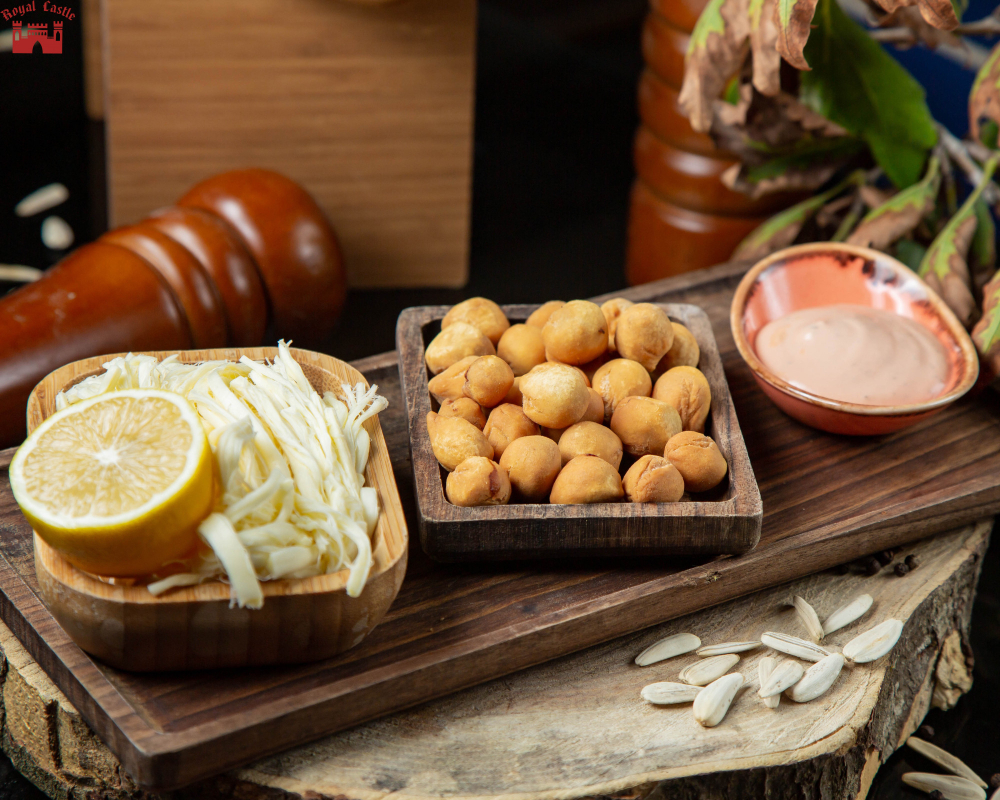
Italian cuisine is famous for its regional specialities, traditional ingredients and simple recipes that transform everyday foods into memorable culinary experiences. Among the most popular street foods of Sicily is Panelle, a crispy chickpea-flour fritter traditionally associated with the city of Palermo. Prepared using chickpea flour, water, salt and fresh herbs, Panelle is appreciated for its delicate flavour, golden exterior and soft interior. It is commonly enjoyed as a street-food snack or served inside a bread roll to create the famous Sicilian sandwich known as pane e panelle.
Panelle is an excellent example of traditional Mediterranean vegetarian cooking. Its preparation relies on a small number of plant-based ingredients, with chickpea flour providing the main structure and nutritional value. Unlike many fried snacks that depend on complicated batters or multiple ingredients, Panelle demonstrates how a simple mixture can become a satisfying dish through careful cooking and preparation. The fritters are particularly appealing because they are naturally vegetarian when prepared with vegetable-based frying oil and served without animal-derived accompaniments.
The popularity of Panelle extends beyond its ingredients. It represents the food culture of Palermo, where street vendors have prepared and sold these chickpea fritters for generations. Whether enjoyed on their own, with lemon juice or inside a freshly baked bread roll, Panelle offers a delicious introduction to Sicilian street food.
The History and Cultural Background of Panelle
Panelle has deep roots in Sicilian culinary history, particularly in Palermo, the capital of Sicily. The dish reflects the island’s long history of cultural exchange, during which different communities influenced its ingredients, agricultural practices and cooking techniques. Sicily experienced centuries of interaction with Greek, Roman, Arab, Norman and other Mediterranean cultures, creating a distinctive food tradition that combines diverse culinary influences.
Chickpeas have been cultivated and consumed across the Mediterranean and Middle East for centuries. Their ability to grow in relatively dry conditions and their nutritional value made them an important ingredient in traditional diets. The use of chickpea flour in cooked preparations became particularly useful because it could be transformed into filling foods without requiring expensive ingredients.
The historical development of Panelle is commonly associated with the Arab influence on Sicilian food culture. During the period of Arab rule in Sicily, agricultural knowledge and ingredients such as chickpeas became important parts of regional cooking. Over time, local communities developed different ways of preparing chickpea-based mixtures, eventually contributing to the fritters now recognised as Panelle.
In Palermo, Panelle became a popular and affordable food among workers, students and everyday residents. Street vendors traditionally prepared the mixture in advance, allowed it to cool and firm up, sliced it into thin pieces and fried it when customers ordered. This method made it possible to serve freshly cooked fritters quickly while maintaining their characteristic texture.
Today, Panelle remains an important symbol of Palermo’s street-food identity. It can be found in traditional food stalls, bakeries, markets and local eateries. Its continued popularity demonstrates how a simple vegetarian preparation can become an essential part of a region’s culinary heritage.
What Makes Panelle Different from Other Fritters?
Panelle is distinctive because chickpea flour forms almost the entire base of the preparation. Many other fritters are made with potatoes, wheat flour, vegetables or mixtures containing eggs and dairy products. Traditional Panelle, however, uses chickpea flour cooked with water and seasoning to produce a thick paste that becomes firm when cooled.
The preparation technique is particularly important. Instead of frying a loose batter directly, the chickpea mixture is first cooked until it thickens. It is then spread into a thin layer and allowed to cool. Once firm, the mixture can be cut into rectangular, oval or irregular pieces before frying. This produces fritters with a consistent shape and a characteristic texture.
Another defining feature is the contrast between the exterior and interior. Properly fried Panelle develops a crisp, golden surface while remaining soft and slightly tender inside. The natural flavour of chickpeas is mild and earthy, allowing herbs, salt and lemon juice to enhance the final taste without overpowering it.
Panelle is also versatile in the way it is served. It can be enjoyed as a simple snack, placed inside a bread roll, or served alongside salads and other Mediterranean dishes. This flexibility has helped it remain popular among people who appreciate both traditional street food and plant-based cooking.
Main Ingredients Used in Traditional Panelle
Chickpea flour, also known as gram flour or farina di ceci in Italian, is the primary ingredient. It is produced by grinding dried chickpeas into a fine powder. Its natural protein and starch content helps create the thick consistency required for Panelle. When mixed with water and heated, chickpea flour gradually forms a smooth paste that becomes firm after cooling.
Water is added gradually to the flour to prevent lumps from forming. The proportion of water determines the final consistency of the mixture. A properly prepared paste should be thick enough to spread but smooth enough to avoid a grainy texture. Cooking the mixture slowly while stirring continuously helps the starches hydrate and develop the required structure.
Salt enhances the natural flavour of chickpeas. Fresh parsley is frequently added to provide colour and a mild herbal aroma. Some variations use black pepper or other seasonings, although traditional preparations generally keep the flavour simple.
Vegetable-based frying oil is necessary for a vegetarian version. Sunflower, peanut or another suitable plant-derived oil can be used. In traditional street-food settings, it is useful to confirm that the oil has not been used for frying meat, fish or seafood when strict vegetarian preparation is required.
Fresh lemon is a popular accompaniment. Its acidity balances the richness of the fried fritters and brings out the earthy flavour of chickpea flour. The simplicity of these ingredients is one of the main reasons Panelle has remained an accessible and popular dish.
How Panelle Is Prepared
Preparing Panelle begins with mixing chickpea flour and water. The flour is gradually added to cold water while being whisked continuously. This prevents lumps from developing and creates a smooth mixture. Salt is added to enhance the flavour, and the mixture is then transferred to a saucepan.
The paste is cooked over medium to low heat while being stirred continuously with a wooden spoon or sturdy whisk. As the temperature increases, the mixture gradually thickens. This stage requires patience because chickpea flour can stick to the bottom of the pan if it is not stirred properly. The mixture should eventually become dense and smooth, with a consistency similar to thick mashed potatoes.
Once the paste has cooked sufficiently, finely chopped parsley can be incorporated. The mixture is then spread onto a clean, lightly oiled surface, baking sheet or suitable tray. It should be spread into a thin and even layer so that the fritters cook consistently after being cut.
The mixture must be allowed to cool completely until it becomes firm. Depending on its thickness and the surrounding temperature, this may take some time. Once set, it can be cut into small rectangles, squares or oval pieces. Traditional Panelle is often thin, which helps create a crisp exterior during frying.
The pieces are carefully placed into hot vegetable oil and fried until both sides become golden and crisp. They are then removed and allowed to drain on absorbent kitchen paper or a suitable rack. Fresh lemon juice can be added immediately before serving to provide a bright finishing flavour.
The Importance of Texture and Cooking Technique
The texture of Panelle depends on how carefully the chickpea mixture is prepared. If the flour and water are not combined properly, lumps can form and create an uneven final product. Gradually incorporating the flour into cold water and stirring continuously during cooking helps achieve a smooth consistency.
Cooking time also affects the result. If the paste is removed from the heat too early, it may not become firm enough to hold its shape after cooling. If it is cooked too long without sufficient moisture, it may become excessively dense and difficult to spread. The aim is to create a thick but workable paste that sets into a firm layer.
The thickness of the cooled mixture influences the final fritter. Thin pieces generally become crisp more quickly, while thicker pieces retain a softer centre. Both styles can be enjoyable, depending on personal preference.
Frying temperature is equally important. Oil that is too cool may cause the fritters to absorb excess oil, resulting in a heavy texture. Oil that is excessively hot can darken the outside before the inside is properly heated. Maintaining a consistent temperature helps achieve an evenly crisp surface.
Panelle should ideally be served shortly after frying. Although the fritters can be reheated, their crispness is usually best when freshly prepared. Allowing them to rest on a wire rack rather than stacking them while hot can help prevent trapped steam from softening the exterior.
Pane e Panelle: Sicily’s Famous Chickpea Sandwich
One of the most recognisable ways to enjoy Panelle is in a sandwich known as pane e panelle. This popular Palermo street food consists of freshly fried chickpea fritters placed inside a soft bread roll. The combination is simple but satisfying, bringing together the crisp texture of Panelle and the softness of bread.
Traditional sandwiches are often made using a local Sicilian bread roll, sometimes topped with sesame seeds. The fritters are placed inside while still warm, and fresh lemon juice is added to enhance their flavour. Some versions include croquettes made from potatoes, creating a variation commonly known as pane e panelle con crocchè.
A vegetarian sandwich can be prepared using a suitable bread roll, freshly fried Panelle and plant-based accompaniments. Tomato slices, lettuce, rocket leaves and lightly dressed onions can introduce freshness and additional texture. A homemade olive oil and lemon dressing can also complement the chickpea fritters.
The bread should be soft enough to hold the filling without overpowering it. A lightly toasted roll can provide additional texture, while a fresh roll creates a more traditional street-food experience. Since some commercially prepared breads may contain milk, butter or other animal-derived ingredients, checking the ingredients is important when preparing a fully plant-based version.
Nutritional Value of Chickpea Flour
Chickpea flour makes Panelle nutritionally interesting because it provides plant-based protein, dietary fibre and several important micronutrients. Unlike refined wheat flour, chickpea flour contains a comparatively higher amount of protein and fibre, making it a useful ingredient in vegetarian diets.
Protein supports the growth and maintenance of body tissues, while dietary fibre contributes to digestive health and helps promote fullness. Chickpeas also provide folate, iron, magnesium, phosphorus and potassium. These nutrients contribute to several normal body functions, including energy metabolism, oxygen transport and bone health.
Chickpea flour is naturally gluten-free, which makes traditional Panelle suitable for many people avoiding gluten. However, cross-contamination can occur during flour processing, preparation or frying. Individuals who require strict gluten avoidance should use certified gluten-free ingredients and clean cooking equipment.
The nutritional profile of Panelle changes after frying because the fritters absorb some oil. The amount depends on the oil temperature, thickness of the pieces and cooking time. Although chickpea flour provides useful nutrients, Panelle remains a fried snack and is best enjoyed as part of a varied and balanced diet.
Serving it with fresh vegetables or salad can add additional fibre, vitamins and minerals. A sandwich prepared with wholegrain bread and vegetable accompaniments can also create a more substantial meal.
Vegetarian Variations of Panelle
Traditional Panelle is already based on plant-derived ingredients, making it naturally suitable for vegetarian preparation when the frying oil and accompaniments are also vegetarian. However, modern home cooks can introduce small variations while retaining the dish’s essential character.
Fresh herbs such as parsley, coriander and finely chopped basil can provide different aromatic profiles. Parsley remains the most recognisable traditional choice, but other herbs can create interesting variations. Black pepper, smoked paprika and mild chilli can also be incorporated into the chickpea mixture for a slightly stronger flavour.
Finely chopped spinach can be added in moderate quantities to introduce colour and additional vegetable content. However, it should be cooked and drained properly before being mixed into the paste so that excess moisture does not affect the consistency. Similarly, grated carrots or finely chopped spring onions can create a more colourful version.
A Mediterranean-style variation can be served with roasted vegetables, tomato relish or an olive-based dressing. These additions complement the natural flavour of chickpeas while maintaining the dish’s vegetarian identity. For a completely plant-based preparation, there is no need to add eggs, milk, cheese or butter to the traditional mixture.
Panelle as a Popular Sicilian Street Food
Panelle is closely associated with the street-food culture of Palermo. Its popularity comes partly from its affordability and convenience. Chickpea flour is a relatively accessible ingredient, and the preparation method allows vendors to produce large quantities of fritters using a simple cooking process.
Traditional street vendors often prepare the chickpea mixture in advance and allow it to set before frying. When customers arrive, the pieces are fried quickly and served hot. This approach makes Panelle particularly suitable for busy markets and street stalls where freshly cooked food is expected.
The dish is also an example of how local food traditions preserve regional identity. Although Sicily has developed a sophisticated reputation for pastries, seafood, pasta and other specialities, Panelle demonstrates the importance of humble ingredients in everyday cooking. Its continued presence in Palermo’s food culture connects contemporary street food with generations of culinary practice.
For visitors exploring Sicily, trying Panelle offers an opportunity to experience a traditional local preparation rather than simply tasting another internationally popular Italian dish. Its distinct flavour and texture make it recognisable even though its ingredient list is remarkably simple.
Tips for Making Perfect Panelle at Home
The most important step in preparing Panelle is achieving a smooth chickpea mixture. Whisking the flour into cold water before heating helps prevent lumps. Once the mixture is placed over heat, continuous stirring is necessary to ensure that it thickens evenly and does not stick to the saucepan.
The cooked paste should be spread while it is still warm because it becomes firmer as it cools. Spreading it too thickly can make the fritters heavy, while an excessively thin layer may break during handling. A consistent thickness helps the pieces cook evenly.
Allowing the mixture to set completely before cutting is essential. If the paste is still soft, the pieces may lose their shape when transferred to the frying oil. A sharp knife or lightly oiled cutting tool can make it easier to produce neat portions.
The oil should be hot enough to crisp the outside without burning the fritters. Frying in small batches prevents the temperature from dropping suddenly. Once cooked, the fritters should be drained properly and served warm with lemon juice.
For strict vegetarian cooking, it is also important to use clean utensils and plant-based oil that has not been shared with non-vegetarian foods. These simple precautions help preserve the dish’s vegetarian character.
Conclusion
Panelle is a traditional Sicilian speciality that demonstrates how a few simple ingredients can create a distinctive and satisfying street-food experience. Made primarily from chickpea flour, water, salt and parsley, these golden fritters are appreciated for their crisp exterior, soft centre and mild earthy flavour. Their connection with Palermo’s street-food culture gives them an important place in the culinary identity of Sicily.
The dish is particularly suitable for vegetarian cooking because its traditional preparation does not require meat, fish, eggs or dairy products. Using plant-based frying oil and vegetarian bread or accompaniments makes it possible to enjoy Panelle as a completely vegetarian snack or sandwich.
Whether served fresh with lemon juice, placed inside a soft Sicilian-style bread roll or accompanied by Mediterranean vegetables, Panelle offers a simple yet memorable culinary experience. Its history, affordability and nutritional contribution from chickpeas make it more than an ordinary fritter. It is a reflection of Sicily’s diverse food heritage and the enduring appeal of traditional vegetarian street food.
Online Internship with Certificate
You may be interested
Mchadi –Georgian Cornbread and a Taste of Vegetarian Georgian Cuisine
Anshika Jain - November 20, 2026Mchadi is a traditional Georgian cornbread prepared from a simple combination of cornmeal, water and salt. Known for its rustic appearance, firm texture and distinctive corn flavour,…
Msemen – Morocco’s Traditional Flaky and Layered Vegetarian Flatbread
Anshika Jain - November 20, 2026Msemen is one of Morocco’s most loved traditional flatbreads, known for its delicate layers, crisp exterior and soft, chewy interior. Prepared by stretching a simple dough into…
Gozleme: Traditional Hand-Rolled Turkish Flatbread with Vegetarian Fillings
Anshika Jain - November 20, 2026Turkish cuisine is known for its rich culinary traditions, regional ingredients and distinctive bread preparations. Among its most popular traditional foods is Gözleme, a thin, hand-rolled flatbread…
Most from this category
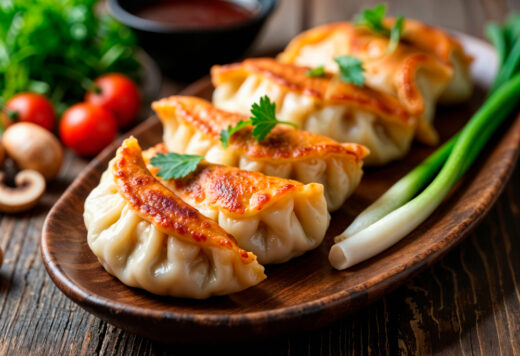
Yachae Mandu: Korean Vegetable Dumplings Filled with Tofu and Mushrooms
Anshika Jain - November 20, 2026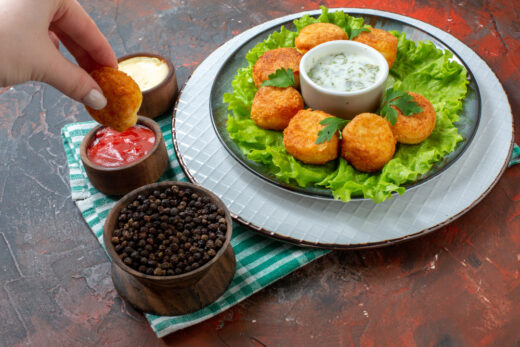
Acaraje: A Traditional Vegetarian Black-Eyed Pea Fritter with African Heritage
Anshika Jain - November 20, 2026
Kolo: A Traditional Roasted-Grain Snack with Barley, Chickpeas and Peanuts
Anshika Jain - November 19, 2026
Yachae Mandu: Korean Vegetable Dumplings Filled with Tofu and Mushrooms
Anshika Jain - November 20, 2026Acaraje: A Traditional Vegetarian Black-Eyed Pea Fritter with African Heritage
Anshika Jain - November 20, 2026


Leave a Comment