

Msemen – Morocco’s Traditional Flaky and Layered Vegetarian Flatbread

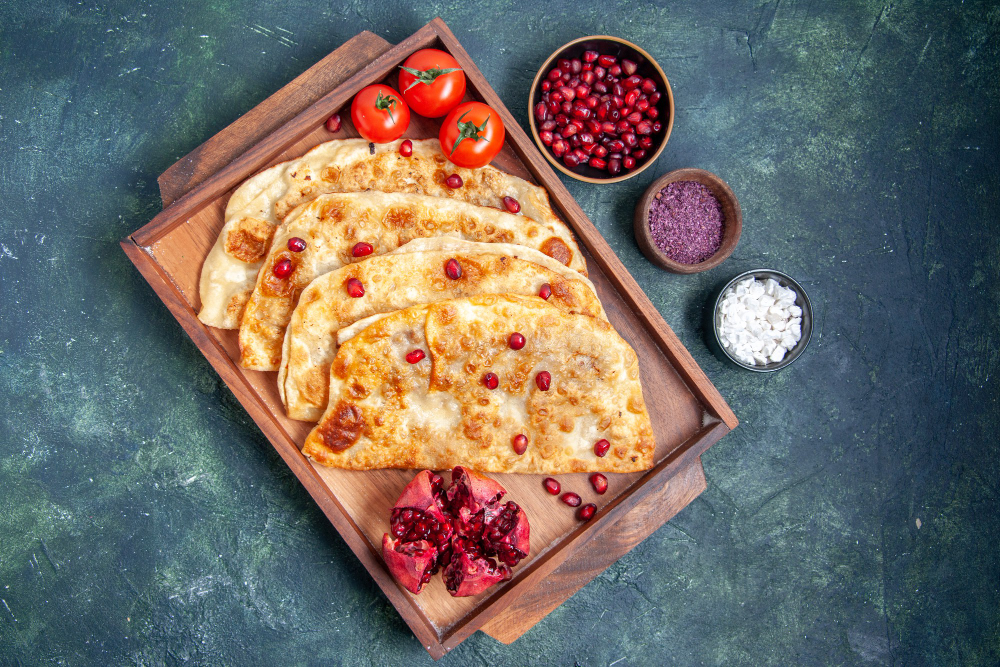
Msemen is one of Morocco’s most loved traditional flatbreads, known for its delicate layers, crisp exterior and soft, chewy interior. Prepared by stretching a simple dough into thin sheets, brushing it with oil or melted butter, and folding it into a square shape, Msemen is a distinctive example of how everyday ingredients can create a remarkable culinary experience. Its golden surface and layered texture make it different from ordinary flatbreads, while its mild flavour allows it to be enjoyed with both sweet and savoury accompaniments.
Popular across Morocco, Msemen is commonly prepared in homes, served at breakfast and enjoyed during afternoon tea. It is particularly associated with Moroccan hospitality, where freshly cooked bread is often shared with family members and guests. Although recipes and serving styles vary between regions and households, the essential preparation method remains centred on thinly stretched dough and repeated folding.
Msemen is naturally adaptable to vegetarian cooking. Its traditional basic ingredients include flour, semolina, water, salt and a small quantity of oil or butter. Some versions use yeast or other ingredients, while others rely on careful kneading and resting to develop the dough’s elasticity. For a completely vegetarian preparation, plant-based oil or verified vegetarian butter can be used. This makes Msemen suitable for people looking to explore Moroccan cuisine without using meat, fish or animal-derived ingredients that may not meet their dietary preferences.
The Cultural History of Msemen in Morocco
Moroccan food culture has developed through centuries of interaction between Amazigh, Arab, Andalusian and other North African culinary traditions. Bread occupies an important position in this food heritage, serving as an everyday staple as well as a symbol of sharing and hospitality. Different regions have developed their own bread-making techniques, shapes and cooking methods, reflecting local ingredients and family traditions.
Msemen belongs to a wider family of North African and Maghrebi flatbreads made by stretching, layering or folding dough. Its preparation demonstrates the importance of technique in traditional cooking. Instead of depending on complicated ingredients, the recipe transforms flour, water and fat through kneading, resting, stretching and folding. The result is a bread with a texture that combines crispness and softness.
In Morocco, Msemen is especially familiar as a breakfast food. Families may prepare it at home or purchase it from neighbourhood bakeries and street vendors. It is frequently served with honey, butter, jam or cheese, accompanied by Moroccan mint tea. In some households, it is also enjoyed as a savoury snack with vegetables, olives or other traditional accompaniments.
The bread is not limited to one particular occasion. It can be prepared throughout the year and is often associated with family gatherings, relaxed breakfasts and the hospitality offered to visitors. Its square shape and distinctive layers make it recognisable, while the flexibility of its fillings and accompaniments allows each household to develop its own preferred version.
What Makes Msemen Different from Ordinary Flatbread?
The most distinctive feature of Msemen is its layered structure. Many familiar flatbreads are rolled into a single sheet of dough and cooked directly on a hot surface. Msemen follows a different process in which the dough is stretched until it becomes extremely thin, coated with oil or butter, and folded several times to create multiple layers.
This folding technique produces a texture that is crisp on the outside but tender and slightly chewy inside. When cooked correctly, the individual layers remain distinguishable, giving the bread a delicate, flaky quality. The use of semolina during preparation can also contribute a subtle grainy texture and help prevent the stretched dough from sticking to the working surface.
The square shape is another identifying characteristic. After stretching, the dough is folded from different directions to create a compact square parcel. This shape helps preserve the layers during cooking and produces an attractive finished flatbread.
Msemen is sometimes compared with other layered breads, including Indian paratha and similar flatbreads from neighbouring North African countries. While these foods share certain techniques, their dough compositions, folding methods, cooking traditions and flavour profiles differ. Msemen has its own identity within Moroccan cuisine, particularly because of its thinly stretched dough and characteristic square folds.
Traditional Vegetarian Ingredients Used in Msemen
One reason for the popularity of Msemen is its simple ingredient list. The traditional dough generally uses wheat flour, fine semolina, water and salt. These ingredients are combined to create a smooth, elastic dough that can be stretched without tearing. Some recipes include a small amount of sugar or yeast, although neither is essential to every traditional preparation.
Oil or butter plays a particularly important role in developing the layered texture. It is applied between the thin sheets of dough during folding, helping separate the layers and preventing them from sticking together. Vegetable oil is a convenient vegetarian option, while butter can be used when a richer flavour is preferred. Those following a strict vegetarian diet should choose butter made with vegetarian-friendly ingredients and check that no animal-derived additives are included.
Fine semolina is often used both in the dough and during shaping. It can make handling easier and contributes to the characteristic texture. The type of flour also matters because the dough needs enough elasticity to stretch into a thin sheet without breaking.
For a fully vegetarian version, the recipe should avoid animal fat and any non-vegetarian additions. A simple combination of flour, semolina, water, salt and plant-based oil is sufficient to create traditional-style Msemen. This basic version is also naturally free from meat, fish and eggs.
Understanding the Dough and Its Texture
The quality of Msemen depends heavily on the preparation of its dough. Although the ingredients are uncomplicated, the process requires attention to consistency, kneading and resting time. The dough should be soft and flexible rather than dry or stiff. If it is too firm, stretching it into a thin sheet becomes difficult and the surface may tear. If it is excessively wet, it may stick to the worktop and become challenging to fold.
Kneading helps develop gluten in the wheat flour, which gives the dough the elasticity needed for stretching. A well-kneaded dough can be pulled into a thin layer without immediately breaking. This is essential because the characteristic layers of Msemen are created by stretching the dough rather than rolling it into a thick flatbread.
Resting is equally important. After kneading, the dough is divided into small portions, lightly coated with oil and left to rest. This allows the gluten structure to relax, making each portion easier to stretch. Skipping or shortening this stage can make the dough resistant and cause it to shrink while being shaped.
The finished dough should feel smooth and supple. When handled correctly, it can be stretched into a thin sheet that is almost translucent in places. This thinness is what allows the folded bread to develop its signature delicate layers during cooking.
How Traditional Moroccan Msemen Is Prepared
Preparing Msemen begins with combining wheat flour, fine semolina and salt in a mixing bowl. Water is gradually added while the ingredients are mixed until they form a cohesive dough. The dough is then kneaded until smooth and elastic. Depending on the flour and the amount of semolina used, the quantity of water may need slight adjustment.
Once kneading is complete, the dough is divided into equal-sized portions. Each portion is shaped into a small ball and coated lightly with vegetable oil. The dough balls are arranged on a greased tray, covered and allowed to rest. This resting period makes the dough easier to stretch and helps prevent tearing during shaping.
After resting, a clean work surface is lightly coated with oil. One dough ball is placed on the surface and gently flattened before being stretched outward using the hands. The goal is to create a very thin, broad sheet. The dough should be handled carefully so that it does not develop holes or tear excessively.
A thin layer of oil or melted vegetarian butter is spread across the stretched surface. Fine semolina may be sprinkled lightly over it to help separate the layers and contribute texture. The dough is then folded from one side towards the centre, followed by the opposite side. The remaining edges are folded in the same way, forming a compact square.
When ready, Msemen should have a lightly crisp surface with a soft, flaky interior. It is best served warm, when the layers are most noticeable and the aroma of freshly cooked dough is at its strongest.
The Importance of Stretching and Folding
Stretching and folding are the two most important techniques in Msemen preparation. Unlike conventional bread-making, where dough is often rolled into a uniform thickness, Msemen requires the dough to be spread into a very thin sheet. This process demands patience and a gentle touch.
The stretching stage determines how delicate the final layers will be. If the dough remains too thick, the finished bread may resemble an ordinary flatbread rather than a flaky, layered one. If it is stretched too aggressively, however, it may tear and become difficult to fold neatly. Allowing the dough to rest properly makes this stage much easier.
Folding creates the structure that gives Msemen its distinctive appearance. Oil or butter between the folds helps keep the layers separate during cooking. As the bread heats, moisture within the dough produces steam, while the fat helps create a tender texture between the layers. The result is a combination of crispness and softness that makes the bread particularly enjoyable.
The square folding technique also gives the bread a consistent shape. Although some cooks use slight variations in the folding pattern, the central idea remains the same: creating several thin layers within one compact piece of dough.
Different Vegetarian Ways to Enjoy Msemen
Msemen is traditionally enjoyed with sweet accompaniments, but its mild flavour makes it suitable for a variety of vegetarian combinations. One of the most familiar ways to serve it is with honey and butter. The warm bread absorbs some of the sweetness, creating a comforting breakfast dish. For a plant-based alternative, it can be served with maple syrup, date syrup or fruit-based spreads.
Jam is another popular accompaniment. Strawberry, apricot, orange and fig preserves provide a fruity contrast to the lightly savoury flatbread. The crisp surface and soft interior make it suitable for spreading with different toppings without overwhelming its original flavour.
For a savoury meal, Msemen can be served with fresh vegetables, olives and vegetarian cheese. A filling of sautéed onions, tomatoes, peppers and mushrooms can turn it into a more substantial snack. Spinach and cheese also work well, particularly when the filling is prepared separately and served alongside the bread.
It can also accompany Moroccan-inspired vegetable dishes. A serving of Msemen with a vegetable tagine, lentil preparation or chickpea stew creates a satisfying vegetarian meal. Its layered texture makes it suitable for soaking up sauces, while its mild taste complements aromatic spices.
Another option is to use Msemen as the base for a breakfast sandwich. It can be opened carefully and filled with cucumber, tomatoes, lettuce, olives and a vegetarian spread. This modern serving style does not replace the traditional approach but demonstrates how easily the bread can be adapted to contemporary eating habits.
Sweet Msemen and Its Place in Moroccan Breakfast Culture
Sweet Msemen is one of the most recognisable ways to enjoy this Moroccan flatbread. Its simple flavour provides an excellent base for ingredients such as honey, butter, jam and syrup. When served warm, the bread becomes slightly softer, allowing sweet toppings to spread easily across its surface.
Honey is particularly popular because its natural sweetness complements the lightly toasted flavour of the bread. A small amount of vegetarian butter can add richness, while fruit preserves introduce a more pronounced flavour. Some households also enjoy it with a cup of Moroccan mint tea, creating a familiar combination associated with relaxed mornings and hospitality.
The preparation of sweet Msemen does not necessarily require sugar in the dough itself. Its sweetness generally comes from the toppings added after cooking. This allows the same basic dough to be used for both sweet and savoury meals.
For a contemporary vegetarian breakfast, Msemen can be paired with fresh fruit, dates, nuts or a plant-based yoghurt alternative. These additions provide different textures and flavours while keeping the traditional flatbread at the centre of the meal.
Savoury Msemen and Modern Vegetarian Variations
Although sweet accompaniments are widely associated with Msemen, savoury variations are equally versatile. The bread can be enjoyed with a range of vegetables, herbs, pulses and vegetarian spreads. These combinations make it suitable for lunch, light dinners and snacks.
A vegetable-filled version can include finely chopped onions, bell peppers, carrots, spinach and mushrooms. The vegetables should be cooked until their moisture has reduced, because excessive liquid can make the dough difficult to handle and affect the final texture. Cumin, paprika, black pepper and fresh coriander can be used to add warmth and fragrance.
Potato-based fillings are another suitable option. Cooked potatoes can be mashed with herbs, onions and mild spices to create a soft filling. Chickpeas and lentils can also be incorporated for a more substantial preparation. When using fillings inside the dough, they should be added in moderate quantities so that the layers can remain intact.
Cheese-based variations are possible as well. Moroccan-style Msemen can be adapted with a vegetarian cheese filling, provided the cheese uses suitable vegetarian rennet. A mixture of cheese, spinach and herbs creates a balanced savoury flavour. Those following a vegan diet can replace dairy ingredients with plant-based alternatives and use vegetable oil instead of butter.
These variations demonstrate that Msemen is not restricted to one flavour profile. Its basic dough can be prepared in a traditional way and paired with different fillings or accompaniments depending on personal preference.
Nutritional Value of Msemen
The nutritional composition of Msemen depends on the ingredients, portion size and amount of oil or butter used during preparation. Its main ingredient, wheat flour, provides carbohydrates that supply energy. Semolina also contributes carbohydrates and some protein, while adding a characteristic texture to the dough.
The oil or butter used between the layers contributes fat and increases the overall energy content. A preparation made with a generous amount of butter or oil will generally contain more calories than one made with a lighter quantity. For this reason, portion size and cooking method can influence how Msemen fits into an everyday eating pattern.
The basic flatbread is not particularly high in fibre unless whole-wheat flour or a higher proportion of whole grains is used. A whole-wheat variation can provide additional dietary fibre, although the dough may require adjustments to achieve the same flexibility. Pairing Msemen with vegetables, chickpeas, lentils or fresh fruit can also make a meal more varied and nutritionally balanced.
Adding protein-rich vegetarian accompaniments, such as chickpea dishes, lentil preparations or suitable dairy products, can make the meal more filling. Fresh vegetables provide vitamins, minerals and fibre that are not present in large amounts in the basic bread itself.
Msemen can therefore be enjoyed as part of a balanced vegetarian diet. As with other breads prepared using oil or butter, moderation and the choice of accompaniments are important considerations.
Msemen Compared with Other Layered Flatbreads
Msemen shares certain characteristics with layered flatbreads from other parts of the world, but its preparation and cultural identity remain distinctly Moroccan. Indian paratha, for example, can also be layered with fat and folded before cooking. However, paratha recipes vary widely and may use different folding techniques, dough compositions and regional ingredients.
Another related bread is Rghaif, a term used in Morocco for certain types of flatbread, including preparations closely associated with Msemen. The terminology can vary according to region and household, and different Moroccan breads may have their own shapes and textures.
The similarity between these breads reflects a broader culinary tradition in which cooks have developed techniques for transforming basic dough into layered foods. Yet Msemen is particularly recognised for its square shape, thinly stretched dough and characteristic combination of crisp and chewy textures.
Understanding these similarities helps place Msemen within the wider world of flatbreads while appreciating the techniques and traditions that make it special to Morocco.
Common Mistakes to Avoid When Preparing Msemen
One of the most common difficulties when preparing Msemen is working with dough that has not rested for long enough. When the gluten remains too tight, the dough resists stretching and may shrink back towards its original shape. Allowing sufficient resting time makes it more flexible and easier to handle.
Another challenge is stretching the dough unevenly. Thick sections may remain dense after cooking, while excessively thin or torn areas can affect the structure of the finished bread. Gentle, even movements help create a more consistent sheet.
Using too much flour on the working surface can also affect the final texture. A light coating of oil is generally more suitable for stretching the dough. It reduces sticking while helping maintain the softness needed for folding. Semolina can be used carefully between layers, but excessive amounts may make the bread dry or gritty.
Cooking temperature is equally important. If the griddle is too hot, the exterior may brown before the inner layers have cooked properly. If the temperature is too low, the bread may become dry or lack the characteristic golden surface. Medium heat generally provides better control and allows the layers to cook more evenly.
Finally, adding excessive filling or fat can make the folded dough difficult to manage. A balanced quantity helps preserve the square shape and allows the bread to develop its characteristic texture.
Msemen in Contemporary Moroccan Food Culture
Msemen continues to hold an important place in Moroccan food culture while adapting to changing lifestyles and modern food preferences. Traditional preparation remains common in households, but the bread is also widely available from bakeries, cafés and street-food vendors. Its popularity comes partly from its simplicity and partly from the fact that it can be served in many different ways.
Modern cooks have experimented with whole-wheat flour, alternative oils, vegetable fillings and plant-based accompaniments. These adaptations make the bread accessible to people with different dietary preferences while preserving its central preparation technique. The square layered structure remains the defining feature, even when ingredients and fillings change.
Msemen has also attracted interest among people exploring international vegetarian food. It demonstrates how traditional dishes can be naturally adapted without losing their cultural character. A simple dough made from flour, semolina, water and salt can become a distinctive dish through technique, patience and careful cooking.
As interest in regional cuisines continues to grow, Moroccan flatbreads such as Msemen offer an opportunity to understand the relationship between food, family traditions and everyday hospitality. Its preparation also highlights the value of traditional cooking knowledge, in which texture and flavour are developed through skilled handling rather than complicated equipment.
Conclusion: Why Msemen Deserves a Place in Vegetarian Cuisine
Msemen is much more than an ordinary flatbread. Its delicate layers, golden exterior and soft interior represent a traditional Moroccan approach to transforming simple ingredients into something memorable. Through stretching, oiling and folding, a basic dough develops a texture that makes this bread distinctive within North African cuisine.
Its versatility is another reason for its lasting popularity. Msemen can be served with honey, jam and butter for breakfast, or paired with vegetables, chickpeas, lentils and vegetarian cheese for a savoury meal. A plant-based version can be prepared easily by using vegetable oil instead of butter and selecting suitable vegetarian accompaniments.
For people interested in international vegetarian food, Msemen provides a meaningful introduction to Moroccan culinary traditions. It combines accessible ingredients with a technique that rewards patience and practice. Whether enjoyed fresh from a griddle with Moroccan mint tea or served alongside a vegetable-based meal, this flaky square flatbread offers a delicious example of how traditional food can remain relevant across generations and cultures.
Online Internship with Certificate
You may be interested
Mchadi –Georgian Cornbread and a Taste of Vegetarian Georgian Cuisine
Anshika Jain - November 20, 2026Mchadi is a traditional Georgian cornbread prepared from a simple combination of cornmeal, water and salt. Known for its rustic appearance, firm texture and distinctive corn flavour,…
Gozleme: Traditional Hand-Rolled Turkish Flatbread with Vegetarian Fillings
Anshika Jain - November 20, 2026Turkish cuisine is known for its rich culinary traditions, regional ingredients and distinctive bread preparations. Among its most popular traditional foods is Gözleme, a thin, hand-rolled flatbread…
Panelle – Sicily, Italy: Crispy Traditional Chickpea Flour Fritters
Anshika Jain - November 20, 2026Italian cuisine is famous for its regional specialities, traditional ingredients and simple recipes that transform everyday foods into memorable culinary experiences. Among the most popular street foods…
Most from this category

Yachae Mandu: Korean Vegetable Dumplings Filled with Tofu and Mushrooms
Anshika Jain - November 20, 2026
Acaraje: A Traditional Vegetarian Black-Eyed Pea Fritter with African Heritage
Anshika Jain - November 20, 2026
Kolo: A Traditional Roasted-Grain Snack with Barley, Chickpeas and Peanuts
Anshika Jain - November 19, 2026
Yachae Mandu: Korean Vegetable Dumplings Filled with Tofu and Mushrooms
Anshika Jain - November 20, 2026Acaraje: A Traditional Vegetarian Black-Eyed Pea Fritter with African Heritage
Anshika Jain - November 20, 2026Kolo: A Traditional Roasted-Grain Snack with Barley, Chickpeas and Peanuts
Anshika Jain - November 19, 2026





Leave a Comment