

Hawaijar: The Pungent, Sticky Fermented Soybean Food of Manipur

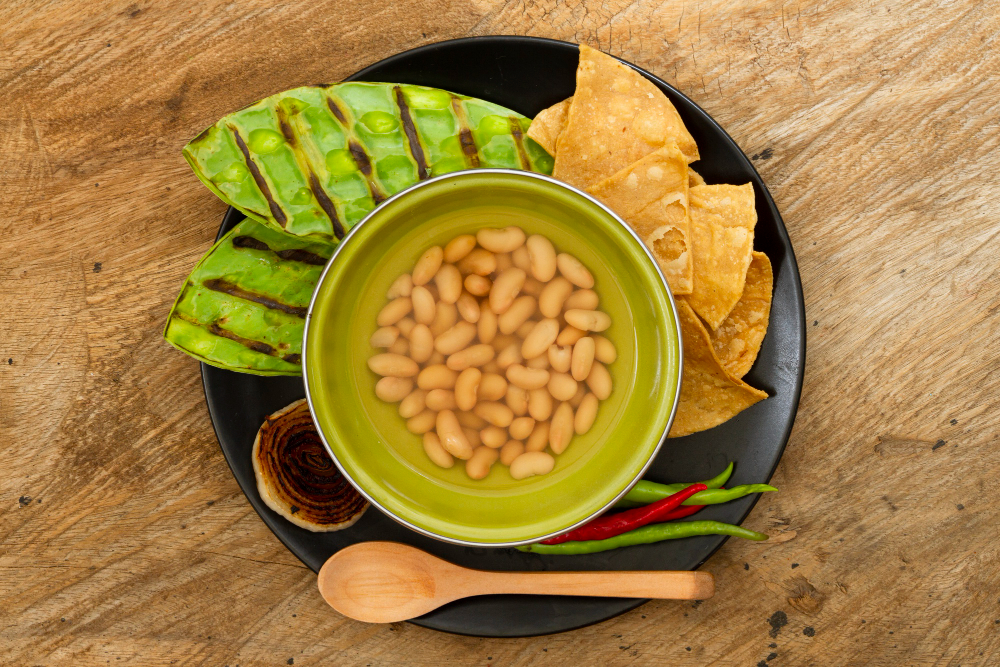
India’s culinary traditions include many fermented foods that reflect regional ingredients, environmental knowledge, and generations of food preparation. Among these distinctive preparations is Hawaijar, a traditional fermented soybean food from Manipur in Northeast India. Known for its pungent aroma, sticky texture, and rich savoury flavour, Hawaijar holds an important place in Manipuri food culture.
Unlike familiar soybean products such as tofu, soy milk, and soy chunks, Hawaijar undergoes microbial fermentation that significantly changes the beans’ texture, aroma, and chemical composition. The finished product is soft, moist, and characteristically mucilaginous. Its strong smell may surprise people unfamiliar with fermented soybean foods, but it contributes to its distinctive culinary identity.
Hawaijar is more than an unusual regional delicacy. It represents traditional knowledge about preserving and transforming food through fermentation. It also provides an affordable plant-based protein source for communities that have consumed it across generations. Scientific research has increasingly examined its microorganisms, nutritional characteristics, preparation methods, and potential food-safety concerns.
What Is Hawaijar?
Hawaijar is an indigenous fermented soybean preparation traditionally associated with the Meitei community of Manipur. It is generally made by cooking soybeans and allowing them to ferment under warm conditions. Traditional preparation methods use plant leaves and containers that support the fermentation process.
The resulting food is usually light yellow, greyish-yellow, or tan. Its texture becomes soft and sticky, while its aroma develops a strong fermented character. Hawaijar is generally alkaline and is commonly produced without adding salt during fermentation. These characteristics distinguish it from several other fermented soybean products.
Hawaijar shares similarities with foods such as natto from Japan, kinema from the Himalayan region, and thua nao from Thailand. These foods demonstrate how different communities have independently developed techniques for fermenting soybeans. However, each product has its own microbial characteristics, processing traditions, flavour profile, and culinary applications. Hawaijar therefore deserves recognition as a distinct regional food rather than simply an Indian version of another country’s fermented soybean dish.
The Cultural Importance of Hawaijar in Manipur
Food traditions often preserve knowledge that extends beyond recipes and ingredients. Hawaijar reflects the relationship between local communities, household food production, and everyday cooking in Manipur. Its preparation has traditionally relied on practical knowledge passed between generations.
Historically, household producers and small-scale vendors have played important roles in making Hawaijar available within local communities. Traditional knowledge helps producers recognise changes in aroma, texture, and appearance during fermentation. Such observations form part of a wider culinary heritage built through repeated experience.
Hawaijar also contributes to household economies. Small-scale production can provide income, particularly for rural women involved in preparing and selling traditional foods. Its local demand connects food heritage with livelihoods, community markets, and regional identity. Documenting these practices can help preserve traditional knowledge while supporting safer production and improved market access.
How Is Hawaijar Traditionally Prepared?
The preparation of Hawaijar begins with selecting suitable soybeans. Producers wash the beans and cook them thoroughly until they become soft enough for fermentation. Cooking is essential because it prepares the beans for microbial activity and improves their texture.
After cooking, excess water is drained, and the beans are allowed to cool sufficiently before packing. Traditionally, they may be placed in small bamboo baskets lined with leaves from plants such as banana or Ficus hispida. These leaves form part of the traditional preparation environment, while the basket helps hold the beans together.
The packed soybeans are then kept in a warm place to ferment. Traditional descriptions commonly report fermentation lasting approximately three to five days, although the precise duration varies with temperature, moisture, preparation practices, and the microorganisms present. During this period, microbial activity changes the beans’ structure and produces the characteristic aroma and sticky consistency.
As fermentation progresses, the soybeans become softer and develop a more pronounced smell. The appearance of mucilage is associated with the activity of particular bacteria. Traditional producers use sensory observations to judge the process, but appearance and smell alone cannot establish microbiological safety.
Modern research is investigating ways to improve consistency through controlled processing, suitable fermentation containers, and selected starter cultures. Such approaches could help preserve Hawaijar’s defining characteristics while reducing variations between batches. Nevertheless, traditional methods remain important for understanding the food’s cultural identity and historical production practices.
Why Does Hawaijar Have a Strong, Pungent Smell?
Hawaijar’s aroma is one of its most recognisable characteristics. For people accustomed to fresh soybeans or mildly flavoured foods, its pungency can seem intense. This smell develops because fermentation changes the chemical compounds naturally present in soybeans.
Proteins are broken down through microbial enzyme activity, producing smaller peptides and amino acids. Further biochemical reactions can generate volatile compounds that contribute to the product’s strong smell and savoury flavour. The exact aroma depends on the microorganisms involved and the conditions under which fermentation occurs.
Alkaline fermentation is particularly important in understanding Hawaijar. Certain bacteria, especially members of the genus Bacillus, can produce enzymes that break down soybean proteins and contribute to changes in pH and texture. Some metabolic products create the distinctive pungent notes associated with fermented soybeans.
The aroma is not necessarily an indication that the food has spoiled. Properly fermented Hawaijar naturally develops a pronounced smell. However, an unusually unpleasant or unexpected odour, visible mould, damaged packaging, or uncertain storage conditions should raise concerns. A strong aroma cannot confirm that a batch is safe, just as a familiar aroma cannot guarantee the absence of harmful microorganisms.
Understanding Hawaijar’s Sticky and Mucilaginous Texture
Hawaijar’s sticky consistency is another defining feature. The cooked beans develop a slippery coating that can stretch between individual soybeans. This texture is sometimes unfamiliar to people who have not tried alkaline-fermented soybean foods.
The consistency is linked to microbial activity during fermentation. Certain bacteria produce extracellular substances, including polysaccharides, that contribute to mucilage. These compounds change how the beans behave when stirred, pressed, or mixed with other ingredients.
Fermentation also softens the soybean structure. Recent research examining different processing stages found that soybean hardness decreased as preparation progressed. The final product displayed the soft, sticky characteristics associated with Hawaijar. The same study examined changes in phenolic compounds, flavonoids, tannins, and phytic acid.
This combination of softness and stickiness affects how Hawaijar is used in cooking. It can be mashed into a paste, mixed with seasonings, or incorporated into rice-based dishes and curries. Its texture also helps distribute its concentrated flavour throughout a preparation.
For those exploring unfamiliar foods, understanding this texture is important. Hawaijar is not intended to resemble fresh boiled soybeans. Its sticky consistency is a central feature of the fermentation process and its traditional culinary identity.
The Microorganisms Behind Hawaijar Fermentation
Microorganisms are responsible for transforming cooked soybeans into Hawaijar. Research has repeatedly identified bacteria belonging to the genus Bacillus as important members of its microbial community. These organisms can produce enzymes that act on proteins and other components of the soybean.
A study published in the International Journal of Food Microbiology examined Hawaijar samples collected from household preparations and markets in Manipur. It identified Bacillus species as predominant microorganisms. The researchers also described how traditional production differs from natto, which commonly uses a selected starter strain under more controlled conditions.
Traditional Hawaijar production often relies on naturally occurring microorganisms rather than a single defined starter culture. This approach connects fermentation with the surrounding environment, preparation materials, and household practices. However, natural fermentation can also produce differences between batches.
The microbial community may vary according to the soybean variety, cooking conditions, cleanliness of equipment, fermentation temperature, and duration. These factors influence aroma, texture, and the final product’s composition.
Scientists are studying selected microorganisms to understand how fermentation might become more predictable. Controlled starter cultures could help producers maintain desirable sensory qualities while improving quality control. However, any proposed starter must be appropriately identified and assessed for safety before practical use.
Nutritional Value of Hawaijar
Soybeans are widely recognised as a valuable plant-based source of protein. Because Hawaijar is made from soybeans, it can contribute protein to diets that include limited quantities of animal foods. It also contains other nutrients naturally present in soybeans, although the final composition depends on the ingredients and processing conditions.
Fermentation can change how nutrients and other soybean compounds behave. Microbial enzymes break down some complex molecules into smaller components. These transformations can affect digestibility, flavour, and the availability of certain nutrients.
A 2025 study published in Scientific Reports examined the effects of processing on Hawaijar made from two soybean varieties. The researchers reported increased phenolic and flavonoid measurements in the fermented product. They also observed substantial reductions in phytic acid and tannin levels under the studied conditions. The findings suggest that fermentation can influence the nutritional and physicochemical properties of soybeans.
Phytic acid can bind certain minerals and influence their absorption. Tannins are plant compounds that can interact with proteins and other dietary components. Reductions in these compounds may be nutritionally relevant, although the effects depend on the food’s overall composition and how it is consumed.
These findings should not be interpreted as proof that every Hawaijar batch has the same nutritional profile. Soybean variety, fermentation conditions, moisture content, and storage can all affect composition. More research is needed to establish consistent nutrient values across commercially available products.
Potential Health Benefits and the Limits of Current Evidence
Hawaijar has attracted scientific interest because fermentation may influence protein breakdown, bioactive compounds, and other functional properties. Researchers have investigated microbial enzymes and biological activities associated with fermented soybean foods. Such studies help explain why traditional fermented foods are receiving attention in nutrition and food science.
However, laboratory findings do not automatically establish health benefits in humans. For example, certain Bacillus strains can produce enzymes with fibrinolytic activity under experimental conditions. This does not mean eating Hawaijar prevents blood clots or treats cardiovascular disease.
Similarly, research into antioxidant activity does not prove that consuming the food prevents chronic illness. Outcomes depend on the specific compounds, their concentrations, digestion, absorption, and the wider dietary context. Evidence from laboratory experiments must be distinguished from well-designed human clinical studies.
Hawaijar can reasonably be discussed as a traditional, protein-rich fermented food with promising research questions. It should not be marketed as a medicine or a guaranteed source of therapeutic effects. Its value is best understood through its nutritional contribution, cultural importance, culinary versatility, and potential for further scientific investigation.
How Hawaijar Is Used in Traditional Cooking
Hawaijar is commonly eaten with steamed rice and used to add depth to savoury dishes. Its concentrated flavour means that relatively small amounts can influence an entire preparation. Cooks may combine it with chillies, onions, salt, and other ingredients to create a pungent accompaniment.
One notable traditional preparation is chagempomba, a Manipuri dish made with rice, vegetables, and other ingredients, which may include Hawaijar. The fermented soybean product contributes savoury depth and helps distinguish the dish from rice preparations made without it.
Hawaijar may also be incorporated into curries and vegetable dishes. Its soft texture allows it to blend into sauces or remain as small pieces, depending on the cooking method. The resulting flavour can be earthy, savoury, and intensely fermented.
Its role in traditional meals illustrates how fermentation can create a flavouring ingredient as well as a source of nutrition. Rather than being consumed only as a separate dish, Hawaijar becomes part of a wider cooking system built around rice, vegetables, chillies, and locally familiar ingredients.
Hawaijar Compared With Other Fermented Soybean Foods
Fermented soybean foods appear across several Asian culinary traditions. Although they share a basic ingredient, their processing methods and sensory qualities can differ considerably.
Japanese natto is famous for its sticky texture and distinctive aroma. It is generally produced using a selected Bacillus subtilis starter culture. Hawaijar, by comparison, has traditionally relied on naturally occurring microorganisms associated with its production environment.
Kinema, commonly associated with Nepal and parts of the eastern Himalayan region, is another alkaline-fermented soybean food. It shares some textural and flavour characteristics with Hawaijar, but its preparation traditions and regional uses differ.
Other fermented soybean products may rely on moulds, yeasts, or mixed microbial communities. Tempeh, for example, is commonly associated with fungal fermentation, while other regional products use different methods to develop their characteristic flavour and structure.
These differences demonstrate that fermentation is not a single process with one universal outcome. Microorganisms, temperature, moisture, containers, and preparation practices shape the final product. Hawaijar’s importance lies in its own regional history and distinctive culinary role, not simply its similarity to better-known international foods.
Food Safety and Proper Handling
Hawaijar’s nutritional and cultural value must be considered alongside food safety. Traditional fermentation can produce desirable flavours, but uncontrolled microbial growth may also create risks. This is especially important when production relies on spontaneous fermentation and storage conditions vary.
A comprehensive review published in Food Research International highlighted safety concerns associated with some Hawaijar samples. Researchers reported potentially harmful microorganisms, including Bacillus cereus and Proteus mirabilis, in certain samples. The review also discussed concerns involving toxin-related characteristics identified in microorganisms from Hawaijar. These findings do not mean every batch is unsafe, but they demonstrate why careful production and monitoring matter.
Safe preparation begins with clean equipment, suitable raw materials, thorough cooking, and hygienic handling after cooking. Fermentation should take place under controlled and appropriate conditions rather than relying solely on smell or appearance to judge readiness. Producers should also prevent contamination from hands, utensils, surfaces, and storage containers.
Consumers should purchase Hawaijar from producers who follow reliable hygiene practices. The product should be stored according to the supplier’s instructions, refrigerated when required, and consumed within its recommended period. Traditional shelf-life observations should not replace validated storage guidance for modern commercial products.
Cooking Hawaijar in a dish does not make poor-quality or contaminated food automatically safe. Some microbial toxins may not be reliably eliminated by ordinary cooking. People should avoid products with visible mould, damaged packaging, unexpected changes, or uncertain storage histories.
As production expands beyond local markets, food testing, traceability, appropriate packaging, and consistent processing standards can help protect consumers. These measures can support traditional producers without dismissing the value of their inherited knowledge.
The Future of Hawaijar: Traditional Knowledge Meets Food Science
Interest in regional fermented foods is growing as consumers explore plant-based protein sources and distinctive culinary experiences. Hawaijar offers opportunities for cultural documentation, food research, and responsible product development.
Scientific studies could help establish more consistent fermentation conditions and identify microbial strains responsible for desirable sensory qualities. Improved processing may also help producers understand how soybean varieties influence texture, nutrient composition, and fermentation outcomes.
Commercial development could introduce Hawaijar to consumers beyond Manipur through better packaging, clear labelling, and reliable distribution. However, expanding its market should not require erasing its regional identity. Information about its origin, preparation traditions, flavour, and culinary uses can help consumers appreciate the product respectfully.
Food businesses and researchers also have an opportunity to work with traditional producers. Such partnerships could support training, testing, fair market access, and the preservation of local knowledge. Any modernisation should prioritise consumer safety while recognising the people who have maintained this food tradition.
Hawaijar’s future will depend on balancing authenticity with consistency. Careful research and responsible production can help the food reach wider audiences while protecting its cultural and culinary significance.
Conclusion
Hawaijar is a distinctive fermented soybean food that reflects Manipur’s rich culinary heritage. Its pungent aroma, soft beans, and sticky texture emerge from microbial processes that transform ordinary soybeans into a recognisable regional delicacy.
Beyond its unusual sensory qualities, Hawaijar provides plant-based protein and offers valuable opportunities for research into fermentation and food composition. It is used in traditional meals, contributes to local livelihoods, and carries knowledge passed between generations.
At the same time, its production requires careful attention to hygiene, microbial quality, and storage. Scientific research can help address these concerns while supporting traditional producers and preserving regional food practices.
Hawaijar demonstrates how fermentation connects biology, nutrition, culture, and everyday cooking. Understanding this food means appreciating both its distinctive flavour and the knowledge behind its preparation. With responsible production and continued research, this traditional Manipuri delicacy can gain wider recognition without losing its cultural identity.
Online Internship with Certificate
You may be interested

Papeda: Translucent, Elastic Sago Porridge of Eastern Indonesia
Anshika Jain - October 21, 2026Indonesia’s culinary heritage extends far beyond rice, noodles, and familiar fried dishes. Across its eastern islands, communities have developed food traditions shaped by local plants, coastal environments,…
Su Filindeu: Sardinia’s Delicate Pasta Made by Repeatedly Stretching Dough
Anshika Jain - October 21, 2026Italian cuisine is famous for its remarkable diversity of pasta shapes, textures, and preparation techniques. From familiar spaghetti to intricate stuffed varieties, each form reflects regional ingredients…

Koloocheh: Filled Pastry Decorated With Intricate Patterns
Anshika Jain - October 21, 2026Traditional pastries often tell stories about the communities that prepare them. Their ingredients reflect regional agriculture, while their shapes and preparation methods preserve generations of culinary knowledge.…
Most from this category
Kachri ki Sabzi: Wild Desert Melon Dish That Reflects Rajasthan’s Food Heritage
Anshika Jain - October 21, 2026


Kachri ki Sabzi: Wild Desert Melon Dish That Reflects Rajasthan’s Food Heritage
Anshika Jain - October 21, 2026Anishi: Traditional Ao Naga Made From Fermented Colocasia Leaves
Anshika Jain - October 21, 2026
Papeda: Translucent, Elastic Sago Porridge of Eastern Indonesia
October 21, 2026

Koloocheh: Filled Pastry Decorated With Intricate Patterns
October 21, 2026


Leave a Comment