

Delicious Basundi


Delicious Basundi is one of the most cherished milk-based desserts in Indian cuisine, known for its rich texture, aromatic flavor, and cultural significance. This traditional sweet dish is prepared by slowly simmering milk until it thickens and develops a naturally creamy consistency. Enhanced with sugar, cardamom, saffron, and a garnish of nuts, basundi delivers a luxurious taste that is both comforting and celebratory.
Widely enjoyed across India, especially in regions like Gujarat and Maharashtra, basundi holds a special place in festive menus and traditional feasts. Its simplicity combined with depth of flavor makes it a dessert that transcends generations.
Historical and Cultural Significance
Basundi has deep roots in Indian culinary traditions, where milk-based desserts have always been associated with purity, prosperity, and celebration. Historically, dishes like basundi were prepared in households during major festivals and auspicious occasions. It is commonly served during celebrations such as Diwali and Holi, where sweets symbolize joy and togetherness.
The preparation of basundi is often seen as a gesture of hospitality and care. In many families, it is a dessert that brings people together, whether during festive gatherings, weddings, or religious ceremonies. Its enduring popularity reflects the importance of preserving traditional recipes in modern times.
Flavor and Texture Profile
Delicious Basundi is celebrated for its luxurious texture and balanced flavor. It is thicker than regular milk yet lighter than more condensed desserts, offering a smooth and silky consistency. The sweetness is mild and well-balanced, allowing the natural flavor of milk to shine through.
The addition of cardamom and saffron enhances the aromatic profile, while the nuts introduce a subtle crunch. Each spoonful delivers a harmonious blend of creaminess, sweetness, and fragrance, making it a truly satisfying dessert.
Serving Style and Pairings
Basundi is a versatile dessert that can be served in various ways. It is often enjoyed chilled, especially in warmer climates, where it provides a refreshing and cooling effect. Alternatively, it can be served at room temperature as part of a traditional meal.
In many households, basundi is paired with puri, a deep-fried bread, creating a delightful contrast between the rich dessert and the crispy accompaniment. It can also be served alongside other traditional sweets, forming a complete festive spread.
Modern Variations and Innovations
While the traditional version of basundi remains the most popular, modern culinary trends have introduced innovative variations. Fruit-based basundi, such as mango or custard apple, adds a refreshing twist to the classic recipe. Some versions incorporate flavors like rose or chocolate, appealing to contemporary tastes.
These adaptations demonstrate the versatility of basundi, allowing it to evolve while retaining its traditional essence. Despite these innovations, the classic preparation continues to be cherished for its authenticity and timeless appeal.
Nutritional Perspective
Basundi, being a milk-based dessert, offers certain nutritional benefits. It is a good source of calcium and protein, essential for bone health and overall well-being. The inclusion of nuts adds healthy fats and additional nutrients.
However, due to its richness and sugar content, basundi is best enjoyed in moderation. It is considered a treat reserved for special occasions rather than an everyday dessert.
Global Appeal and Recognition
With the growing popularity of Indian cuisine worldwide, basundi has found its place on international menus. Indian restaurants across the globe now feature this dessert, introducing it to new audiences. Its creamy texture and unique flavor make it a standout choice among traditional sweets.
Food enthusiasts often share their experiences of basundi on platforms like Instagram and YouTube, further increasing its visibility and appeal. This global recognition highlights the universal charm of this traditional dessert.
Conclusion
Delicious Basundi is more than just a dessert; it is a celebration of tradition, patience, and culinary artistry. From its origins in the kitchens of India to its presence in modern dining experiences, it continues to captivate with its rich flavor and cultural significance.
Its creamy texture, aromatic notes, and comforting taste make it a timeless favorite that brings people together. Whether prepared for a festive occasion or enjoyed as a special treat, basundi remains a symbol of indulgence and the enduring beauty of traditional Indian sweets.
Online Internship with Certificate
You may be interested
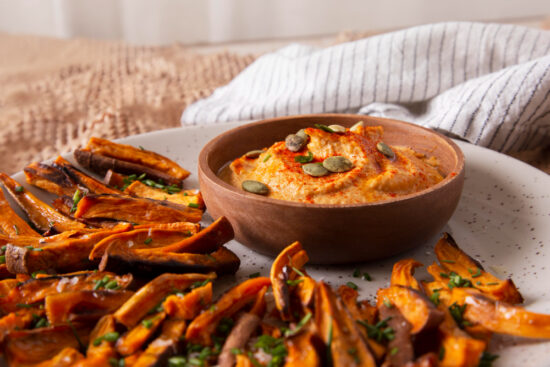
Sikil Pak: Maya Pumpkin-Seed Dip with Roasted Seeds and Tomato
Anshika Jain - October 22, 2026Traditional foods often reveal how communities transform simple, locally available ingredients into preparations with distinctive flavours and cultural significance. Sikil Pak, also written as Sikil P'aak, is…
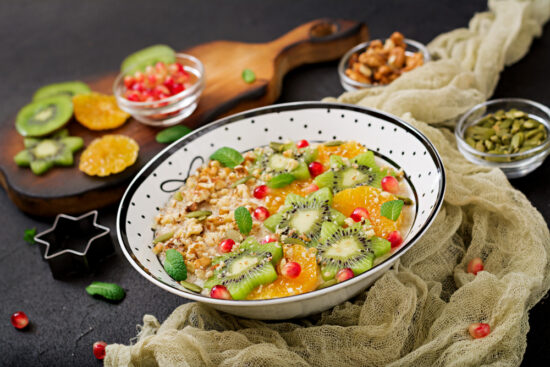
Tinutuan: Indonesian Rice Porridge Celebrating Vegetables
Anshika Jain - October 22, 2026Across Indonesia, traditional food reflects the diversity of local agriculture, community customs and everyday eating habits. Among the distinctive dishes of North Sulawesi is Tinutuan, a savoury…
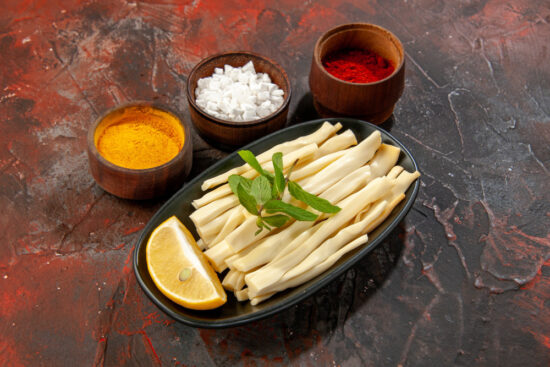
Khorisa-Based Preparations: Fermented Bamboo Shoots
Anshika Jain - October 22, 2026Northeast India is home to a remarkable variety of traditional foods shaped by local agriculture, seasonal ingredients and generations of culinary knowledge. Among the region’s distinctive ingredients…
Most from this category
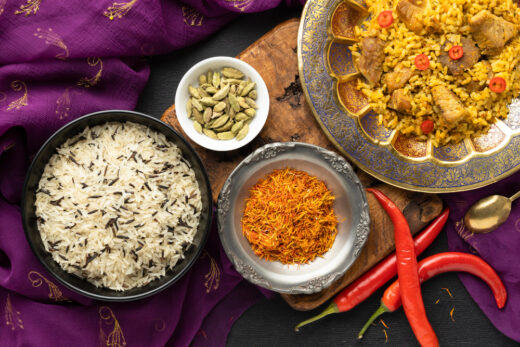
Jadoh: Khasi Rice Dish That Reflects the Culinary Heritage of Meghalaya
Anshika Jain - October 22, 2026
Anishi Curry: How Fermented Leaf Cakes Create a Distinctive Flavour in Naga Cuisine
Anshika Jain - October 22, 2026
Mammi: The Dark Finnish Easter Dessert Shaped by Rye, Malt and Slow Cooking
Anshika Jain - October 22, 2026
Jadoh: Khasi Rice Dish That Reflects the Culinary Heritage of Meghalaya
Anshika Jain - October 22, 2026Anishi Curry: How Fermented Leaf Cakes Create a Distinctive Flavour in Naga Cuisine
Anshika Jain - October 22, 2026Mammi: The Dark Finnish Easter Dessert Shaped by Rye, Malt and Slow Cooking
Anshika Jain - October 22, 2026
Sikil Pak: Maya Pumpkin-Seed Dip with Roasted Seeds and Tomato
October 22, 2026
Tinutuan: Indonesian Rice Porridge Celebrating Vegetables
October 22, 2026


Leave a Comment