

Bunny Chow


You may be interested

Dessert Recipes
37 views
Dessert Recipes
37 views
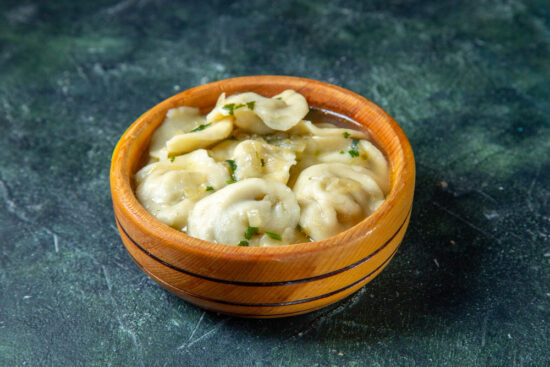
Rupjmaizes Kartojums: Latvia’s Layered Rye Bread Dessert
Anshika Jain - October 23, 2026Rupjmaizes kārtojums is a traditional Latvian dessert that transforms dark rye bread into a layered combination of toasted crumbs, whipped cream, and fruit preserves. Often compared with…
Appetizer & Snacks
31 views
Appetizer & Snacks
31 views
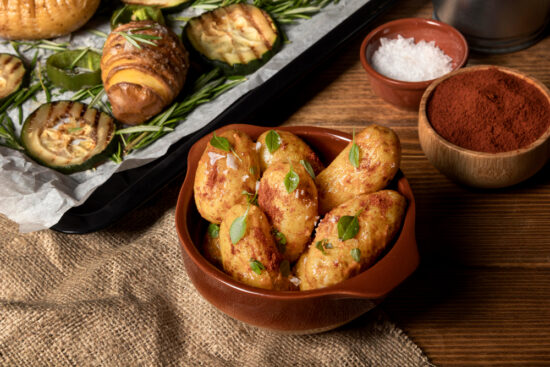
Gamja Ongsimi Small dumplings made primarily from potato
Anshika Jain - October 23, 2026Gamja Ongsimi is particularly associated with Gangwon Province in northeastern South Korea, a region known for its mountainous landscapes and long-standing potato-growing traditions. Potatoes became an important…
Appetizer & Snacks
32 views
Appetizer & Snacks
32 views
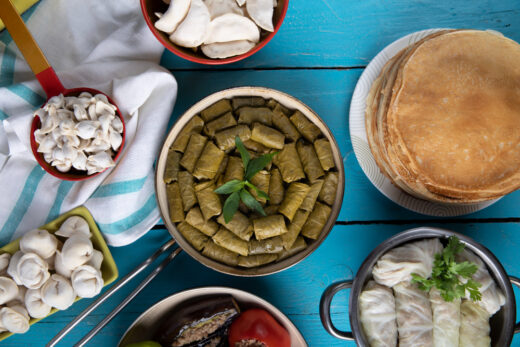
Bharli Karli Bitter gourds stuffed with a spiced mixture
Anshika Jain - October 23, 2026Maharashtrian cuisine is known for its thoughtful use of spices, roasted ingredients, pulses, coconut, and seasonal vegetables. Bharli Karli fits naturally into this culinary tradition, particularly because…
Most from this category
Appetizer & Snacks
29 views
29 views
Pathrode: Layered Colocasia Leaves Become a Traditional Steamed Delicacy
Anshika Jain - October 23, 2026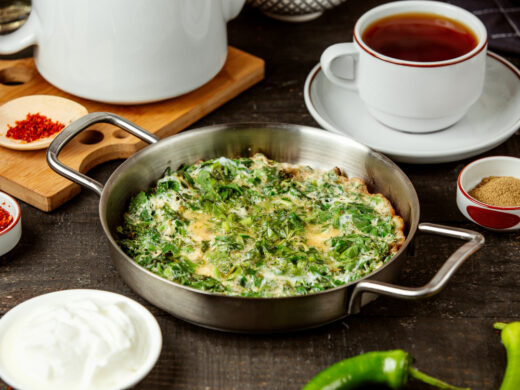
Appetizer & Snacks
31 views
31 views
Taikilo Bhaji: Exploring Goa’s Seasonal Wild Greens and Konkani Food Traditions
Anshika Jain - October 23, 2026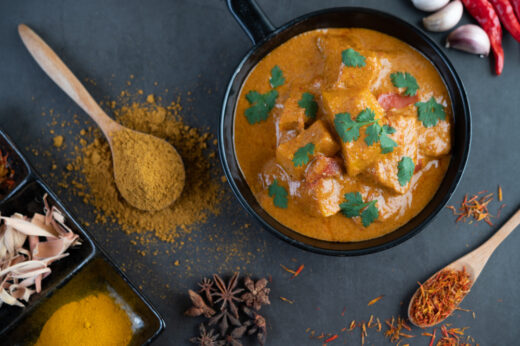
Breakfast/Lunch/Dinner
32 views
32 views
All About Ingredients
34 views
34 views
Appetizer & Snacks
29 views
29 views
Pathrode: Layered Colocasia Leaves Become a Traditional Steamed Delicacy
Anshika Jain - October 23, 2026Appetizer & Snacks
31 views
31 views
Taikilo Bhaji: Exploring Goa’s Seasonal Wild Greens and Konkani Food Traditions
Anshika Jain - October 23, 2026Breakfast/Lunch/Dinner
32 views
32 views
Kachnar Kali Curry: Unopened Flower Buds into a Savoury Delicacy
Anshika Jain - October 23, 2026
Rupjmaizes Kartojums: Latvia’s Layered Rye Bread Dessert
October 23, 2026
Gamja Ongsimi Small dumplings made primarily from potato
October 23, 2026


Leave a Comment