

Papeda: Translucent, Elastic Sago Porridge of Eastern Indonesia

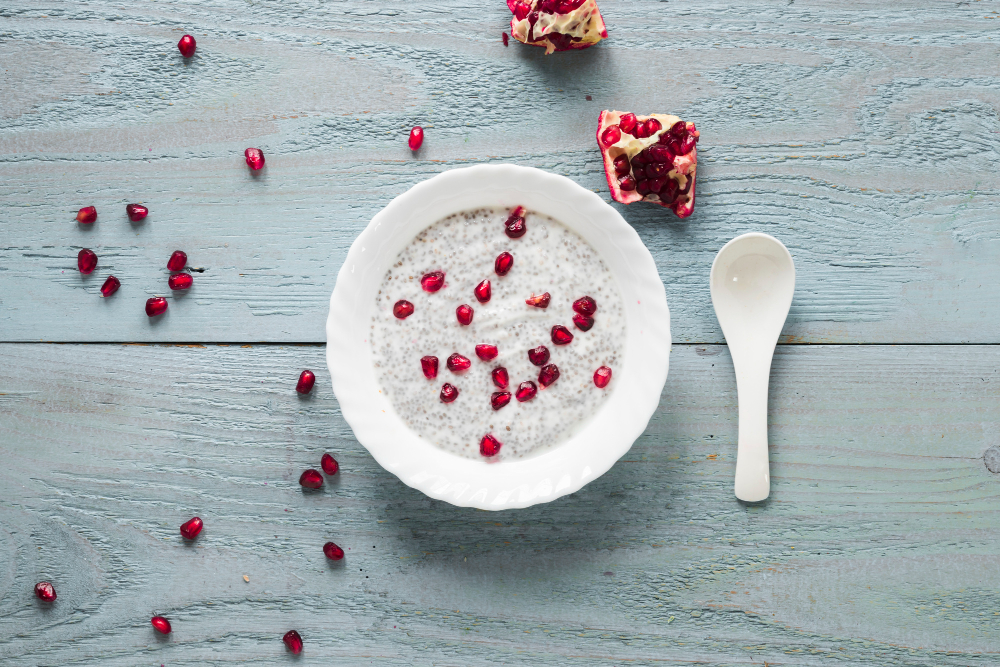
Indonesia’s culinary heritage extends far beyond rice, noodles, and familiar fried dishes. Across its eastern islands, communities have developed food traditions shaped by local plants, coastal environments, and generations of practical knowledge. One remarkable example is papeda, a translucent, highly elastic porridge made from sago starch.
Papeda is especially associated with Papua and the Maluku Islands, where sago has historically served as an important staple food. Unlike ordinary grain-based porridge, papeda develops a glossy, gelatinous consistency when starch meets hot water. Its appearance can range from milky white to nearly transparent, while its texture is smooth, sticky, and remarkably elastic.
The dish has a mild flavour that allows accompanying ingredients to provide most of the meal’s seasoning. It is traditionally served with soup, particularly a turmeric-based preparation known as ikan kuah kuning. The combination brings together papeda’s neutral starchiness with the aromatic, savoury flavours of herbs, and spices.
Papeda is more than an unusual regional dish. It represents a relationship between food, indigenous knowledge, local biodiversity, and community identity. Its preparation demonstrates how people transform a locally available plant into a staple through careful processing. Its continued presence also highlights the importance of preserving traditional foods as modern diets change.
What Is Papeda?
Papeda is a traditional Indonesian dish prepared by cooking sago starch with water until it becomes a thick, translucent gel. It is commonly described as a porridge, although its consistency differs considerably from rice porridge or oatmeal. Rather than containing separate grains, papeda forms a cohesive mass that stretches and moves when lifted.
The dish is widely associated with indigenous communities in Papua and the Maluku Islands. It is also consumed in other parts of Indonesia where sago has a place in local food traditions. Its regional names and serving practices can vary, reflecting the diversity of the communities that prepare it.
Papeda’s defining feature is its texture. The cooked starch becomes glossy and elastic, sometimes resembling a thick, transparent paste. People unfamiliar with the dish may find this consistency surprising, particularly because it differs from the fluffy texture associated with rice.
Its flavour is relatively mild, which makes it especially suitable for pairing with strongly seasoned accompaniments. Chilli, turmeric, lime, and aromatic herbs can transform a simple serving of papeda into a balanced meal.
The dish is usually eaten as a staple rather than as a dessert or snack. It provides the carbohydrate component of a meal, while vegetables, and other side dishes contribute additional flavours and nutrients. This role makes papeda comparable to rice in some Indonesian food traditions, although its preparation and texture are distinctly different.
Sago: The Plant Behind Papeda
The main ingredient in papeda is sago starch, traditionally extracted from the trunk of the sago palm, Metroxylon sagu. This tropical palm grows in humid environments and has long supported food systems across parts of Southeast Asia and the western Pacific.
Unlike rice, which is harvested as grain, sago is obtained from the starchy interior of the palm’s trunk. The extraction process requires considerable work. The trunk is opened, its inner pith is crushed or scraped, and the material is washed with water to separate starch from fibrous matter.
The starch-rich liquid is allowed to settle, leaving starch at the bottom. This material can then be collected and processed for storage or further preparation. Depending on local methods, the starch may be stored while moist or dried into a more durable form.
Traditional sago processing involves knowledge of the palm’s maturity, the extraction process, and the handling of the resulting starch. It also connects food preparation with the surrounding environment. Communities that depend on sago have developed practical ways to identify, harvest, process, and distribute this resource.
The relationship between sago and papeda illustrates why indigenous ingredients deserve greater recognition. Sago is not simply a substitute for rice or wheat. It is part of a distinct food system shaped by local ecology and cultural experience. Research and food-security discussions have highlighted its potential as an important carbohydrate resource, particularly in regions where the palm grows naturally.
How Papeda Is Made
Papeda requires few ingredients, but the cooking process demands attention to water temperature and stirring. The traditional preparation begins by mixing sago starch with a small amount of cool water. This creates a smooth suspension and helps prevent large lumps from forming when hot water is introduced.
Boiling water is then added gradually while the mixture is stirred continuously. As the starch heats, it begins to thicken and lose its powdery appearance. The mixture gradually transforms into a cohesive, glossy mass.
The stirring process is important because the starch must heat and hydrate evenly. If hot water is added without sufficient mixing, parts of the mixture may form lumps while other areas remain thin. Consistent movement helps produce a more uniform texture.
As the process continues, the papeda becomes increasingly elastic and translucent. Its appearance signals the transformation taking place within the starch. The mixture no longer behaves like a thin liquid; instead, it develops the thick consistency associated with the finished dish.
Traditional cooks may use wooden or bamboo utensils to stir and handle papeda. Special utensils are also used in some regions to lift and portion the cooked starch. The exact methods can vary between households, but the central principle remains consistent: sago starch is hydrated and heated until it forms a smooth gel.
Papeda is generally served warm, soon after preparation. Its texture changes as it cools, becoming firmer and less easy to handle. Preparing it close to serving time helps preserve the soft, elastic consistency that makes the dish distinctive.
The Science Behind Papeda’s Translucent and Elastic Texture
Papeda’s unusual texture is a practical example of starch gelatinisation. Sago starch contains microscopic granules that interact with water when heated. As the temperature rises, the granules absorb water, swell, and lose much of their original structure.
This process changes the mixture’s viscosity. Instead of remaining a suspension of separate starch particles, the preparation develops into a thick network that traps water and becomes cohesive. The resulting gel produces papeda’s characteristic softness and elasticity.
Two major components of starch are amylose and amylopectin. Their proportions and behaviour influence how starch interacts with water and how the cooked mixture holds together. Sago starch’s composition contributes to the texture that develops during cooking, although the final result also depends on processing conditions and the ratio of water to starch.
The degree of translucency is another consequence of the transformation. Uncooked starch suspensions appear cloudy because their particles scatter light. As the starch gelatinises and the mixture becomes more uniform, the finished papeda can appear much clearer.
Water quantity plays an important role in determining consistency. A lower water ratio may produce a firmer mass, while more water can create a softer, looser preparation. Stirring technique and heating conditions also affect the final texture.
Understanding this science reveals how traditional cooking knowledge and food chemistry intersect. Generations of cooks have learned to recognise when papeda has reached the correct consistency through observation and experience. Scientific explanations help describe the process, but traditional expertise remains central to producing the expected result.
Papeda’s Cultural Significance in Papua and Maluku
Papeda is closely connected with the food identities of communities in Papua and the Maluku Islands. In these regions, sago has historically provided an important source of nourishment, and its processing has formed part of local knowledge systems.
Food preparation often brings people together through shared tasks, household routines, and community gatherings. Sago processing can involve several stages, from harvesting and extracting the starch to preparing and distributing the finished product. These activities connect food with local landscapes, skills, and social relationships.
Papeda also appears in cultural contexts beyond everyday meals. In some communities, sago-based foods are associated with ceremonies, gatherings, and occasions that reinforce relationships between families and neighbours. Practices differ across regions, so the cultural significance should not be treated as identical everywhere.
For many people, papeda carries memories of home, family kitchens, and local food customs. Its familiar texture and flavour combinations can represent continuity with earlier generations. For younger people, preparing and eating traditional foods can provide a way to remain connected with their heritage.
The dish also challenges the idea that rice must be the centre of every Indonesian meal. Indonesia contains numerous food traditions shaped by different environments and agricultural systems. Papeda demonstrates how local communities have developed alternatives based on resources available in their own regions.
Recognising this diversity helps ensure that eastern Indonesian food traditions are represented accurately. Papeda is not simply an exotic dish for visitors to try. It is part of a living culinary culture with its own practices, meanings, and regional variations.
Nutritional Characteristics of Papeda
Papeda is primarily a carbohydrate-rich food because its main ingredient is sago starch. Carbohydrates supply energy, making papeda an important component of meals in communities where sago serves as a staple.
Sago starch is naturally gluten-free. This characteristic makes it a possible carbohydrate ingredient for people who need to avoid gluten, provided the product is processed and handled without cross-contamination. However, the nutritional suitability of a complete meal depends on all its ingredients and the needs of the individual.
Papeda itself contains relatively little protein and fat compared with many foods made from legumes, or dairy products. It also provides limited fibre when prepared from refined starch. For this reason, its traditional accompaniments are nutritionally important.
Vegetables contribute fibre, vitamins, and minerals. A meal combining papeda with soup and vegetables offers a broader range of nutrients than the starch alone.
The exact nutritional profile depends on the starch source, preparation method, serving size, and accompanying dishes. It would therefore be inaccurate to attribute every potential benefit of a complete papeda meal to the porridge itself.
Papeda’s nutritional role is best understood within its wider food tradition. It provides energy, while the foods served alongside it help complete the meal. This combination illustrates how traditional diets often depend on several complementary components rather than one ingredient providing every essential nutrient.
Papeda Compared With Other Starch-Based Foods
Many cultures prepare staple foods by heating starch with water, but the ingredients and resulting textures differ. Rice porridge, for example, generally contains softened rice grains suspended in liquid. Papeda, by contrast, forms a cohesive gel without separate grains.
Tapioca-based preparations offer another useful comparison. Tapioca is also derived from starch, but it comes from cassava rather than the sago palm. Depending on the preparation, tapioca may form pearls, puddings, or thickened liquids. Papeda’s traditional form is a smooth, elastic mass served as a savoury staple.
Polenta provides a different contrast. It is commonly made from ground maize and develops a thick consistency when cooked with water. However, its texture remains grain-based rather than becoming the translucent gel associated with papeda.
These comparisons help explain why papeda can seem unusual to diners accustomed to wheat or rice products. Its texture is not a variation of ordinary porridge but the result of a different raw material and cooking process.
Its traditional serving method also distinguishes it from many starch-based foods. Rather than being seasoned heavily on its own, papeda is combined with vegetables, and other accompaniments. The staple and the side dishes work together to create the complete meal.
The broader lesson is that staple foods reflect local agricultural resources. Different communities have developed distinctive ways to transform grains, roots, and palm starches into foods that suit their environments and culinary preferences.
Sago, Sustainability, and Local Food Security
Sago has attracted interest in discussions about food diversity and sustainable food systems. The palm grows in tropical environments, and its starch can support communities in regions where it has traditionally been cultivated and processed.
Papeda makes this resource visible as a familiar dish rather than an abstract agricultural product. It demonstrates how local plant resources can be transformed into a practical staple using established knowledge and relatively simple cooking methods.
Supporting traditional sago foods may help maintain demand for local processing skills and strengthen interest in regional food heritage. It can also encourage broader conversations about food security, particularly where diets have become increasingly dependent on a narrow range of staple crops.
However, sustainability depends on how sago resources are managed. Harvesting practices, land-use changes, processing methods, and local economic conditions influence the long-term viability of sago-based food systems. Protecting palm-growing environments and supporting the communities that maintain these practices are important considerations.
Researchers and food educators have also examined papeda as an example of indigenous knowledge that can be connected with scientific learning. Studying its preparation introduces concepts such as starch gelatinisation, viscosity, and the interaction between water and food materials.
These perspectives show that papeda has relevance beyond the kitchen. It can contribute to discussions about biodiversity, traditional knowledge, food science, and the preservation of local diets.
The Future of Papeda in Modern Food Culture
As regional Indonesian cuisine gains greater visibility, papeda has opportunities to reach audiences beyond its traditional areas. Restaurants, food festivals, cultural programmes, and culinary publications can introduce its distinctive texture and serving traditions to new diners.
However, wider recognition should not require the dish to lose its identity. Papeda’s elastic consistency is central to its character, and its traditional pairing with soup explains much of its culinary appeal. Presenting it as though it were ordinary rice porridge would overlook the qualities that make it distinctive.
Food education can help first-time diners understand how papeda is prepared and eaten. Explaining the role of sago, the science behind its texture, and its cultural context can make the experience more meaningful.
Local producers also have a role in keeping the tradition alive. Demand for properly processed sago starch can support supply chains and encourage the transfer of traditional skills. At the same time, careful processing and appropriate storage are essential for maintaining product quality.
Modern culinary experimentation may create new combinations, but the traditional preparation should remain visible. Contemporary interpretations are most valuable when they build on a clear understanding of the original dish rather than replacing its cultural context.
Papeda’s future will depend on both recognition and continuity. Its value lies not only in its unusual appearance but also in the food knowledge, agricultural resources, and community traditions that have sustained it.
Conclusion: A Translucent Staple With Deep Cultural Roots
Papeda is a distinctive sago-based porridge that reflects the culinary heritage of Papua, Maluku, and other parts of eastern Indonesia. Its translucent appearance and elastic texture emerge when sago starch is mixed with hot water and stirred until it forms a thick gel.
Although its ingredients are simple, the dish carries considerable cultural and practical significance. Sago processing connects communities with local environments, while papeda remains an important staple in traditional meals. Its pairing with yellow soup demonstrates how a neutral carbohydrate can become part of a richly flavoured and nutritionally varied meal.
The dish also offers a fascinating example of food science in everyday life. Starch gelatinisation explains its distinctive texture, while traditional cooking knowledge helps achieve the desired consistency. Its continued use highlights the value of indigenous food systems and regional agricultural diversity.
As interest in traditional cuisine grows, papeda deserves recognition for more than its unusual appearance. It represents a living connection between plant resources, culinary craftsmanship, and community identity.
Understanding papeda means appreciating the complete tradition surrounding it, from the sago palm to the cooking pot and the shared meal. Its translucent strands of starch carry a story of adaptation, heritage, and the enduring importance of local food knowledge.
Online Internship with Certificate
You may be interested
Su Filindeu: Sardinia’s Delicate Pasta Made by Repeatedly Stretching Dough
Anshika Jain - October 21, 2026Italian cuisine is famous for its remarkable diversity of pasta shapes, textures, and preparation techniques. From familiar spaghetti to intricate stuffed varieties, each form reflects regional ingredients…
Koloocheh: Filled Pastry Decorated With Intricate Patterns
Anshika Jain - October 21, 2026Traditional pastries often tell stories about the communities that prepare them. Their ingredients reflect regional agriculture, while their shapes and preparation methods preserve generations of culinary knowledge.…
Kachri ki Sabzi: Wild Desert Melon Dish That Reflects Rajasthan’s Food Heritage
Anshika Jain - October 21, 2026Rajasthan’s traditional cuisine tells a story of adaptation, resourcefulness, and regional identity. In a landscape marked by intense heat and limited rainfall, communities have developed cooking practices…
Most from this category

Hawaijar: The Pungent, Sticky Fermented Soybean Food of Manipur
Anshika Jain - October 21, 2026Anishi: Traditional Ao Naga Made From Fermented Colocasia Leaves
Anshika Jain - October 21, 2026

Koloocheh: Filled Pastry Decorated With Intricate Patterns
October 21, 2026
Hawaijar: The Pungent, Sticky Fermented Soybean Food of Manipur
October 21, 2026

Leave a Comment