

Bibingka: Discovering the Traditional Filipino Rice Cake

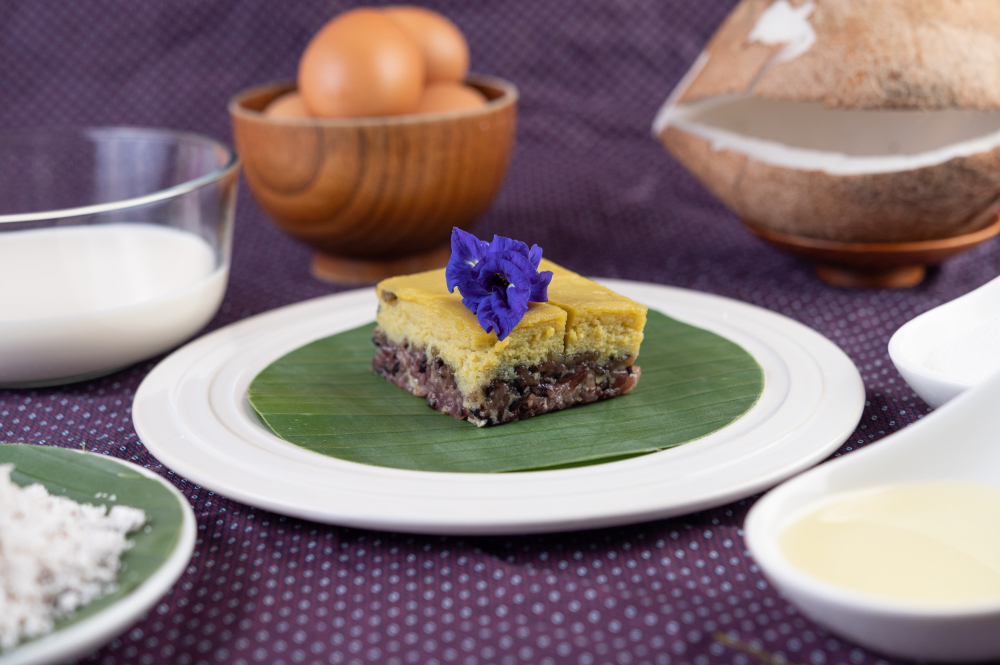
Food is often more than a source of nourishment. It reflects a region’s history, cultural traditions, religious practices, family relationships, and connection with local ingredients. In the Philippines, few traditional foods represent these elements as beautifully as bibingka, a soft and fragrant rice cake that has become closely associated with Christmas celebrations. Prepared traditionally in clay pots and cooked with charcoal, bibingka offers a unique combination of smoky aroma, delicate texture, mild sweetness, and rich toppings.
Although bibingka is especially popular during the Christmas season, its cultural significance extends beyond a festive dessert. It represents Filipino hospitality, community gatherings, religious traditions, and the preservation of cooking methods passed down through generations. Today, bibingka can be found in traditional markets, roadside food stalls, bakeries, restaurants, and modern cafés. While contemporary versions may include innovative ingredients and cooking techniques, the essence of this rice cake remains connected to Filipino culinary heritage.
This article explores the history, ingredients, preparation methods, cultural importance, regional variations, nutritional aspects, and modern popularity of bibingka, offering a detailed understanding of one of the Philippines’ most beloved traditional foods.
What Is Bibingka?
Bibingka is a traditional Filipino rice cake generally prepared from rice flour, coconut milk, sugar, eggs, and other ingredients that create a soft and slightly chewy texture. It is usually baked in a specially designed clay pot lined with banana leaves. Traditionally, the cake is cooked using charcoal placed both underneath and above the clay container, allowing the heat to surround the batter.
The use of banana leaves gives bibingka a recognizable aroma and contributes to its natural presentation. When the cake is cooked, the banana leaves may become slightly charred, adding a subtle smoky flavor. The surface is commonly topped with butter or margarine, grated coconut, sugar, and sometimes slices of salted egg. These toppings create a balance of sweet, salty, creamy, and aromatic flavors.
Bibingka is generally served warm, making it especially appealing during cooler evenings and early morning gatherings. Its soft interior and lightly browned surface distinguish it from many other rice-based desserts found across Asia.
Historical Origins of Bibingka
The history of bibingka is closely connected to the culinary traditions of the Philippines and the broader influence of rice-based food cultures in Southeast Asia. Rice has been a central part of Filipino agriculture and daily meals for centuries, and many traditional dishes developed around rice flour, steamed rice, fermented rice, and coconut products.
The exact origin of bibingka is difficult to establish because similar rice cakes have existed in different forms across various Asian communities. The Filipino version developed through local cooking practices, available ingredients, and cultural exchanges. The word is often associated with traditional rice cakes, while the cooking method reflects the use of clay vessels and charcoal-based heat.
During the Spanish colonial period, bibingka became increasingly connected with Catholic Christmas traditions. Churchgoers attending early morning Masses, commonly known as Simbang Gabi, would often purchase bibingka and other traditional snacks from vendors outside churches. Over time, this connection strengthened the cake’s association with the Christmas season.
The tradition of eating bibingka after attending early morning Mass continues in many Filipino communities. It demonstrates how food can become part of religious and social customs, linking culinary practices with collective memory and celebration.
Traditional Ingredients Used in Bibingka
The ingredients used in bibingka are relatively simple, but each one contributes to its distinctive flavor and texture. Rice flour forms the foundation of the cake and provides its characteristic softness and mild grain-based taste. Depending on the recipe, some preparations may use fermented rice batter, regular rice flour, or a combination of rice-based ingredients.
Coconut milk is another important component. It adds richness, a gentle sweetness, and a creamy mouthfeel to the batter. Coconut is widely used in Filipino cuisine because of its availability in tropical regions and its versatility in both savory and sweet recipes. In bibingka, coconut milk helps create a moist texture and enhances the overall aroma.
Sugar provides sweetness, while eggs contribute structure, color, and richness. Some recipes include baking powder or other leavening agents to help the cake rise slightly during cooking. Butter or margarine is often spread over the cooked surface, giving the bibingka a glossy finish and a richer taste.
Banana leaves are traditionally used to line the cooking vessel. Although they are not mixed into the batter, they play an important role in the preparation process. They help prevent sticking, make the cake easier to remove, and provide a subtle herbal fragrance. Common toppings include grated coconut, white sugar, butter, and salted egg.
How Traditional Bibingka Is Prepared
Traditional bibingka preparation involves several steps, and the cooking method is one of the most distinctive features of the dish. First, the rice-based batter is prepared by combining the flour, coconut milk, sugar, eggs, and other ingredients. The mixture is stirred until it reaches a smooth consistency. Depending on the recipe, the batter may be allowed to rest or ferment, which can influence the final taste and texture.
A clay cooking pot is then lined with banana leaves. The leaves may be softened over heat so that they fit properly inside the vessel without tearing. Once the pot is prepared, the batter is poured into it and placed over a source of heat.
In the traditional method, charcoal is positioned below the clay pot and on top of a covering placed above the batter. This creates heat from both directions, helping the cake cook evenly. The process requires attention because excessive heat can burn the outer surface before the interior is fully cooked.
After baking, the bibingka is removed from the pot and served on the banana leaves or a serving plate. Butter is often spread over the top while the cake is still warm. Grated coconut, sugar, or salted egg may then be added according to preference. The result is a fragrant rice cake with a lightly toasted exterior and a tender interior.
The Unique Role of Banana Leaves
Banana leaves are an important part of the traditional bibingka experience. They are used in several Filipino dishes because they are practical, widely available, and capable of adding a distinctive aroma to food. In bibingka preparation, the leaves serve both functional and sensory purposes.
The leaves create a natural barrier between the batter and the clay pot, reducing the possibility of sticking. They also make the cake easier to handle after cooking. As the leaves are exposed to heat, they release a mild fragrance that becomes part of the overall flavor profile.
Banana leaves also contribute to the visual identity of bibingka. The cake is frequently served with the leaf beneath it, reinforcing its traditional appearance. In modern kitchens, parchment paper or metal baking pans may replace banana leaves, but many cooks continue to use them to preserve the authentic experience.
The use of banana leaves reflects a broader Filipino cooking philosophy in which natural materials are incorporated into food preparation and presentation. It demonstrates how traditional techniques can combine practicality with cultural identity.
Flavor and Texture of Bibingka
Bibingka is known for its balanced flavor rather than intense sweetness. Its taste depends on the proportions of rice flour, coconut milk, sugar, and toppings. The rice-based batter provides a mild and comforting foundation, while coconut milk introduces richness and a gentle tropical note.
The texture is generally soft, moist, and slightly chewy. The surface may become lightly browned during cooking, especially when charcoal is used. This creates a contrast between the tender center and the more toasted exterior. The addition of butter enhances the richness, while grated coconut provides a fresh and slightly fibrous texture.
Salted egg is a popular topping because it introduces a savory element to the otherwise sweet cake. This combination of sweet and salty flavors is common in many Filipino foods and appeals to people who enjoy complex taste profiles. Sugar can be sprinkled over the top for additional sweetness, while fresh coconut may provide a natural and refreshing contrast.
The smoky aroma produced by charcoal cooking is another defining characteristic. Although modern ovens can produce excellent results, traditional charcoal baking creates a flavor that many people associate with authentic bibingka.
Bibingka and Filipino Christmas Traditions
Bibingka has a strong relationship with Christmas in the Philippines. During the Christmas season, many people attend Simbang Gabi, a series of early morning Catholic Masses held before Christmas Day. Vendors often gather near churches to sell warm food and beverages to worshippers after the service.
Bibingka is one of the most recognizable foods associated with these gatherings. Its warm texture and comforting flavor make it especially suitable for early mornings. Eating bibingka after Mass has become a tradition for families, friends, and communities, transforming a simple food purchase into a shared cultural experience.
The popularity of bibingka during Christmas is not limited to religious settings. Families may prepare it at home, purchase it from local sellers, or serve it during holiday gatherings. It is often enjoyed alongside other Filipino seasonal foods, including puto bumbong, another rice-based delicacy traditionally associated with Christmas.
This seasonal connection gives bibingka an emotional significance. For many Filipinos, its aroma and taste recall childhood memories, family visits, church gatherings, and celebrations with loved ones. In this way, bibingka becomes both a food and a symbol of cultural continuity.
Regional and Modern Variations
Although traditional bibingka follows a recognizable preparation method, variations exist across the Philippines. Differences may appear in the ingredients, texture, thickness, toppings, and cooking techniques. Some versions are soft and cake-like, while others have a denser or chewier consistency.
Regional availability of ingredients can influence recipes. In areas where coconut products are abundant, coconut milk and grated coconut may be used generously. Other versions may include additional rice ingredients, cheese, or different sweeteners. Local preferences also influence whether the cake is more savory, sweet, moist, or firm.
Modern bakeries and cafés have introduced new interpretations of bibingka. Some versions are prepared in conventional ovens rather than clay pots, making the dish easier to produce in large quantities. Others include cheese, condensed milk, flavored fillings, or contemporary toppings.
While these innovations may differ from traditional recipes, they demonstrate how Filipino food culture continues to evolve. Modern adaptations allow bibingka to reach new audiences while maintaining connections to its original identity. The balance between tradition and experimentation is an important feature of contemporary Filipino cuisine.
Nutritional Characteristics of Bibingka
Bibingka provides energy primarily through carbohydrates from rice flour and sugar. Eggs may contribute protein and essential nutrients, while coconut milk provides fat and a small amount of minerals. The nutritional value varies significantly depending on the recipe, portion size, and toppings used.
Rice flour is naturally gluten-free, which makes traditional rice-based bibingka suitable for individuals who avoid gluten, provided that all other ingredients and preparation surfaces are free from cross-contamination. However, people with specific food allergies or dietary restrictions should check the ingredients carefully.
Coconut milk and butter increase the fat content of the dish, while sugar and sweet toppings add to its total carbohydrate content. Salted egg can increase sodium levels. As a result, bibingka is best enjoyed as part of a balanced diet rather than treated as a complete meal.
The use of grated coconut, moderate sweetness, and carefully selected toppings can help people adapt the recipe to their preferences. Home preparation also allows individuals to adjust the amount of sugar, butter, and other ingredients according to their dietary needs.
Bibingka as a Vegetarian Food
Traditional bibingka is generally vegetarian because its primary ingredients include rice flour, coconut milk, sugar, eggs, and plant-based flavorings. However, recipes vary, and some toppings or modern preparations may contain ingredients that do not suit every vegetarian diet.
Individuals who consume dairy may enjoy bibingka topped with butter or cheese, while those following a vegan diet would need to replace eggs and dairy-based ingredients. Plant-based alternatives, such as coconut oil or vegan margarine, may be used in adapted recipes, although the texture and flavor can change.
The rice and coconut foundation makes bibingka adaptable to different dietary preferences. With careful ingredient selection, it can be prepared in versions suitable for vegetarian and plant-based lifestyles. However, the recipe should be reviewed individually rather than assuming that every commercially available bibingka is vegan.
Preparing Bibingka in a Modern Kitchen
Traditional charcoal cooking gives bibingka a distinctive character, but modern kitchen methods make it easier for people to prepare the dish at home. A conventional oven can provide consistent heat and reduce the complexity of managing charcoal. A baking pan lined with banana leaves can help recreate some aspects of the traditional presentation.
When preparing bibingka in an oven, the batter is poured into the lined pan and baked until the surface is set and lightly browned. The exact cooking time depends on the thickness of the cake, oven temperature, and recipe. Careful monitoring is important because rice-based batter can become dry if overbaked.
Home cooks can experiment with toppings such as grated coconut, cheese, butter, and sugar. Some recipes may use muffin tins or smaller baking vessels to create individual portions. These adaptations can make bibingka convenient for family gatherings, parties, and casual snacks.
Although the modern method may not produce exactly the same smoky flavor as charcoal cooking, it offers accessibility and convenience. It also allows people living outside the Philippines to prepare and experience this traditional food using ingredients and equipment available in their local kitchens.
Bibingka in Filipino Food Culture
Bibingka represents the connection between food, community, and cultural identity. It is commonly sold by small vendors, family-owned food businesses, bakeries, and seasonal stalls. Its preparation and sale create opportunities for local entrepreneurship, particularly during the Christmas period when demand increases.
Street vendors often prepare bibingka in front of customers, allowing people to observe the cooking process and enjoy the aroma of freshly baked rice cakes. This interaction contributes to the food’s appeal and strengthens the relationship between traditional cooking and community life.
The dish also demonstrates the importance of affordable and accessible ingredients in Filipino cuisine. Rice, coconut, eggs, and banana leaves are widely associated with local food traditions. By using familiar ingredients, bibingka reflects the resourcefulness of Filipino cooks and the ability to create distinctive foods from everyday materials.
Its continued popularity shows that traditional dishes can remain relevant even as lifestyles and food preferences change. Bibingka is enjoyed not only for its flavor but also for the memories, customs, and relationships associated with it.
The Growing International Interest in Bibingka
As Filipino cuisine gains recognition internationally, traditional foods such as bibingka are reaching audiences beyond the Philippines. Filipino restaurants, cultural festivals, food bloggers, and home cooks introduce the dish to people who may be unfamiliar with its history and preparation.
International interest in bibingka is supported by the growing popularity of Southeast Asian cuisine and the increased visibility of Filipino culinary traditions. Its distinctive use of rice flour, coconut milk, banana leaves, and salted egg makes it different from many familiar cakes and desserts.
Restaurants outside the Philippines may adapt the recipe based on local ingredients and customer preferences. Some serve bibingka as a seasonal dessert, while others include it in broader menus featuring Filipino specialties. These adaptations can help preserve interest in the dish, although it remains important to recognize its cultural origins and traditional preparation methods.
The international spread of bibingka highlights how food can function as a form of cultural exchange. People discover not only a new flavor but also a story about Filipino history, family traditions, and celebration.
Preserving the Tradition of Bibingka
The preservation of bibingka depends on the continued practice of traditional cooking methods and the transmission of recipes between generations. Family members, local vendors, and cultural organizations play an important role in keeping the dish familiar to younger audiences.
Modern cooking equipment can make preparation easier, but traditional methods should not be forgotten. Learning how to use banana leaves, clay pots, and charcoal cooking helps preserve the sensory qualities and historical meaning of bibingka.
Food education, cultural festivals, culinary workshops, and documentation can also support the preservation of traditional recipes. When younger generations understand the history behind a dish, they may be more likely to continue preparing and sharing it.
At the same time, cultural preservation does not require rejecting innovation. New variations can coexist with traditional versions, provided that the origins and cultural significance of the food are respected. This balance allows bibingka to remain relevant while retaining its connection to Filipino heritage.
Conclusion
Bibingka is much more than a traditional Filipino rice cake. It is a representation of Filipino food culture, community traditions, religious celebrations, and culinary creativity. Its soft rice-based texture, coconut-rich flavor, banana leaf aroma, and familiar toppings make it a distinctive part of the country’s gastronomic identity.
The strong connection between bibingka and Christmas celebrations, especially Simbang Gabi, has helped preserve its importance across generations. At the same time, modern recipes and international adaptations have introduced the dish to new audiences. Whether prepared in a traditional clay pot over charcoal or baked in a modern kitchen, bibingka continues to offer a meaningful connection to Filipino heritage.
Its lasting popularity demonstrates how traditional foods can evolve without losing their cultural significance. With its combination of simple ingredients, memorable flavors, and emotional associations, bibingka remains a treasured Filipino delicacy that brings people together through food, celebration, and shared history.
You may be interested
Mujadara: The Middle Eastern Lentil and Rice Comfort Food
Anshika Jain - September 17, 2026Food has a remarkable ability to communicate the history, traditions, and everyday lifestyles of a community. Some dishes become popular not because they use expensive ingredients or…
Halo-Halo: Exploring the Colourful Filipino Dessert
Anshika Jain - September 17, 2026Desserts often reflect the creativity, traditions, and cultural identity of the communities that prepare them. In the Philippines, few desserts express these qualities as vividly as halo-halo,…
Sahlab: Exploring the Creamy Middle Eastern Winter Drink
Anshika Jain - September 17, 2026Across the Middle East, winter is associated with comforting foods, warm family gatherings, traditional markets, and beverages that provide warmth during cooler evenings. Among these seasonal favorites,…
Most from this category
Mexican Champurrado: The Traditional Chocolate-Based Beverage
Anshika Jain - September 16, 2026
Mujadara: The Middle Eastern Lentil and Rice Comfort Food
September 17, 2026
Halo-Halo: Exploring the Colourful Filipino Dessert
September 17, 2026
Sahlab: Exploring the Creamy Middle Eastern Winter Drink
September 17, 2026
Farinata: Italy’s Unique Chickpea Flatbread
September 17, 2026

Leave a Comment