

Sahlab: Exploring the Creamy Middle Eastern Winter Drink

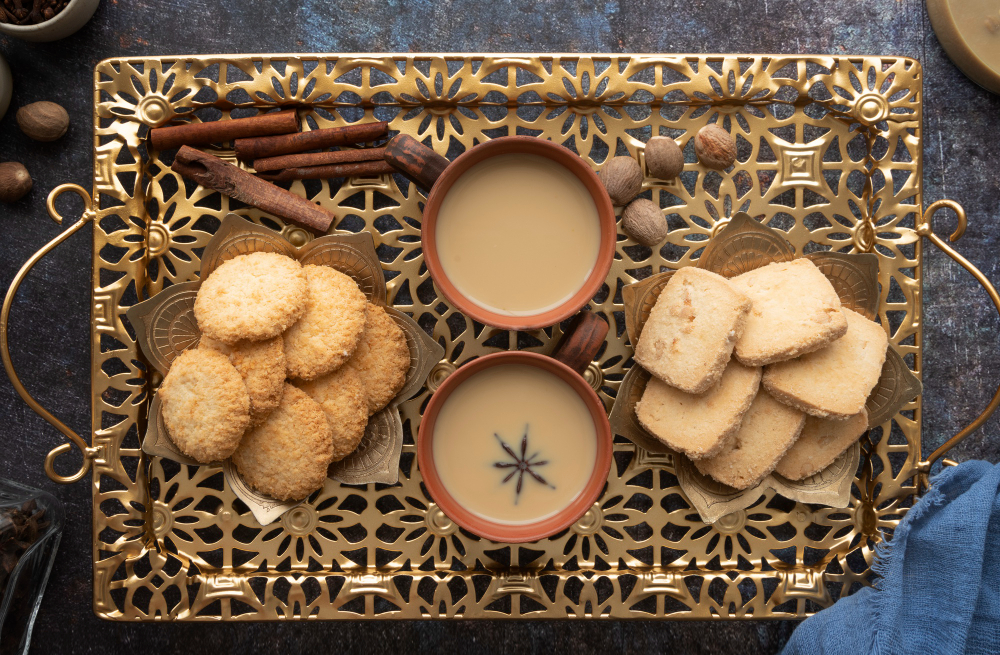
Across the Middle East, winter is associated with comforting foods, warm family gatherings, traditional markets, and beverages that provide warmth during cooler evenings. Among these seasonal favorites, sahlab is a distinctive creamy drink known for its smooth texture, gentle sweetness, and fragrant toppings. Popular in countries such as Türkiye, Lebanon, Palestine, Jordan, Syria, and other parts of the region, sahlab has been enjoyed for generations as a warming beverage and a familiar part of winter food culture.
Traditionally prepared with milk, a thickening ingredient, sugar, and aromatic flavorings, sahlab has a consistency that is richer than ordinary hot milk but lighter than a thick pudding. It is commonly flavored with cinnamon, rose water, vanilla, or orange blossom water and decorated with ingredients such as chopped nuts, coconut, and ground spices. Its creamy texture and comforting warmth make it especially appealing during cold weather.
Although traditional sahlab was historically prepared using flour made from the tubers of certain wild orchids, modern versions often use cornstarch, rice flour, or commercially prepared instant mixes. This change has made the drink easier to prepare at home and more widely available. However, it also raises questions about authenticity, ingredient labeling, and the preservation of traditional culinary knowledge.
Sahlab is more than a winter drink. It reflects the relationship between food, regional identity, hospitality, and changing cooking practices. Exploring its history, preparation, variations, nutritional characteristics, and cultural importance provides an opportunity to understand one of the Middle East’s most recognizable seasonal beverages.
What Is Sahlab?
Sahlab is a warm, sweet, milk-based drink with a thick and velvety consistency. It is traditionally made by mixing milk with powdered sahlab, a starch-rich ingredient historically obtained from orchid tubers. The mixture is heated until it thickens, after which sugar and flavorings are added. The drink is then poured into cups and topped with decorative ingredients.
The consistency of sahlab is one of its defining features. Unlike tea or coffee, which remain relatively thin, sahlab has a smooth texture that coats the palate. Depending on the recipe, it can range from a lightly thickened beverage to a spoonable preparation resembling a thin custard.
The flavor is usually mild, creamy, and subtly floral or nutty. Rose water and orange blossom water can add a delicate fragrance, while cinnamon and nuts introduce warmth and texture. Some modern versions include cocoa, chocolate, vanilla, or additional spices, although these variations differ from the more traditional preparation.
Sahlab is commonly served hot, particularly during winter. It is enjoyed at home, in cafés, at street stalls, and in traditional sweet shops. Its appeal comes from the combination of warmth, sweetness, and a comforting texture that suits leisurely winter evenings.
The Historical Background of Sahlab
Traditional Orchid-Based Preparation
The original thickening ingredient used in traditional sahlab was derived from the dried and powdered tubers of certain orchid species. This ingredient was valued for its ability to thicken liquids and create the drink’s characteristic consistency. It was also used in other regional culinary preparations, including desserts and frozen sweets.
Historically, orchid-based sahlab was considered a specialized ingredient because it required particular sourcing and processing. The collection of wild orchids and the production of the powder were connected to local knowledge and regional trade. Over time, demand for the ingredient contributed to pressure on wild orchid populations in some areas.
The exact history of sahlab varies across regions, and the drink developed through different culinary traditions. It is closely associated with Ottoman and Middle Eastern food cultures, but its use and preparation have changed across generations. Modern recipes frequently replace genuine orchid powder with more accessible starches.
From Traditional Ingredient to Modern Beverage
As the availability of traditional orchid powder declined and commercial production expanded, many cooks began using alternative thickening ingredients. Cornstarch, rice flour, and ready-made sahlab mixes became practical substitutes. These ingredients allow households and food businesses to achieve a similar texture without relying on wild-harvested orchid tubers.
Modern commercial mixes may contain sugar, milk powder, flavorings, and starches. Their ingredients vary by manufacturer and region, so consumers should read product labels carefully. A product marketed as sahlab may not contain genuine orchid-derived powder.
This transition illustrates how traditional foods adapt to changing environmental, economic, and commercial conditions. While substitutions may make a dish more accessible, they can also create differences in flavor, texture, and cultural authenticity.
The Main Ingredients Used in Sahlab
Milk
Milk is the primary liquid used in many traditional and modern sahlab recipes. It provides a creamy base and contributes protein, calcium, and other nutrients. Dairy milk can be replaced with plant-based alternatives, such as almond, oat, soy, or coconut beverages, depending on dietary preferences.
The type of milk affects the final flavor and texture. Full-fat milk generally produces a richer drink, while lower-fat milk creates a lighter result. Plant-based alternatives may require adjustments to the thickening ingredient because their composition differs from dairy milk.
People with lactose intolerance or milk allergies should select suitable alternatives and check the ingredients of commercial mixes. A plant-based version can retain the comforting qualities of sahlab while accommodating different dietary needs.
Thickening Ingredients
Traditional sahlab uses powdered orchid tubers, while contemporary recipes often rely on cornstarch, rice flour, or other starch-based ingredients. These thickeners absorb liquid when heated and create the smooth consistency associated with the beverage.
The amount of thickener should be carefully controlled. Too little may result in a thin drink, while too much can produce a heavy or gluey texture. The thickener is usually mixed with a small amount of cold liquid before being added to the heated milk to reduce the formation of lumps.
Commercial sahlab mixes may already contain a combination of starch, sugar, and flavorings. The preparation method depends on the product, making it important to follow the package instructions when using an instant mix.
Sugar and Aromatic Flavorings
Sugar is commonly used to sweeten sahlab, although the amount can be adjusted. Some recipes include honey or alternative sweeteners, while others depend on the natural sweetness of flavored ingredients.
Rose water and orange blossom water are frequently associated with Middle Eastern versions of the drink. These ingredients provide floral aromas, but they should be added carefully because excessive amounts can overpower the creamy base. Cinnamon, vanilla, cardamom, and nutmeg may also be used depending on regional preferences.
The combination of sweetener and flavorings allows sahlab to be adapted to individual tastes while retaining its traditional character.
How Sahlab Is Traditionally Prepared
Mixing the Ingredients
Preparation begins by combining the thickening ingredient with a small quantity of cold milk or water. This step helps create a smooth mixture and prevents starch from forming lumps when it is exposed to heat.
The remaining milk is warmed in a saucepan, and the thickener mixture is gradually added while stirring. Sugar and selected flavorings are then incorporated. The drink should be stirred continuously or frequently so that it thickens evenly and does not stick to the bottom of the pan.
The heat should remain moderate because excessive heat can cause the milk to scorch or the mixture to thicken unevenly. Once the drink reaches the desired consistency, it is removed from the stove and poured into serving cups.
Achieving the Right Consistency
The ideal texture of sahlab depends on personal preference and regional tradition. Some people prefer a relatively light drink that can be consumed easily, while others enjoy a thicker preparation that resembles a soft dessert.
The beverage generally becomes thicker as it cools, so it is important not to over-thicken it during cooking. If the mixture becomes too dense, a small amount of warm milk can be added to adjust the consistency.
Careful stirring and gradual heating are essential for achieving a smooth result. Home cooks may need to experiment with the amount of thickener, cooking time, and milk quantity to create their preferred version.
Traditional Toppings and Presentation
One of the most appealing features of sahlab is its presentation. The warm drink is often topped with ingredients that provide contrast in color, texture, and flavor. Ground cinnamon is a common topping, adding a warm aroma and attractive appearance.
Chopped pistachios, almonds, walnuts, and hazelnuts can contribute a pleasant crunch. Some versions include shredded coconut, sesame seeds, or powdered spices. In certain preparations, raisins or finely chopped dried fruit may also be added.
Toppings are not only decorative. Nuts can introduce additional protein, healthy fats, and minerals, although they also increase the energy content of the serving. People with nut allergies should be cautious when purchasing sahlab from cafés or street vendors because shared preparation areas may create a risk of cross-contact.
The drink is generally served in a cup or small bowl. Its warm temperature and decorative surface make it particularly attractive in winter cafés and traditional food markets.
Sahlab Across the Middle East
Regional Food Traditions
Sahlab is enjoyed in several countries, but its preparation differs across regions and households. In some places, it is sold by street vendors during colder months, while in others it is associated with cafés, family kitchens, and festive gatherings.
The flavor profile may change according to local ingredients. One region may emphasize cinnamon and nuts, while another may use rose water, coconut, or orange blossom water. Some versions are thick and dessert-like, while others are lighter and more suitable for drinking.
These variations are an important part of the beverage’s identity. There is no single preparation that represents every community that enjoys sahlab. Instead, the drink reflects a broad culinary tradition shaped by local tastes, available ingredients, and family customs.
Connection with Winter Markets
In many Middle Eastern cities, warm beverages become especially popular during the winter season. Street vendors and cafés may serve sahlab alongside roasted nuts, baked sweets, and other seasonal foods. The drink can create a sense of comfort for people walking through cool evening markets or meeting friends outdoors.
Its popularity in public spaces also reflects the social role of food. People do not consume sahlab only for nourishment; they may associate it with conversations, celebrations, travel, family memories, and seasonal routines.
Nutritional Characteristics of Sahlab
Energy and Sweetness
The nutritional value of sahlab depends on its ingredients and serving size. Milk contributes protein and minerals, while sugar increases the drink’s sweetness and energy content. Commercial mixes may contain considerable added sugar, so consumers should review the nutritional label when monitoring their intake.
The amount of sugar can be adjusted in homemade versions. Using less sugar or choosing unsweetened milk can create a lighter preparation. However, changes to the recipe may affect flavor and texture.
Sahlab is generally best enjoyed as an occasional beverage or part of a balanced diet rather than as a substitute for water or a complete meal.
Protein and Calcium
When prepared with dairy milk, sahlab can provide protein and calcium. Protein supports normal tissue maintenance, while calcium is important for bones and teeth. The actual amount depends on the quantity and type of milk used.
Plant-based versions may provide different nutrients. Fortified soy or other plant-based beverages can offer useful nutritional benefits, but consumers should check labels because nutrient content varies between products.
Toppings such as nuts can contribute fiber, fats, and minerals. However, they also affect the total nutritional profile and should be considered alongside portion size and individual dietary needs.
Sahlab and Vegetarian Food Culture
Traditional milk-based sahlab is generally suitable for vegetarian diets, provided that all ingredients used are vegetarian-friendly. Plant-based versions can also be prepared for people following vegan diets by replacing dairy milk with an appropriate alternative.
However, commercial mixes may contain milk powder, dairy-derived ingredients, or other additives. Individuals following a strict vegan diet should examine product labels carefully and confirm how the mixture is prepared.
Sahlab offers an example of how a traditional beverage can be adapted to modern dietary preferences without losing its central qualities. The creamy texture, warm temperature, and aromatic toppings can remain intact even when the recipe is modified.
Environmental Concerns and Authentic Sahlab
Pressure on Wild Orchids
The traditional production of genuine sahlab powder involves orchid tubers, and the harvesting of wild orchids can raise environmental concerns. Certain orchid populations may be affected by overharvesting, habitat loss, and increased commercial demand.
Because of these concerns, consumers should be cautious about purchasing products that claim to contain authentic orchid-derived sahlab without providing reliable information about sourcing. Responsible ingredient production and transparent labeling are important for protecting biodiversity.
The use of alternative starches in modern recipes can reduce dependence on wild orchid harvesting. However, the environmental impact of a product depends on its complete supply chain, including farming, processing, packaging, and transportation.
Preserving Culinary Heritage Responsibly
Culinary traditions can be preserved through documentation, responsible sourcing, and education. Learning about the original ingredients and historical preparation methods helps consumers understand the cultural value of sahlab.
At the same time, sustainability should remain a priority. Preserving a traditional recipe does not require practices that threaten vulnerable plant species. Modern adaptations can maintain the drink’s cultural significance while supporting responsible environmental choices.
Sahlab in Contemporary Food Culture
Café Culture and Seasonal Menus
Sahlab has become a seasonal feature in many cafés and restaurants that specialize in Middle Eastern or Mediterranean cuisine. Its distinctive texture and presentation make it suitable for winter menus, particularly when paired with pastries, dates, roasted nuts, or other traditional sweets.
Contemporary cafés may offer flavored versions containing chocolate, caramel, vanilla, or additional spices. These adaptations appeal to customers who enjoy familiar flavors while exploring regional beverages.
Although modern versions can introduce sahlab to new audiences, the traditional preparation remains important for understanding its history. Menus and food descriptions should clearly communicate whether a beverage is made with genuine orchid powder, a starch substitute, or a commercial mixture.
Popularity Through Food Media
Food blogs, travel videos, and social media have increased interest in regional drinks and traditional recipes. Images of steaming cups topped with cinnamon and nuts can attract people who are unfamiliar with sahlab.
This attention can encourage cultural exchange and support small food businesses. However, online content may simplify or inaccurately describe the beverage’s origins. Responsible food writing should acknowledge regional differences and avoid presenting one recipe as the only authentic version.
Understanding the context behind a dish makes the experience more meaningful. Sahlab should be appreciated not only for its appearance but also for its connection to Middle Eastern food traditions.
How to Enjoy Sahlab at Home
Preparing sahlab at home is relatively simple when a suitable thickening ingredient is available. A basic recipe can use milk, cornstarch or rice flour, sugar, and a small amount of cinnamon or rose water. The ingredients should be combined carefully, heated gradually, and stirred until the desired consistency is achieved.
Home cooks can experiment with toppings according to their preferences. Pistachios, almonds, coconut, cinnamon, and cardamom can each create a different flavor profile. Those who prefer a less sweet drink can reduce the sugar, while people seeking a plant-based version can use a suitable dairy alternative.
Food safety should also be considered. Milk-based beverages should be prepared and stored appropriately, and leftovers should be refrigerated promptly. Reheating should be done carefully to maintain texture and prevent scorching.
The most enjoyable homemade version is one that balances warmth, creaminess, sweetness, and fragrance without allowing any single ingredient to dominate.
Cultural Significance of Sahlab
Sahlab represents the importance of seasonal foods in Middle Eastern communities. Winter beverages often have a social role, bringing people together in homes, cafés, markets, and public spaces. A cup of sahlab may be connected to childhood memories, family traditions, local celebrations, or visits to a familiar neighborhood shop.
Its preparation also demonstrates how food traditions evolve. The movement from orchid-based powder to more accessible starches reflects changes in availability, environmental awareness, and consumer demand. Despite these changes, the basic idea of a warm, creamy, aromatic beverage remains recognizable.
Traditional drinks such as sahlab help preserve regional identity in an increasingly global food environment. They allow people to experience local ingredients, cooking methods, and cultural stories while encouraging interest in the diverse culinary heritage of the Middle East.
Conclusion
Sahlab is a comforting Middle Eastern winter drink known for its creamy texture, gentle sweetness, and fragrant toppings. Traditionally associated with orchid-derived powder, the beverage is now commonly prepared using alternatives such as cornstarch and rice flour. This adaptation has made it more accessible while also creating important conversations about authenticity, environmental protection, and culinary preservation.
From its historical roots to its modern café versions, sahlab reflects the way traditional foods respond to changing social and economic conditions. Milk, aromatic flavorings, cinnamon, and nuts combine to create a beverage that is both simple and distinctive. Its nutritional characteristics depend on the ingredients used, particularly the type of milk, amount of sugar, and choice of toppings.
Whether enjoyed in a Middle Eastern market, served at a winter gathering, or prepared in a home kitchen, sahlab offers more than warmth. It provides a connection to regional food culture, seasonal traditions, and the continuing evolution of culinary practices. Its enduring popularity demonstrates how a traditional beverage can remain relevant while adapting to modern tastes and responsible ingredient choices.
Online Internship with Certificate
You may be interested
Mujadara: The Middle Eastern Lentil and Rice Comfort Food
Anshika Jain - September 17, 2026Food has a remarkable ability to communicate the history, traditions, and everyday lifestyles of a community. Some dishes become popular not because they use expensive ingredients or…

Halo-Halo: Exploring the Colourful Filipino Dessert
Anshika Jain - September 17, 2026Desserts often reflect the creativity, traditions, and cultural identity of the communities that prepare them. In the Philippines, few desserts express these qualities as vividly as halo-halo,…
Bibingka: Discovering the Traditional Filipino Rice Cake
Anshika Jain - September 17, 2026Food is often more than a source of nourishment. It reflects a region’s history, cultural traditions, religious practices, family relationships, and connection with local ingredients. In the…
Most from this category
Mexican Champurrado: The Traditional Chocolate-Based Beverage
Anshika Jain - September 16, 2026
Mujadara: The Middle Eastern Lentil and Rice Comfort Food
September 17, 2026
Halo-Halo: Exploring the Colourful Filipino Dessert
September 17, 2026
Bibingka: Discovering the Traditional Filipino Rice Cake
September 17, 2026
Farinata: Italy’s Unique Chickpea Flatbread
September 17, 2026

Leave a Comment