

Pastel de Nata: Portugal’s Famous Creamy Custard Tart

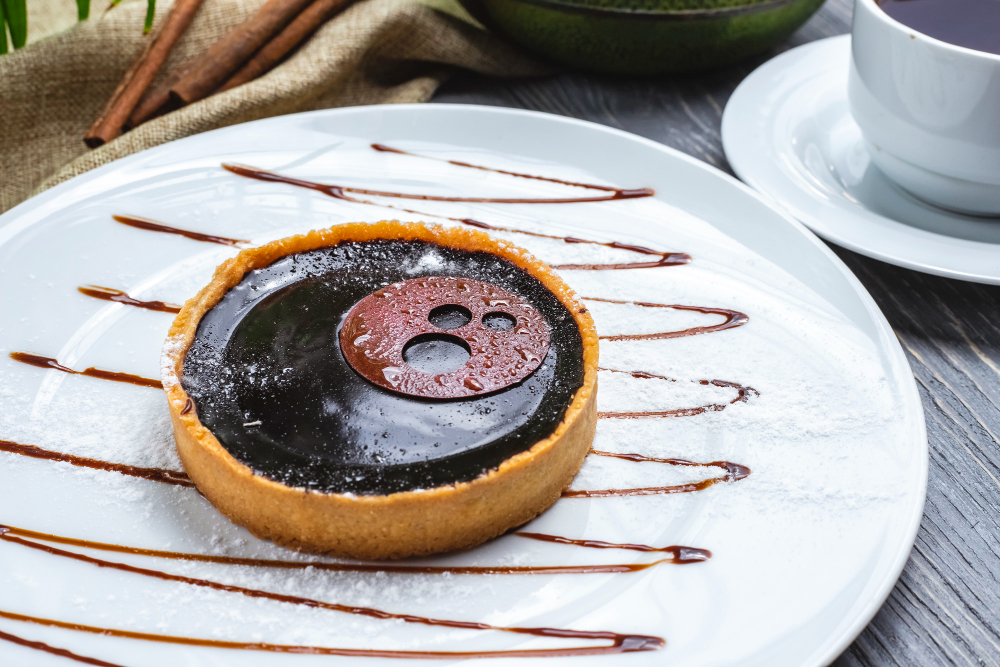
Every country has traditional foods that reflect its history, culture, and culinary creativity. Some dishes become internationally recognised because of their distinctive flavours, unique preparation methods, and connection to local traditions. Portugal’s pastel de nata, a creamy custard tart with a crisp, layered pastry shell, is one such delicacy. Known for its golden surface, rich custard filling, and delicate texture, pastel de nata has become one of Portugal’s most famous sweet treats.
Pastel de nata is a small Portuguese pastry made with puff pastry and a creamy custard filling. It is traditionally baked at a high temperature, which creates a lightly caramelised surface and flaky pastry layers. The custard is usually prepared with ingredients such as milk, sugar, flour or starch, and lemon or cinnamon for flavour. The combination of crisp pastry and smooth custard gives the tart its distinctive appeal.
Although pastel de nata is widely available in bakeries and cafés throughout Portugal, it has also gained popularity in countries across Europe, Asia, North America, and other regions. It is often served with coffee, tea, or a light dusting of cinnamon and powdered sugar. More than a dessert, it represents Portugal’s baking heritage and the continuing global interest in traditional European pastries.
Exploring pastel de nata offers an opportunity to understand its historical origins, preparation techniques, ingredients, cultural importance, and role in modern food culture. Its story demonstrates how a simple pastry can develop into a symbol of national culinary identity.
What Is Pastel de Nata?
Pastel de nata is a traditional Portuguese custard tart consisting of a flaky pastry shell filled with smooth, sweet custard. The pastry is usually small and round, with several thin layers created by folding or rolling puff pastry. During baking, the pastry becomes crisp and golden while the custard thickens and develops lightly browned spots on the surface.
The name pastel de nata can be translated as “custard pastry” or “cream pastry.” The plural form, pastéis de nata, is commonly used when referring to multiple tarts. Although the pastry has a relatively simple appearance, its preparation requires attention to the consistency of the custard and the structure of the pastry.
A well-prepared pastel de nata usually offers several contrasting sensations. The outer pastry is flaky and crisp, while the filling is soft, creamy, and mildly sweet. The top may have dark caramelised marks produced by high-temperature baking. These characteristics distinguish the tart from other custard-based desserts.
Pastéis de nata are commonly enjoyed fresh from the bakery, sometimes while still warm. They may be eaten as a breakfast pastry, afternoon snack, dessert, or accompaniment to a hot drink. Their small size also makes them convenient for sharing or enjoying as part of a larger meal.
The Historical Origins of Pastel de Nata
The history of pastel de nata is closely associated with Portuguese convent baking traditions. Historically, convents and monasteries in Portugal played an important role in the development of sweets and pastries.
This created opportunities for cooks to develop recipes that used sugar, milk, and other ingredients. Over time, Portuguese baking traditions produced a wide range of sweets, many of which remain popular today.
Pastel de nata is particularly associated with the Lisbon area. One of the best-known historical connections is with the Jerónimos Monastery in the Belém district of Lisbon. Pastries inspired by this tradition became widely known, and the commercial version associated with the area is often called pastel de Belém. The name refers specifically to a protected commercial identity, while pastel de nata is the more general term used for similar Portuguese custard tarts.
The historical development of the tart reflects the relationship between religious institutions, local baking businesses, and Portuguese food culture. As the pastry became available beyond its original setting, it gradually developed into a recognisable national food.
The Connection Between Pastel de Nata and Belém
Belém, a historic district of Lisbon, is strongly associated with the international reputation of Portuguese custard tarts. The area is home to important cultural landmarks and has become a popular destination for visitors interested in Portuguese history and cuisine.
The commercial tradition of pastéis de Belém is linked to the former monastery and the development of a bakery near the monastery during the nineteenth century. While many bakeries across Portugal produce pastéis de nata, the Belém version is associated with a particular establishment and its closely guarded recipe.
The distinction between pastel de nata and pastel de Belém is important. Pastel de nata describes the broader type of Portuguese custard tart, while pastel de Belém refers to the specific branded pastry associated with the bakery in Belém. Similar pastries can be found throughout Portugal, but their recipes, texture, and presentation may vary.
This distinction also demonstrates how traditional foods can develop different identities depending on their location, production methods, and commercial history. A regional pastry can become a national symbol while particular versions retain their own heritage and recognition.
Main Ingredients Used in Pastel de Nata
The ingredients used to prepare pastel de nata are relatively simple. However, the quality and proportions of these ingredients influence the flavour, texture, and appearance of the final pastry.
Puff pastry forms the outer shell. It is made using flour, water, salt, and butter or another suitable fat. The dough is rolled and layered so that the fat creates separation between thin sheets of pastry. During baking, steam helps expand these layers, producing the flaky structure associated with the tart.
The custard generally contains milk, sugar. Milk creates a smooth and creamy texture, while sugar adds sweetness. Flour, cornflour, or another thickening ingredient may be used to help the custard set during baking.
Lemon peel and cinnamon are common flavouring ingredients in traditional recipes. They add fragrance and warmth without overpowering the custard. Some recipes use vanilla or other flavourings, although preparation methods differ between bakeries and households.
The final result depends on how these ingredients are combined. The pastry must remain crisp without becoming excessively hard, while the custard should be creamy and sufficiently set. Achieving this balance is an important part of the baking process.
How Pastel de Nata Is Traditionally Prepared
Preparing pastel de nata involves two main components: the pastry shell and the custard filling. Both require careful handling to achieve the characteristic texture of the finished tart.
The pastry is prepared by rolling and layering dough with butter or another fat. It is then shaped into small portions and pressed into tart moulds. The pastry is usually thin at the base and rises along the sides of the mould, creating a container for the custard.
The custard is prepared separately by heating milk with flavouring ingredients such as lemon peel or cinnamon. Sugar and thickening ingredients are combined according to the recipe. The ingredients are combined in a controlled manner to avoid curdling or creating an uneven texture.
Once the pastry shells and custard are ready, the filling is poured into the moulds. The tarts are baked at a high temperature, allowing the pastry to become crisp and the custard to develop its characteristic golden-brown surface.
The baking stage requires precision. If the temperature is too low, the pastry may not become sufficiently crisp and the custard may lack its traditional appearance. Excessive baking, however, can affect the texture of the filling. Experienced bakers learn to recognise the visual and textural signs of a properly baked tart.
The Importance of High-Temperature Baking
High-temperature baking is one of the defining features of pastel de nata preparation. The intense heat helps produce the contrast between the flaky pastry and the soft custard centre.
The surface of the custard often develops small dark patches or caramelised spots. These marks are a familiar characteristic of the pastry and contribute to its appearance and flavour. The high heat also helps the pastry layers expand and become golden.
Baking temperature must be managed carefully because the pastry and custard respond differently to heat. The outer shell needs sufficient time to cook and develop structure, while the custard should remain smooth and moist rather than becoming dry.
Traditional bakeries may use specialised ovens or baking techniques to achieve consistent results. Home bakers often need to adjust the process according to the type of oven, size of the tarts, and thickness of the pastry. These variations can influence the final texture and appearance.
The baking process shows that even a pastry made from familiar ingredients can require technical knowledge. Small differences in temperature, timing, and preparation can significantly affect the quality of the finished product.
Texture and Flavour Characteristics
The appeal of pastel de nata comes from the contrast between its components. The pastry shell is light, flaky, and crisp, while the custard filling is smooth, creamy, and rich. This difference in texture makes the tart enjoyable from the first bite.
The custard generally has a mild sweetness rather than an overwhelmingly sugary taste. Lemon and cinnamon may add subtle fragrance and complexity to the flavour.
The caramelised surface contributes a lightly toasted taste. These browned areas are often considered an important visual and sensory feature of the pastry. The combination of sweet custard, buttery pastry, and aromatic seasoning creates a balanced dessert.
Texture is particularly important because a pastry that is too soft may lose the contrast between the shell and filling. Conversely, a shell that is excessively hard can make the tart difficult to eat. Traditional baking techniques focus on preserving the delicate balance between crispness and creaminess.
How Pastel de Nata Is Served
Pastel de nata is commonly served at room temperature or slightly warm. Many people enjoy it shortly after purchasing it from a bakery, when the pastry remains crisp and the custard is fresh.
Cinnamon and powdered sugar are frequently offered as optional toppings. Some people sprinkle a small amount of cinnamon over the custard, while others prefer to enjoy the tart without additional ingredients. These additions provide flexibility according to individual preferences.
The pastry is often paired with coffee, particularly espresso or Portuguese-style coffee. The bitterness of coffee can balance the sweetness of the custard, creating a familiar combination in cafés and bakeries.
Pastéis de nata can also be served as a dessert after lunch or dinner. Their small size makes them suitable for casual snacking, afternoon gatherings, and celebrations. In many Portuguese cafés, enjoying a custard tart with a hot beverage is part of the everyday food experience.
Pastel de Nata in Portuguese Food Culture
Pastel de nata has become an important part of Portuguese culinary identity. It is available in bakeries, cafés, supermarkets, restaurants, and food markets throughout the country. Different regions and businesses may have their own methods of preparing the pastry.
The tart is closely associated with Portuguese hospitality and café culture. Cafés provide spaces where people meet friends, take breaks, discuss daily life, or enjoy a short moment of relaxation. A small pastry served with coffee fits naturally into this social environment.
Pastel de nata is also frequently encountered by tourists visiting Portugal. Its compact size and distinctive appearance make it an accessible introduction to the country’s dessert traditions. Visitors may purchase it from traditional bakeries or try different versions across cities and regions.
The pastry’s cultural importance comes from its combination of history and everyday accessibility. It is not limited to formal celebrations or special occasions. Instead, it remains a familiar part of daily life while also representing Portuguese cuisine to international visitors.
The Global Popularity of Portuguese Custard Tarts
In recent years, pastel de nata has become increasingly popular outside Portugal. Portuguese bakeries and restaurants in other countries have introduced the pastry to new audiences, while international cafés and pastry shops have incorporated similar tarts into their menus.
Several features contribute to its global appeal. The pastry combines familiar ingredients with a distinctive preparation method. Its small size makes it convenient to serve, and its contrast between crisp pastry and creamy custard appeals to a wide range of dessert preferences.
Travel, migration, food festivals, and social media have also helped increase awareness of Portuguese custard tarts. Food photography and short cooking videos often highlight the golden surface and layered pastry, making the dessert visually attractive.
As the pastry becomes more internationally available, recipes may be adjusted according to local ingredients and consumer preferences. Some versions may be sweeter, larger, or flavoured differently from traditional Portuguese preparations. These variations demonstrate how food traditions adapt when they move across borders.
Pastel de Nata and the Growth of Food Tourism
Food tourism has become an important part of how travellers experience different cultures. Visitors increasingly seek traditional dishes that offer insight into the history and identity of a destination. Pastel de nata plays a significant role in Portugal’s food tourism landscape.
Travellers may visit historic bakeries, participate in food tours, or explore local cafés to experience the pastry. Trying a traditional custard tart can become part of a broader cultural journey that includes architecture, history, markets, and regional cuisine.
The pastry also encourages visitors to explore the relationship between food and place. Learning about its connection to Lisbon, Belém, convent baking, and Portuguese café culture adds meaning to the eating experience.
Food tourism can support local businesses and help preserve culinary traditions. However, responsible tourism should recognise that traditional foods are connected to real communities and histories rather than treating them only as commercial attractions.
Nutritional Considerations
Pastel de nata is a dessert, and its nutritional composition depends on the ingredients, portion size, and preparation method. The pastry generally contains carbohydrates from flour and sugar, while butter or other fats contribute to its flaky texture. Milk provide protein and other nutrients, but the tart can also contain considerable amounts of sugar and fat.
Because recipes vary, the nutritional content of one pastel de nata may differ from another. Larger tarts, additional sugar, or richer pastry can change the overall energy content. Individuals with specific dietary needs should consider the ingredients and serving size when including the dessert in their diet.
The pastry is best enjoyed as part of a balanced eating pattern. Traditional desserts can have cultural and social value, and moderation allows people to appreciate them while maintaining dietary variety.
It is also important to avoid assuming that a pastry is healthier simply because it is handmade or made with traditional ingredients. Nutritional value depends on the complete recipe and preparation method rather than its cultural status alone.
Modern Variations of Pastel de Nata
Traditional pastel de nata remains popular, but modern bakeries and home cooks sometimes experiment with different ingredients and presentation styles. Variations may include changes to the pastry, flavourings, or filling.
Some recipes introduce vanilla, citrus combinations, chocolate, fruit, or other ingredients. These versions can offer new experiences while retaining the basic structure of a custard-filled tart. However, the flavour and texture may differ from the traditional Portuguese style.
Plant-based adaptations may replace dairy milk, butter with alternative ingredients. Creating these versions can be technically challenging because it contribute significantly to the custard’s structure and colour, while butter helps produce the pastry’s layers.
Modern adaptations demonstrate the flexibility of baking traditions. They also raise questions about authenticity, innovation, and the importance of preserving original recipes. Traditional and contemporary versions can exist together, allowing people to appreciate both historical preparation methods and new culinary ideas.
The Role of Skilled Bakers
Although the ingredients in pastel de nata are relatively basic, skilled baking plays a major role in achieving consistent results. Bakers must understand dough handling, custard preparation, temperature control, and timing.
Working with puff pastry requires patience and precision. The layers must be formed correctly so that the pastry becomes flaky rather than dense. The custard must be smooth and balanced, while the filling quantity must be controlled to prevent overflow during baking.
Professional bakeries often develop techniques that are passed from one generation of bakers to another. These methods may include specific ingredient ratios, shaping practices, oven settings, and cooling procedures.
The expertise involved in making pastel de nata demonstrates the importance of craftsmanship in traditional food production. A familiar pastry can require years of practice to prepare consistently at a professional level.
Pastel de Nata as a Symbol of Culinary Heritage
Traditional foods often serve as symbols of cultural heritage because they preserve recipes, techniques, and stories. Pastel de nata is an example of how a dessert can represent the history and identity of a country.
Its connection to Portuguese convent baking, Lisbon’s historic districts, local cafés, and modern bakeries gives it cultural depth. The pastry is enjoyed by local residents and international visitors, allowing it to function both as an everyday food and a representative national dish.
Preserving traditional food heritage requires more than maintaining a recipe. It also involves recognising the communities, businesses, and historical practices associated with the dish. Culinary education, local bakeries, food festivals, and family traditions can all contribute to the continued appreciation of pastel de nata.
At the same time, food culture naturally changes. New techniques and international influences may create variations, but the traditional pastry remains an important reference point for understanding Portuguese baking.
Conclusion
Pastel de nata is Portugal’s famous creamy custard tart, celebrated for its flaky pastry shell, and lightly caramelised surface. Its relatively simple ingredients create a distinctive combination of textures and flavours that has made it popular in Portugal and around the world.
The pastry’s history is connected to Portuguese convent baking traditions and the cultural heritage of Lisbon, particularly the Belém district. Today, it is enjoyed in cafés, bakeries, restaurants, homes, and food establishments across different countries.
From its careful preparation and high-temperature baking process to its traditional pairing with coffee and cinnamon, pastel de nata reflects the craftsmanship and cultural richness of Portuguese cuisine. Its international popularity shows how traditional foods can cross borders while retaining their connection to their place of origin.
Whether enjoyed during a visit to Portugal or prepared in a bakery elsewhere, pastel de nata offers more than a sweet taste. It provides a connection to history, culinary skill, everyday café culture, and the enduring appeal of traditional food.
Online Internship with Certificate
You may be interested
Swedish Semla: The Cream-Filled Traditional Bun
Anshika Jain - September 18, 2026Swedish semla is a traditional Scandinavian sweet bun known for its soft cardamom-flavoured bread, rich almond filling, and generous layer of whipped cream. Often enjoyed during the…
Qatayef: The Traditional Stuffed Pancake Dessert
Anshika Jain - September 18, 2026Traditional desserts often tell stories about culture, celebrations, family traditions, and the ingredients that shape regional cuisine. Across the Middle East, many sweets are prepared during religious…
Agua Fresca: Mexico’s Colourful and Refreshing Fruit Beverage
Anshika Jain - September 18, 2026Traditional beverages often reflect the culture, climate, ingredients, and lifestyle of the communities where they originate. Across the world, refreshing drinks have been developed using locally available…
Most from this category


Swedish Semla: The Cream-Filled Traditional Bun
September 18, 2026
Qatayef: The Traditional Stuffed Pancake Dessert
September 18, 2026
Agua Fresca: Mexico’s Colourful and Refreshing Fruit Beverage
September 18, 2026
Pupusas: El Salvador’s Famous Stuffed Corn Flatbread
September 18, 2026

Leave a Comment