

Agua Fresca: Mexico’s Colourful and Refreshing Fruit Beverage

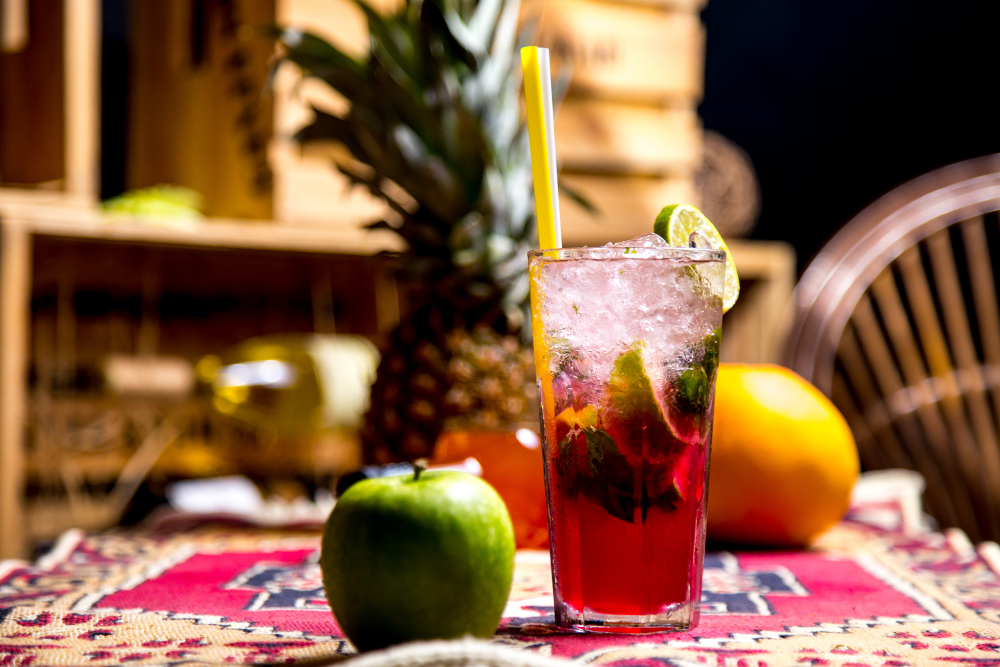
Traditional beverages often reflect the culture, climate, ingredients, and lifestyle of the communities where they originate. Across the world, refreshing drinks have been developed using locally available fruits, grains, flowers, herbs, and spices. Mexico has a rich tradition of such beverages, and one of its most recognisable examples is agua fresca. Known for its vibrant colours, fresh flavours, and simple preparation, agua fresca is a popular part of Mexican food culture.
The name agua fresca translates approximately to “fresh water.” It refers to a broad range of non-alcoholic beverages prepared by combining water with fruits, flowers, seeds, grains, or other natural ingredients. These drinks are generally lightly sweetened and served chilled, making them particularly appealing in warm weather. Unlike packaged fruit drinks, traditional agua frescas are often prepared fresh and adjusted according to personal taste.
Popular varieties include agua de jamaica, made with hibiscus flowers; agua de horchata, prepared with rice and spices; and fruit-based versions using watermelon, pineapple, mango, lime, or strawberries. Each variety offers a different taste, colour, and texture while sharing the basic concept of a refreshing homemade beverage.
Agua fresca is enjoyed in homes, restaurants, street markets, cafés, and celebrations throughout Mexico. Its growing popularity in other countries has also introduced international audiences to Mexican beverage traditions. Exploring agua fresca provides an opportunity to understand the relationship between seasonal ingredients, culinary creativity, hospitality, and cultural identity.
What Is Agua Fresca?
Agua fresca is a traditional Mexican beverage made by blending or infusing selected ingredients with water. Depending on the recipe, the ingredients may be strained to create a smooth drink or left partially intact to preserve texture and flavour. Sugar, honey, or another sweetener may be added, although the quantity differs according to the ingredients and personal preference.
Fruit-based agua frescas are commonly prepared by blending fresh fruit with water and then adjusting the flavour with lime juice or sweetener. Some fruits, such as watermelon and strawberries, can be blended easily, while others may require additional preparation. The result is a colourful beverage that highlights the natural taste of the fruit.
Other varieties are made without fresh fruit. Agua de jamaica uses dried hibiscus flowers that are steeped in hot water and then cooled. Agua de horchata is usually prepared using rice, water, cinnamon, and sweetener. These variations demonstrate that agua fresca is not a single recipe but a diverse category of traditional drinks.
The beverage is usually served cold, often over ice. Its light consistency makes it different from thick smoothies, milkshakes, and concentrated juices. Agua fresca is intended to be refreshing, approachable, and suitable for pairing with meals.
Historical and Cultural Background
The exact origins of agua fresca are connected to the long history of preparing refreshing drinks in Mexico and other parts of Mesoamerica. Indigenous communities used local plants, fruits, grains, flowers, and seeds to prepare food and beverages. These ingredients were adapted to regional climates, agricultural practices, and culinary traditions.
Over time, Spanish colonial influence introduced new ingredients, techniques, and methods of sweetening. The beverage traditions that developed in Mexico combined Indigenous knowledge with ingredients and practices introduced from other regions. This historical exchange contributed to the wide variety of drinks available today.
Agua fresca became closely associated with everyday Mexican food culture because it could be prepared using affordable and accessible ingredients. Families could create different versions depending on what was available in their homes or local markets. The drink also became common at restaurants, food stalls, celebrations, and community gatherings.
Its cultural importance comes partly from its simplicity. Agua fresca does not require complicated equipment or expensive ingredients. Instead, it relies on the flavour of the main ingredient, the balance of sweetness and acidity, and the method used to prepare it. This simplicity has helped the beverage remain relevant across generations.
The Role of Fresh Ingredients
Fresh ingredients are central to the character of agua fresca. Fruits, flowers, grains, and herbs each contribute their own flavour, aroma, colour, and texture. The quality of these ingredients can significantly influence the final beverage.
Seasonal fruits are frequently used because they may be more readily available and offer stronger flavour during their natural growing periods. Watermelon, pineapple, mango, melon, and strawberries are popular choices for fruit-based drinks. Citrus fruits such as lime can be added to create acidity and balance sweetness.
Fresh ingredients also allow families and food businesses to adjust recipes according to local preferences. A drink prepared in one region may be sweeter, more acidic, or more concentrated than a similar beverage prepared elsewhere. These differences are part of the flexibility of traditional food culture.
The use of fresh ingredients does not automatically mean that every agua fresca is low in sugar or nutritionally identical. The final composition depends on the ingredients, portion sizes, and amount of added sweetener. Nevertheless, the beverage offers a way to incorporate fruit and other plant-based ingredients into everyday eating habits.
Popular Types of Agua Fresca
Agua de Jamaica
Agua de jamaica is one of the most widely recognised varieties of agua fresca. It is prepared by steeping dried hibiscus flowers in water, allowing the colour and flavour to infuse into the liquid. The resulting beverage typically has a deep red or ruby colour and a tart, floral taste.
Sugar is often added to balance the natural acidity of hibiscus, although the amount can be adjusted. Lime juice or other citrus ingredients may also be used to enhance the flavour. The drink is generally strained and served chilled.
Hibiscus-based beverages are appreciated for their striking appearance and refreshing taste. The flowers give the drink a distinctive flavour that differs from ordinary fruit juices.
Agua de Horchata
Agua de horchata is a creamy-tasting, rice-based beverage that offers a different experience from fruit-based agua frescas. It is commonly prepared by soaking rice in water and blending or processing it with cinnamon and other ingredients. The mixture is strained and sweetened to create a smooth drink.
Cinnamon contributes warmth and aroma, while the rice gives the beverage a slightly fuller texture. Some recipes may include milk or other ingredients, although traditional preparation methods vary. The drink is usually served cold and may be poured over ice.
Horchata is often paired with spicy or savoury food because its mild sweetness and cinnamon flavour create a contrast with strong seasonings. Its popularity illustrates the diversity of agua fresca, which includes grain-based drinks as well as fruit beverages.
Watermelon Agua Fresca
Watermelon agua fresca is a popular summer beverage made by blending watermelon with water. Because watermelon naturally contains a high amount of water, it can be transformed into a refreshing drink without requiring a complicated preparation process.
The fruit provides a naturally sweet flavour and a bright pink or red colour. Lime juice may be added to introduce acidity, while mint or other herbs can provide additional freshness. Depending on the recipe, the drink may be strained or served with some of the fruit pulp.
Watermelon agua fresca is often associated with warm weather, outdoor gatherings, and seasonal eating. Its fresh flavour and vibrant appearance make it appealing to people who prefer light fruit-based beverages.
Pineapple Agua Fresca
Pineapple agua fresca combines the tropical sweetness of pineapple with the refreshing quality of chilled water.
The fruit may be blended with water and strained to remove excess pulp. Lime juice, mint, or a small amount of sweetener can be added depending on the desired flavour. The natural acidity of pineapple gives the drink a lively character.
This variety demonstrates how agua fresca can highlight a single ingredient without requiring a long list of additions. It is also an example of how traditional beverage recipes can adapt to seasonal produce and local availability.
Mango Agua Fresca
Mango agua fresca is prepared using ripe mangoes, water, and optional sweetener or lime juice. Depending on the variety of mango, the drink may have a smooth, thick, or slightly fibrous texture.
The fruit is generally peeled and blended before being mixed with water. Straining may be used to create a smoother beverage. The quantity of water can be adjusted according to whether the drink is intended to be light or more concentrated.
Mango agua fresca is especially attractive to those who enjoy tropical fruit flavours. Its preparation also reflects the importance of fruit markets and seasonal produce in Mexican food culture.
How Agua Fresca Is Prepared
Although recipes differ, preparing agua fresca usually involves a few fundamental steps. The first step is selecting and preparing the main ingredient. Fresh fruits may need to be washed, peeled, chopped, or deseeded. Flowers and grains may require soaking or steeping before they can be used.
For fruit-based versions, the prepared fruit is blended with water until the mixture reaches the desired consistency. The beverage may then be strained to remove seeds, fibres, or solid particles. Some recipes retain the pulp because it adds texture and may contain dietary fibre.
The next step is balancing the flavour. Sweetener can be added when the fruit or other ingredient is particularly tart. Lime juice or another acidic ingredient may be included to create a more balanced taste. The quantity of each ingredient depends on the sweetness of the fruit and individual preferences.
Finally, the beverage is chilled and served. Ice can be added directly to the glass or the prepared drink can be refrigerated before serving. In traditional settings, agua fresca may be stored in large containers and served throughout a meal or gathering.
The preparation process is simple, but the quality of the final drink depends on ingredient freshness, water quality, proper storage, and the balance of flavours.
Agua Fresca and Mexican Food Culture
Agua fresca is closely connected to Mexican dining traditions. It is commonly served alongside foods such as tacos, tamales, enchiladas, rice dishes, grilled meats, and street food. Its refreshing quality makes it a natural accompaniment to meals containing spices, rich sauces, or fried ingredients.
The beverage also plays a role in hospitality. Offering a freshly prepared drink to guests is a way of creating a welcoming atmosphere. Families may prepare large quantities for celebrations, while restaurants often provide several flavours so customers can choose according to their preferences.
In markets and street food settings, agua fresca is frequently displayed in large transparent containers. The bright colours of the drinks attract attention and allow customers to see the available flavours. This visual presentation has become a recognisable feature of Mexican food environments.
The drink’s versatility also makes it suitable for different occasions. It can be served during a casual family meal, a festival, a community event, or a formal celebration. Its presence in both ordinary and special settings demonstrates its cultural importance.
Nutritional Considerations
The nutritional profile of agua fresca depends on the ingredients and preparation method. Fruit-based varieties may provide vitamins, minerals, and naturally occurring plant compounds. However, the final nutritional value is influenced by the amount of fruit used, how much water is added, and whether sugar is included.
Some recipes contain substantial quantities of added sugar, which can increase the overall calorie content of the beverage. A drink made primarily with fruit and water may have a different nutritional profile from one prepared with large amounts of sweetener. Therefore, the term “natural” does not necessarily mean that a beverage is low in sugar.
People who wish to reduce their sugar intake can adjust the recipe by using less added sweetener or relying on naturally sweet fruit. Unsweetened or lightly sweetened versions may be suitable for those who prefer a less sugary taste. Portion size and overall dietary patterns also matter when considering the role of sweetened beverages in daily life.
Hibiscus and other plant-based ingredients are sometimes discussed for their nutritional properties, but the health effects of a particular drink depend on its full composition and individual circumstances.
Agua Fresca in Modern Restaurants and Cafés
Agua fresca has gained attention beyond Mexico and is now served in restaurants and cafés in various parts of the world. Its colourful appearance, fresh ingredients, and connection to Mexican cuisine have made it attractive to businesses seeking alternatives to conventional soft drinks.
Modern establishments may offer traditional flavours alongside creative combinations. Some menus include cucumber and lime, hibiscus and citrus, berries, herbs, or seasonal fruit blends. These variations demonstrate how the basic concept can be adapted while maintaining the refreshing nature of the beverage.
The presentation of agua fresca has also evolved. It may be served in glasses, reusable bottles, large jars, or decorative containers. Restaurants sometimes use the drink’s colour and ingredient combinations as part of their visual identity.
However, modern presentation should not overshadow the beverage’s cultural origins. Businesses that serve agua fresca can contribute to cultural appreciation by explaining the ingredients, acknowledging its Mexican roots, and presenting traditional flavours respectfully.
The Growing Interest in Traditional Beverages
The popularity of agua fresca reflects a broader interest in traditional and homemade beverages. Many consumers are exploring drinks made from fresh fruits, herbs, flowers, and grains as alternatives to heavily processed products.
This interest is connected to several factors, including curiosity about international food traditions, the desire for fresh flavours, and increased attention to ingredient transparency. People may also appreciate the ability to customise homemade drinks according to their taste and dietary preferences.
Traditional beverages offer opportunities for culinary learning. Preparing agua fresca encourages people to experiment with flavour balance, seasonal ingredients, texture, and presentation. It also introduces them to food practices that have developed over many generations.
At the same time, it is important to avoid presenting traditional beverages as entirely uniform. Recipes differ between families, regions, and businesses. Understanding these variations helps create a more accurate appreciation of the food culture surrounding the drink.
Agua Fresca and Sustainability
The preparation of agua fresca can support the use of seasonal and locally available ingredients. When fruits are purchased during their natural growing seasons, they may be more affordable and flavourful. Using fresh produce can also encourage greater awareness of where ingredients come from.
However, sustainability depends on several factors, including food waste, packaging, transportation, and water usage. Fruit preparation may generate peels, seeds, and pulp, some of which can be reused in cooking, composting, or other applications where appropriate.
Preparing beverages at home may reduce dependence on single-use packaged drinks, particularly when reusable containers are used. Nevertheless, the environmental impact of any beverage depends on the entire preparation and consumption process.
Agua fresca therefore provides an opportunity to discuss not only taste and tradition but also responsible food practices. Choosing seasonal ingredients, avoiding unnecessary waste, and using reusable serving materials can support more mindful consumption.
How Agua Fresca Connects Tradition and Innovation
One of the most interesting features of agua fresca is its ability to connect traditional preparation methods with modern preferences. The basic beverage remains rooted in Mexican food culture, but the ingredients and presentation can change according to different needs.
Home cooks may create versions with reduced sugar, plant-based ingredients, or new fruit combinations. Restaurants may develop seasonal menus, while cafés may introduce the beverage to customers unfamiliar with Mexican cuisine. These changes show how food traditions can remain active rather than becoming fixed in the past.
Innovation is most meaningful when it recognises the cultural foundation of the original dish. New variations can expand the audience for agua fresca while traditional recipes continue to preserve familiar flavours and preparation methods.
This balance between continuity and adaptation is common in food culture around the world. Agua fresca provides a clear example of how a simple traditional beverage can remain relevant in modern kitchens and international food environments.
Conclusion
Agua fresca is a colourful and refreshing part of Mexican beverage culture. Prepared using fruits, flowers, grains, and other ingredients, it offers a wide range of flavours, textures, and appearances. From the tart and vibrant agua de jamaica to the creamy rice-based horchata and refreshing fruit varieties, each version reflects the versatility of traditional Mexican food practices.
The beverage is valued not only for its taste but also for its connection to family meals, restaurants, street markets, celebrations, and hospitality. Its simple preparation allows people to use seasonal ingredients and customise the balance of sweetness, acidity, and texture.
As agua fresca becomes more popular internationally, understanding its cultural roots remains important. The drink represents the creativity of Mexican culinary traditions and the continuing relevance of fresh, homemade beverages. Whether enjoyed with a traditional meal or prepared at home using seasonal fruit, agua fresca offers a refreshing experience that combines flavour, heritage, and everyday enjoyment.
Online Internship with Certificate
You may be interested

Swedish Semla: The Cream-Filled Traditional Bun
Anshika Jain - September 18, 2026Swedish semla is a traditional Scandinavian sweet bun known for its soft cardamom-flavoured bread, rich almond filling, and generous layer of whipped cream. Often enjoyed during the…

Qatayef: The Traditional Stuffed Pancake Dessert
Anshika Jain - September 18, 2026Traditional desserts often tell stories about culture, celebrations, family traditions, and the ingredients that shape regional cuisine. Across the Middle East, many sweets are prepared during religious…

Pastel de Nata: Portugal’s Famous Creamy Custard Tart
Anshika Jain - September 18, 2026Every country has traditional foods that reflect its history, culture, and culinary creativity. Some dishes become internationally recognised because of their distinctive flavours, unique preparation methods, and…
Most from this category



Swedish Semla: The Cream-Filled Traditional Bun
September 18, 2026
Qatayef: The Traditional Stuffed Pancake Dessert
September 18, 2026
Pastel de Nata: Portugal’s Famous Creamy Custard Tart
September 18, 2026
Pupusas: El Salvador’s Famous Stuffed Corn Flatbread
September 18, 2026

Leave a Comment