

Qatayef: The Traditional Stuffed Pancake Dessert

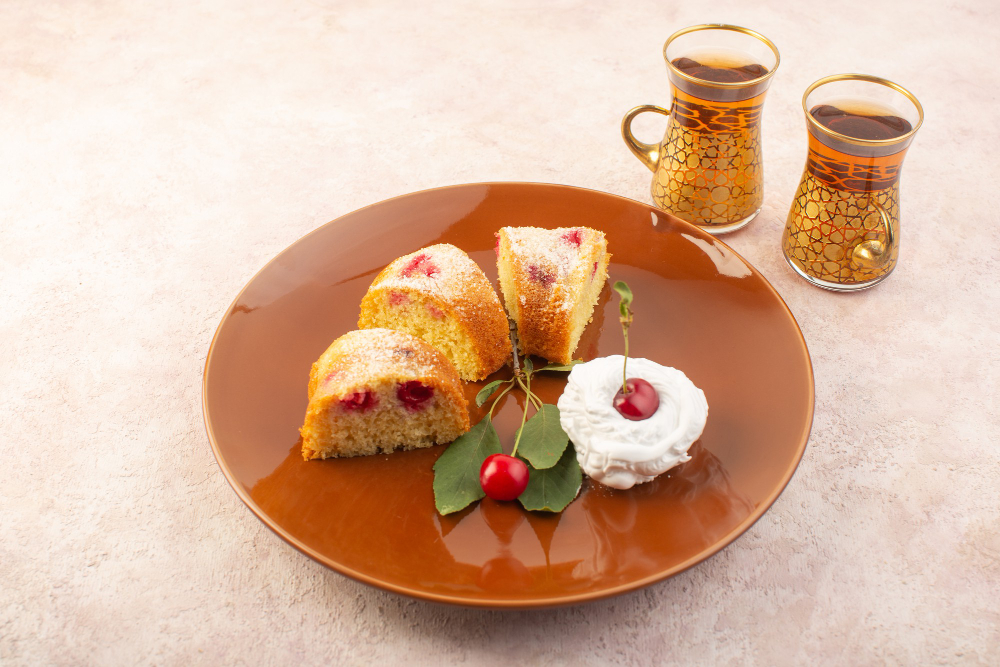
Traditional desserts often tell stories about culture, celebrations, family traditions, and the ingredients that shape regional cuisine. Across the Middle East, many sweets are prepared during religious festivals and family gatherings, combining simple ingredients with carefully developed cooking techniques. One such dessert is qatayef, a traditional stuffed pancake that is especially popular during Ramadan. Recognised for its soft, lightly cooked exterior and delicious fillings, qatayef is an important part of Middle Eastern dessert culture.
Qatayef is commonly prepared by making small pancakes from a batter containing flour, water, yeast or baking powder, and sometimes semolina. Unlike ordinary pancakes, qatayef are usually cooked on one side, creating a surface that can be folded and filled. The filling may contain sweetened cheese, nuts, sugar, cinnamon, or other ingredients. Once filled, the pancake can be folded into a half-moon or sealed into a different shape before being baked, fried, or cooked according to the recipe.
The dessert is particularly associated with Ramadan, when families and communities prepare special foods for evening meals and gatherings. Qatayef is often served after iftar and is enjoyed for its sweet flavour, variety of fillings, and festive presentation. Although traditional recipes remain popular, modern versions have introduced new ingredients and preparation methods.
Exploring qatayef provides insight into Middle Eastern culinary heritage, the social importance of festive food, traditional cooking methods, and the ways in which regional desserts continue to evolve.
What Is Qatayef?
Qatayef is a stuffed Middle Eastern pancake dessert made from a soft batter and filled with sweet or savoury ingredients, although sweet versions are particularly common. The pancake is usually small and round, with a porous surface that helps it hold fillings and absorb syrup.
The batter is poured onto a hot griddle, generally without turning the pancake. As it cooks, bubbles form across the surface, creating a texture that resembles a small pancake or crumpet. The underside becomes lightly golden, while the upper surface remains soft and suitable for folding.
After cooking, the pancake is filled and shaped. Some versions are folded into a half-moon, while others are sealed around the edges to create a closed pastry. The finished qatayef may be baked, fried, or prepared using another cooking method, depending on the recipe.
Sweet syrup is often added after cooking. The syrup may be flavoured with rose water, orange blossom water, lemon juice, or other ingredients. Nuts, cream, cheese, and cinnamon are also used to provide additional flavour and texture.
The combination of soft pancake, rich filling, and fragrant syrup gives qatayef its distinctive character. Its versatility allows families and bakeries to prepare several varieties using the same basic batter.
Historical and Cultural Origins of Qatayef
Qatayef has a long history in Middle Eastern food culture. Its origins are associated with the region’s broader tradition of preparing filled pastries, pancakes, and syrup-based sweets. Over time, recipes developed in different communities, with variations in batter, fillings, shapes, and cooking methods.
The precise historical development of qatayef is discussed through different culinary traditions and historical accounts. The dessert has become particularly associated with Arab communities and Ramadan celebrations. Its preparation during this period reflects the importance of food in religious, family, and social gatherings.
Traditional desserts often carry knowledge from one generation to another. Parents and grandparents may teach younger family members how to prepare the batter, select fillings, fold the pancakes, and make syrup. This process helps preserve culinary practices while allowing individual families to develop their own variations.
Qatayef’s cultural significance is therefore connected not only to its ingredients but also to the occasions on which it is prepared. The dessert is frequently associated with hospitality, generosity, and the enjoyment of shared meals.
Qatayef and Ramadan Traditions
Ramadan is a significant period for qatayef in many Middle Eastern communities. During the holy month, families often prepare special dishes for iftar, the evening meal that follows the daily fast. Sweet dishes such as qatayef may be served after the main meal or offered to guests.
The dessert’s popularity during Ramadan is connected to its festive nature and its ability to be prepared in large quantities. Families can make pancakes in advance, prepare fillings separately, and cook the filled qatayef before serving. This makes it practical for gatherings and shared meals.
Food during Ramadan often has social importance. Relatives and friends may gather for iftar, and traditional sweets provide an opportunity to share familiar flavours and celebrate together. Qatayef is part of this broader food culture, in which recipes are connected to memories, hospitality, and community.
Although qatayef is strongly associated with Ramadan, it is not limited exclusively to the holy month. It can also be prepared during other celebrations, family occasions, and special gatherings. Its connection to Ramadan, however, remains one of its most recognisable cultural features.
Main Ingredients Used in Qatayef
The basic ingredients of qatayef are relatively simple, but the final flavour depends on the combination of batter, filling, and syrup. Flour is commonly used as the foundation of the batter, while some recipes include semolina to create a particular texture.
Water or milk may be added to achieve the desired consistency. Yeast, baking powder, or a combination of leavening ingredients helps produce the bubbles and softness associated with the pancake. Sugar may be included in the batter, although the level of sweetness often comes mainly from the filling and syrup.
The filling depends on the type of qatayef being prepared. Ground walnuts, pistachios, almonds, and other nuts are common ingredients. These may be mixed with sugar, cinnamon, coconut, or aromatic flavourings. Cheese and cream are also used in several varieties.
Syrup is generally prepared with sugar and water, with lemon juice added to help balance sweetness. Rose water or orange blossom water may be included to provide a floral aroma. The amount of syrup varies according to personal taste and the specific recipe.
These ingredients demonstrate how a basic pancake can be transformed into a rich dessert through the use of texture, aroma, and carefully balanced sweetness.
How Qatayef Pancakes Are Prepared
The preparation of qatayef begins with mixing the batter. Flour, water, and leavening ingredients are combined to create a smooth mixture. The batter may be allowed to rest so that the ingredients develop the desired consistency and texture.
A small amount of batter is then poured onto a heated griddle or non-stick pan. The pancake is generally cooked on one side only. As it heats, bubbles appear on the upper surface, indicating that the batter is cooking and developing its characteristic texture.
The pancake is removed when the underside is lightly browned and the upper surface is no longer wet. It is important not to overcook the pancake because it must remain flexible enough to fold and seal around the filling.
Once the pancakes have cooled slightly, the filling is placed in the centre. The edges are folded or pressed together, depending on the preferred shape. Some versions are sealed completely, while others are folded into half-moon shapes.
The filled qatayef is then cooked again through baking, frying, or another method. The final cooking stage gives the exterior additional texture and helps warm the filling. Syrup is often added after cooking or served alongside the dessert.
Popular Types of Qatayef
Qatayef Asafiri
Qatayef asafiri is a smaller variety that is often filled with cream or a soft cheese mixture. Instead of being completely sealed and fried, the pancake may be folded partially, leaving the filling visible.
This version is generally served without deep frying, which gives it a softer texture. Crushed pistachios or other nuts may be added as decoration, while syrup or floral water provides additional flavour.
The open presentation of qatayef asafiri makes it visually appealing and allows the filling to become part of the dessert’s appearance. It is commonly associated with festive serving traditions and special occasions.
Nut-Filled Qatayef
Nut-filled qatayef is prepared using a mixture of walnuts, pistachios, almonds, sugar, and spices. Cinnamon is often included, while some recipes use coconut or aromatic ingredients to create a distinctive filling.
The nut mixture provides a crunchy texture that contrasts with the soft pancake exterior. After filling, the qatayef is folded or sealed and then baked or fried. Sweet syrup is usually added to complete the dessert.
The balance between nuts, sugar, and spices makes this variety especially popular among people who enjoy rich and textured desserts. The choice of nuts may differ according to regional availability and family recipes.
Cheese-Filled Qatayef
Cheese-filled qatayef combines a soft pancake shell with a creamy or slightly salty cheese filling. Some recipes use mild cheeses, while others combine cheese with sugar or floral flavourings.
The filling becomes warm and soft during cooking. When paired with syrup, it creates a contrast between savoury richness and sweetness. This balance is a defining feature of many Middle Eastern desserts.
Cheese-filled qatayef may be prepared in different shapes and cooking styles. Some versions are fried until golden, while others are baked to achieve a lighter exterior. The choice depends on the recipe and personal preference.
Cream-Filled Qatayef
Cream-filled qatayef is another popular variation, particularly in versions that are folded without being fully sealed. The cream filling contributes a smooth and rich texture.
The dessert may be topped with chopped pistachios, powdered sugar, or a small amount of syrup. Orange blossom water or rose water can also be used to enhance the aroma.
Because cream is delicate, storage and serving temperatures require attention. Freshly prepared versions are often enjoyed soon after assembly to preserve the texture and flavour of the filling.
The Role of Sweet Syrup
Sweet syrup is an important component of many qatayef recipes. It provides sweetness, moisture, and aroma while helping bring the different elements of the dessert together.
The syrup is generally prepared by heating sugar and water until the mixture reaches the required consistency. Lemon juice may be added to balance the sweetness and help prevent unwanted crystallisation. Some recipes include rose water or orange blossom water for fragrance.
The amount of syrup used can significantly affect the final texture. A moderate quantity can provide sweetness without making the pancake excessively soft, while too much syrup may overpower the filling or reduce the contrast between the exterior and interior.
Some people prefer to pour syrup over the finished qatayef, while others serve it separately. This allows individuals to adjust the sweetness according to their preferences.
Flavoured syrup also contributes to the identity of the dessert. Floral ingredients such as rose water and orange blossom water are widely associated with Middle Eastern sweets and provide a characteristic fragrance.
Baking and Frying Methods
Qatayef can be prepared using different cooking methods. Frying is traditionally used for certain varieties and creates a crisp, golden exterior. The filled pancakes are placed in hot oil and cooked until the outside develops the desired colour and texture.
Baking is another option. Baked qatayef may require less oil and can produce a firm, lightly crisp surface. The final texture depends on the oven temperature, cooking time, filling, and amount of syrup used.
The choice between baking and frying can be influenced by family traditions, dietary preferences, and desired texture. Fried versions often have a richer mouthfeel, while baked varieties may appeal to people who prefer a different preparation method.
Neither method defines every form of qatayef. Recipes vary considerably, and the cooking technique is often selected according to the specific filling and shape of the dessert.
Flavours and Textures of Qatayef
The sensory appeal of qatayef comes from the interaction of several textures and flavours. The pancake shell is usually soft before the final cooking stage, while the exterior may become crisp after baking or frying.
Nut fillings introduce crunch and a roasted flavour. Cheese and cream create smoothness and richness, while cinnamon and floral waters provide aroma. Syrup adds sweetness and moisture, helping the filling and pancake work together.
The contrast between soft, crisp, creamy, and crunchy elements makes qatayef more complex than an ordinary pancake. Each bite may contain several different sensations depending on the filling and preparation method.
The flavour can also vary according to the syrup and toppings. Pistachios, walnuts, coconut, cinnamon, rose water, and orange blossom water are used in different combinations. These ingredients allow cooks to create versions that reflect personal and regional preferences.
Qatayef in Family and Community Gatherings
Food plays an important role in bringing families and communities together, particularly during festivals and religious celebrations. Qatayef is often prepared in large quantities when relatives and friends gather for meals.
The preparation process itself can become a shared activity. One person may prepare the batter, another may make the filling, and others may shape or cook the pancakes. This division of work reflects the social nature of traditional cooking.
Serving qatayef also demonstrates hospitality. Offering homemade sweets to guests is a common way of expressing generosity and welcoming visitors. The dessert’s association with celebrations adds to its emotional and cultural value.
Recipes may be passed down through families, with each generation making small changes. Some families prefer nut fillings, while others favour cheese or cream. These variations create personal connections between food and memory.
Nutritional Considerations
Qatayef is a dessert, and its nutritional composition depends on the ingredients, size, filling, and cooking method. The pancake batter generally contains carbohydrates, while nuts, cheese, and cream contribute varying amounts of protein and fat.
Nut-filled versions may provide some protein, fibre, and minerals from nuts, but the addition of sugar and syrup increases the overall sweetness and energy content. Cheese and cream fillings can also contribute fat and, depending on the ingredients, sodium or added sugar.
Fried qatayef generally absorbs some oil during cooking, which can affect its calorie content. Baked versions may have a different nutritional profile, although the filling and syrup remain important factors.
Qatayef can be enjoyed as part of a varied diet, particularly when portion sizes and frequency are considered. The nutritional value of one recipe should not be assumed to apply to every version because ingredients and preparation methods differ.
Modern Adaptations of Qatayef
Traditional qatayef recipes continue to inspire modern variations. Home cooks, bakeries, and restaurants may experiment with new fillings, cooking techniques, and presentation styles while retaining the basic concept of the stuffed pancake.
Contemporary fillings may include chocolate, dates, fruit, flavoured cream, or different types of nuts. Some recipes use alternative sweeteners or adapt the batter to meet specific dietary preferences. These versions reflect changing consumer tastes and the growing interest in creative desserts.
Modern presentation may also include decorative toppings, layered serving styles, or smaller portions designed for dessert menus. Social media has increased the visibility of visually appealing qatayef, particularly varieties with colourful fillings and elaborate garnishes.
Despite these changes, traditional nut, cheese, and cream fillings remain important. Modern innovation can expand the range of flavours available without removing the historical and cultural significance of the original dessert.
Qatayef and Middle Eastern Culinary Heritage
Qatayef represents the importance of desserts in Middle Eastern culinary heritage. Its preparation combines familiar ingredients with techniques that require attention to texture, timing, and presentation.
The dessert also reflects the influence of seasonal celebrations and religious traditions on food culture. Its association with Ramadan shows how particular dishes become connected to specific times of the year and shared community experiences.
Preserving qatayef traditions involves maintaining recipes, teaching preparation methods, and recognising the cultural context in which the dessert is enjoyed. Bakeries and families both contribute to keeping these practices active.
At the same time, culinary traditions naturally change. Different regions and generations may develop their own interpretations of qatayef. These variations demonstrate that heritage food is not necessarily fixed but continues to evolve through everyday cooking and cultural exchange.
The International Recognition of Qatayef
As interest in Middle Eastern cuisine grows, qatayef has become more familiar to audiences outside the region. Restaurants, food festivals, cooking websites, and international bakeries have helped introduce the dessert to people who may not have encountered it before.
Its stuffed structure makes it adaptable to different culinary settings. The basic pancake can be filled with ingredients that suit local preferences while still following the traditional preparation concept.
International interest can support greater appreciation of Middle Eastern food traditions. However, it is important to recognise the cultural origins of qatayef and understand that recipes vary between countries, communities, and families.
When traditional desserts are introduced to new audiences, explaining their history and customary serving practices can create a more meaningful food experience. Qatayef offers an example of how a regional dessert can gain wider recognition while remaining connected to its cultural roots.
Conclusion
Qatayef is a traditional stuffed pancake dessert that holds an important place in Middle Eastern food culture. Its soft pancake shell, rich fillings, fragrant syrup, and variety of cooking methods make it a distinctive and versatile sweet dish.
Strongly associated with Ramadan, qatayef is also enjoyed during family gatherings, celebrations, and other special occasions. Its preparation reflects the importance of hospitality, shared meals, and culinary knowledge passed from one generation to another.
From nut-filled and cheese-filled varieties to cream-based and modern adaptations, qatayef demonstrates the creativity of Middle Eastern dessert traditions. Baking and frying methods allow cooks to produce different textures, while ingredients such as cinnamon, pistachios, rose water, and orange blossom water contribute to its characteristic flavour.
As qatayef becomes increasingly known around the world, its cultural background remains essential to understanding its significance. More than a sweet pancake, it is a representation of tradition, celebration, craftsmanship, and the enduring connection between food and community.
Online Internship with Certificate
You may be interested

Swedish Semla: The Cream-Filled Traditional Bun
Anshika Jain - September 18, 2026Swedish semla is a traditional Scandinavian sweet bun known for its soft cardamom-flavoured bread, rich almond filling, and generous layer of whipped cream. Often enjoyed during the…
Pastel de Nata: Portugal’s Famous Creamy Custard Tart
Anshika Jain - September 18, 2026Every country has traditional foods that reflect its history, culture, and culinary creativity. Some dishes become internationally recognised because of their distinctive flavours, unique preparation methods, and…
Agua Fresca: Mexico’s Colourful and Refreshing Fruit Beverage
Anshika Jain - September 18, 2026Traditional beverages often reflect the culture, climate, ingredients, and lifestyle of the communities where they originate. Across the world, refreshing drinks have been developed using locally available…
Most from this category


Swedish Semla: The Cream-Filled Traditional Bun
September 18, 2026
Pastel de Nata: Portugal’s Famous Creamy Custard Tart
September 18, 2026
Agua Fresca: Mexico’s Colourful and Refreshing Fruit Beverage
September 18, 2026
Pupusas: El Salvador’s Famous Stuffed Corn Flatbread
September 18, 2026

Leave a Comment