

Swedish Semla: The Cream-Filled Traditional Bun

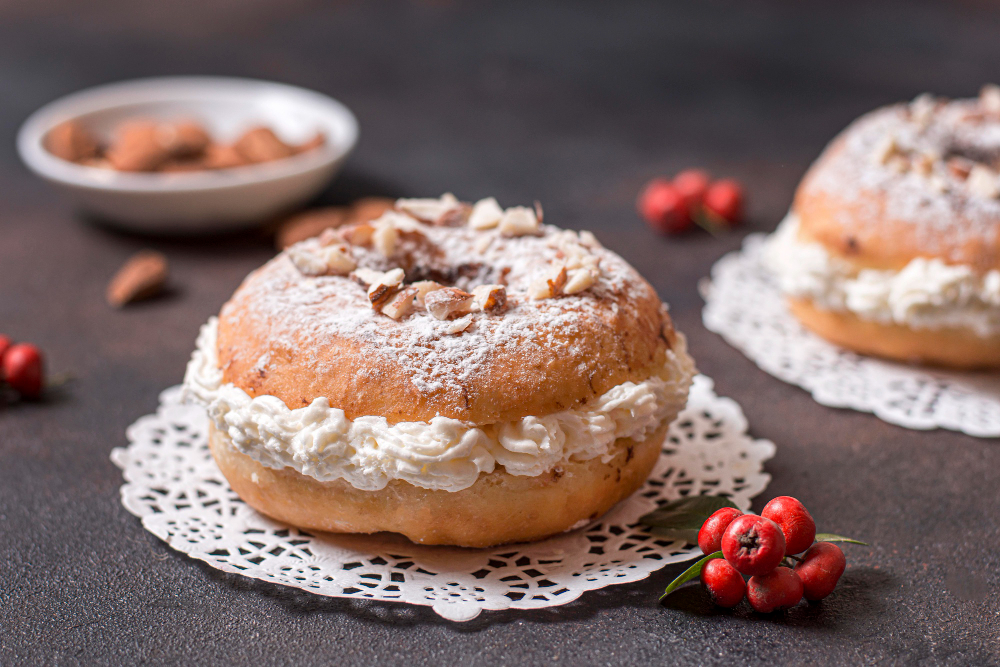
Swedish semla is a traditional Scandinavian sweet bun known for its soft cardamom-flavoured bread, rich almond filling, and generous layer of whipped cream. Often enjoyed during the winter season, particularly around Shrove Tuesday, semla has become one of Sweden’s most recognisable pastries. Its combination of comforting flavours, delicate texture, and cultural history makes it much more than an ordinary cream-filled bun.
Over time, semla has evolved from a simple festive food into a popular bakery treat enjoyed across Sweden and other Nordic countries. Although its traditional connection is associated with Lent, modern bakeries often offer semlor during an extended winter season. The pastry reflects Sweden’s culinary traditions while also showing how classic recipes can adapt to changing tastes and lifestyles.
What Is Swedish Semla?
Swedish semla, also called semla in the singular and semlor in the plural, is a round wheat bun made with cardamom. The top portion of the bun is cut off to create a lid, while the inside is filled with almond paste and a soft bread mixture. A generous layer of whipped cream is then added before the lid is placed back on top.
Traditionally, the bun is dusted with powdered sugar before serving. The result is a pastry that combines the fragrance of cardamom, the nuttiness of almonds, the softness of whipped cream, and the mild sweetness of enriched bread. Its appearance is simple, but the combination of ingredients creates a rich and satisfying dessert.
Semla is generally associated with Swedish food culture, although similar pastries and traditions can be found in neighbouring Nordic countries. The recipe and serving style may differ from one region to another, but the central idea of a sweet bun filled with almond mixture and cream remains important to the traditional version.
The Historical Origins of Semla
The history of semla is closely connected to European religious traditions and the period before Lent. In earlier times, Lent was observed as a period of fasting and dietary restrictions. Before this period began, people often prepared rich and filling foods using ingredients that might not be consumed during fasting.
The early form of semla was considerably different from the modern pastry. It was closer to a plain wheat bun, often served in warm milk. This preparation is known in Sweden as hetvägg. Over the centuries, the recipe developed as baking techniques, ingredient availability, and consumer preferences changed.
Almond paste and whipped cream became important parts of the modern semla. These additions transformed the bun into a more elaborate dessert with a richer flavour and softer texture. While its religious and seasonal background remains significant, semla is now enjoyed by many people for culinary reasons rather than strictly religious observance.
The pastry’s development demonstrates how food traditions change over time. A recipe may begin with a particular cultural or religious purpose but gradually become part of everyday food culture. Semla is an example of a traditional dish that has maintained its identity while adapting to modern eating habits.
The Main Ingredients of a Traditional Semla
The traditional semla is made from a relatively small number of ingredients, but each one contributes to its characteristic taste and texture. The bun usually contains wheat flour, milk, butter, sugar, yeast, and cardamom. These ingredients create a soft and slightly sweet bread with a warm, aromatic flavour.
Cardamom is particularly important because it gives the bun its distinctive fragrance. The spice is commonly used in Scandinavian baking and is associated with many traditional Nordic breads and pastries. Its flavour is fresh, warm, and slightly citrus-like, helping balance the richness of the cream and almond filling.
The almond filling is generally prepared using almond paste or a mixture of ground almonds and sugar. Some versions include a small amount of the removed bread crumb to create a smooth, cohesive filling. Milk or cream may be added to achieve the desired consistency.
Whipped cream provides the final layer of richness. It is usually lightly sweetened and whipped until soft but stable. Powdered sugar is used as a finishing touch, adding sweetness and giving the pastry its classic appearance.
How Swedish Semla Is Prepared
Preparing semla begins with making the enriched dough. Yeast is combined with warm milk and other ingredients before flour and ground cardamom are incorporated. Butter is added to improve the dough’s softness and flavour. The mixture is kneaded until it becomes smooth and elastic.
After kneading, the dough is allowed to rise. This fermentation stage helps the yeast produce gas, which gives the buns their light and airy texture. Once the dough has risen, it is divided into individual portions and shaped into round buns. The buns are placed on a baking tray and left to rise again before being baked.
After baking, the buns are cooled completely. A small section is cut from the top of each bun to form a lid. Some of the inner bread is removed and combined with almond paste, sugar, and liquid to prepare the filling. The almond mixture is placed inside the bun, followed by a layer of whipped cream.
Finally, the lid is placed on top and the semla is dusted with powdered sugar. The finished pastry is soft, creamy, nutty, and fragrant, with contrasting textures from the bread, filling, and cream.
The Importance of Cardamom in Scandinavian Baking
Cardamom is one of the defining ingredients in Swedish semla. Although it is used in many international cuisines, the spice has a particularly strong presence in Scandinavian baking. It appears in buns, cakes, biscuits, and festive breads.
In semla, cardamom is typically incorporated into the dough rather than the cream or almond filling. This allows its aroma to spread throughout the bread without overpowering the other ingredients. The flavour adds complexity to what might otherwise be a simple sweet bun.
The use of cardamom also connects semla to a wider Nordic baking tradition. Scandinavian pastries often combine mild sweetness with aromatic spices, creating desserts that are comforting rather than excessively sugary. This balance helps explain why semla remains popular across different age groups.
Almond Filling: The Heart of the Pastry
The almond filling is an essential part of traditional semla. Its rich, slightly grainy texture contrasts with the airy bun and smooth whipped cream. Almond paste typically contains ground almonds and sugar, although recipes vary in sweetness and consistency.
In some traditional preparations, the inside of the bun is mixed with the almond paste. This approach reduces waste and creates a moist filling that connects the bread with the nutty centre. Modern bakeries may use ready-made almond paste or prepare their own version using finely ground almonds.
The almond filling also provides a deeper flavour profile. While whipped cream contributes lightness and richness, almonds add a roasted, nutty quality. Together, the two fillings create the characteristic taste of semla.
People with nut allergies need to be careful because almond paste is a central ingredient in the traditional recipe. Bakeries may offer alternative fillings, but these should not be assumed to be allergen-free without checking the ingredients and preparation practices.
Whipped Cream and the Modern Semla
Whipped cream gives semla its recognisable appearance and soft texture. It is usually placed above the almond filling in a generous layer, creating a contrast between the dense centre and airy cream.
The cream is generally whipped with little additional sugar because the bun and almond filling already provide sweetness. Some modern variations use flavoured cream, chocolate, berries, or other ingredients, but these versions differ from the traditional recipe.
Contemporary bakeries sometimes experiment with the shape and presentation of semla. Some create miniature versions, while others produce larger pastries designed for sharing. There are also variations featuring alternative fillings, different toppings, or modern dessert combinations.
These adaptations show how traditional foods can remain relevant in changing food cultures. While some consumers prefer the classic combination, others enjoy trying new flavours inspired by the original pastry.
Semla and Shrove Tuesday Traditions
Semla has a strong historical connection with Shrove Tuesday, the day before the beginning of Lent in the Christian calendar. In earlier traditions, people used this period to enjoy rich foods before fasting. Sweet buns such as semla became associated with the occasion.
In Sweden, semla is often connected with Fettisdagen, which translates approximately to Fat Tuesday. The day traditionally represented an opportunity to enjoy rich and celebratory foods. Although modern eating habits have changed, the association between semla and the winter festive season remains strong.
Today, Swedish bakeries often begin selling semlor well before Shrove Tuesday. This extended selling period has generated interest among customers who look forward to the pastry each year. The seasonal appearance of semla has become a familiar part of Swedish food culture.
The pastry also demonstrates how food traditions can continue even when their original context changes. Many people now eat semla because they enjoy its flavour, texture, and cultural identity rather than because they are observing a religious fast.
Regional and Nordic Variations
Although Swedish semla is one of the best-known versions, similar pastries are found in other Nordic countries. Differences may appear in the shape of the bun, the filling, the spices, and the way it is served.
In some traditions, the bun is served in warm milk, reflecting the older hetvägg style. Other versions may use jam, custard, or different nut fillings. The exact preparation depends on local customs and family recipes.
Swedish semla is generally recognised by its cardamom bun, almond filling, whipped cream, and powdered sugar. However, individual bakeries may interpret these elements differently. Some prefer a strong almond flavour, while others focus on the balance between bread and cream.
These variations highlight the diversity within Nordic baking. A single pastry tradition can have multiple forms while maintaining a shared cultural connection.
The Cultural Significance of Semla in Sweden
Food often serves as a way to connect people with seasonal celebrations, family memories, and national traditions. Semla occupies this role in Sweden. Its appearance in bakeries during winter creates a sense of anticipation and familiarity.
For many people, eating semla is part of a seasonal ritual. Families may purchase the pastries from local bakeries, prepare them at home, or compare different versions offered by pastry shops. The tradition also creates opportunities for social gatherings and shared experiences.
Semla’s popularity reflects the importance of baking in Swedish culture. Baked goods are often associated with hospitality, coffee breaks, celebrations, and everyday moments of relaxation. Semla fits naturally into this culture because it can be enjoyed with coffee, tea, or another warm beverage.
The pastry’s cultural value is therefore not limited to its ingredients. It also represents continuity, seasonal identity, and the preservation of traditional baking practices.
Semla and the Swedish Coffee Break
Swedish food culture is widely associated with fika, a social coffee break that often includes conversation and something sweet to eat. Although semla is particularly connected to the winter season, it fits naturally into the tradition of enjoying baked goods with a warm drink.
The soft bun and cream filling pair well with coffee, whose bitterness can balance the pastry’s sweetness. Tea and other hot beverages are also suitable accompaniments.
The experience of eating semla is often as important as the pastry itself. Sitting with friends, family, or colleagues and sharing a seasonal treat creates a relaxed social atmosphere. This connection between food and social interaction helps traditional pastries remain meaningful in modern life.
Nutritional Considerations
Semla contains several energy-dense ingredients, including wheat flour, butter, sugar, almonds, and whipped cream. These ingredients contribute to its rich taste and satisfying texture, but they also make the pastry relatively high in calories, fats, and carbohydrates.
Almonds provide some protein, fibre, and unsaturated fats, while dairy ingredients contribute nutrients such as calcium and protein. However, the overall nutritional value depends on the size of the bun, the amount of filling, and the recipe used.
Semla is generally enjoyed as an occasional dessert rather than as a primary source of nutrition. Portion size and overall dietary patterns are relevant when including rich pastries in a balanced eating routine. People with food allergies, dietary restrictions, or specific health concerns should review the ingredients carefully.
Alternative versions may use plant-based cream, reduced sugar, or different fillings. However, changes in ingredients can affect the texture and flavour of the final pastry.
How Modern Bakeries Are Reimagining Semla
Traditional pastries often experience renewed popularity when bakeries introduce creative variations. Semla has inspired many modern interpretations, including chocolate semla, berry-filled semla, pistachio versions, and miniature formats.
Some bakeries experiment with different creams or fillings, while others change the presentation to create a more contemporary dessert. These innovations may attract younger customers and people who want to explore traditional foods through new flavours.
However, the growth of variations also raises questions about authenticity. Some consumers prefer the traditional recipe because of its cultural and historical value. Others appreciate creativity and believe that adaptations help traditional foods remain relevant.
Both approaches can exist together. Classic semla preserves the original identity of the pastry, while innovative versions allow bakers to explore new combinations without completely abandoning the foundation of the recipe.
Making Semla at Home
Preparing semla at home can be a rewarding baking project for people interested in Scandinavian food traditions. The recipe requires patience because the dough must rise properly before baking. Measuring ingredients accurately and allowing enough time for fermentation can improve the final texture.
Home bakers can adjust the sweetness of the almond filling and whipped cream according to personal preference. The amount of cardamom can also be modified, although reducing it significantly may change the traditional flavour.
The buns should be cooled before filling to prevent the cream from melting. Whipped cream is best prepared shortly before serving, while the almond filling should be moist but not excessively liquid.
Homemade semla also offers an opportunity to learn about yeast baking, dough development, spice balance, and pastry presentation. For beginners, it can be an accessible introduction to traditional European baking techniques.
Serving and Enjoying Swedish Semla
Semla is usually served fresh, when the bun remains soft and the whipped cream retains its texture. Powdered sugar is added shortly before serving to maintain its appearance.
The pastry can be enjoyed as a dessert, an afternoon snack, or part of a seasonal coffee break. Its rich filling means that even one bun can feel satisfying. Some people prefer eating the pastry slowly to experience the different layers separately, while others combine the bread, almond paste, and cream in every bite.
The ideal serving method depends on personal preference and local tradition. The important elements are the softness of the bun, the flavour of the almond filling, and the balance between cream and sweetness.
Why Semla Remains Popular Today
The continuing popularity of semla can be understood through several factors. Its seasonal availability creates anticipation, while its traditional ingredients offer a familiar taste. At the same time, modern variations allow bakeries to appeal to changing preferences.
Semla also benefits from the wider interest in cultural foods and traditional recipes. As people explore international cuisines, pastries such as semla provide a way to understand a country’s history through its food.
The dessert’s visual appeal contributes to its popularity as well. The rounded bun, white whipped cream, almond filling, and powdered sugar create a distinctive presentation that is easy to recognise and share through social media.
Despite these modern influences, the pastry’s foundation remains rooted in Swedish baking traditions. This combination of history, flavour, and adaptability has helped semla remain an important part of the Scandinavian food landscape.
Conclusion
Swedish semla is much more than a cream-filled bun. It is a pastry shaped by religious history, Scandinavian baking traditions, seasonal celebrations, and modern culinary creativity. Its cardamom-flavoured bread, almond filling, and whipped cream create a combination that is both comforting and distinctive.
From its historical connection to Lent to its modern presence in Swedish bakeries, semla demonstrates how traditional foods can evolve while retaining their cultural identity. Whether enjoyed in a classic form or explored through contemporary variations, semla offers a delicious introduction to Sweden’s rich baking heritage.
As interest in global food traditions continues to grow, Swedish semla remains an appealing example of how simple ingredients can become part of a meaningful culinary experience.
Online Internship with Certificate
You may be interested
Qatayef: The Traditional Stuffed Pancake Dessert
Anshika Jain - September 18, 2026Traditional desserts often tell stories about culture, celebrations, family traditions, and the ingredients that shape regional cuisine. Across the Middle East, many sweets are prepared during religious…
Pastel de Nata: Portugal’s Famous Creamy Custard Tart
Anshika Jain - September 18, 2026Every country has traditional foods that reflect its history, culture, and culinary creativity. Some dishes become internationally recognised because of their distinctive flavours, unique preparation methods, and…

Agua Fresca: Mexico’s Colourful and Refreshing Fruit Beverage
Anshika Jain - September 18, 2026Traditional beverages often reflect the culture, climate, ingredients, and lifestyle of the communities where they originate. Across the world, refreshing drinks have been developed using locally available…
Most from this category
Qatayef: The Traditional Stuffed Pancake Dessert
September 18, 2026
Pastel de Nata: Portugal’s Famous Creamy Custard Tart
September 18, 2026
Agua Fresca: Mexico’s Colourful and Refreshing Fruit Beverage
September 18, 2026
Pupusas: El Salvador’s Famous Stuffed Corn Flatbread
September 18, 2026

Leave a Comment