

Chiroti: India’s Delicate Layered Sweet That Looks Like a Pastry

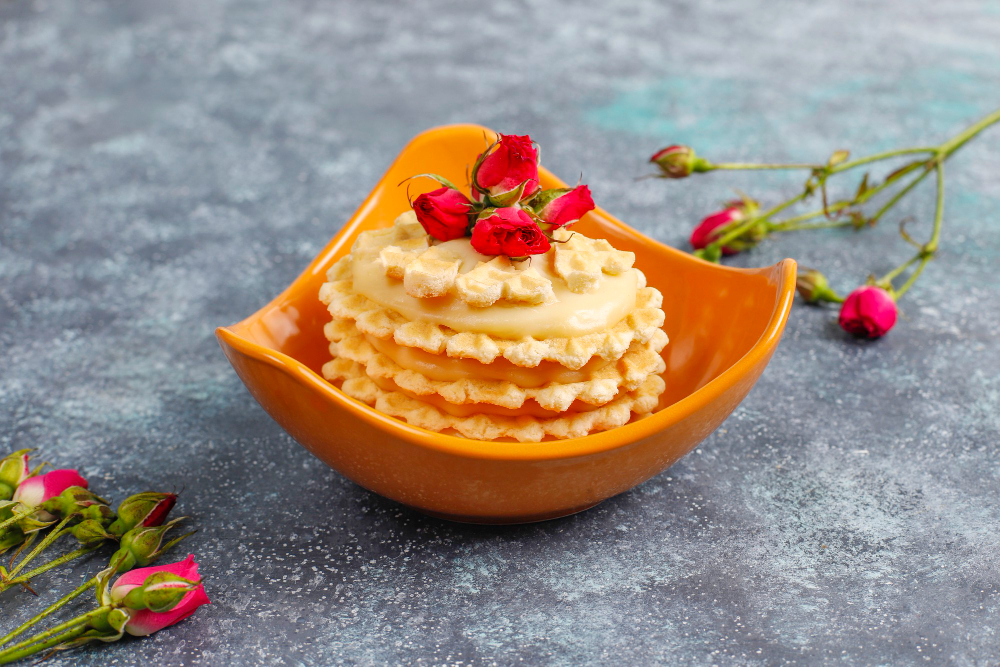
Indian cuisine is filled with sweets that reflect the history, ingredients, and culinary techniques of the regions where they originated. While some Indian desserts are famous for their rich milk-based textures or syrup-soaked sweetness, others are defined by craftsmanship and intricate preparation. Chiroti is one such traditional sweet. Light, flaky, layered, and delicately crisp, Chiroti can look surprisingly similar to a pastry, even though its roots belong to the traditional sweet-making culture of India.
Chiroti is particularly associated with southern and western parts of India, with different regional versions found in Karnataka, Maharashtra, Andhra Pradesh, Telangana, and other areas. Depending on the region and household, it may be prepared with variations in flour, shape, frying method, and serving style. Some versions are finished with powdered sugar, while others are served with sweetened milk, syrup, or other accompaniments.
What makes Chiroti fascinating is the technique used to create its layers. The dough is rolled thin, layered with ghee or fat, folded or rolled, and then shaped before being fried. When prepared properly, these layers separate during cooking, producing the flaky texture that gives Chiroti its pastry-like appearance.
Beyond its taste and texture, Chiroti represents an important part of India’s festive food culture. It is often prepared during celebrations, religious occasions, weddings, and family gatherings. Its delicate structure requires more attention than many everyday sweets, which makes it especially suitable for occasions when food is used to express hospitality and celebration.
What Is Chiroti?
Chiroti is a traditional Indian sweet made from a flour-based dough that is transformed into multiple thin layers before being fried. The finished sweet can have a crisp outer texture with delicate, flaky layers inside. It is usually finished with sugar or served alongside a sweet accompaniment.
The exact preparation differs across regions. In some versions, the dough is made primarily with refined flour, while others may use semolina or combinations of different flours. Ghee is often important because it helps create separation between the layers and contributes a rich aroma.
After the dough has been rolled and layered, it is shaped into discs or other forms and deep-fried until crisp. Powdered sugar may then be sprinkled over the surface, or the Chiroti may be served with sweetened milk or another accompaniment.
Its appearance is one of its most distinctive characteristics. When the layers open during frying, the finished sweet develops a flaky structure that can remind people of puff pastry or other layered baked goods.
The Regional Identity of Chiroti
Chiroti is particularly well known in South Indian culinary traditions, especially in Karnataka. It is also prepared in parts of Maharashtra, Andhra Pradesh, Telangana, and other regions, where local recipes may differ.
The variations are an important part of understanding Chiroti. Traditional Indian foods often travel across geographical boundaries, and recipes evolve as they move between communities. Ingredients, cooking techniques, preferred sweetness, and serving traditions can all change.
In Karnataka, Chiroti is commonly associated with festive meals and special occasions. It can appear as part of a larger traditional spread, where several dishes are served together. In other regions, similar preparations may be known by different names or have slightly different shapes and textures.
Rather than having a single rigid identity, Chiroti can therefore be understood as a family of related layered sweets connected by a shared technique.
Why Does Chiroti Look Like a Pastry?
The pastry-like appearance of Chiroti comes from the way the dough is layered. Unlike a simple fried sweet, the dough is repeatedly rolled, folded, and separated using ghee or another fat.
This process creates multiple thin sheets within the dough. When the layered dough is fried, moisture inside the layers turns into steam, helping the layers separate and creating the characteristic flaky structure.
The result can resemble a laminated pastry even though the cooking method and cultural context are different. The similarities are mainly visual and textural rather than evidence that Chiroti developed from Western pastry traditions.
This resemblance makes Chiroti particularly interesting in the context of global food culture. Different culinary traditions can independently develop techniques that create similar textures. In Chiroti, the combination of thin dough, fat, layering, and frying produces an effect that looks surprisingly close to pastry.
The Importance of Layering
Layering is the heart of Chiroti preparation. The dough must be rolled thin enough to create delicate sheets but strong enough to survive the shaping and frying process.
Ghee or another suitable fat is applied between layers. The dough may then be folded or rolled into a layered structure before being cut and shaped. The number of layers and the exact method vary from one recipe to another.
This process requires patience because the quality of the final sweet depends heavily on how evenly the dough is rolled and layered. If the sheets are too thick, the finished Chiroti may become heavy rather than delicate. If they are too thin or handled roughly, they may tear before cooking.
The layering technique is therefore more than a visual feature. It determines the texture of the final product and gives Chiroti its characteristic identity.
The Role of Ghee
Ghee plays an important role in many traditional Indian sweets, and Chiroti is no exception. Its rich aroma complements the sweetness while also helping create the separation between dough layers.
When ghee is used between thin sheets of dough, it prevents them from sticking completely together. During frying, the layers can then expand and separate, creating the flaky structure associated with Chiroti.
The flavour of ghee also adds depth to the dessert. Because Chiroti contains relatively few major ingredients, the quality and quantity of the fat can have a noticeable effect on the final taste.
Some contemporary recipes may use other fats, but traditional preparations often value ghee for both its culinary and cultural significance.
How Chiroti Is Traditionally Prepared
The preparation begins by making a soft dough from flour and other selected ingredients. The dough is kneaded until it becomes smooth and manageable, after which it is divided into portions.
The portions are rolled into thin sheets. Ghee is spread across the surface, and the sheets are layered or rolled together. The resulting layered dough is then divided into smaller pieces and shaped into discs or other traditional forms.
The shaped pieces are carefully fried in hot oil or ghee until they become crisp and develop a light golden appearance. After frying, excess oil is allowed to drain before the sweet is finished with sugar or served with an accompaniment.
The process may sound straightforward, but achieving consistently thin and separate layers requires experience. Temperature control is also important because the sweet needs to cook through without becoming excessively dark or oily.
The Difference Between Chiroti and Other Indian Sweets
Indian cuisine contains many fried sweets, but Chiroti has a distinctive identity because of its layered structure. Sweets such as jalebi depend on syrup and a fermented or batter-based structure, while gulab jamun is soft and syrup-soaked. Mysore pak is dense and rich, whereas laddus are generally compact and rounded.
Chiroti is different because its texture is central to the eating experience. The crisp exterior and delicate layers create a sensation that is closer to flaky pastry than to many conventional Indian sweets.
This textural diversity demonstrates the range of techniques present in Indian confectionery. A single category called “Indian sweets” can include soft milk desserts, crisp fried foods, syrup-soaked preparations, dense nut-based sweets, steamed cakes, and layered delicacies.
Chiroti During Festivals and Special Occasions
Chiroti is often connected with festivals, celebrations, weddings, and other special occasions. Traditional Indian celebrations frequently involve elaborate meals, and sweets play an important role in welcoming guests and marking important events.
The preparation of Chiroti can require more time and care than everyday snacks, making it appropriate for occasions when families are willing to invest additional effort in cooking.
Its attractive layered appearance also makes it suitable for serving to guests. A neatly prepared Chiroti can look elegant on a festive plate, especially when dusted with powdered sugar or served alongside a contrasting sweet accompaniment.
Food at celebrations is rarely only about nourishment. It can represent hospitality, family traditions, regional identity, and the continuation of recipes passed through generations. Chiroti carries these meanings alongside its distinctive taste.
Chiroti With Sweetened Milk
One of the most interesting ways to serve Chiroti is with sweetened milk. Instead of simply dusting the fried sweet with sugar, some traditional serving styles involve pouring or offering sweetened milk alongside it.
The combination creates a contrast between crisp, flaky Chiroti and cool or warm milk. The milk can soften the layers slightly while adding creaminess to the dessert.
This serving style also demonstrates how Indian desserts frequently combine contrasting textures. A crunchy or flaky base may be paired with a soft, creamy, or syrupy component to create a more complex eating experience.
Depending on the region, the milk may be flavoured with ingredients such as cardamom or saffron, adding aroma and colour to the dish.
Powdered Sugar and Other Finishing Styles
Another common way to serve Chiroti is by coating or dusting it with powdered sugar. The fine sugar adheres to the surface and adds sweetness without introducing a heavy syrup.
This approach allows the flaky texture to remain prominent. Each bite can provide crisp layers followed by a light sweetness from the sugar.
Different households may use different amounts of sugar depending on personal taste. Some versions are relatively mild, allowing the flavour of ghee and the fried dough to remain noticeable, while others are considerably sweeter.
Modern variations may also introduce nuts, cardamom, saffron, or other ingredients. These additions can create new flavour combinations while preserving the essential layered structure.
The Skill Behind Making Thin Layers
One of the reasons traditional Chiroti is valued is the skill required to produce good layers. The dough needs to be flexible but not overly soft, and the sheets need to be rolled evenly.
Experienced cooks develop an understanding of the dough through touch. They can recognize when it is ready to roll, how much ghee should be applied, and how tightly the layers should be folded.
These details are difficult to capture completely in a written recipe. Measurements can provide a starting point, but traditional food preparation often involves sensory knowledge developed through repeated practice.
This is one reason why family recipes can produce noticeably different results even when the ingredient list appears almost identical.
Chiroti as an Example of Culinary Craftsmanship
Traditional sweets often reveal the craftsmanship hidden behind apparently simple foods. Chiroti is a good example because the ingredient list is relatively modest, but the preparation technique requires considerable attention.
The cook has to manage dough consistency, layering, shaping, frying temperature, and final presentation. Each stage influences the final texture.
This emphasis on technique reflects a broader feature of Indian culinary culture. Many traditional foods rely on knowledge that is developed through repetition rather than precise industrial measurement.
Chiroti therefore represents more than a recipe. It represents a way of cooking in which skill, timing, and experience transform ordinary ingredients into something special.
Chiroti and the Diversity of Indian Regional Cuisine
One of the most fascinating aspects of Chiroti is the way it demonstrates India’s regional culinary diversity. A dish can have different versions across states and communities while maintaining a recognizable core identity.
The use of flour, ghee, sugar, and frying may appear simple, but regional variations can produce different textures and serving traditions.
This diversity is common across Indian cuisine. Similar ingredients can create completely different dishes depending on geography, climate, agricultural practices, cultural traditions, and historical influences.
Chiroti is therefore not simply an isolated sweet. It is part of a much larger culinary landscape in which recipes evolve while maintaining connections to local traditions.
Chiroti in Modern Food Culture
Modern food culture has created new opportunities for traditional Indian sweets to reach wider audiences. Social media, food blogs, restaurants, and online marketplaces have made it easier for people to discover regional foods that may not be available in their local communities.
Chiroti is particularly suited to visual food content because its layers are easy to photograph and demonstrate. Breaking or cutting a well-made Chiroti can reveal the intricate structure inside, creating an immediate visual connection with viewers.
Its resemblance to pastry can also make it interesting to international audiences. Someone unfamiliar with Indian sweets may recognize the flaky appearance and become curious about its ingredients and history.
At the same time, the growing popularity of traditional foods creates an opportunity to explain their regional origins rather than presenting them simply as novelty desserts. Understanding the cultural background makes the experience of discovering Chiroti more meaningful.
Modern Variations of Chiroti
Contemporary cooks may experiment with Chiroti by changing its filling, flavouring, or presentation. Ingredients such as nuts, cardamom, saffron, or other aromatic elements can be incorporated into the traditional structure.
Some versions may also alter the sweetness or use different methods to create the layers. These variations can make the dessert suitable for changing dietary preferences and modern tastes.
However, the core idea remains the same: a carefully layered dough transformed through frying into a delicate, flaky sweet.
Modern interpretations can help keep traditional foods relevant, but the traditional form remains important because it preserves the original culinary technique and cultural connection.
Why Chiroti Deserves More Recognition
Chiroti represents a fascinating part of Indian food culture that can easily be overlooked because more internationally famous sweets often dominate discussions of Indian cuisine.
Its pastry-like appearance, however, provides an immediate point of curiosity. The dessert shows that Indian confectionery includes highly intricate layered preparations in addition to the better-known milk sweets and syrup-based desserts.
Its preparation also demonstrates the value of culinary craftsmanship. A small number of ingredients become something distinctive through careful layering, frying, and serving.
For food lovers interested in regional cuisine, Chiroti offers a way to explore Karnataka and other parts of India through a traditional dessert that combines history, technique, texture, and celebration.
Preserving the Tradition of Chiroti
Traditional foods survive when culinary knowledge is passed between generations. Chiroti requires more than simply knowing the ingredients; it requires an understanding of how the dough should be handled and layered.
As lifestyles become busier and convenience foods become more accessible, some time-intensive traditional recipes may become less common in everyday kitchens. However, festivals, family celebrations, restaurants, and regional food businesses can help maintain interest in these preparations.
Documentation also plays a role. Recording traditional recipes, techniques, regional variations, and personal stories can help ensure that future generations understand not only how a dish is prepared but why it matters.
Preserving Chiroti therefore means preserving a small but meaningful part of India’s culinary heritage.
Conclusion
Chiroti is a remarkable Indian sweet that demonstrates how simple ingredients can produce an elaborate and visually distinctive result. Its delicate layers, crisp texture, fragrant ghee, and sweet finish give it an appearance that can easily be mistaken for a traditional pastry.
Yet Chiroti has its own identity rooted in Indian culinary traditions. Associated particularly with southern and western regions, it appears in different forms and serving styles, reflecting the diversity of regional Indian cuisine.
The most fascinating part of Chiroti is the craftsmanship behind its layers. Rolling the dough thin, applying ghee, creating the layered structure, shaping it carefully, and frying it at the right temperature all require experience. The final result is a sweet in which technique becomes as important as the ingredients.
Its presence at festivals, weddings, family gatherings, and other celebrations also demonstrates how traditional sweets carry cultural meaning. They are shared as expressions of hospitality, prepared as part of celebrations, and passed between generations.
Today, Chiroti has the potential to attract new audiences because its appearance connects familiar pastry-like textures with the distinctive flavours of Indian sweets. As people explore regional foods and traditional recipes through digital platforms, dishes such as Chiroti can introduce wider audiences to the depth of India’s culinary heritage.
Ultimately, Chiroti is more than a flaky sweet. It is a reminder that Indian cuisine contains countless regional creations in which patience, technique, and tradition transform ordinary ingredients into something extraordinary. Its delicate layers may look fragile, but the culinary tradition behind them represents generations of skill and cultural knowledge.
Online Internship with Certificate
You may be interested
Patishapta: Bengal’s Rice Crepes Filled With Coconut and Sweetness
Anshika Jain - September 22, 2026Indian cuisine is filled with traditional sweets that tell stories about regional ingredients, seasonal celebrations, family traditions, and generations of culinary knowledge. Among Bengal’s most distinctive winter…
Tepache: Mexico’s Fermented Pineapple Drink and the Revival of Traditional Beverages
Anshika Jain - September 22, 2026Across the world, traditional beverages are finding a new place in modern food culture. Drinks that were once prepared mainly in homes, local communities, and traditional markets…
Pootharekulu: The Paper-Thin Indian Sweet That Looks Like Edible Silk
Anshika Jain - September 22, 2026Indian sweets are often associated with rich flavours, elaborate decorations, creamy textures, and festive celebrations. From syrup-soaked desserts to milk-based confections, the country has an enormous variety…
Most from this category
Ajvar: The Balkan Roasted Pepper Spread That Turns Simple Bread Into a Meal
Anshika Jain - September 22, 2026
Klepon: Indonesia’s Green Rice Cakes With a Surprise Jaggery Centre
Anshika Jain - September 22, 2026
Sopes: Mexico’s Small Corn-Based Street Food With Vegetarian Toppings
Anshika Jain - September 21, 2026
Ajvar: The Balkan Roasted Pepper Spread That Turns Simple Bread Into a Meal
Anshika Jain - September 22, 2026Klepon: Indonesia’s Green Rice Cakes With a Surprise Jaggery Centre
Anshika Jain - September 22, 2026Sopes: Mexico’s Small Corn-Based Street Food With Vegetarian Toppings
Anshika Jain - September 21, 2026
Patishapta: Bengal’s Rice Crepes Filled With Coconut and Sweetness
September 22, 2026
Pootharekulu: The Paper-Thin Indian Sweet That Looks Like Edible Silk
September 22, 2026

Leave a Comment