

Pootharekulu: The Paper-Thin Indian Sweet That Looks Like Edible Silk

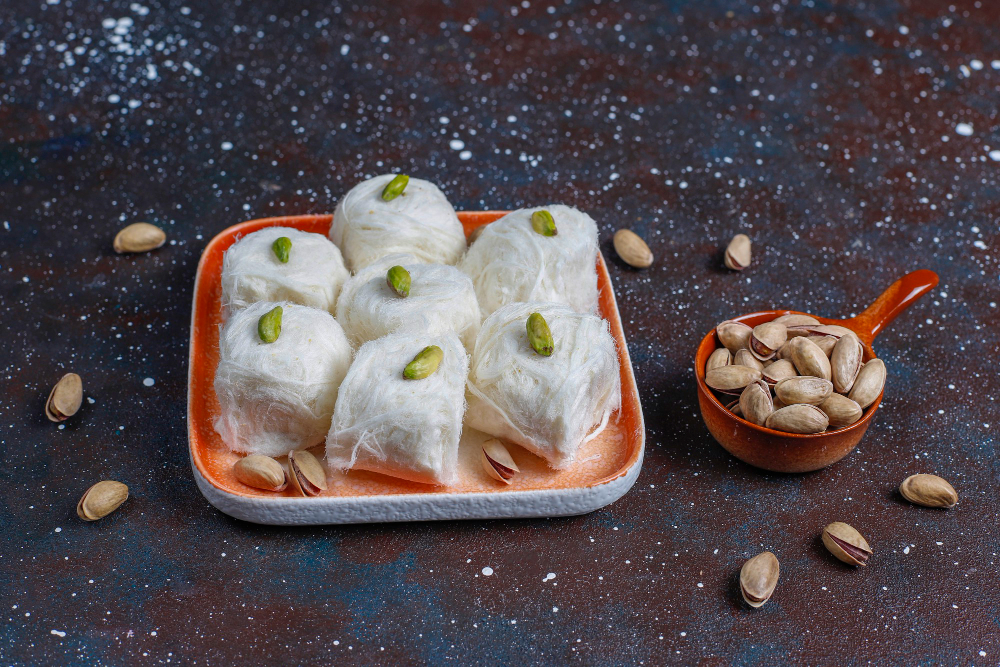
Indian sweets are often associated with rich flavours, elaborate decorations, creamy textures, and festive celebrations. From syrup-soaked desserts to milk-based confections, the country has an enormous variety of traditional sweets shaped by regional ingredients and culinary practices. Among these diverse creations, Pootharekulu stands apart because of its extraordinarily thin texture and delicate appearance.
Pootharekulu is a traditional sweet associated with Andhra Pradesh in southern India. Its name is often explained through Telugu words connected with spreading or coating, reflecting the way extremely thin layers are prepared and assembled. The finished sweet resembles folded sheets of paper or delicate pieces of edible fabric. Thin layers are combined with ghee and sugar, producing a sweet that is crisp or delicate depending on its preparation and freshness.
What makes Pootharekulu particularly fascinating is the skill involved in making it. The sweet may contain only a handful of basic ingredients, but transforming rice batter into paper-thin layers requires considerable control and experience. Traditionally, the process depends on spreading an extremely thin film of batter over a heated surface before carefully removing it and layering it with ghee and sugar.
Beyond its appearance, Pootharekulu represents an important part of Andhra culinary heritage. It demonstrates how regional Indian sweets can turn simple ingredients into highly specialized foods through technique, patience, and generations of culinary knowledge.
What Is Pootharekulu?
Pootharekulu is a traditional Andhra sweet made by creating very thin layers from rice-based batter and combining them with ingredients such as ghee and sugar. The resulting sheets are folded or layered to create a delicate confection that can almost resemble a piece of paper.
The thinness of the layers is the feature that immediately distinguishes Pootharekulu from many other Indian sweets. Instead of being shaped into balls, squares, spirals, or dense cakes, the sweet is built from fragile sheets. These layers can be folded several times, creating a light structure that breaks easily when eaten.
The basic version generally focuses on the combination of rice, ghee, and sugar. However, variations may include ingredients such as cardamom, nuts, or other fillings. Modern versions can also experiment with different flavours, but the paper-thin rice layers remain central to the identity of the sweet.
Because the preparation technique is so specialized, traditionally made Pootharekulu is often regarded as a product of skilled craftsmanship rather than simply a recipe that can be reproduced without practice.
The Andhra Pradesh Connection
Pootharekulu is strongly associated with Andhra Pradesh, where it has become a recognized traditional sweet. Andhra cuisine is known for its diversity, and sweets form an important part of celebrations, hospitality, religious occasions, and everyday food traditions.
The sweet is particularly associated with the East Godavari region and surrounding areas. Villages and towns in this part of Andhra Pradesh have historically been connected with its preparation, helping preserve the specialized technique required to produce the delicate sheets.
Like many regional Indian foods, Pootharekulu carries a geographical identity. Its ingredients may be simple, but its preparation reflects local culinary knowledge. The sweet therefore provides an example of how regional food traditions can develop highly distinctive techniques around ingredients that are otherwise common.
Its association with Andhra Pradesh has also helped make it a culinary symbol of the region. When people search for unusual Indian sweets, Pootharekulu frequently stands out because it looks unlike most other traditional desserts.
Why Does Pootharekulu Look Like Paper?
The paper-like appearance of Pootharekulu comes from the extraordinary thinness of its rice layers. Instead of spreading a thick batter onto a cooking surface, the traditional method involves creating an extremely thin coating.
The batter is prepared to a consistency that allows it to spread across the heated surface in a very fine layer. Once heated, the moisture is reduced and the layer becomes delicate enough to be lifted and used in the next stage of preparation.
The result is a sheet that can look almost translucent, especially when viewed under light. Several layers can then be combined, folded, and coated with ghee and sugar.
This unusual appearance is not simply a decorative choice. The thin layers are fundamental to the texture and eating experience of the sweet. When properly prepared, they provide a light, delicate bite rather than the dense texture associated with many traditional Indian sweets.
Rice as the Foundation of the Sweet
Rice is central to Pootharekulu, and its use reflects the importance of rice in South Indian food traditions. Instead of using refined flour as the primary structure, the sweet depends on rice-based batter to create its characteristic sheets.
The rice may be processed into a fine form suitable for preparing the batter. The quality and consistency of the batter are important because the layers need to be thin enough to create the distinctive texture without tearing during preparation.
This is one of the interesting characteristics of traditional food. A common ingredient such as rice can produce very different results depending on how it is processed. In Pootharekulu, rice becomes the foundation for a delicate confection that looks almost completely different from ordinary rice dishes.
The use of rice also connects the sweet with the broader agricultural and culinary traditions of southern India, where rice has long played an important role in regional diets.
The Importance of Ghee
Ghee is another essential component of traditional Pootharekulu. It contributes richness, aroma, and a smooth mouthfeel while helping separate the delicate layers.
When ghee is brushed or spread between the thin sheets, it prevents the layers from becoming one solid mass. Instead, the sweet maintains a layered structure that contributes to its characteristic texture.
The aroma of ghee also complements the sweetness of the sugar. Because the recipe contains relatively few ingredients, each one has a noticeable role. The fragrance of ghee can therefore become an important part of the overall sensory experience.
Ghee is widely used in Indian sweets and festive cooking, but in Pootharekulu its role becomes particularly interesting because it interacts directly with the fragile rice sheets.
Sugar and the Sweet’s Delicate Balance
Sugar provides the main sweetness in traditional Pootharekulu. It is generally added between layers along with ghee, allowing the sweetener to become part of the layered structure rather than forming a separate syrup.
The amount of sugar can influence the final texture and flavour. Too much sweetness can overwhelm the subtle rice and ghee flavours, while an appropriate amount allows the different elements to complement each other.
Some versions of Pootharekulu may use jaggery instead of refined sugar or incorporate additional ingredients for flavour. Such variations reflect the adaptability of Indian sweets, where households and confectioners often adjust recipes according to regional ingredients and personal preferences.
Despite these variations, the traditional combination of thin rice sheets, ghee, and sweetness remains the defining foundation of the dessert.
The Craft Behind Making Pootharekulu
The preparation of Pootharekulu is perhaps more impressive than the list of ingredients. Creating the thin sheets requires practice, speed, and precise control over the batter.
Traditionally, the batter is spread onto a heated surface in a way that produces an exceptionally thin layer. The process has to be performed carefully because the sheet can easily become too thick, uneven, or difficult to remove.
Once the sheet is ready, it must be handled gently. The maker applies ghee and sugar before adding another layer. Repeating this process produces the folded structure that gives Pootharekulu its characteristic appearance.
This is a clear example of a food in which technique is as important as ingredients. A person may have the correct rice, ghee, and sugar, but without knowledge of the traditional method, reproducing the desired texture can be difficult.
The expertise required to make the sweet explains why skilled preparation remains important to its identity.
A Sweet Made Through Patience
Modern food production often emphasizes speed and efficiency, but traditional Pootharekulu preparation illustrates the value of patience. Each layer needs to be thin, carefully handled, and properly combined with the next.
The process can become particularly demanding when large quantities are produced for festivals or celebrations. Maintaining consistent thickness and texture across many sheets requires concentration and experience.
This patience is part of the cultural value of the sweet. Traditional recipes often preserve knowledge that cannot be fully communicated through measurements alone. Experienced makers learn how the batter should behave, how hot the surface should be, and how the sheets should be handled.
These details may be passed through observation and practice, making Pootharekulu a culinary tradition as much as a dessert.
Pootharekulu During Festivals and Celebrations
Indian sweets are closely connected with festivals, religious occasions, weddings, family gatherings, and hospitality. Pootharekulu is no exception.
Its delicate appearance makes it particularly suitable for special occasions. The sweet can be prepared in larger quantities and arranged neatly for guests. Its unusual texture and appearance can also make it a memorable part of a festive food selection.
In Andhra communities, traditional sweets such as Pootharekulu can also be associated with gifting. Sharing sweets is an important part of Indian social culture, and regional specialties provide a way of expressing hospitality while also representing local culinary identity.
A sweet that requires specialized preparation can carry additional significance when presented as a gift. It represents not only the food itself but also the skill and tradition behind it.
The Texture of Pootharekulu
Texture is perhaps the most important characteristic of Pootharekulu after its appearance. The thin layers create a delicate bite that can be crisp, flaky, soft, or slightly brittle depending on the preparation and storage.
The combination of many fine layers produces an experience that differs from dense Indian sweets such as laddus or milk-based burfis. Instead of being compact and heavy, Pootharekulu feels light and fragile.
The ghee contributes richness, while the sugar adds sweetness and a slight crunch in some preparations. Together, the layers create a contrast between delicacy and richness.
This texture also explains why Pootharekulu can be fascinating to people trying it for the first time. The visual appearance prepares the eater for something fragile, and the actual eating experience confirms that expectation.
Flavour Variations and Modern Interpretations
Although traditional Pootharekulu is based on rice, ghee, and sugar, contemporary versions may introduce additional flavours. Cardamom is a natural companion because its fragrance works well with ghee and sugar.
Nuts can also be incorporated into some variations, adding crunch to the delicate layers. Dry fruits and other ingredients may be used for festive or premium versions.
Some modern confectioners experiment with chocolate, flavoured fillings, or other ingredients to make the sweet appealing to new audiences. While these variations may differ from traditional preparations, they demonstrate how regional sweets can evolve in response to changing tastes.
The important distinction is between preserving the traditional identity of Pootharekulu and creating new interpretations inspired by it. Both can exist alongside each other, allowing the original technique and flavour to remain visible while experimentation introduces the sweet to different consumers.
Why Pootharekulu Is Different From Other Indian Sweets
India has thousands of traditional sweets, but many are recognizable by their shapes and textures. Laddus are generally rounded and dense, jalebi is known for its spiral shape and syrupy texture, peda is compact and milk-based, while halwa is soft and rich.
Pootharekulu belongs to a different category because its identity is based on thinness and layering. Its appearance immediately communicates that it has been made through a specialized process.
The sweet also demonstrates how Indian confectionery traditions are not limited to milk, sugar syrup, and flour. Rice can become the foundation of an intricate dessert when combined with the right technique.
This diversity is one of the most fascinating aspects of Indian food culture. Regional ingredients and cooking methods have produced sweets that can look and taste completely different even when they share basic ingredients.
Pootharekulu and Andhra Culinary Heritage
Food traditions often serve as a form of cultural memory. Recipes, preparation techniques, and serving customs can connect people with particular regions and communities.
Pootharekulu is an example of this relationship between food and place. Its association with Andhra Pradesh gives it an identity that extends beyond its ingredients. The sweet represents local craftsmanship and the continuation of a specialized culinary practice.
As food becomes increasingly globalized, regional specialties can sometimes receive less attention than widely known dishes. Yet the growing interest in unique traditional foods has created new opportunities for regional sweets such as Pootharekulu.
Food enthusiasts, travel writers, chefs, and social media creators can introduce these lesser-known dishes to wider audiences, helping people discover the diversity of Indian culinary traditions.
From Traditional Kitchens to Modern Food Culture
The way people discover food has changed dramatically. In the past, a person might encounter Pootharekulu only through family, local markets, festivals, or travel to Andhra Pradesh. Today, photographs and videos can introduce the sweet to people around the world.
Its unusual appearance makes it particularly suitable for visual storytelling. A close-up image of the paper-thin layers immediately creates curiosity, while videos of the preparation process can reveal the skill involved.
This digital visibility can benefit traditional foods by creating interest among younger audiences. At the same time, preserving the context of the food remains important. A traditional sweet is more meaningful when people understand where it comes from, how it is made, and why the technique matters.
Pootharekulu therefore represents an interesting meeting point between traditional craftsmanship and modern food discovery.
The Cultural Importance of Preserving Traditional Techniques
Preserving a traditional food involves more than recording a list of ingredients. It requires maintaining the techniques and knowledge that give the food its distinctive character.
In the case of Pootharekulu, the ability to create extremely thin rice sheets is central to its identity. If the technique disappears, simply having the ingredients would not be enough to recreate the traditional experience.
This is why culinary knowledge is often passed from experienced makers to younger generations through demonstration and practice. The process can involve subtle decisions that are difficult to describe precisely in written instructions.
Preserving these skills ensures that traditional foods remain living traditions rather than becoming historical descriptions of dishes that can no longer be prepared in their original form.
Why Food Lovers Should Discover Pootharekulu
For anyone interested in traditional Indian cuisine, Pootharekulu offers a chance to explore a side of Indian sweets that is less familiar internationally. Its unusual appearance immediately distinguishes it, but its real appeal comes from the craftsmanship behind it.
The sweet demonstrates how rice can be transformed into delicate layers, how ghee can provide richness without overwhelming the dessert, and how sugar can be incorporated into a structure that resembles edible paper.
It also provides an example of how food can communicate geography and culture. Learning about Pootharekulu means learning about Andhra Pradesh, regional ingredients, traditional techniques, festive food culture, and the importance of culinary craftsmanship.
Conclusion
Pootharekulu is one of India’s most visually distinctive traditional sweets, combining simple ingredients with an unusually sophisticated preparation technique. Its paper-thin rice layers, fragrant ghee, and sweet filling create a dessert that is both delicate and richly flavoured.
What makes Pootharekulu particularly remarkable is the skill required to prepare it. The process of creating extremely thin sheets from rice-based batter demonstrates how traditional culinary knowledge can transform everyday ingredients into something extraordinary.
Its connection with Andhra Pradesh also gives the sweet a strong cultural identity. It is not simply a dessert but part of a broader regional tradition involving festivals, celebrations, hospitality, family knowledge, and specialized food craftsmanship.
As interest in regional Indian cuisine continues to grow, Pootharekulu offers an opportunity to look beyond the country’s most internationally familiar sweets. Its unusual appearance makes it memorable, but its cultural history and intricate preparation make it genuinely fascinating.
The comparison to edible silk may sound poetic, but it captures something essential about Pootharekulu. Its layers are so thin and delicate that the sweet seems almost too fragile to be food. Yet behind that delicate appearance lies generations of culinary knowledge, patient craftsmanship, and a rich regional tradition. Pootharekulu ultimately shows how Indian cuisine can turn the simplest ingredients into creations that are visually extraordinary and deeply connected to culture.
Online Internship with Certificate
You may be interested
Kharvas: The Milky Steamed Pudding That Comes From a Surprising Source
Anshika Jain - October 13, 2026Indian cuisine is filled with traditional desserts that transform simple ingredients into dishes with distinctive flavours, textures, and cultural significance. Among these lesser-known delicacies, Kharvas stands out…
Kajjikayalu: South Indian Fried Pastries With a Coconut-Sugar Filling
Anshika Jain - October 13, 2026Indian cuisine is celebrated for its remarkable variety of traditional sweets, many of which are closely connected with regional ingredients, family traditions, and festive celebrations. Among the…
Sukhiyan: Kerala’s Sweet Moong-Dal Fritters
Anshika Jain - October 13, 2026Kerala is known for its diverse culinary traditions, where coconut, jaggery, rice, lentils, and aromatic spices play an important role in everyday cooking and festive celebrations. Among…
Most from this category
Chalimidi: Andhra’s Soft Rice-Flour Sweet With an Almost Fudge-Like Texture
Anshika Jain - October 13, 2026
Neyyappam: Kerala’s Ghee-Fried Rice Sweet With a Deep Caramelised Edge
Anshika Jain - October 13, 2026
Chalimidi: Andhra’s Soft Rice-Flour Sweet With an Almost Fudge-Like Texture
Anshika Jain - October 13, 2026Neyyappam: Kerala’s Ghee-Fried Rice Sweet With a Deep Caramelised Edge
Anshika Jain - October 13, 2026

Sukhiyan: Kerala’s Sweet Moong-Dal Fritters
October 13, 2026

Leave a Comment