

Obbattu: Karnataka’s Stuffed Flatbread Dessert With a Festival Tradition

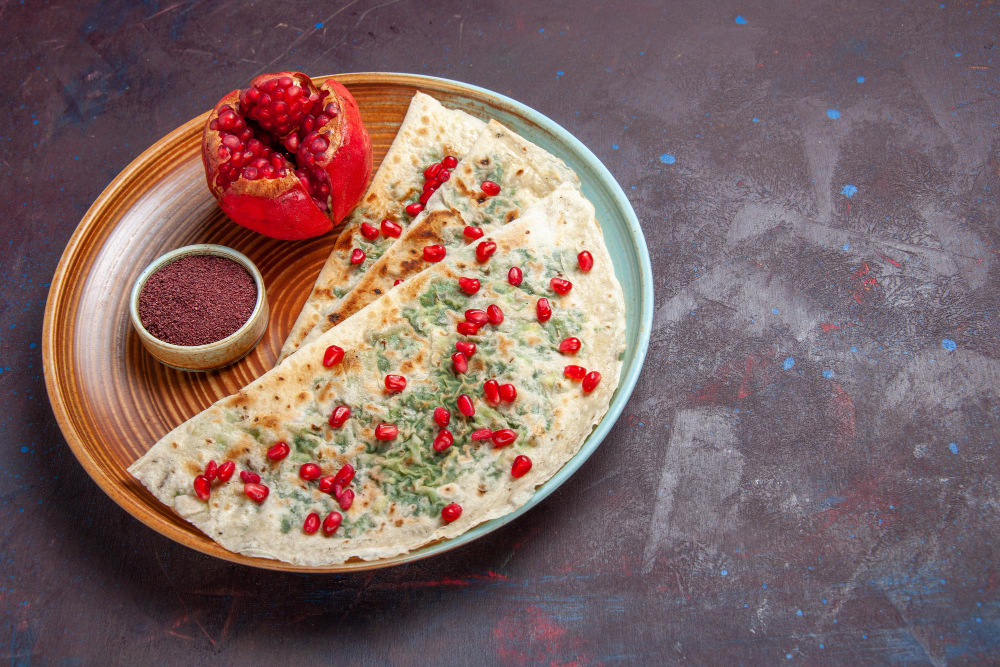
Indian cuisine is filled with traditional foods that carry meanings far beyond taste. Some dishes are closely associated with particular seasons, festivals, family gatherings, religious occasions, and regional customs. Obbattu is one such preparation. Popularly associated with Karnataka, this traditional stuffed flatbread is a beloved festive food known for its soft outer layer, sweet filling, delicate texture, and strong connection with celebrations.
Obbattu is often prepared during important festivals and special occasions across Karnataka. It is commonly made by preparing a thin dough and filling it with a sweet mixture, traditionally based on ingredients such as lentils, jaggery, coconut, cardamom, and ghee. The filled dough is then flattened carefully and cooked on a hot griddle until it develops a lightly roasted surface. Although the basic concept appears simple, preparing a good Obbattu requires considerable skill because the dough must be thin enough to complement the filling while remaining strong enough to hold it.
What makes Obbattu particularly interesting is the relationship between food and tradition. It is not simply a dessert served after a meal. In many households, preparing it is part of the festive experience itself. Families may gather in the kitchen, prepare the filling together, roll the dough, cook the flatbreads, and serve them warm with ghee or other accompaniments.
Obbattu therefore represents more than a regional sweet. It reflects Karnataka’s culinary heritage, the importance of homemade food in festive culture, and the way traditional recipes continue to connect generations.
What Is Obbattu?
Obbattu is a sweet stuffed flatbread traditionally prepared in Karnataka. It is also known by other regional names, including Holige and Puran Poli in different parts of India. While similar stuffed sweet flatbreads exist across the country, each region has developed its own ingredients, preparation methods, textures, and cultural associations.
The Karnataka-style preparation is generally made using a soft dough and a sweet filling. One of the most traditional fillings is made from cooked Bengal gram or chana dal combined with jaggery. The mixture is cooked until it becomes thick and smooth, then flavoured with cardamom. Coconut may also be included depending on the regional or family recipe.
The prepared filling is placed inside a portion of dough, which is carefully sealed and flattened into a thin round. It is then cooked on a griddle, usually with some ghee, until both sides are properly cooked. The final result is soft, aromatic, mildly sweet, and rich without necessarily being heavy.
Different households may use different proportions of ingredients and preparation techniques. Some versions contain more coconut, while others focus strongly on lentils and jaggery. The thickness of the outer layer can also vary according to family tradition.
The Cultural Identity of Obbattu in Karnataka
Food traditions often develop alongside the cultural history of a region, and Obbattu has become deeply associated with Karnataka’s festive food culture. It is particularly connected with celebrations when families prepare elaborate meals and traditional sweets at home.
In Karnataka households, festive cooking can be an important social activity. Preparing Obbattu is often more involved than preparing an everyday meal, which gives the dish a special place in celebrations. The process of making the filling, preparing the dough, shaping the stuffed portions, and cooking them requires time and attention.
The dish is especially associated with festivals and auspicious occasions. Depending on the community and region, Obbattu may be prepared during celebrations such as Ugadi and other religious or family occasions. It can also appear during weddings, special gatherings, and other important events.
This connection between Obbattu and celebrations demonstrates how traditional food can become part of cultural memory. A particular smell in the kitchen or the sight of a freshly cooked flatbread can remind people of festivals celebrated during childhood, relatives gathering at home, and meals shared with extended family.
The Ingredients Behind Its Distinctive Taste
One of the most appealing aspects of Obbattu is the contrast created by its relatively simple ingredients. Traditional versions rely on ingredients that have long been common in Indian kitchens.
Jaggery provides the characteristic sweetness of the filling. Unlike refined sugar, jaggery has a deeper caramel-like flavour that gives the dish greater complexity. When combined with cooked lentils, it creates a filling that is sweet but also earthy and substantial.
Chana dal is another important ingredient in many traditional versions. The dal is cooked until soft and then combined with jaggery before being processed into a smooth or slightly textured mixture. The balance between the lentil and jaggery determines much of the final character of the dish.
Cardamom contributes fragrance and gives Obbattu its distinctive festive aroma. In some recipes, grated coconut is added to create additional texture and flavour. Some variations may also include ingredients such as nutmeg or other aromatic spices.
The outer dough is equally important. It needs to be soft and elastic enough to stretch around the filling without breaking. Depending on the traditional recipe, the dough may be made using wheat flour, refined flour, or a combination of ingredients.
Ghee is frequently used while cooking or serving Obbattu. Its aroma complements the sweetness of jaggery and the fragrance of cardamom, while also contributing to the soft, rich texture associated with the dish.
The Art of Preparing the Filling
The filling is one of the most important components of Obbattu. A successful filling needs to have the right consistency. If it is too loose, it becomes difficult to place inside the dough. If it is too dry, the finished Obbattu may lose the soft texture that makes the dish appealing.
The lentils are generally cooked until tender and then drained properly. Jaggery is added and cooked with the lentils until the mixture thickens. The filling is then allowed to cool before being shaped into portions.
This stage requires patience because the moisture level of the mixture can significantly affect the final result. Traditional cooks often develop an intuitive understanding of the correct consistency through repeated preparation.
Once the filling reaches the desired texture, cardamom and other ingredients can be added. The mixture is then shaped into small portions that can be enclosed within the dough.
This careful preparation demonstrates why traditional Indian sweets often depend as much on technique as they do on ingredients.
Preparing the Dough
The dough for Obbattu needs to be soft, flexible, and easy to stretch. This is particularly important because the filling must be enclosed without creating cracks.
The dough is usually kneaded thoroughly and allowed to rest. Resting gives the dough time to become more flexible, making it easier to flatten and shape.
Traditional cooks often use their hands to judge the softness and elasticity of the dough. These skills may not always be written down in recipes. Instead, they are learned through observation and practice.
The dough is divided into portions, and each portion is prepared to receive the sweet filling. The filling is enclosed carefully, after which the stuffed dough is flattened gently.
This stage can be one of the most challenging parts of preparing Obbattu. Applying too much pressure can cause the filling to escape, while insufficient flattening can leave the outer layer too thick.
The Skill Behind a Thin and Soft Obbattu
A well-prepared Obbattu has a delicate balance between its outer layer and its filling. The dough should not dominate the dish. Instead, it should form a thin, soft covering that allows the flavour of the filling to remain prominent.
Achieving this requires considerable experience. The stuffed dough must be flattened carefully so that the filling spreads evenly. It is then transferred to a hot griddle and cooked on both sides.
Temperature control also matters. A griddle that is too hot may brown the outside before the inside is properly heated, while a temperature that is too low can make the cooking process unnecessarily long and may affect the texture.
Ghee can be used during cooking to improve flavour and texture. Once cooked, the Obbattu is typically served warm, when the aroma of jaggery, cardamom, and ghee is especially noticeable.
The finished flatbread should ideally remain soft rather than becoming dry or brittle.
Obbattu and Karnataka’s Festival Food Culture
The connection between Obbattu and festivals is one of the most important aspects of its identity. Indian festivals often involve special foods that are prepared only at particular times of the year. Such dishes become markers of occasion and tradition.
Obbattu fits naturally into this culture because its preparation requires more time and attention than many everyday foods. Making it can become a ritual within the larger celebration.
During festive occasions, food is often prepared in larger quantities for family members, relatives, neighbours, and guests. Traditional sweets also have a role in hospitality, allowing hosts to share something meaningful with visitors.
Obbattu’s festive importance therefore comes not only from its flavour but from the social activity surrounding it. It is a dish that can bring several generations into the kitchen, allowing older family members to demonstrate techniques while younger members observe and learn.
Regional and Household Variations
Traditional foods rarely remain identical across an entire region. Recipes change according to local ingredients, family preferences, community traditions, and individual cooking styles. Obbattu is no exception.
Some preparations emphasise chana dal and jaggery, while others incorporate coconut more prominently. The proportion of filling to dough can also vary. Certain households prefer a very thin outer layer, whereas others prepare a slightly thicker version.
The choice of accompaniments can differ as well. Warm Obbattu may be served with ghee, milk, or other traditional accompaniments depending on the occasion and household.
These variations should not necessarily be viewed as deviations from an original recipe. Instead, they demonstrate how culinary traditions remain alive by adapting to different communities and generations.
A recipe that changes slightly while retaining its central identity can continue to remain relevant rather than becoming a fixed historical artefact.
Obbattu as a Symbol of Homemade Festive Food
Modern food culture has made sweets available throughout the year. Packaged desserts, bakery products, restaurant menus, and online food delivery services allow people to purchase almost anything whenever they want.
Yet traditional homemade dishes retain a different emotional value. Their significance comes partly from the effort involved in making them.
Obbattu is a good example of this difference. A person can purchase many modern desserts easily, but preparing Obbattu at home requires time, ingredients, technique, and attention. The preparation itself becomes part of the celebration.
This is one reason traditional festive foods continue to survive even as eating habits change. They provide an experience that goes beyond consumption.
Passing the Recipe From One Generation to Another
Traditional recipes are often transmitted informally. A grandmother may teach a child how soft the dough should feel. A parent may demonstrate how much filling should be placed inside each portion. A family member may explain how to recognise the right temperature of the griddle.
Such knowledge is difficult to capture completely in written instructions. Measurements can describe ingredients, but experience often determines texture, timing, and technique.
Obbattu therefore represents a form of culinary knowledge that can be passed through families. When younger generations participate in its preparation, they are not simply learning how to make a sweet. They are also learning about regional food traditions and the cultural context in which those foods are prepared.
In this way, cooking becomes an informal form of cultural education.
Obbattu in the Modern Kitchen
Traditional foods are increasingly being adapted to modern lifestyles. People may have less time for elaborate cooking, smaller households, or different dietary preferences. Yet technology has also made traditional recipes easier to discover.
Recipe websites, cooking videos, food blogs, social media creators, and digital communities have helped regional Indian dishes reach audiences beyond their original geographical areas.
Obbattu can benefit from this digital revival. Someone who has never grown up eating the dish can discover its history online, watch preparation techniques, and experiment with the recipe at home.
This process can introduce regional foods to new audiences while also encouraging younger generations to take an interest in culinary traditions.
At the same time, modern adaptations should be understood alongside the traditional version. Changing ingredients or techniques can create new interpretations, but knowing the traditional preparation helps preserve the identity of the dish.
The Nutritional Perspective
Obbattu is primarily a festive sweet rather than a food that should be understood as a complete everyday meal. Its nutritional profile depends on the ingredients, proportions, preparation method, and serving size.
Traditional ingredients such as lentils and jaggery contribute different nutrients, while flour and ghee contribute carbohydrates and fats. Coconut, when included, adds its own nutritional characteristics.
However, describing a traditional sweet only through its nutritional content can overlook its cultural importance. Food serves many purposes beyond supplying nutrients. Festive foods can create social connections, preserve traditions, mark important occasions, and contribute to emotional experiences associated with family and celebration.
Like other sweets, Obbattu can be enjoyed as part of a varied and balanced diet, with portion size and overall dietary patterns being relevant considerations.
Why Traditional Foods Still Matter
The continued popularity of Obbattu illustrates a broader trend in Indian food culture. Traditional dishes are increasingly being rediscovered by people interested in regional cuisines, heritage recipes, homemade cooking, and cultural identity.
As food becomes increasingly globalised, regional dishes can provide a connection to local history. They preserve ingredients, cooking methods, stories, and memories that might otherwise disappear.
Traditional foods can also help younger generations understand that Indian cuisine is not a single uniform category. Each state and community has its own ingredients, techniques, celebrations, and culinary vocabulary.
Obbattu is therefore part of a much larger story about India’s diverse food heritage.
Obbattu Beyond Karnataka
Although strongly associated with Karnataka, the broader tradition of stuffed sweet flatbreads exists in several parts of India. Similar preparations can be found under different names and with variations in fillings and methods.
This demonstrates how culinary ideas travel across geographical and cultural boundaries. Ingredients such as lentils, jaggery, wheat, coconut, cardamom, and ghee have been used in numerous regional preparations, but communities have combined them in distinctive ways.
Comparing these regional dishes can reveal both similarities and differences in Indian food traditions. At the same time, each preparation deserves to be understood within its own cultural context rather than being treated as simply another version of the same dish.
The Future of Obbattu
The future of traditional foods such as Obbattu depends partly on whether younger generations continue to prepare and appreciate them. Fortunately, changing food culture does not necessarily mean traditional recipes must disappear.
Digital platforms have created new opportunities for culinary preservation. Recipes can be documented, cooking methods can be demonstrated through video, and regional food stories can reach audiences around the world.
Restaurants and contemporary chefs can also introduce traditional dishes to new consumers through modern presentations while maintaining connections to their origins.
At home, the simplest form of preservation may still be the most meaningful: making the dish, sharing it with family, and teaching someone else how to prepare it.
As long as the recipe continues to be cooked and remembered, it remains a living tradition.
Conclusion
Obbattu is much more than a sweet stuffed flatbread from Karnataka. It is a reflection of the region’s culinary heritage, festive traditions, family practices, and appreciation for homemade food. Its combination of soft dough, sweet jaggery-based filling, aromatic spices, coconut in some variations, and ghee creates a distinctive dish that has remained relevant across generations.
The preparation of Obbattu also demonstrates the importance of culinary skill. From achieving the right filling consistency to preparing flexible dough and carefully flattening the stuffed bread, the dish requires patience and experience. These techniques are often passed from one generation to another through observation and participation.
In an era when food can be purchased instantly and recipes from around the world are only a search away, traditional dishes continue to offer something unique. They connect people with places, seasons, celebrations, families, and memories. Obbattu’s association with festivals makes it particularly meaningful because the dish becomes part of an occasion rather than simply another item on a menu.
Its continued presence in Karnataka’s food culture shows that traditional cuisine can evolve without losing its identity. Whether prepared in a family kitchen during a festival or rediscovered by someone exploring India’s regional foods, Obbattu remains a delicious example of how food can preserve culture while bringing people together.
Online Internship with Certificate
You may be interested
Zaalouk: Morocco’s Smoky Eggplant Dish for Vegetarian Food Lovers
Anshika Jain - September 24, 2026Moroccan cuisine is widely recognised for its rich combination of spices, fresh vegetables, aromatic herbs, and traditional cooking techniques. From fragrant tagines and hearty couscous to delicate…
Saffron Desserts Around the World: From Indian Mithai to Modern Pastry
Anshika Jain - September 24, 2026Few ingredients have travelled through culinary history with the prestige and versatility of saffron. Recognised by its delicate aroma, vivid golden colour, and distinctive flavour, saffron has…
Lokma: Turkey’s Syrup-Soaked Fried Dessert
Anshika Jain - September 24, 2026Turkish cuisine is known for its remarkable variety, from savoury dishes shaped by centuries of regional traditions to desserts that combine simple ingredients with distinctive preparation techniques.…
Most from this category

Tepache: Mexico’s Fermented Pineapple Drink and the Revival of Traditional Beverages
Anshika Jain - September 22, 2026
Patishapta: Bengal’s Rice Crepes Filled With Coconut and Sweetness
Anshika Jain - September 22, 2026Tepache: Mexico’s Fermented Pineapple Drink and the Revival of Traditional Beverages
Anshika Jain - September 22, 2026
Zaalouk: Morocco’s Smoky Eggplant Dish for Vegetarian Food Lovers
September 24, 2026
Saffron Desserts Around the World: From Indian Mithai to Modern Pastry
September 24, 2026
Lokma: Turkey’s Syrup-Soaked Fried Dessert
September 24, 2026
Adhirasam: Tamil Nadu’s Traditional Rice and Jaggery Sweet
September 24, 2026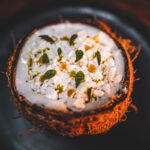

Leave a Comment