

Zaalouk: Morocco’s Smoky Eggplant Dish for Vegetarian Food Lovers

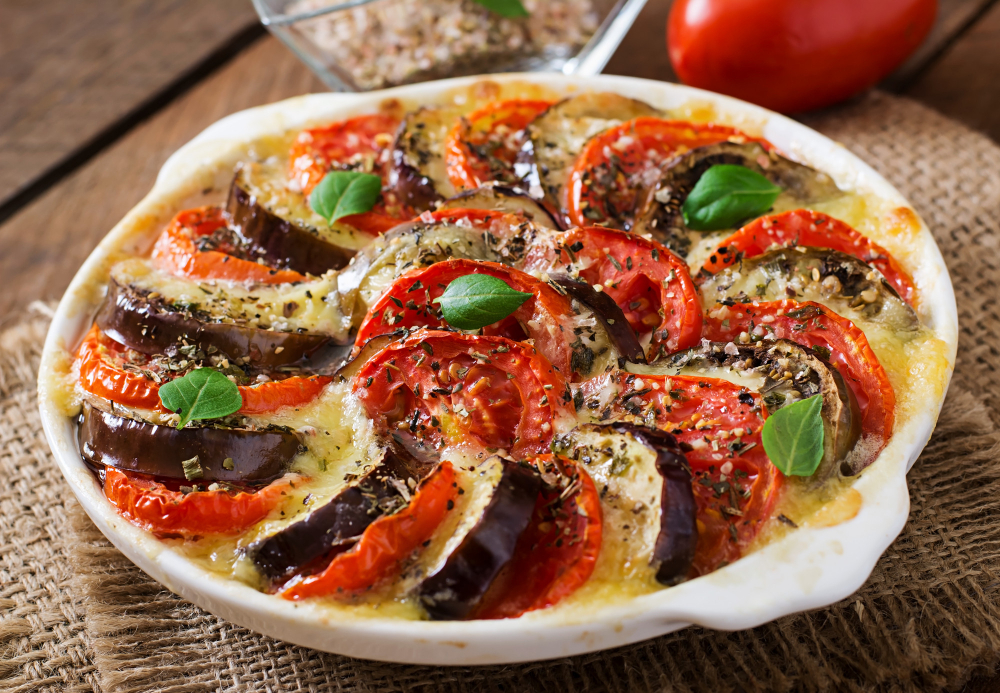
Moroccan cuisine is widely recognised for its rich combination of spices, fresh vegetables, aromatic herbs, and traditional cooking techniques. From fragrant tagines and hearty couscous to delicate pastries and refreshing mint tea, the country’s food culture reflects centuries of culinary exchange and regional traditions. Among its many distinctive dishes, Zaalouk holds a special place as a simple yet flavourful preparation that celebrates the natural richness of vegetables. Made primarily with eggplant, tomatoes, garlic, olive oil, and traditional Moroccan spices, Zaalouk is a smoky, savoury dish that demonstrates how everyday ingredients can be transformed into something deeply satisfying.
For vegetarian food lovers, Zaalouk offers an appealing combination of texture, flavour, and versatility. It is commonly served as a salad, dip, or side dish and can be enjoyed with freshly baked bread, flatbread, or a variety of main courses. Its preparation relies on familiar plant-based ingredients, making it a practical choice for people who appreciate vegetable-centred meals. The smoky character of eggplant, the tanginess of tomatoes, and the warmth of cumin and paprika create a distinctive taste that sets Zaalouk apart from many other vegetable dishes.
As interest in traditional vegetarian cuisine continues to grow, Zaalouk represents an opportunity to explore Moroccan food culture through a dish that is both accessible and culturally meaningful. It brings together traditional cooking methods, regional ingredients, and the idea that flavour does not depend on complicated preparation. Understanding Zaalouk involves looking beyond its ingredients to appreciate its place in Moroccan households, its preparation techniques, and its growing relevance in contemporary vegetarian cooking.
What Is Zaalouk?
Zaalouk is a traditional Moroccan cooked salad or vegetable preparation made primarily from eggplant and tomatoes. The ingredients are cooked together with garlic, olive oil, and spices until they form a soft, thick mixture with a rich flavour and slightly rustic texture. Depending on the preparation, the eggplant may be mashed almost completely or left in small pieces to create a more textured dish.
Although it is often described as an eggplant dip, Zaalouk is more versatile than that description suggests. In Morocco, it is commonly served as part of a selection of small salads and vegetable dishes, particularly at the beginning of a meal. It may be eaten warm, at room temperature, or chilled, depending on personal preference and the occasion. Its consistency makes it suitable for scooping up with bread, while its savoury flavour allows it to complement a wide range of main dishes.
The defining characteristic of Zaalouk is the balance between the soft, earthy taste of eggplant and the bright acidity of tomatoes. Garlic adds depth, olive oil provides richness, and spices introduce warmth and complexity. When the eggplant is roasted or grilled before being combined with the other ingredients, it develops a smoky flavour that gives the dish its distinctive identity.
The Cultural Significance of Zaalouk in Moroccan Cuisine
Food in Morocco is closely connected with hospitality, family gatherings, regional traditions, and the sharing of meals. Many Moroccan meals feature several dishes arranged together, allowing people to enjoy a variety of flavours and textures. Zaalouk fits naturally into this tradition because it can be prepared in advance, served in a shared dish, and enjoyed alongside bread and other accompaniments.
Moroccan vegetable salads are often more elaborate than the fresh leafy salads familiar in some other cuisines. Many are cooked, seasoned, and served at room temperature. They may feature carrots, peppers, tomatoes, eggplants, beans, or other seasonal vegetables. Zaalouk belongs to this broader tradition of transforming vegetables into flavourful preparations that can be served as part of a meal rather than as a separate course.
The dish also reflects the importance of vegetables in Moroccan home cooking. Eggplant and tomatoes are widely used in Mediterranean and North African cuisines, where they are valued for their adaptability and flavour. In Zaalouk, these ingredients are brought together through a cooking method that allows their natural qualities to develop without requiring an extensive list of ingredients.
Although recipes vary from household to household, the dish remains recognisable through its central combination of eggplant, tomatoes, garlic, olive oil, and spices. This balance between consistency and flexibility is part of what makes Zaalouk an enduring element of Moroccan food culture.
Eggplant: The Heart of Zaalouk
Eggplant is the principal ingredient in Zaalouk and determines much of its texture and flavour. Its soft flesh becomes tender when cooked, allowing it to blend smoothly with tomatoes and spices. When roasted over a flame or grilled, the skin develops a charred exterior that contributes a distinctive smoky aroma to the finished dish.
One of the most interesting qualities of eggplant is its ability to absorb surrounding flavours. Its mild, slightly earthy taste works particularly well with garlic, cumin, paprika, and olive oil. As it cooks, its texture changes from firm and spongy to soft and creamy, making it suitable for mashing into a thick vegetable preparation.
The method used to cook the eggplant can significantly influence the final result. Roasting produces a deeper smoky flavour, while steaming or boiling creates a softer and milder taste. Some cooks prefer to roast the eggplant before combining it with tomatoes, whereas others cook the vegetables together until the mixture becomes tender.
The skin may be removed after roasting, particularly when a smoother texture is desired. However, the exact method depends on the recipe and the preferred consistency. Regardless of the technique, properly cooked eggplant gives Zaalouk its characteristic softness and rich vegetable flavour.
Tomatoes, Garlic, and Olive Oil: Building the Flavour
Although eggplant provides the foundation, tomatoes play an equally important role in shaping the flavour of Zaalouk. Their natural acidity balances the richness of the eggplant and olive oil, creating a dish that tastes fresh despite its soft, cooked texture. As tomatoes simmer, they release moisture and gradually break down into a thick sauce that coats the eggplant.
Fresh tomatoes are commonly used, although the exact preparation varies. Some cooks peel and chop them before cooking, while others grate them to create a smoother consistency. The goal is to allow the tomatoes to soften sufficiently so that they blend with the eggplant without leaving the dish excessively watery.
Garlic contributes a strong aromatic character that deepens as it cooks. It is usually added with olive oil and allowed to release its flavour gently before the remaining ingredients are incorporated. The amount of garlic can vary according to personal preference, but it is an important component of the dish’s savoury identity.
Olive oil brings the ingredients together and gives Zaalouk a smooth, rich consistency. It also helps distribute the spices evenly throughout the mixture. The oil should complement the vegetables rather than overwhelm them, allowing the natural flavours of eggplant and tomatoes to remain prominent.
The Moroccan Spices That Define Zaalouk
Spices are essential to the flavour profile of Zaalouk, although the exact combination differs across recipes. Cumin and paprika are among the most commonly used seasonings. Cumin adds an earthy, slightly warm flavour, while paprika contributes colour and a gentle sweetness. Some versions also include black pepper, chilli, or other seasonings to create a more pronounced taste.
Cumin is particularly well suited to eggplant because its earthy aroma complements the vegetable’s natural flavour. Paprika provides a mild warmth and a rich reddish colour that blends with the cooked tomatoes. When combined with garlic and olive oil, these spices create a savoury base that gives Zaalouk its distinctive Moroccan character.
Fresh herbs may also be added toward the end of cooking. Coriander leaves and parsley are common choices, contributing freshness and a subtle herbal note. Lemon juice is sometimes used to introduce additional acidity, especially when the tomatoes are naturally sweet or the dish needs a brighter finish.
The seasoning should remain balanced. Zaalouk is not necessarily intended to be extremely spicy or heavily seasoned. Its appeal comes from the way the ingredients complement one another, allowing the smoky eggplant, tangy tomatoes, and aromatic spices to remain distinct while forming a unified dish.
How Traditional Zaalouk Is Prepared
The preparation of Zaalouk begins with selecting fresh, firm eggplants and ripe tomatoes. The eggplants are washed and prepared for cooking, while the tomatoes are chopped, grated, or peeled according to the recipe. Garlic is crushed or finely chopped, and the spices are measured before the cooking process begins.
In a traditional smoky version, the eggplant is first roasted or grilled until the skin becomes charred and the flesh turns completely soft. This can be done over a flame, under a grill, or in an oven. Once cooked, the eggplant is allowed to cool slightly before the charred skin is removed. The flesh is then chopped or mashed, depending on the desired texture.
The tomatoes are cooked in olive oil with garlic and spices until they soften and begin to form a thick sauce. The roasted eggplant is then added to the tomato mixture, and the ingredients are combined over gentle heat. As the mixture cooks, the flavours blend and excess moisture gradually evaporates.
The vegetables are stirred and mashed until the desired consistency is reached. Some cooks prefer a relatively smooth preparation. While others leave small pieces of eggplant and tomato to create a more rustic texture. Fresh herbs and a little lemon juice may be added near the end of cooking to brighten the flavour.
Once the mixture has thickened, it is removed from the heat and allowed to rest. This resting period gives the flavours time to settle and makes the dish easier to serve. Zaalouk can be enjoyed immediately while warm or allowed to cool to room temperature.
The Importance of Roasting and Smoky Flavour
The smoky quality of Zaalouk is one of its most distinctive characteristics. Roasting eggplant over an open flame or grilling it at a high temperature produces a deeper flavour than cooking it only in a pan. The outer skin becomes charred, while the flesh inside softens and develops a rich, roasted aroma.
This smoky flavour adds complexity to a dish made from relatively simple ingredients. It provides a contrast to the sweetness of cooked tomatoes and the earthy taste of cumin. The result is a vegetable preparation that feels substantial and flavourful despite being entirely plant-based.
However, not every version of Zaalouk has an intense smoky character. Some recipes rely on simmering the eggplant with tomatoes, while others use oven-roasted vegetables. These methods can produce a milder flavour while preserving the dish’s essential identity.
The choice of cooking technique often depends on available equipment, time, and personal preference. A home cook using a standard kitchen can prepare a satisfying version without an open flame. What matters most is ensuring that the eggplant becomes thoroughly tender and that the ingredients are cooked together until their flavours are well integrated.
Zaalouk as a Vegetarian and Plant-Based Dish
Zaalouk is naturally suited to vegetarian and plant-based diets because its traditional ingredients are vegetables, olive oil, herbs, and spices. It does not require meat, fish, eggs, or dairy products to achieve its characteristic flavour and texture. This makes it a practical option for people who want to include more vegetable-based dishes in their everyday meals.
Its appeal also lies in the way it transforms a familiar vegetable into a preparation that feels rich and satisfying. Eggplant provides a soft, substantial texture, while tomatoes and olive oil contribute depth. The spices create a layered flavour that can make the dish enjoyable even when served with a simple accompaniment.
For vegetarian food lovers, Zaalouk offers an alternative to salads based primarily on raw vegetables. Its cooked texture and warm seasoning make it suitable for a wide range of meals, from light lunches to shared dinners. It can also be included in a larger spread of vegetable dishes, grains, legumes, and bread.
Because recipes vary, people following specific dietary requirements should still check the ingredients used in a particular preparation. However, the basic dish is plant-based and can be adapted easily without losing its central character.
How Zaalouk Is Served in Morocco
Zaalouk is commonly served as part of a Moroccan meal that includes several small dishes or salads. It may appear alongside cooked carrots, peppers, lentils, olives, or other vegetable preparations. This variety allows diners to enjoy different textures and flavours before or alongside the main course.
Bread is one of the most familiar accompaniments. Moroccan bread and other types of flatbread can be used to scoop up the soft mixture, making Zaalouk a convenient dish for shared meals. Its thick consistency also allows it to be served in a small bowl as a dip or spread.
The dish can complement grilled vegetables, couscous, rice, legumes, and a variety of vegetarian main courses. Its savoury flavour works particularly well with foods that have a mild or neutral taste, while its acidity can help balance richer preparations.
Zaalouk is often served at room temperature, although it can also be enjoyed warm or chilled. This flexibility makes it useful for meals where several dishes are prepared in advance. Its flavour may become more integrated after resting, which is one reason it works well as part of a larger spread.
Regional Variations and Household Recipes
Like many traditional dishes, Zaalouk does not have a single universal recipe. Its preparation can differ according to household preferences, regional cooking traditions, and the ingredients available. Some versions contain a higher proportion of eggplant, while others use more tomatoes to create a softer, saucier consistency.
The level of smokiness also varies. In some preparations, the eggplant is grilled until its flesh develops a strong roasted flavour. In others, the vegetables are simmered together, resulting in a milder dish. The amount of garlic, cumin, paprika, and fresh herbs can also be adjusted to suit individual tastes.
Texture is another area where recipes differ. Some cooks mash the vegetables into a nearly smooth mixture, while others leave visible pieces of eggplant and tomato. Neither approach changes the basic identity of the dish; instead, these differences reflect the flexibility of home cooking.
Such variations are common in traditional food cultures, where recipes are often passed down through families and adapted over time. Zaalouk demonstrates how a familiar combination of ingredients can produce different but recognisable versions of the same dish.
Zaalouk in Modern Vegetarian Cooking
As more people explore vegetarian food, traditional vegetable preparations. Such as Zaalouk are finding new audiences beyond their regions of origin. Its combination of smoky flavour, soft texture, and simple ingredients makes it suitable for modern meals that emphasise vegetables without sacrificing taste.
Contemporary cooks may serve Zaalouk as a dip with toasted bread, crackers, or vegetable sticks. It can also be spread inside sandwiches and wraps, where its soft texture and savoury flavour complement fresh vegetables and other fillings. In a modern mezze-style meal, it can be served alongside hummus, roasted peppers, olives, and other small dishes.
Zaalouk can also be used as a topping for grain bowls, roasted vegetables, or warm flatbreads. These serving ideas allow the dish to fit into different eating patterns while preserving its traditional flavour profile.
However, adapting a traditional dish does not require changing its essential ingredients. Many modern preparations remain close to the original approach, using eggplant, tomatoes, garlic, olive oil, and spices. This balance between tradition and flexibility helps explain why Zaalouk can appeal to both people familiar with Moroccan cuisine and those discovering it for the first time.
Nutritional Qualities of Zaalouk
Zaalouk is made primarily from vegetables, making it a useful addition to meals that emphasise plant-based ingredients. Eggplant provides dietary fibre and contains several naturally occurring plant compounds. Tomatoes contribute nutrients such as vitamin C and lycopene, while garlic and herbs add flavour along with smaller amounts of various nutrients.
Olive oil provides fat and contributes to the dish’s texture and flavour. The overall nutritional composition depends on the amount of oil used, the proportions of the ingredients, and the serving size. A preparation made with a generous amount of olive oil will contain more energy than one made with a smaller quantity.
Because Zaalouk is generally served as a side dish or accompaniment, its nutritional contribution also depends on the foods eaten alongside it. Pairing it with whole-grain bread, legumes, or other vegetables can create a more substantial meal.
Although the dish contains several nutritious ingredients, it should not be viewed as a complete source of all essential nutrients. Its value lies in providing a flavourful way to include vegetables as part of a varied and balanced diet.
Zaalouk and Sustainable Home Cooking
Zaalouk also reflects a practical approach to home cooking in which simple ingredients are transformed into a versatile dish. Eggplants and tomatoes are widely available in many markets, and the preparation does not require specialised equipment or expensive ingredients.
The dish can be particularly useful when vegetables are fully ripe and need to be used before they deteriorate. Cooking tomatoes and eggplant together allows their flavours to develop. While creating a preparation that can be served in different ways. This flexibility may help households make better use of ingredients already available in the kitchen.
Preparing Zaalouk at home also allows cooks to adjust the quantities of oil, salt, and spices according to their preferences. The dish can be made in advance and incorporated into several meals, reducing the need to prepare a completely different side dish each time.
While sustainability depends on many factors, including how ingredients are produced, transported, and stored, vegetable-centred dishes. Such as Zaalouk can form part of a varied approach to everyday cooking. They demonstrate how traditional food knowledge can support practical and adaptable meal preparation.
Why Zaalouk Deserves More Attention
Zaalouk deserves recognition because it demonstrates the richness of Moroccan vegetable cuisine through a dish that is simple, versatile, and deeply connected to food traditions. Its ingredients are familiar, yet the combination of roasting, simmering, and seasoning creates a distinctive flavour that is difficult to replicate through raw vegetables alone.
For people exploring international vegetarian dishes, Zaalouk offers an introduction to the flavours of North African cooking without requiring an elaborate preparation. It can be served as a dip, side dish, or part of a larger meal, making it suitable for different occasions and eating styles.
The dish also challenges the idea that vegetarian food must rely on complicated ingredients or elaborate recipes to feel satisfying. Through eggplant, tomatoes, olive oil, garlic, and spices, it creates a rich and balanced preparation that can stand on its own while complementing other foods.
Its continued presence in Moroccan cuisine reflects the lasting value of traditional cooking methods. At the same time, its adaptability allows it to find a place in contemporary kitchens around the world.
Conclusion
Zaalouk is a traditional Moroccan eggplant dish that brings together smoky vegetables, aromatic spices, and the richness of olive oil.
Its cultural significance extends beyond its ingredients. Zaalouk is part of a broader Moroccan tradition of serving cooked vegetable salads and sharing a variety of small dishes during meals. Its versatility allows it to be enjoyed with bread, alongside main courses, or as part of a vegetarian spread.
For vegetarian food lovers, Zaalouk offers a satisfying way to explore the flavours of Moroccan cuisine. While incorporating more vegetables into everyday meals. Its adaptability, accessible ingredients, and rich flavour make it suitable for both traditional settings and modern cooking.
Ultimately, Zaalouk represents the enduring appeal of food that combines simplicity with cultural depth. It is more than a smoky eggplant preparation; it is an expression of Moroccan culinary heritage and a reminder that some of the most memorable dishes emerge from a thoughtful balance of ordinary ingredients, traditional techniques, and shared food experiences.
Online Internship with Certificate
You may be interested
Kachnar Kali: The Indian Flower Bud That Becomes a Vegetable
Anshika Jain - October 15, 2026In many parts of the world, flowers are admired for their beauty, fragrance and ornamental value. In India, however, certain flowers have another purpose: they become ingredients…

Omija-cha: Korea’s Five-Flavour Tea Made From a Single Berry
Anshika Jain - October 15, 2026Imagine a ruby-red drink that tastes sweet, sour, bitter, salty and pungent, all from a single fruit. This unusual combination is the defining characteristic of Omija-cha, a…

Bir Pletok: Indonesia’s Alcohol-Free ‘Beer’ Made From Ginger and Spices
Anshika Jain - October 15, 2026The word “beer” usually brings to mind a fermented beverage made from grains, a foamy glass served in a pub, or a drink associated with social gatherings.…
Most from this category

Ragi Ambli: Fermented Millet Drink That Predates Today’s Beverage Trend
Anshika Jain - October 15, 2026
Gudok: Tripura’s Fermented Vegetable Dish That Deserves a Global Food Revival
Anshika Jain - October 15, 2026
Mahua: The Forest Flower That Became a Traditional Food and Beverage Ingredient
Anshika Jain - October 14, 2026Ragi Ambli: Fermented Millet Drink That Predates Today’s Beverage Trend
Anshika Jain - October 15, 2026Gudok: Tripura’s Fermented Vegetable Dish That Deserves a Global Food Revival
Anshika Jain - October 15, 2026
Kachnar Kali: The Indian Flower Bud That Becomes a Vegetable
October 15, 2026




Leave a Comment