

Saffron Desserts Around the World: From Indian Mithai to Modern Pastry

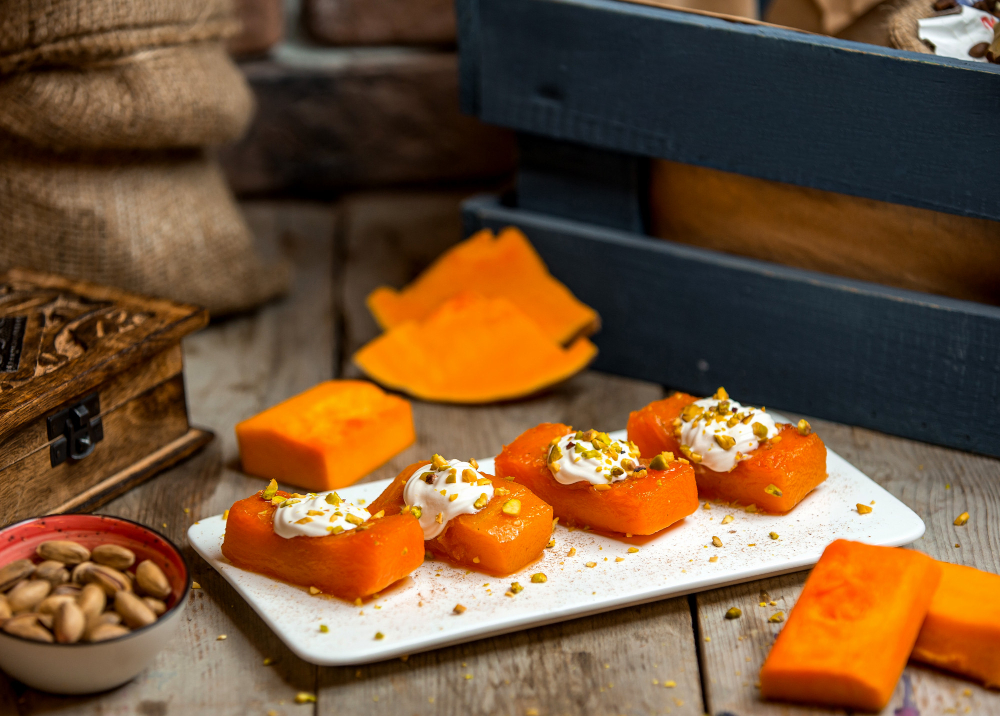
Few ingredients have travelled through culinary history with the prestige and versatility of saffron. Recognised by its delicate aroma, vivid golden colour, and distinctive flavour, saffron has been used in cuisines across Asia, the Middle East, North Africa, and Europe for centuries. Although only a small quantity is needed to influence a dish, its presence can transform an ordinary preparation into something associated with celebration, luxury, and special occasions.
Desserts provide one of the most fascinating ways to understand saffron’s culinary journey. In India, saffron appears in mithai, milk-based sweets, rice desserts, festive puddings, and regional specialities. Across the Middle East, it contributes fragrance and colour to rice puddings, pastries, ice creams, and other sweets. In parts of Europe, particularly cuisines influenced by historical trade and Mediterranean ingredients, saffron has appeared in cakes, buns, biscuits, and festive baked goods. Contemporary pastry chefs have taken this traditional ingredient further by combining it with chocolate, citrus, cream, nuts, caramel, and modern pastry techniques.
Saffron’s role in desserts is not simply about colour. Its flavour is subtle but recognisable, with floral, earthy, honey-like, and slightly bitter notes that can complement both rich and delicate ingredients. It can make a milk-based dessert feel more aromatic, add complexity to a syrup, or introduce an unexpected character to a modern pastry.
The global story of saffron desserts therefore reveals more than the popularity of an expensive spice. It demonstrates how ingredients travel between cultures, how traditional recipes adapt to new environments, and how modern chefs reinterpret historical flavours for contemporary audiences.
Understanding Saffron as a Culinary Ingredient
Saffron comes from the dried stigmas of the saffron crocus, a flowering plant whose delicate threads must be collected carefully. Because each flower produces only a small number of usable threads, harvesting requires considerable labour.
This helps explain why saffron has historically been associated with value and prestige. It has been used not only as a flavouring but also as a colouring ingredient and a symbol of special occasions.
In cooking, saffron is generally used in small quantities. Its threads can be gently crushed and infused in warm liquid before being added to a preparation. This allows the colour and aromatic compounds to spread more evenly through the dish.
The flavour of saffron is distinctive but can be delicate. Using too little may make its presence difficult to recognise, while excessive use can create an overpowering or bitter character. This balance is especially important in desserts, where sweetness needs to complement rather than completely mask the spice.
Saffron and the Tradition of Indian Mithai
India has one of the world’s most diverse traditions of sweets, and saffron occupies an important position within many regional preparations. Indian mithai often combines dairy, grains, nuts, sugar, jaggery, spices, and aromatic ingredients, creating a natural environment for saffron.
Saffron is particularly associated with festive and celebratory sweets. Its colour and fragrance can make a dessert visually distinctive, while its historical value contributes to the perception of the dish as something special.
In North Indian and Mughlai-influenced culinary traditions, saffron has frequently been paired with milk, cream, nuts, cardamom, and rice. This combination appears in several familiar desserts and festive preparations.
Saffron can also be found in sweets prepared for weddings, religious celebrations, festivals, and other important gatherings. Its presence can signal that the dish is intended for an occasion rather than everyday consumption.
Saffron in Kheer and Rice-Based Desserts
Kheer is one of the most recognisable Indian milk-based desserts in which saffron can play an important role. Traditionally prepared using rice, milk, and sugar, kheer can be flavoured with cardamom, nuts, raisins, and saffron.
When saffron is infused into warm milk and incorporated into the dessert, it gives kheer a characteristic golden colour and aromatic depth. The richness of milk provides a suitable background for saffron because its flavour can spread gradually through the creamy preparation.
Similar saffron-infused rice desserts exist in several parts of South Asia. The specific ingredients and techniques may vary, but the combination of rice, dairy, sugar, nuts, and aromatic spices demonstrates how saffron fits naturally into the region’s dessert traditions.
The ingredient also appears in preparations related to festive rice dishes and sweetened milk puddings, showing that saffron’s role extends beyond one particular recipe.
Saffron in Gulab Jamun and Other Mithai
Although saffron is not essential to every traditional mithai, it is frequently used to add fragrance and visual appeal to different sweets. In some preparations, saffron may be incorporated into the syrup, while in others it can flavour the dough, milk mixture, or finishing layer.
Gulab jamun, for example, is traditionally associated with a fragrant sugar syrup. Modern and regional variations may introduce saffron alongside cardamom, rose, or other aromatic ingredients.
Saffron can also appear in milk-based sweets such as peda, rasmalai, kalakand, barfi, and other regional preparations. In these desserts, its floral aroma works particularly well with dairy and nuts.
The result is often a dessert with a more luxurious sensory profile without requiring a large quantity of the spice.
Saffron and Indian Festive Desserts
The relationship between saffron and celebration is particularly important in Indian food culture. Weddings, religious festivals, family gatherings, and other occasions often involve elaborate meals in which sweets occupy an important place.
Saffron fits naturally into this environment because it has long been regarded as a valuable ingredient. Adding saffron to a dessert can therefore communicate both flavour and occasion.
The colour also contributes to the visual appeal of festive foods. A golden saffron-infused dessert can appear especially rich when presented alongside other colourful mithai.
This connection between ingredient value and social celebration has helped saffron remain important in Indian dessert traditions even as cooking methods and consumer preferences have changed.
Saffron in Middle Eastern Desserts
Saffron’s culinary journey extends far beyond India. Across the Middle East, it has been used in both savoury and sweet preparations for centuries.
In desserts, saffron is often combined with ingredients such as rose water, orange blossom water, cardamom, pistachios, almonds, dates, milk, and rice. These combinations produce desserts with layered aromas rather than relying on sweetness alone.
Persian cuisine provides particularly notable examples of saffron’s role in desserts. Saffron can be used in rice puddings, ice creams, cakes, cookies, and other preparations. Its combination with rose and pistachio creates a flavour profile strongly associated with Persian culinary traditions.
Saffron can also be incorporated into syrups and dessert toppings, allowing its colour and aroma to spread through a dish without overwhelming the main ingredients.
Persian Saffron Ice Cream and Frozen Desserts
One of the most distinctive examples of saffron in dessert culture is Persian saffron ice cream, often known as bastani. Traditionally, this rich frozen dessert combines saffron with dairy and other aromatic ingredients.
The saffron contributes both colour and fragrance, while ingredients such as rose water and pistachios can add further layers of flavour and texture.
The contrast between the cold, creamy base and the aromatic saffron creates a dessert that is substantially different from many Western-style vanilla or chocolate ice creams.
Modern versions may experiment with additional toppings or serving styles, but the central combination of saffron, dairy, and Persian aromatic ingredients remains important.
Saffron in Middle Eastern Rice Puddings
Rice pudding is another dessert category in which saffron appears across different culinary traditions. In Middle Eastern and South Asian cuisines, rice can be cooked slowly with milk and sugar until it develops a thick, creamy consistency.
Saffron adds a golden colour and a subtle floral character to the finished pudding. When combined with rose water, cardamom, cinnamon, or nuts, it creates a complex aromatic profile.
These desserts illustrate the way a single ingredient can connect different food cultures while producing distinct regional identities. Rice and saffron may appear together in multiple countries, but each culinary tradition interprets the combination differently.
Saffron in European Baking Traditions
Saffron is not limited to Asian and Middle Eastern desserts. It also has a place in European baking, particularly in regions where saffron became accessible through historical trade.
One of the best-known examples is found in Sweden, where saffron is traditionally used in Lussekatter, saffron buns associated with Saint Lucia celebrations. These soft, golden-coloured buns demonstrate how saffron can become integrated into a completely different baking tradition.
In this context, saffron is not combined with rice pudding, pistachios, or rose water. Instead, it becomes part of a yeast-based baked good, often associated with winter celebrations.
The example demonstrates the adaptability of saffron. Its distinctive colour and aroma can work just as effectively in bread and pastry as they do in milk-based desserts.
Saffron and Mediterranean Pastry
Saffron also appears in various Mediterranean and European culinary contexts, sometimes in cakes, biscuits, custards, and other baked preparations. Its use may be less widespread than ingredients such as vanilla or cinnamon, but its presence can give a dessert a distinctive regional character.
Historically, spices were influenced by trade networks connecting Europe with Asia and the Middle East. Ingredients that were once rare or expensive could gradually enter regional culinary traditions.
Saffron’s continued use in European baking reflects this broader history of ingredient exchange. Modern consumers may encounter saffron in pastries without necessarily considering the centuries of trade and cultural interaction behind its presence.
Saffron and the Rise of Modern Pastry
Contemporary pastry has transformed the way traditional ingredients are used. Chefs increasingly look beyond conventional flavour combinations and explore how historical ingredients can be presented through modern techniques.
Saffron is particularly suitable for this approach because it can work with a wide range of flavours. Pastry chefs may pair it with white chocolate, dark chocolate, citrus, vanilla, caramel, pistachio, almond, coconut, mango, pear, or berries.
Its colour also makes it useful in visually sophisticated desserts. A saffron-infused cream, glaze, mousse, or custard can provide a subtle golden tone without relying entirely on artificial colouring.
Modern pastry therefore treats saffron not simply as a traditional spice but as a complex flavour component.
Saffron and Chocolate
The combination of saffron and chocolate illustrates how traditional and contemporary dessert cultures can meet.
Chocolate has a rich, intense flavour, while saffron provides a lighter floral and earthy character. When balanced carefully, saffron can add complexity to chocolate ganache, truffles, mousse, or layered desserts.
White chocolate is particularly compatible with saffron because its creamy sweetness provides a relatively neutral base. Dark chocolate can create a stronger contrast, allowing the saffron to become part of a more complex flavour profile.
These combinations are increasingly relevant to modern pastry because chefs often experiment with spices traditionally associated with savoury or regional cuisines.
Saffron and Nuts
Nuts have a long association with saffron desserts in South Asian and Middle Eastern cuisines. Pistachios, almonds, cashews, and walnuts can provide texture while complementing the spice’s aromatic character.
Pistachio and saffron are especially prominent in Persian and Indian-inspired desserts. The green colour of pistachios also contrasts visually with saffron’s golden hue.
This combination can appear in ice cream, cakes, puddings, mithai, cookies, pastries, and modern plated desserts.
The popularity of the pairing demonstrates how traditional flavour combinations can easily transition into contemporary pastry.
Saffron and Citrus
Citrus offers another interesting partner for saffron. Lemon, orange, and other citrus flavours can provide acidity and freshness that balance rich or sweet desserts.
A saffron-orange cake, saffron-lemon cream, or saffron-infused citrus syrup can combine floral, sweet, and acidic notes in a relatively light profile.
This approach is particularly useful in modern pastry, where chefs often aim to create contrast rather than relying entirely on richness.
The combination also demonstrates that saffron does not have to be reserved for heavy festive sweets. Used carefully, it can contribute to lighter contemporary desserts.
The Visual Appeal of Saffron Desserts
Food is increasingly experienced visually, particularly through social media and digital food culture. Saffron naturally contributes to this visual environment because it can give desserts a warm golden colour.
This does not mean that colour should be the primary reason for using saffron. Authentic saffron contributes aroma and flavour as well as pigmentation. However, its appearance can enhance the presentation of desserts.
Modern pastry chefs may use saffron in glazes, creams, sponge cakes, custards, mousses, and decorative elements. The golden tone can make a dessert appear elegant without requiring excessive decoration.
This visual quality has helped traditional saffron flavours find new audiences in contemporary dessert culture.
Why Saffron Remains Associated With Luxury
Saffron’s reputation as a premium ingredient has remained remarkably strong. Its labour-intensive harvesting process and distinctive flavour contribute to its perceived value.
In traditional cuisines, this made saffron particularly appropriate for special occasions. In modern pastry, the same association can make a saffron dessert feel premium or sophisticated.
However, luxury is not the only reason for its continued use. Saffron has genuine culinary value because its aroma is difficult to reproduce precisely with other ingredients.
Its identity therefore comes from both cultural history and sensory characteristics.
Preserving Traditional Saffron Desserts
As modern pastry continues to evolve, traditional saffron desserts remain important sources of culinary knowledge. Recipes for saffron kheer, Persian ice cream, festive pastries, and regional sweets preserve combinations that have developed over generations.
Digital food media has created new opportunities to document these traditions. Recipes, cooking demonstrations, cultural histories, and regional variations can now be shared with audiences around the world.
This is particularly useful for younger generations who may discover traditional desserts through digital platforms before learning to prepare them at home.
Preservation does not mean that recipes must remain completely unchanged. Traditional flavours can inspire new desserts while their original cultural contexts continue to be recognised.
The Global Future of Saffron Desserts
The future of saffron desserts is likely to involve both preservation and experimentation. Traditional sweets will continue to provide cultural connections, while chefs and food creators will develop new interpretations.
Saffron may increasingly appear in contemporary pastries, plated desserts, ice creams, chocolates, beverages, and fusion preparations. At the same time, consumers are showing greater interest in regional ingredients and culinary heritage, creating opportunities for traditional recipes to reach new audiences.
The most interesting development may be the dialogue between old and new. A modern pastry can borrow the flavour combination of an Indian mithai without copying its structure. A contemporary ice cream can draw inspiration from Persian saffron desserts while using modern techniques. A European pastry can incorporate saffron while maintaining its regional identity.
Such combinations demonstrate that culinary traditions are not static. They change as ingredients, techniques, cultures, and consumers interact.
Conclusion
Saffron desserts tell a global story of flavour, trade, celebration, and culinary adaptation. From Indian mithai and milk-based puddings to Persian ice cream, Middle Eastern rice desserts, European saffron buns, and contemporary pastries, the spice has found remarkably different expressions across cultures.
Its distinctive aroma, golden colour, and historical value have made it particularly suitable for festive and special-occasion foods. In India, saffron often appears alongside dairy, rice, nuts, cardamom, and other ingredients associated with celebration. In Persian and Middle Eastern cuisines, it can be paired with rose, pistachio, rice, and dairy. European traditions demonstrate how the spice can become part of baked goods and seasonal celebrations.
Modern pastry has expanded these possibilities even further. Saffron can now be combined with chocolate, citrus, caramel, vanilla, nuts, fruit, and contemporary pastry techniques. These combinations show that an ingredient with centuries of culinary history can remain relevant in a rapidly changing food culture.
The story of saffron desserts is ultimately a story of continuity and creativity. Traditional recipes preserve the cultural memory of the ingredient, while modern pastry demonstrates its ability to inspire new ideas. Whether served as a familiar mithai, a fragrant ice cream, a festive bun, or an innovative plated dessert, saffron continues to transform simple ingredients into something memorable.
Its journey across cuisines shows how food traditions can travel without losing their identity. Saffron may appear in different forms around the world, but its distinctive fragrance and golden character continue to connect traditional desserts with the evolving language of modern pastry.
Online Internship with Certificate
You may be interested
Kachnar Kali: The Indian Flower Bud That Becomes a Vegetable
Anshika Jain - October 15, 2026In many parts of the world, flowers are admired for their beauty, fragrance and ornamental value. In India, however, certain flowers have another purpose: they become ingredients…
Omija-cha: Korea’s Five-Flavour Tea Made From a Single Berry
Anshika Jain - October 15, 2026Imagine a ruby-red drink that tastes sweet, sour, bitter, salty and pungent, all from a single fruit. This unusual combination is the defining characteristic of Omija-cha, a…
Bir Pletok: Indonesia’s Alcohol-Free ‘Beer’ Made From Ginger and Spices
Anshika Jain - October 15, 2026The word “beer” usually brings to mind a fermented beverage made from grains, a foamy glass served in a pub, or a drink associated with social gatherings.…
Most from this category
Ragi Ambli: Fermented Millet Drink That Predates Today’s Beverage Trend
Anshika Jain - October 15, 2026
Gudok: Tripura’s Fermented Vegetable Dish That Deserves a Global Food Revival
Anshika Jain - October 15, 2026
Mahua: The Forest Flower That Became a Traditional Food and Beverage Ingredient
Anshika Jain - October 14, 2026Ragi Ambli: Fermented Millet Drink That Predates Today’s Beverage Trend
Anshika Jain - October 15, 2026Gudok: Tripura’s Fermented Vegetable Dish That Deserves a Global Food Revival
Anshika Jain - October 15, 2026
Kachnar Kali: The Indian Flower Bud That Becomes a Vegetable
October 15, 2026

Leave a Comment