

Adhirasam: Tamil Nadu’s Traditional Rice and Jaggery Sweet

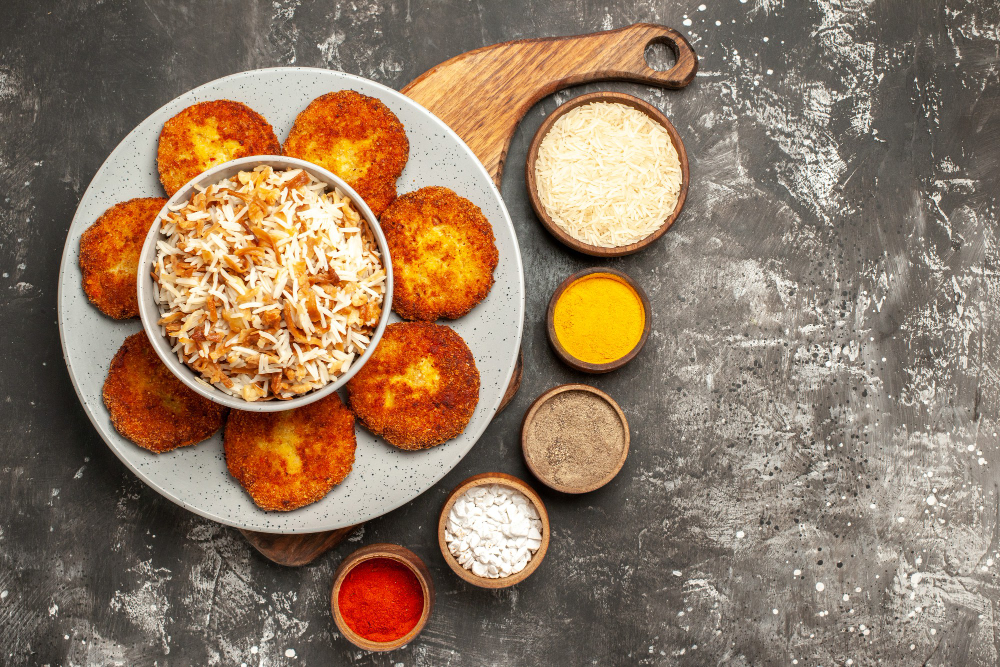
Tamil Nadu has a rich culinary heritage in which food is closely connected with festivals, religious traditions, family gatherings, and seasonal celebrations. Among its many traditional sweets, Adhirasam holds a particularly important place. Made primarily with rice flour and jaggery, this deep-fried sweet is known for its distinctive texture, rich sweetness, aromatic flavour, and long-standing association with Tamil cultural traditions.
Adhirasam is much more than an ordinary dessert. Its preparation requires patience, experience, and an understanding of traditional cooking techniques. The quality of the sweet depends on several details, including the preparation of the rice flour, the consistency of the jaggery syrup, the resting of the dough, and the temperature of the oil used for frying. These steps make Adhirasam an excellent example of how traditional Indian sweets often depend as much on culinary skill as on ingredients.
The sweet is particularly associated with festive occasions, including Deepavali and other important celebrations. Families may prepare Adhirasam at home as part of a larger collection of traditional sweets and savoury dishes. For many people, its aroma and texture can evoke memories of festive kitchens, family gatherings, and recipes passed from one generation to another.
In an age when modern desserts and packaged sweets are widely available, Adhirasam continues to demonstrate the enduring value of regional food traditions. Its combination of rice, jaggery, aromatic spices, and traditional preparation reflects the agricultural resources, culinary knowledge, and cultural identity of Tamil Nadu.
What Is Adhirasam?
Adhirasam is a traditional South Indian sweet primarily prepared from rice flour and jaggery. The ingredients are combined into a dough-like mixture, which is allowed to rest before being shaped into small discs and deep-fried.
The resulting sweet has a characteristic appearance. It is generally round and flattened, with a deep golden to brown exterior. Depending on the preparation, the inside can have a soft, dense, slightly chewy texture, while the exterior develops a pleasant fried surface.
Jaggery provides the principal sweetness and contributes a distinctive caramel-like flavour. Rice flour forms the structural base of the sweet, while cardamom is often used to add fragrance. Some regional or household variations may incorporate sesame seeds, dry ginger, pepper, or other traditional flavouring ingredients.
The simplicity of its ingredient list can be misleading. Preparing Adhirasam successfully is a skill that requires attention to texture and timing. Traditional cooks often learn the process through repeated practice rather than relying entirely on exact measurements.
The Historical and Cultural Importance of Adhirasam
Traditional foods often survive because they become connected with cultural practices rather than remaining ordinary everyday dishes. Adhirasam is an example of this relationship between cuisine and tradition.
Tamil households have long prepared special foods for festivals and religious occasions. Sweets are commonly associated with hospitality, celebration, offerings, and the sharing of food with family members and guests. Adhirasam became part of this broader festive food culture because it could be prepared in advance and shared during important occasions.
The sweet is particularly associated with Deepavali in many Tamil households. During the festival, families traditionally prepare or purchase a variety of sweets and savoury foods, and Adhirasam can form an important part of this festive spread.
Its cultural significance also comes from the effort required to prepare it. Making Adhirasam is not simply a matter of mixing ingredients and frying them immediately. The dough often needs to rest, and the cook must carefully judge the consistency of the jaggery syrup.
These techniques are frequently passed through families, making the recipe part of an informal culinary education.
Rice as the Foundation of the Sweet
Rice is one of the most important staples in South Indian cuisine, and its use in Adhirasam reflects the central role of rice in Tamil food culture.
Traditional preparation may involve soaking rice, drying it appropriately, and grinding it into a fine flour. The texture of this flour can influence the final product. Modern kitchens may use commercially prepared rice flour for convenience, but traditional methods often emphasise freshly prepared flour.
The choice and preparation of rice flour affect the ability of the dough to absorb the jaggery syrup and form the desired texture. This is one reason why traditional cooks may pay close attention to the consistency of the flour.
Rice also provides a neutral base that allows the flavour of jaggery and spices to become prominent. The result is a sweet that tastes distinctly different from wheat-based or milk-based Indian desserts.
Jaggery Gives Adhirasam Its Character
Jaggery is the other defining ingredient of Adhirasam. It provides sweetness while also contributing colour, aroma, and depth of flavour.
Unlike refined sugar, jaggery has a more complex taste that can include caramel-like, earthy, and molasses-like notes. When heated and combined with rice flour, it creates the characteristic flavour associated with Adhirasam.
The quality and consistency of the jaggery syrup are particularly important. The syrup needs to reach an appropriate stage before being mixed with the flour. If the syrup is too thin, the dough may not achieve the desired consistency. If it becomes too concentrated, the final sweet may become excessively hard or difficult to shape.
Traditional cooks therefore rely heavily on experience. They may test the syrup by observing its behaviour in water or by judging its texture between the fingers. Such techniques demonstrate the practical knowledge contained within traditional recipes.
The Importance of Dough Preparation
Once the jaggery syrup is prepared, it is combined with rice flour to create the Adhirasam dough. The mixture should have enough moisture and flexibility to be shaped later.
One of the distinctive features of traditional Adhirasam preparation is the resting period. The dough is often allowed to rest for a considerable amount of time before frying. Depending on the recipe and household practice, this resting process can vary.
Resting allows the ingredients to combine and helps develop the texture needed for frying. This is another stage where traditional knowledge becomes important because the final result depends on more than simply following a fixed cooking time.
Experienced cooks learn to identify whether the dough has reached the right consistency through touch and appearance. The dough should be workable without becoming excessively sticky or dry.
This illustrates why traditional cooking techniques can be difficult to reproduce perfectly from written recipes alone. Sensory judgment plays an important role.
Shaping Adhirasam
After the dough has rested sufficiently, it is divided into portions and shaped into round discs. Traditionally, the discs are flattened by hand to achieve an even thickness.
The thickness matters because it affects the cooking process. If the sweet is too thick, the centre may not cook evenly. If it is too thin, it may become overly crisp rather than developing the soft, dense texture associated with Adhirasam.
The shaped dough is prepared for frying only after the oil has reached the appropriate temperature. Maintaining the right temperature is another important part of the process.
The traditional shape may appear simple, but achieving consistency requires practice. A skilled cook can produce pieces with a similar thickness and texture even when preparing a large quantity for a festival.
The Art of Deep-Frying
Deep-frying transforms the soft dough into the finished sweet. The shaped pieces are carefully placed into hot oil and cooked until they develop their characteristic colour.
Temperature control is particularly important during this stage. Oil that is excessively hot can brown the outside too quickly, while oil that is insufficiently hot may cause the sweet to absorb more oil and affect its texture.
Once fried, the Adhirasam is usually removed and allowed to drain. Traditional preparation may involve gently pressing the sweet between utensils or using other techniques to remove excess oil.
The finished product should ideally retain some softness rather than becoming excessively crisp. Its interior texture is one of the characteristics that distinguishes Adhirasam from many other fried sweets.
The Role of Adhirasam in Tamil Festivals
Food plays an important role in Tamil festivals, and Adhirasam has traditionally been associated with festive occasions. Deepavali is particularly significant in this context, with households preparing sweets and savoury foods to share with family members and guests.
Festival cooking is often a collective experience. Different members of a household may participate in preparing ingredients, shaping sweets, cooking dishes, and arranging food for visitors.
Adhirasam can therefore become part of a larger cultural ritual. Its preparation may begin before the actual celebration, especially when the dough requires resting. The process creates anticipation and allows family members to participate in the preparation.
The sweet may also be shared beyond the immediate household. Giving homemade sweets to relatives, friends, neighbours, and guests has long been part of festive hospitality in many Indian communities.
A Recipe Passed Between Generations
One of the most fascinating aspects of traditional Adhirasam is the way its preparation is transmitted from one generation to another.
Older family members may teach younger cooks how to identify the correct jaggery syrup consistency, how soft the dough should feel, how long it should rest, and how the shaped dough should behave in hot oil.
These instructions are often communicated through demonstration rather than written recipes. A younger family member may first watch the process, then assist with individual stages, and eventually prepare the sweet independently.
This process preserves more than a recipe. It preserves a form of practical knowledge that includes timing, sensory judgment, cultural context, and family traditions.
As lifestyles change, documenting these recipes through writing, photography, and video can help ensure that such culinary knowledge remains accessible to future generations.
Regional and Household Variations
Traditional foods rarely have a single universal recipe. Adhirasam also varies between households and communities.
The type of rice used, the proportion of jaggery, the addition of spices, the resting period, the thickness of the pieces, and the frying technique can all influence the final result.
Some preparations may include sesame seeds, while others rely primarily on cardamom for fragrance. Certain versions may be softer and chewier, whereas others may develop a slightly firmer exterior.
These differences are part of the living nature of traditional cuisine. A family may inherit a recipe but adapt it according to local ingredients, personal preference, and changing cooking methods.
Rather than weakening the identity of Adhirasam, such variations demonstrate how culinary traditions remain flexible while retaining their core characteristics.
Adhirasam and Homemade Festive Food
Modern food systems have made sweets widely available throughout the year. Bakeries, restaurants, supermarkets, online stores, and food delivery platforms allow consumers to purchase desserts without preparing them at home.
Yet homemade festival sweets continue to have a distinctive emotional value. The time and effort involved in preparation make them part of the celebration itself.
Adhirasam is particularly suited to this tradition because its preparation requires several stages. The dough needs to be prepared carefully, rested, shaped, and fried. The process encourages people to slow down and participate in festive cooking.
For many families, the finished sweet represents the work of several hours and the knowledge of generations. This gives it an emotional meaning that cannot be measured simply by its ingredients or appearance.
The Nutritional Perspective
Adhirasam is traditionally enjoyed as a festive sweet, and its ingredients provide energy primarily through carbohydrates and fats. Rice flour supplies carbohydrates, while jaggery provides sweetness and contributes small amounts of minerals. Deep-frying also increases the fat content of the final preparation.
Because Adhirasam is a rich sweet, it is generally best understood as an occasional food rather than an everyday dietary staple. The appropriate role of any sweet depends on the overall dietary pattern, portion size, and individual nutritional needs.
Its nutritional composition, however, does not fully explain its cultural importance. Traditional foods can have social and emotional roles that extend beyond nutrition. Festival sweets are often connected with hospitality, family gatherings, religious observances, and cultural identity.
Understanding both aspects allows traditional foods to be appreciated without presenting them either as purely healthy foods or as foods that should be avoided altogether.
Adhirasam in Contemporary Food Culture
Traditional Indian foods are experiencing renewed interest as people explore regional cuisines and heritage recipes. Social media, food blogs, digital cooking channels, and online recipe communities have made it easier for younger audiences to discover dishes that may not have been part of their everyday meals.
Adhirasam can benefit from this growing interest. People outside Tamil Nadu can learn about the sweet, its ingredients, and its connection with festivals through digital platforms.
At the same time, modern kitchens may adapt the preparation process. Commercial rice flour can replace traditionally ground flour, cooking equipment can change, and quantities may be reduced for smaller households.
These adaptations demonstrate how traditional foods can survive in changing environments. Preservation does not necessarily require every household to use exactly the same equipment or process. What matters is maintaining an understanding of the dish, its origins, and its cultural significance.
Why Adhirasam Continues to Matter
The continued presence of Adhirasam in Tamil food culture shows the importance of traditional cuisine in preserving regional identity. A dish can carry stories about agriculture, ingredients, festivals, family relationships, and local cooking knowledge.
Rice and jaggery may appear simple, but together they form the foundation of a sweet that has become closely connected with celebration.
Adhirasam also reminds us that culinary heritage is often preserved in ordinary kitchens rather than only in restaurants or cookbooks. Families play an important role in keeping traditional recipes alive.
When a younger generation learns to prepare Adhirasam from an older family member, the process creates continuity. The recipe becomes a bridge between past and present.
Preserving the Tradition for Future Generations
The future of Adhirasam depends on its continued preparation and appreciation. Younger generations may have different schedules, cooking habits, and food preferences, but traditional recipes can remain relevant when their stories are shared alongside their preparation methods.
Schools, cultural organisations, food historians, chefs, home cooks, and digital creators can all contribute to documenting regional food traditions. Digital archives and cooking demonstrations can make traditional knowledge easier to access.
Families also have an important role. Preparing traditional sweets during festivals provides an opportunity for younger members to experience the food directly rather than simply reading about it.
When people understand why a dish is prepared, when it is served, and what it represents, they are more likely to see it as part of their heritage rather than simply an old recipe.
Conclusion
Adhirasam is a distinctive representation of Tamil Nadu’s rich culinary heritage. Made primarily from rice flour and jaggery and traditionally deep-fried, it combines simple ingredients with a preparation process that requires considerable skill and patience.
Its importance extends beyond its taste. Adhirasam is closely connected with festive occasions, particularly Deepavali in many Tamil households, and its preparation can bring families together around a shared culinary tradition. The techniques involved in making the sweet are often passed from one generation to another, preserving practical knowledge that cannot always be captured through measurements alone.
The character of Adhirasam comes from the careful relationship between rice flour and jaggery, the consistency of the dough, the resting process, the shaping technique, and the controlled frying that produces its distinctive texture. Regional and household variations further demonstrate the diversity of Tamil culinary traditions.
As modern food culture continues to evolve, traditional dishes such as Adhirasam remain valuable reminders of the connection between food and identity. Digital platforms may introduce the sweet to new audiences, while families can continue preserving its traditional role through festive preparation.
Ultimately, Adhirasam is not simply a rice and jaggery sweet. It is part of a culinary tradition shaped by festivals, family knowledge, regional ingredients, and generations of cooking experience. Its continued presence on festive tables demonstrates how traditional foods can remain meaningful even in a rapidly changing food culture.
Online Internship with Certificate
You may be interested
Zaalouk: Morocco’s Smoky Eggplant Dish for Vegetarian Food Lovers
Anshika Jain - September 24, 2026Moroccan cuisine is widely recognised for its rich combination of spices, fresh vegetables, aromatic herbs, and traditional cooking techniques. From fragrant tagines and hearty couscous to delicate…
Saffron Desserts Around the World: From Indian Mithai to Modern Pastry
Anshika Jain - September 24, 2026Few ingredients have travelled through culinary history with the prestige and versatility of saffron. Recognised by its delicate aroma, vivid golden colour, and distinctive flavour, saffron has…
Lokma: Turkey’s Syrup-Soaked Fried Dessert
Anshika Jain - September 24, 2026Turkish cuisine is known for its remarkable variety, from savoury dishes shaped by centuries of regional traditions to desserts that combine simple ingredients with distinctive preparation techniques.…
Most from this category
Obbattu: Karnataka’s Stuffed Flatbread Dessert With a Festival Tradition
Anshika Jain - September 24, 2026
Tepache: Mexico’s Fermented Pineapple Drink and the Revival of Traditional Beverages
Anshika Jain - September 22, 2026
Obbattu: Karnataka’s Stuffed Flatbread Dessert With a Festival Tradition
Anshika Jain - September 24, 2026Patishapta: Bengal’s Rice Crepes Filled With Coconut and Sweetness
Anshika Jain - September 22, 2026Tepache: Mexico’s Fermented Pineapple Drink and the Revival of Traditional Beverages
Anshika Jain - September 22, 2026
Zaalouk: Morocco’s Smoky Eggplant Dish for Vegetarian Food Lovers
September 24, 2026
Saffron Desserts Around the World: From Indian Mithai to Modern Pastry
September 24, 2026
Lokma: Turkey’s Syrup-Soaked Fried Dessert
September 24, 2026
Obbattu: Karnataka’s Stuffed Flatbread Dessert With a Festival Tradition
September 24, 2026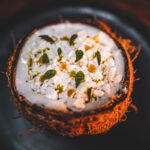

Leave a Comment