

Lokma: Turkey’s Syrup-Soaked Fried Dessert

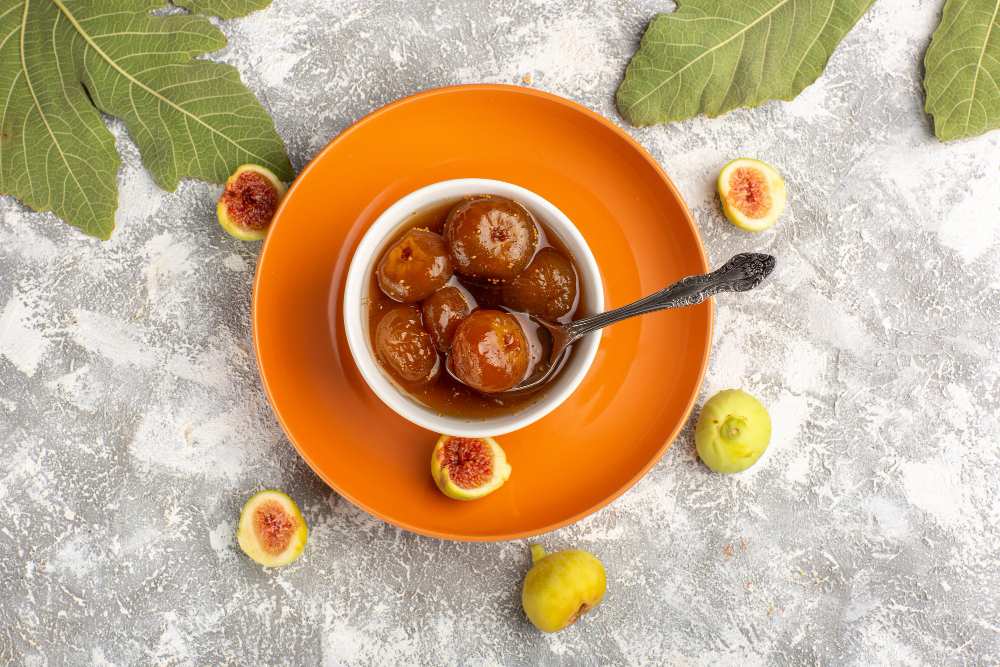
Turkish cuisine is known for its remarkable variety, from savoury dishes shaped by centuries of regional traditions to desserts that combine simple ingredients with distinctive preparation techniques. Among the country’s traditional sweets, Lokma occupies a special place. Small, golden pieces of fried dough soaked in syrup, Lokma is a dessert associated not only with Turkish food culture but also with hospitality, celebrations, religious occasions, and community gatherings.
At first glance, Lokma may appear to be a simple fried dessert. Its basic ingredients are relatively familiar: flour, water, yeast, sugar, and oil, followed by a sweet syrup. Yet the appeal of Lokma lies in the contrast created through its preparation. The dough becomes crisp and golden on the outside when fried, while the interior remains soft and airy. Once the pieces are placed in syrup, they absorb sweetness while retaining their characteristic texture.
Lokma is particularly interesting because its meaning extends beyond the dessert itself. In Turkey, food has traditionally played an important role in bringing communities together, and Lokma has often been prepared and distributed during occasions when people gather to share food. The dessert can therefore represent generosity and communal participation as much as it represents sweetness.
Its popularity has also allowed Lokma to move from traditional settings into modern bakeries, restaurants, street-food environments, and dessert shops. Today, variations can be found with different toppings and presentations, but the fundamental combination of fried dough and syrup remains central to its identity.
What Is Lokma?
Lokma is a traditional Turkish fried dessert made from a soft yeast-based dough. The dough is shaped into small portions and deep-fried until golden. After frying, the pieces are immersed in or coated with a sweet syrup.
The word “lokma” is associated with the idea of a small bite or morsel, which is appropriate for a dessert traditionally served in small individual pieces. Its compact size makes it easy to share, and several pieces can be served together as a portion.
The texture is one of the defining features of Lokma. Properly prepared pieces can have a lightly crisp exterior and a softer interior. The syrup adds sweetness and moisture, creating a contrast between the fried surface and the tender centre.
Depending on the region and preparation style, Lokma may be served plain after soaking in syrup or finished with ingredients such as cinnamon, nuts, sesame, pistachios, or other toppings. Modern dessert shops may also introduce chocolate, cream, or contemporary sauces, although these versions differ from more traditional presentations.
The Historical Roots of Lokma
Lokma belongs to a wider family of fried dough desserts that developed across the Middle East, the Mediterranean, and regions historically connected through trade and cultural exchange. Similar preparations exist in different countries under different names, reflecting the movement of culinary ideas across geographical boundaries.
In Turkey, Lokma became closely associated with Ottoman-era food traditions and subsequently developed strong regional identities. Over time, it became part of both everyday and ceremonial food culture.
Traditional Turkish sweets often combine flour, sugar, syrup, honey, nuts, and frying techniques. These ingredients were used in numerous preparations, and Lokma developed its own identity through its small shape, yeast-based dough, frying process, and syrup treatment.
The dessert’s history is therefore connected to a larger story of culinary exchange. Foods rarely develop in isolation, particularly in regions that historically connected Europe, Asia, and the Middle East. Lokma represents one example of how culinary traditions can evolve through centuries of interaction.
The Simple Ingredients Behind Lokma
One of the fascinating aspects of Lokma is that its basic ingredient list is relatively simple. Flour forms the structural base of the dough, while water provides hydration. Yeast helps the dough develop its characteristic light texture.
Sugar may be used in the dough and is also central to the syrup. The syrup is commonly prepared using sugar and water, sometimes with lemon juice to balance the sweetness and help maintain the desired consistency.
Oil is required for deep-frying. The choice of oil and the frying temperature can influence the final texture, colour, and amount of oil absorbed by the dough.
Traditional recipes may include only a small number of ingredients, but successful preparation depends heavily on technique. The consistency of the dough, fermentation time, frying temperature, and syrup temperature all influence the finished dessert.
This is a common characteristic of traditional foods. A short ingredient list does not necessarily mean a simple cooking process.
Preparing the Dough
The first major stage of making Lokma is preparing the dough. Flour is combined with water, yeast, and other ingredients to create a mixture that is softer and more fluid than the dough used for many traditional breads.
The dough is generally allowed to rest so that the yeast can ferment. During this period, the mixture develops structure and becomes lighter. The exact resting period can vary according to the recipe, temperature, and desired texture.
This fermentation stage is important because it contributes to the airy interior of the finished Lokma. If the dough is not prepared properly, the pieces may become too dense.
Traditional cooks often develop an intuitive understanding of dough consistency. Instead of depending exclusively on measurements, they may judge the mixture by its elasticity, softness, and appearance.
Modern recipes can provide precise instructions, but the underlying principle remains the same: the dough must be developed sufficiently to produce a light and tender interior after frying.
The Art of Shaping Lokma
Once the dough has fermented, it needs to be divided into small portions before frying. Traditionally, this may be done using a spoon or by working the dough with one hand while allowing small portions to fall into the hot oil.
The goal is to create relatively small pieces that can cook evenly. Uniformity is useful because pieces of significantly different sizes may require different cooking times.
The small size of Lokma also contributes to its appeal as a communal dessert. The pieces can be served in quantities that allow several people to share the same plate or serving dish.
Although the shapes may look irregular in traditional preparations, this does not necessarily reduce their appeal. Their handmade appearance can be part of the character of the dessert.
Deep-Frying Creates the Characteristic Texture
Frying is one of the most important stages in Lokma preparation. The shaped dough is placed into hot oil and cooked until it becomes golden and develops a firm exterior.
Temperature control is essential. If the oil is too hot, the exterior may darken quickly while the centre remains insufficiently cooked. If the temperature is too low, the dough can absorb excessive oil and become heavy.
As the dough cooks, its moisture interacts with the hot oil, producing the familiar fried exterior. The yeast-developed interior remains softer and lighter.
Once the pieces reach the desired colour and texture, they are removed from the oil and drained. They are then ready for the syrup.
This transition from hot oil to sweet syrup is what gives Lokma much of its distinctive character.
The Syrup Makes Lokma Different
The syrup is central to the identity of Lokma. Without it, the fried dough would be a very different type of food.
Traditional syrup is generally made by heating sugar and water together. Lemon juice may be added to provide balance and help control the syrup’s consistency.
The timing of syrup application matters. In many traditional preparations, freshly fried pieces are placed into prepared syrup so that the sweet liquid can penetrate the outer surface.
The result is a dessert that combines crispness, softness, and intense sweetness. The syrup does not simply sit on the surface. It becomes part of the texture of the dessert.
The balance between frying and syrup absorption is therefore critical. Too little syrup can leave the dessert dry, while excessive soaking can make the pieces overly soft.
Lokma and Turkish Hospitality
Food has an important role in Turkish hospitality, and Lokma fits naturally within this tradition. Its small size makes it particularly suitable for sharing, allowing hosts to serve multiple pieces to guests.
Sharing sweets can communicate warmth and generosity. A dessert does not have to be elaborate to become meaningful when it is prepared for others.
Lokma has also been connected with communal food traditions in which large quantities are prepared and distributed. This aspect distinguishes it from desserts that are primarily associated with private household consumption.
In such contexts, the value of Lokma comes not only from the ingredients but from the act of preparing and sharing it.
Lokma at Religious and Community Gatherings
Lokma has a long association in Turkey with religious and commemorative occasions. It may be prepared and distributed to communities in memory of deceased relatives or during other important religious and social events.
The practice of giving food to others transforms the dessert into an expression of generosity. People may gather around the preparation or receive portions as part of a community event.
This demonstrates how food can carry social meaning. A dish may be valued not simply because it tastes good but because it participates in rituals of remembrance, hospitality, and community.
The tradition also reflects a broader cultural principle found in many societies: sharing food can strengthen social connections.
Regional and Modern Variations
Although the basic concept of Lokma remains consistent, its presentation can vary. Different regions and cooks may prepare pieces of different sizes, shapes, or textures.
Some traditional versions are served primarily with syrup, while modern presentations may introduce additional toppings. Ground pistachios, walnuts, cinnamon, sesame, powdered sugar, or other ingredients may be used to add colour and flavour.
Contemporary dessert shops have also experimented with fillings and sauces. Chocolate-based versions, cream-filled varieties, and combinations inspired by other dessert traditions can be found in modern food culture.
These adaptations illustrate how traditional foods can evolve. A dish can retain its central identity while responding to changing consumer preferences.
At the same time, the traditional syrup-soaked version remains important because it provides the clearest connection to the dessert’s established culinary identity.
Lokma and Turkey’s Street Food Culture
Street food plays a significant role in Turkish food culture, particularly in urban areas where people can encounter regional and traditional foods outside the home.
Lokma has become part of this broader food environment. Its small size, relatively simple ingredients, and visually appealing golden colour make it well suited to street-food and takeaway settings.
Modern preparation methods may use specialised equipment to produce consistent pieces in larger quantities. This allows vendors to serve many customers while maintaining the basic characteristics of the dessert.
The combination of traditional food and modern food-service systems shows how culinary heritage can adapt to urban life. A dessert once associated primarily with household or community preparation can become part of contemporary food culture without completely losing its traditional character.
The Role of Technique in Traditional Lokma
Lokma demonstrates an important principle of traditional cooking: technique can be as important as ingredients.
A person may have access to the same flour, sugar, yeast, and oil used in a traditional recipe but still produce a different result. Fermentation, dough consistency, frying temperature, syrup concentration, and timing all influence the final dessert.
This is why traditional recipes are often passed down through demonstration. Experienced cooks can recognise details that are difficult to describe precisely in written instructions.
The ability to judge when dough is ready, when oil is sufficiently hot, or when syrup has reached the desired consistency comes through practice.
Lokma therefore represents not only a recipe but also a body of culinary knowledge.
The Cultural Meaning of Sharing Lokma
Perhaps the most significant feature of Lokma is its relationship with sharing. Many desserts are prepared to be consumed individually, but Lokma has a strong tradition of communal distribution.
Preparing a large quantity and giving portions to neighbours, guests, or community members turns food into an act of social connection.
This tradition is particularly meaningful during religious and commemorative occasions. The dessert becomes part of an event in which people come together, remember others, express generosity, or celebrate an important occasion.
The small size of each piece makes this sharing practical. People can receive several pieces without needing formal serving arrangements.
In this sense, Lokma’s physical form and cultural function complement each other.
Lokma in Contemporary Turkish Food Culture
Modern Turkish food culture includes both traditional home cooking and highly creative contemporary cuisine. Lokma has found a place in both environments.
Traditional versions continue to appear at cultural and community gatherings, while modern dessert businesses may reinterpret the dish for younger consumers.
Social media has also increased the visibility of visually appealing desserts. Golden fried Lokma topped with pistachios, chocolate, sauces, or other ingredients can be presented in ways that attract contemporary audiences.
This digital visibility can introduce regional foods to people who may never have encountered them before.
However, the popularity of modern variations also makes it important to recognise the traditional preparation. Understanding the original form provides context for the many interpretations that have developed around it.
A Dessert With a Broader Culinary Connection
Lokma can also be understood as part of a larger family of fried dough and syrup-based desserts found across neighbouring regions.
Similar concepts appear in different culinary traditions, sometimes with different doughs, shapes, syrups, fillings, and cultural meanings. These similarities reflect centuries of interaction between communities across the Mediterranean, Balkans, Middle East, and surrounding regions.
Comparing these foods can reveal how culinary traditions travel and transform. At the same time, Lokma retains its own identity through its Turkish cultural associations and preparation traditions.
The existence of similar foods does not diminish its distinctiveness. Instead, it places Lokma within a fascinating history of regional food exchange.
The Nutritional Perspective
Lokma is primarily a dessert and is best understood as an occasional sweet rather than an everyday staple. Its preparation involves deep-frying and a sugar-based syrup, making it relatively rich in energy.
The nutritional profile can vary depending on the recipe, portion size, frying method, and amount of syrup absorbed. Modern variations with chocolate, cream, nuts, or additional toppings can further change the composition.
As with other traditional sweets, its cultural importance should not be reduced entirely to nutritional analysis. Food also serves social, cultural, and emotional purposes.
Enjoying Lokma as part of a varied diet and appropriate portion sizes allows people to appreciate its traditional character while maintaining an overall balanced approach to eating.
Preserving the Tradition of Lokma
Traditional foods survive when people continue to prepare, share, document, and discuss them. Lokma’s future is therefore closely connected to both traditional communities and contemporary food culture.
Families can preserve the dessert by continuing to make it during important occasions. Food historians and cultural organisations can document its regional variations. Chefs can introduce new audiences to its traditional form, while digital creators can demonstrate preparation techniques.
Modern technology has made culinary preservation easier. Recipes, photographs, videos, and oral histories can be recorded and shared globally.
This is particularly important for traditional techniques that may otherwise be difficult to preserve. A written ingredient list may explain what Lokma contains, but a video demonstration can show how the dough behaves, how the pieces are shaped, and how the syrup is applied.
Conclusion
Lokma is a simple yet culturally meaningful representation of Turkish dessert traditions. Its combination of fermented dough, deep-frying, and sweet syrup creates a distinctive contrast between a golden exterior, soft interior, and rich sweetness.
Yet the importance of Lokma extends far beyond its ingredients. It has been connected with hospitality, religious occasions, remembrance, festivals, community gatherings, and the tradition of sharing food with others. In these contexts, the dessert becomes part of a social practice rather than merely an item of cuisine.
The preparation of Lokma also demonstrates the importance of culinary technique. Dough consistency, fermentation, frying temperature, syrup preparation, and timing all contribute to the final result. These skills are often learned through observation and repeated practice, making the dessert a carrier of traditional knowledge.
At the same time, Lokma continues to evolve. Modern bakeries, dessert shops, street-food vendors, and digital food communities have introduced new presentations and flavours. These adaptations show how traditional foods can remain relevant in changing culinary environments.
Ultimately, Lokma represents the connection between simple ingredients and meaningful traditions. Its small size makes it ideal for sharing, while its preparation creates opportunities for people to gather around food. Whether served at a community occasion, prepared in a traditional setting, or presented in a modern dessert shop, Lokma continues to carry a distinctive part of Turkey’s culinary heritage.
Online Internship with Certificate
You may be interested
Zaalouk: Morocco’s Smoky Eggplant Dish for Vegetarian Food Lovers
Anshika Jain - September 24, 2026Moroccan cuisine is widely recognised for its rich combination of spices, fresh vegetables, aromatic herbs, and traditional cooking techniques. From fragrant tagines and hearty couscous to delicate…
Saffron Desserts Around the World: From Indian Mithai to Modern Pastry
Anshika Jain - September 24, 2026Few ingredients have travelled through culinary history with the prestige and versatility of saffron. Recognised by its delicate aroma, vivid golden colour, and distinctive flavour, saffron has…
Adhirasam: Tamil Nadu’s Traditional Rice and Jaggery Sweet
Anshika Jain - September 24, 2026Tamil Nadu has a rich culinary heritage in which food is closely connected with festivals, religious traditions, family gatherings, and seasonal celebrations. Among its many traditional sweets,…
Most from this category
Obbattu: Karnataka’s Stuffed Flatbread Dessert With a Festival Tradition
Anshika Jain - September 24, 2026
Tepache: Mexico’s Fermented Pineapple Drink and the Revival of Traditional Beverages
Anshika Jain - September 22, 2026
Obbattu: Karnataka’s Stuffed Flatbread Dessert With a Festival Tradition
Anshika Jain - September 24, 2026Patishapta: Bengal’s Rice Crepes Filled With Coconut and Sweetness
Anshika Jain - September 22, 2026Tepache: Mexico’s Fermented Pineapple Drink and the Revival of Traditional Beverages
Anshika Jain - September 22, 2026
Zaalouk: Morocco’s Smoky Eggplant Dish for Vegetarian Food Lovers
September 24, 2026
Saffron Desserts Around the World: From Indian Mithai to Modern Pastry
September 24, 2026
Adhirasam: Tamil Nadu’s Traditional Rice and Jaggery Sweet
September 24, 2026
Obbattu: Karnataka’s Stuffed Flatbread Dessert With a Festival Tradition
September 24, 2026

Leave a Comment