

Georgian Lobio: The Creamy Bean Dish Making Plant-Based Eating Interesting

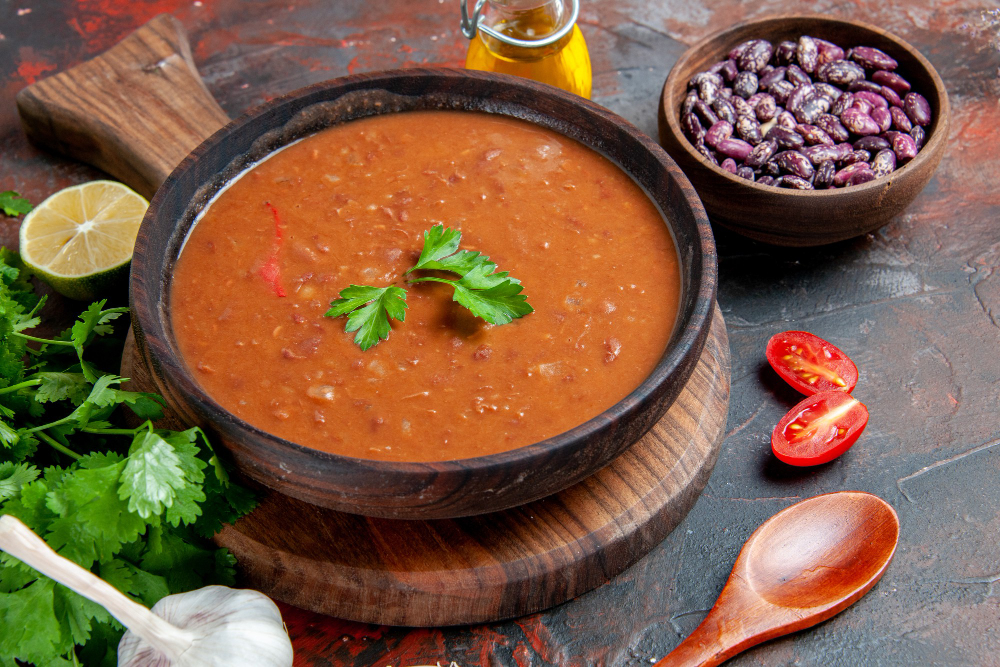
Georgian cuisine is often celebrated for its bold flavours, generous use of herbs, comforting textures and ability to turn simple ingredients into deeply satisfying meals. Among its many traditional dishes, Lobio holds a special place. Made primarily from beans and enriched with herbs, spices, onions, garlic and sometimes walnuts, Georgian Lobio demonstrates how a humble legume can become the centrepiece of a meal without relying on meat or complicated ingredients. Its creamy consistency, earthy flavour and aromatic character make it an especially interesting dish for people exploring plant-based eating.
As interest in vegetarian and plant-based food continues to grow, dishes such as Georgian Lobio offer an alternative to the idea that plant-based meals must be modern, restrictive or heavily dependent on meat substitutes. Lobio comes from a long culinary tradition in which beans have been treated not merely as a side ingredient but as an important source of nourishment and flavour. The dish can be served warm or at room temperature, prepared in different regional styles and adapted according to available ingredients.
What makes Lobio particularly appealing is its combination of simplicity and depth. Beans provide protein, fibre and a naturally creamy foundation, while Georgian herbs, spices, onions, garlic and walnuts introduce layers of flavour. The result is a dish that feels hearty and substantial while remaining naturally vegetarian in many traditional preparations.
What Is Georgian Lobio?
Lobio is a traditional Georgian bean dish whose name is closely associated with the Georgian word for beans. Although the word can refer broadly to bean-based preparations, Lobio is commonly understood as a richly seasoned dish made with cooked beans and aromatic ingredients. There is no single universal recipe because Georgian households and regions have developed their own versions over generations.
Some preparations are thick and almost stew-like, while others have a softer, mashed consistency. Certain versions contain walnuts, while others focus more strongly on herbs and spices. Some are served hot in clay pots, whereas other preparations are enjoyed cold or at room temperature. This diversity is part of what makes Lobio so interesting from a culinary perspective.
At its heart, however, the dish is built around a simple idea: beans can provide both substance and character when they are cooked properly and combined with ingredients that complement their natural earthiness. Instead of treating beans as an inexpensive substitute for meat, Georgian cooking gives them their own identity.
The Georgian Approach to Beans
Beans appear in many food cultures because they are affordable, versatile and nutritionally valuable. What distinguishes Georgian Lobio is the way beans become integrated with a highly aromatic flavour profile. The dish is not simply boiled beans served with seasoning. The beans are cooked until tender and then combined with ingredients that create a complex balance of savoury, herbal, spicy and slightly nutty flavours.
Georgian cuisine frequently uses ingredients such as coriander, parsley, dill, mint, garlic, onions, walnuts and spices. When these ingredients are combined with beans, they create a dish that is much more expressive than its basic components might suggest.
This approach offers an important lesson for modern plant-based cooking. Instead of trying to recreate the texture and flavour of meat in every meal, cooks can focus on developing flavour directly from vegetables, grains, legumes, nuts, herbs and spices. Lobio represents this philosophy naturally.
Why Lobio Works So Well as a Plant-Based Dish
One of the biggest challenges in plant-based cooking is creating meals that feel satisfying rather than incomplete. Beans are particularly useful because they provide a combination of protein, fibre and carbohydrates while also developing a creamy texture when cooked for a sufficient amount of time.
Lobio takes advantage of these qualities. The beans provide the main body of the dish, while aromatics and seasonings prevent the result from becoming bland. The addition of walnuts in some versions contributes richness and a slightly crunchy or nutty character, while fresh herbs bring brightness.
This combination creates several layers of texture. Soft beans form the creamy foundation, chopped walnuts can provide contrast, and fresh herbs add a lighter element. The result is comforting without being monotonous.
For people who are reducing their meat consumption, Lobio can therefore demonstrate that a meal does not need a meat-based centrepiece to feel complete. Its identity comes from the ingredients themselves rather than from imitation.
The Importance of Beans in Georgian Food Culture
Beans have long been an important part of Georgian cuisine, particularly because they are practical ingredients that can be transformed into filling meals. Different varieties of beans can be used depending on the recipe and region, with red or dark-coloured beans commonly associated with familiar versions of Lobio.
Traditional cooking methods also contribute to the character of the dish. Slow cooking allows beans to become tender while giving the other ingredients time to blend into the mixture. The resulting texture is one of the defining characteristics of many Lobio preparations.
This slow, ingredient-focused approach contrasts with the speed-oriented nature of much modern food culture. Lobio illustrates how allowing simple ingredients to cook and develop gradually can create depth without requiring an elaborate cooking process.
Herbs Give Lobio Its Distinctive Character
If beans provide the foundation of Lobio, herbs provide much of its personality. Fresh coriander, parsley and dill are commonly associated with Georgian cooking and can transform the aroma of a bean-based dish.
Coriander, in particular, contributes a fresh and slightly citrus-like quality that balances the richness of the beans. Parsley adds freshness, while dill can introduce a distinctive aromatic note. Depending on the regional or household recipe, other herbs may also be used.
Garlic and onions play another important role. Onions provide sweetness and savouriness when cooked, while garlic adds intensity. When combined with beans and herbs, they create a flavour profile that is simultaneously earthy, fresh and aromatic.
The importance of these ingredients demonstrates a broader principle in plant-based cuisine: flavour does not have to come from animal products. Properly used herbs, spices, aromatics and nuts can create considerable depth.
The Role of Walnuts in Georgian Lobio
Walnuts are another ingredient that can make Georgian Lobio particularly distinctive. Georgian cuisine has a strong culinary tradition of using walnuts in savoury dishes, sauces and vegetable preparations. Their inclusion in Lobio can add richness, texture and a subtle bitterness that complements the sweetness of cooked onions and the earthiness of beans.
Walnuts also make the dish more texturally interesting. A completely soft bean preparation can sometimes feel one-dimensional, but finely chopped or crushed walnuts introduce a different mouthfeel.
From a plant-based cooking perspective, nuts are valuable because they can add richness without dairy. This makes walnuts a natural companion to beans, particularly in dishes designed to feel hearty and satisfying.
Spices and the Georgian Flavour Profile
The flavour of Lobio can vary significantly depending on the spices used. Georgian cooking is known for its use of aromatic spice blends, and bean dishes can benefit from ingredients such as ground coriander, fenugreek and chilli.
One of the most distinctive Georgian spice blends is khmeli suneli, an aromatic mixture that can contain several herbs and spices. Its precise composition can vary, but it is often associated with ingredients such as coriander, fenugreek, dill and other herbs.
When used in a bean dish, such seasonings can change the entire character of the meal. Rather than tasting simply of cooked legumes, the beans become part of a broader aromatic composition.
The use of spices also makes Lobio adaptable. A cook can adjust the intensity according to preference, creating a milder preparation or a more strongly seasoned version without changing the basic structure of the dish.
How Traditional Lobio Gets Its Creamy Texture
The creamy texture of Lobio is one of the reasons the dish can feel so satisfying. Importantly, this creaminess does not necessarily come from cream, butter or cheese. It develops naturally from the beans.
When beans are cooked until very tender, some of them can be mashed or crushed into the cooking liquid. This creates a thick consistency while leaving some whole beans intact. The combination produces a rustic texture that is both creamy and substantial.
This technique is especially relevant to modern plant-based cooking because it demonstrates how texture can be created from whole foods. Instead of relying on processed alternatives, cooks can use the natural properties of legumes to create richness.
The result is a dish that feels indulgent while remaining relatively simple in composition.
Lobio as a Complete Meal
Although Lobio can be served as part of a larger Georgian meal, it can also function as a substantial plant-based main dish. Its combination of beans, herbs, aromatics and optional walnuts makes it naturally filling.
It can be accompanied by Georgian bread, vegetables, pickles or salads. Served with fresh bread, the creamy beans can become an especially comforting meal. A fresh vegetable accompaniment can provide contrast to the warm, rich texture of the Lobio.
The flexibility of the dish makes it suitable for different eating occasions. It can be prepared as a family meal, served as part of a gathering or enjoyed as a simple weekday dish.
This versatility is another reason traditional foods are increasingly relevant to contemporary plant-based eating. They provide established combinations of ingredients rather than requiring cooks to invent every meal from scratch.
Regional and Household Variations
There is no single definitive version of Georgian Lobio. Recipes differ depending on region, family tradition and the occasion for which the dish is prepared. Some versions emphasize whole beans, while others are more heavily mashed. Some include walnuts prominently, while others use them sparingly or omit them.
The level of spice can also vary. Certain preparations may be relatively mild, allowing the beans and herbs to dominate, while others can be considerably more aromatic or spicy.
This variation should not be seen as a problem. Instead, it reflects the nature of traditional food. Recipes evolve as they move between households and regions, with cooks adapting them to local ingredients and personal tastes.
For modern home cooks, this makes Lobio particularly accessible. There is room for experimentation while maintaining the fundamental character of the dish.
Lobio and the Growing Interest in Plant-Based Eating
The rise of plant-based diets has encouraged people to look beyond conventional vegetarian dishes. Consumers increasingly want meals that are nutritious, culturally interesting and satisfying rather than simply labelled as meat-free.
Traditional foods such as Lobio fit naturally into this movement because their plant-based identity is not an adaptation. Beans are not replacing meat in an old recipe; they have historically been the foundation of the dish.
This distinction matters. Plant-based eating is sometimes presented as a modern trend requiring unfamiliar ingredients, expensive substitutes or highly processed products. Lobio offers another perspective. A satisfying plant-based meal can emerge from inexpensive legumes, fresh herbs, aromatics, nuts and spices.
Its appeal therefore extends beyond vegetarian and vegan audiences. Anyone interested in discovering new flavours can appreciate the dish as part of Georgian culinary culture.
The Nutritional Appeal of Bean-Based Meals
Beans are widely valued for their nutritional qualities. They provide plant-based protein and dietary fibre and can contribute important micronutrients to the diet. Their combination of protein and fibre can also make bean-based meals filling.
When Lobio includes walnuts, the nutritional profile becomes even more diverse, with nuts contributing unsaturated fats, protein and additional micronutrients. Herbs and aromatics add flavour while allowing the dish to remain relatively dependent on whole plant ingredients.
Of course, the nutritional value of a specific Lobio preparation depends on its ingredients, serving size and cooking method. A recipe containing substantial amounts of added oil or salt will have a different nutritional profile from a lighter preparation.
Nevertheless, the basic structure of the dish aligns well with many contemporary approaches to balanced plant-based eating.
Why Traditional Foods Matter in Modern Plant-Based Cuisine
One of the most interesting aspects of Lobio is what it says about the relationship between traditional cuisine and modern food trends. Plant-based eating is often discussed as though it were a completely new concept. Yet cultures around the world have developed substantial vegetarian dishes over centuries.
Georgian Lobio is one example of how legumes can form the centre of a meal without being treated as a compromise. Similar culinary traditions can be found across Asia, Africa, the Middle East, Europe and Latin America.
Exploring these foods can make plant-based eating more culturally diverse. Instead of repeatedly preparing the same salads, lentil dishes or vegetable stir-fries, people can discover recipes with different techniques, textures and flavour combinations.
Lobio is particularly valuable in this context because it demonstrates that comfort food and plant-based food can exist together.
Making Lobio Interesting for Modern Home Cooks
The traditional foundation of Lobio can remain intact while modern cooks adapt the presentation and serving style. A homemade version can be prepared with commonly available beans while retaining the essential combination of aromatic herbs, onions, garlic and spices.
The texture can also be adjusted according to preference. Those who prefer a rustic dish can leave more whole beans intact, while those who enjoy a smoother preparation can mash a greater portion of the beans.
Fresh herbs should ideally be added thoughtfully because their aroma can become an important part of the final dish. Walnuts can provide additional richness, while chilli can introduce heat for those who enjoy stronger flavours.
The goal is not to turn Lobio into a completely different dish. Its appeal lies precisely in its traditional character. Modern adaptations work best when they preserve the relationship between beans, herbs, aromatics and spices.
Lobio and the Future of Sustainable Eating
Legumes are increasingly important in conversations about sustainable food systems because they can provide substantial nutritional value without requiring the same agricultural inputs associated with many animal-based foods. Beans are also relatively affordable and have a long shelf life, making them practical ingredients for home cooking.
Traditional dishes built around legumes therefore have relevance beyond cultural appreciation. They can contribute to a broader understanding of how satisfying meals can be created from accessible plant ingredients.
Lobio does not need to be marketed as a futuristic food to fit into discussions about the future of eating. Its importance comes from the fact that it already demonstrates a sustainable culinary principle: simple plant ingredients can create deeply satisfying food when combined thoughtfully.
As consumers become more interested in affordable, nutritious and environmentally conscious meals, traditional bean-based dishes may become increasingly visible outside their regions of origin.
Conclusion
Georgian Lobio is a powerful reminder that plant-based cuisine does not have to be repetitive, complicated or dependent on meat substitutes. At its foundation is one of the world’s simplest ingredients: the humble bean. Yet through slow cooking, aromatic herbs, garlic, onions, spices and, in many versions, walnuts, those beans become a rich and deeply satisfying dish.
Its creamy texture, bold seasoning and flexibility make Lobio an appealing choice for anyone exploring vegetarian or plant-based food. More importantly, its traditional roots demonstrate that the principles behind modern plant-based eating have existed in many culinary cultures for generations.
As global food culture becomes increasingly interested in healthier and more sustainable eating, dishes such as Lobio offer an important source of inspiration. They show that eating more plants does not mean giving up flavour, comfort or culinary identity. Instead, it can be an opportunity to discover how different cultures have already mastered the art of making plants the centre of the plate.
Georgian Lobio therefore deserves attention not simply as another vegetarian recipe, but as an example of how traditional food can make modern plant-based eating more diverse, satisfying and exciting.
Online Internship with Certificate
You may be interested
Carrot “Bacon”: Can Vegetables Really Recreate a Breakfast Classic?
Anshika Jain - October 5, 2026Breakfast foods are often associated with strong sensory memories. The smell of something sizzling in a pan, the crispness of a browned edge, the combination of salty…
Tibetan Sha Phaley—Reimagined as a Vegetarian Crispy Snack
Anshika Jain - October 5, 2026Tibetan cuisine is known for its comforting flavours, hearty textures and ability to create satisfying meals from simple ingredients. Among its well-known dishes, Sha Phaley stands out…

Indonesian Gado-Gado: The Peanut-Sauce Salad That Is Anything
Anshika Jain - October 5, 2026Indonesian cuisine is known for its remarkable ability to combine contrasting flavours, textures and ingredients into dishes that feel both comforting and exciting. Among its many celebrated…
Most from this category
French Socca: The Gluten-Free Chickpea Pancake With Street-Food Energy
Anshika Jain - October 5, 2026


French Socca: The Gluten-Free Chickpea Pancake With Street-Food Energy
Anshika Jain - October 5, 2026Unexpected Uses of Coconut in Vegetarian Food, Drinks and Desserts
Anshika Jain - October 2, 2026Rooibos: South Africa’s Naturally Caffeine-Free Herbal Beverage
Anshika Jain - October 2, 2026




Leave a Comment