

Carrot “Bacon”: Can Vegetables Really Recreate a Breakfast Classic?

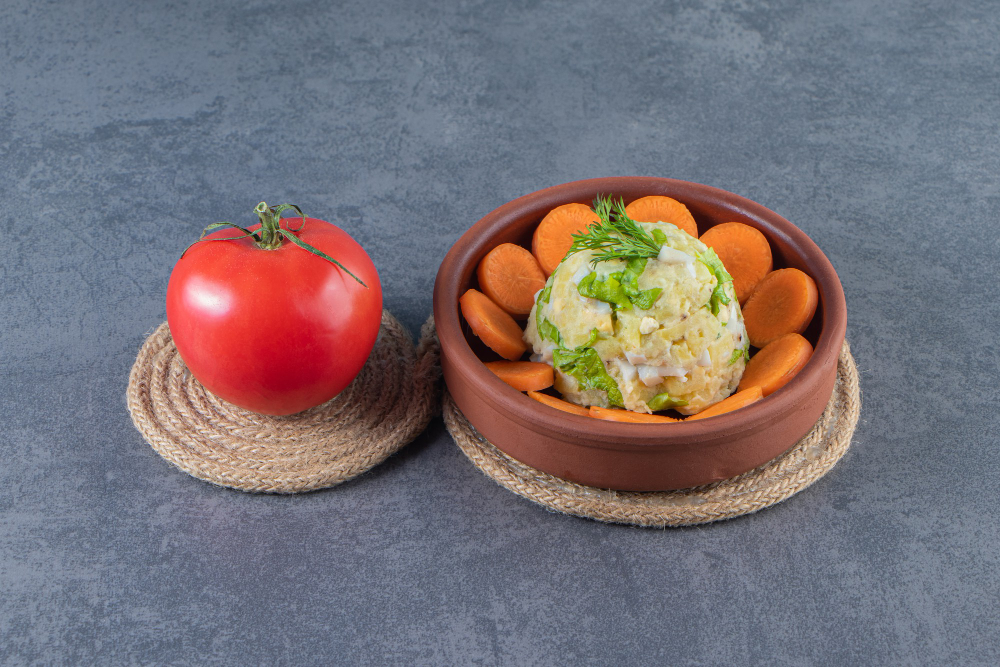
Breakfast foods are often associated with strong sensory memories. The smell of something sizzling in a pan, the crispness of a browned edge, the combination of salty and smoky flavours, and the satisfying contrast between crunchy and tender textures can make certain foods feel almost impossible to replace. Bacon is one such food. Its distinctive combination of salt, fat, smoke and crispness has made it a familiar breakfast ingredient in many cuisines, particularly in Western food culture. But as vegetarian and plant-based eating continue to influence modern food habits, cooks are asking an intriguing question: can a vegetable recreate the experience of a classic breakfast food?
Carrot “bacon” has emerged as one of the more unexpected answers. Instead of using processed alternatives, this creative preparation takes an ordinary carrot and transforms it into thin, seasoned strips designed to imitate some of the sensory characteristics associated with bacon. The idea may initially sound unusual, but the technique reveals an important principle of modern vegetarian cooking. Recreating a food does not always require copying its ingredients. Sometimes the objective is to reproduce particular sensations such as crispness, smokiness, sweetness, saltiness and caramelization.
Carrot bacon cannot literally become bacon, and it does not perfectly reproduce the taste or texture of pork. What it can do is create a crispy, smoky and savory vegetable preparation that can occupy a similar culinary role. That distinction is important because it allows carrot bacon to be appreciated on its own terms rather than judged solely against the original.
What Exactly Is Carrot “Bacon”?
Carrot bacon is a plant-based preparation in which carrots are sliced into very thin strips and seasoned before being cooked until browned and crisp around the edges. The word “bacon” refers primarily to the intended style and sensory experience rather than the ingredient itself. The preparation aims to capture some of the characteristics people associate with bacon, including smoky flavour, saltiness, slight sweetness and a crisp texture.
The carrot provides an interesting foundation because it naturally contains sugars that become more pronounced when heated. As the carrot cooks, those sugars can contribute to browning and caramelization. When combined with a smoky seasoning and a little oil, the vegetable can develop a much deeper flavour than its raw form suggests.
The final result depends heavily on slicing and cooking. A thin strip can become crisp and slightly chewy, while a thicker slice remains softer and more substantial. This makes the preparation surprisingly flexible. It can be used as a topping for sandwiches, salads, breakfast dishes or burgers, or simply eaten as a snack.
Why Carrots Work as a Bacon Alternative
At first glance, carrots seem like an unlikely substitute for bacon. They contain almost none of the characteristics that make bacon distinctive in its original form. However, the objective of a plant-based recreation is often not to duplicate the original ingredient chemically or nutritionally. Instead, it is to identify the characteristics people enjoy and reproduce as many of those characteristics as possible using another ingredient.
Carrots already offer several useful qualities. Their natural sweetness creates a foundation for caramelized flavours, while their firm structure allows them to be sliced into long, thin pieces. Their relatively neutral vegetable flavour also means they can absorb marinades and seasonings effectively.
Cooking changes the carrot dramatically. Raw carrots are crunchy, fresh and slightly sweet, but roasting or pan-cooking them can produce deeper sweetness and a softer texture. With enough seasoning and controlled heat, the vegetable develops browned edges and a more intense flavour profile. This transformation is central to the appeal of carrot bacon.
The Importance of Thin Slicing
The slicing technique is one of the most important factors in making convincing carrot bacon. A carrot needs to be cut into long, thin strips that resemble the general shape of bacon. A vegetable peeler, mandoline or very sharp knife can be used depending on the desired thickness and the cook’s experience.
Thin slices allow the carrot to cook more quickly and lose some of its moisture. This helps create crisp edges while retaining enough flexibility for the strip to remain intact. If the carrot is sliced too thickly, it may roast like a regular vegetable rather than develop the texture associated with bacon.
Uniformity also matters. If some strips are significantly thicker than others, they will cook at different rates. The thinner pieces may become overly crisp before the thicker pieces are ready. Consistent slicing therefore improves both the appearance and texture of the finished preparation.
Creating the Smoky Flavour
Smoke is one of the defining characteristics of bacon, and recreating it is central to the concept of carrot bacon. Several ingredients can contribute smoky depth. Smoked paprika is one of the most accessible choices because it provides a distinct smoky aroma while also adding colour.
Liquid smoke is another option that can create a stronger smoky character, although it should generally be used sparingly. The purpose is to add depth rather than make the carrot taste overwhelmingly artificial. Other seasonings can provide complexity without attempting to replicate smoke directly.
A small amount of salt is also important because it balances the carrot’s natural sweetness. The combination of sweetness and saltiness creates a more complex flavour profile and helps the vegetable feel more like a savory breakfast ingredient.
Some versions may incorporate maple syrup or another mildly sweet ingredient. This can intensify caramelization and create the sweet-salty combination often associated with breakfast foods. The key is balance. Excessive sweetness can turn the preparation into a glazed vegetable rather than a bacon-inspired topping.
How Cooking Changes the Carrot
Heat is responsible for much of the transformation that makes carrot bacon interesting. As the thin carrot strips cook, their moisture gradually evaporates and their natural sugars become concentrated. The surface can brown, creating deeper flavours and a more appealing texture.
Oven roasting is one of the common approaches because it allows multiple strips to cook simultaneously. The carrot pieces can be lightly coated with oil and seasoning before being arranged on a baking surface. Controlled heat allows the edges to brown while the centre becomes tender.
Air frying can also be useful because circulating hot air encourages browning and crispness. It may be particularly convenient for small batches. Pan cooking offers another possibility, especially when only a few strips are needed. However, because carrot slices are delicate, they require careful handling to prevent burning.
The ideal texture is subjective. Some people may prefer carrot bacon that is crisp and brittle, while others may enjoy a more flexible strip with slightly chewy edges. This means there is no single definition of perfect carrot bacon. Cooking time can be adjusted according to the desired result.
Can Carrot Bacon Really Taste Like Bacon?
The honest answer is no, not completely. Carrot bacon does not reproduce the flavour, fat content or texture of pork bacon. Expecting an exact imitation can therefore lead to disappointment. The more useful question is whether carrot bacon can provide a similar combination of sensory qualities in a plant-based form.
When prepared thoughtfully, it can offer smoky, salty, sweet and caramelized flavours alongside a crisp or chewy texture. These characteristics can make it satisfying in dishes where bacon is traditionally used as a flavourful topping or textural component.
This distinction reflects a broader trend in plant-based cuisine. Many successful alternatives do not need to perfectly duplicate the original food. They need to provide enough of the desired experience to work within a particular dish. Carrot bacon succeeds best when treated as a creative ingredient rather than a scientific replica.
Carrot Bacon and the Growth of Plant-Based Breakfasts
Breakfast has become an important area of innovation in vegetarian and vegan food. Traditional breakfast menus often contain dairy and refined carbohydrates, which can make plant-based alternatives seem limited. However, vegetables, legumes, grains, tofu, mushrooms and plant-based proteins have expanded the possibilities considerably.
Carrot bacon fits into this movement because it transforms a familiar vegetable into a breakfast-style ingredient. It can be placed inside a sandwich, served alongside scrambled tofu, added to avocado toast or used as a topping for breakfast potatoes. Its visual appearance also makes it easy to integrate into dishes that traditionally rely on strips of bacon.
The preparation demonstrates that plant-based breakfast does not necessarily mean abandoning familiar flavours. Instead, familiar flavour combinations can be reconstructed using different ingredients and techniques.
More Than a Breakfast Ingredient
Although the name connects carrot bacon with breakfast, its applications extend far beyond the morning meal. Its smoky and crispy character can add contrast to many dishes.
A few crisp strips can transform an ordinary salad by adding texture and saltiness. They can be placed inside a sandwich to create a crunchy layer or crumbled over soups to provide a smoky finishing element. Carrot bacon can also be incorporated into burgers, wraps and plant-based bowls.
The preparation works particularly well as a garnish because a relatively small quantity can contribute a strong flavour and textural contrast. Instead of serving carrots simply as a vegetable side dish, cooks can use them as a concentrated flavour component.
Nutritional Perspective: Is Carrot Bacon Healthy?
Calling a food “vegetarian” or “plant-based” does not automatically make it nutritionally superior. Carrot bacon can be a useful way to incorporate vegetables into meals, but its nutritional value depends on how it is prepared and what ingredients accompany it.
Carrots naturally provide beta-carotene, which the body can convert into vitamin A, along with fibre and other micronutrients. However, a preparation that uses substantial amounts of oil, salt or sweeteners will have a different nutritional profile from plain roasted carrots.
The advantage of carrot bacon is that the carrot remains the central ingredient rather than being replaced by a heavily processed substitute. For people looking for simple plant-based foods made from familiar ingredients, this can be appealing.
It is best viewed as one component of a balanced meal rather than a nutritional replacement for every characteristic of bacon. Pairing it with whole grains, legumes, vegetables, fruit or other protein-rich foods can create a more complete meal.
Carrot Bacon Compared with Processed Plant-Based Bacon
The plant-based food market already offers products specifically designed to imitate bacon. These can be made from ingredients such as soy, wheat proteins, peas, coconut-derived ingredients or other formulations designed to reproduce texture.
Carrot bacon takes a different approach. Instead of trying to manufacture a product that closely resembles pork bacon, it starts with a whole vegetable and uses cooking techniques to transform it. This makes the preparation particularly attractive to home cooks who prefer recognizable ingredients.
The difference also highlights the diversity of plant-based eating. Some consumers want highly realistic alternatives, while others prefer vegetables prepared in creative ways. Carrot bacon belongs to the second category. Its purpose is not necessarily to fool someone into thinking they are eating pork but to demonstrate what a vegetable can do when treated creatively.
Sustainability and the Appeal of Vegetable-Based Innovation
The environmental conversation around food has encouraged greater interest in meals built around vegetables, legumes and other plant-based ingredients. Carrots are widely available and relatively inexpensive, making them an accessible ingredient for experimentation.
Using a familiar vegetable creatively can also make plant-forward cooking feel less intimidating. People do not necessarily need specialty products or expensive ingredients to explore new flavours. A carrot, a few seasonings and the right cooking technique can produce something that feels completely different from the vegetable’s usual presentation.
This is part of a broader movement toward reducing food waste and increasing culinary creativity. Vegetables that might otherwise be used only in soups, salads or side dishes can be transformed into snacks, toppings and centrepiece ingredients.
The Role of Texture in Modern Vegetarian Cooking
One reason carrot bacon is interesting is that it highlights the importance of texture in plant-based cuisine. Flavour is only one part of the eating experience. Crunch, chewiness, crispness, tenderness and contrast can determine whether a dish feels satisfying.
Traditional bacon provides a strong textural experience, particularly when cooked until crisp. Carrot bacon attempts to introduce a similar contrast into plant-based dishes. The thin edges can become crisp while the thicker centre remains slightly tender.
This principle can be applied to many other vegetables. Thinly sliced potatoes can become chips, cabbage can be roasted until its edges caramelize, mushrooms can develop a rich browned exterior, and cauliflower can become crisp when properly seasoned and cooked. Modern vegetarian cooking increasingly focuses on technique as much as ingredients.
The Social-Media Appeal of Carrot Bacon
Carrot bacon also belongs to a category of food that performs particularly well in visual digital culture. Watching a familiar vegetable transform into something unexpected creates an element of surprise. The long strips, smoky appearance and crisp texture make the preparation visually distinctive.
This helps explain why unusual vegetable transformations often attract attention online. They challenge assumptions about what an ingredient can become. For younger food audiences, experimentation and visual novelty are often part of the appeal of cooking.
However, the strongest reason to try carrot bacon should not simply be its novelty. Its usefulness comes from its ability to introduce smoky, crisp and savory elements into vegetarian meals. When a visually interesting food is also practical and flavorful, it has a better chance of becoming part of everyday cooking rather than remaining an internet trend.
How to Think About Carrot Bacon
The most productive way to approach carrot bacon is to stop asking whether it is exactly like bacon. A carrot will remain a carrot, and the objective is not to erase that identity completely. Instead, the preparation demonstrates how cooking can change the way an ingredient behaves.
The carrot becomes thinner, softer, sweeter and more intensely seasoned. Its edges become browned and crisp. Smoky flavours give it a savory character, while salt and sweetness create complexity. The result is a new form of the vegetable that can perform a familiar culinary function.
This approach represents a more interesting future for plant-based cooking. Instead of asking which processed product can replace, cooks can ask which qualities they enjoy and which vegetables can deliver those qualities through technique.
Conclusion: Can a Vegetable Recreate a Breakfast Classic?
Carrot bacon cannot completely recreate traditional bacon, and it does not need to. Its value lies in demonstrating how far a simple vegetable can be transformed through slicing, seasoning and controlled cooking.
The combination of natural carrot sweetness, smoky seasoning, saltiness, caramelization and crisp texture creates a surprisingly satisfying ingredient for vegetarian and vegan meals. It can bring a bacon-inspired character to breakfast sandwiches, salads, burgers, toast and many other dishes.
More importantly, carrot bacon represents a broader shift in the way people think about vegetarian food. Instead of treating vegetables as secondary components, modern cooking increasingly gives them the opportunity to become the central attraction. A humble carrot can become a crispy, smoky topping, a breakfast ingredient and even a conversation starter about the future of plant-based food.
So, can vegetables really recreate a breakfast classic? Not perfectly—and that may be the point. The most exciting vegetarian foods are not always those that pretend to be something else. Sometimes they are the dishes that take a familiar ingredient, apply an unexpected technique and create an entirely new reason to appreciate it.
Online Internship with Certificate
You may be interested

Taro Leaf Rolls: Leaf Structure and Safe Cooking Influence a Wrapped Vegetable Dish
Anshika Jain - October 26, 2026Taro leaf rolls demonstrate how a simple leafy vegetable can become the foundation of a distinctive and satisfying dish. Found in different forms across tropical regions, taro…

Acorn Jelly: Korean Dotorimuk and the Science of Starch
Anshika Jain - October 26, 2026Acorn jelly is a distinctive food made by transforming the seeds of oak trees into a smooth, firm, sliceable preparation. Best known in Korea as dotori-muk or…

Kabak Tatlisi: Turkish Pumpkin Dessert with a Glossy, Syrupy Finish
Anshika Jain - October 26, 2026Kabak Tatlısı is a traditional Turkish dessert that transforms an everyday autumn vegetable into a glossy, syrup-coated sweet through a remarkably simple cooking process. Prepared by slowly…
Most from this category
Moustalevria: Traditional Greek Grape-Must Pudding with Natural Sweetness
Anshika Jain - October 26, 2026
Kisiel: Traditional Fruit Dessert That Reveals the Science of Starch Thickening
Anshika Jain - October 26, 2026
Tinginys: Lithuania’s No-Bake Biscuit Dessert with a Distinctive Chocolate Mosaic
Anshika Jain - October 26, 2026
Moustalevria: Traditional Greek Grape-Must Pudding with Natural Sweetness
Anshika Jain - October 26, 2026Kisiel: Traditional Fruit Dessert That Reveals the Science of Starch Thickening
Anshika Jain - October 26, 2026Tinginys: Lithuania’s No-Bake Biscuit Dessert with a Distinctive Chocolate Mosaic
Anshika Jain - October 26, 2026





Leave a Comment