

French Socca: The Gluten-Free Chickpea Pancake With Street-Food Energy

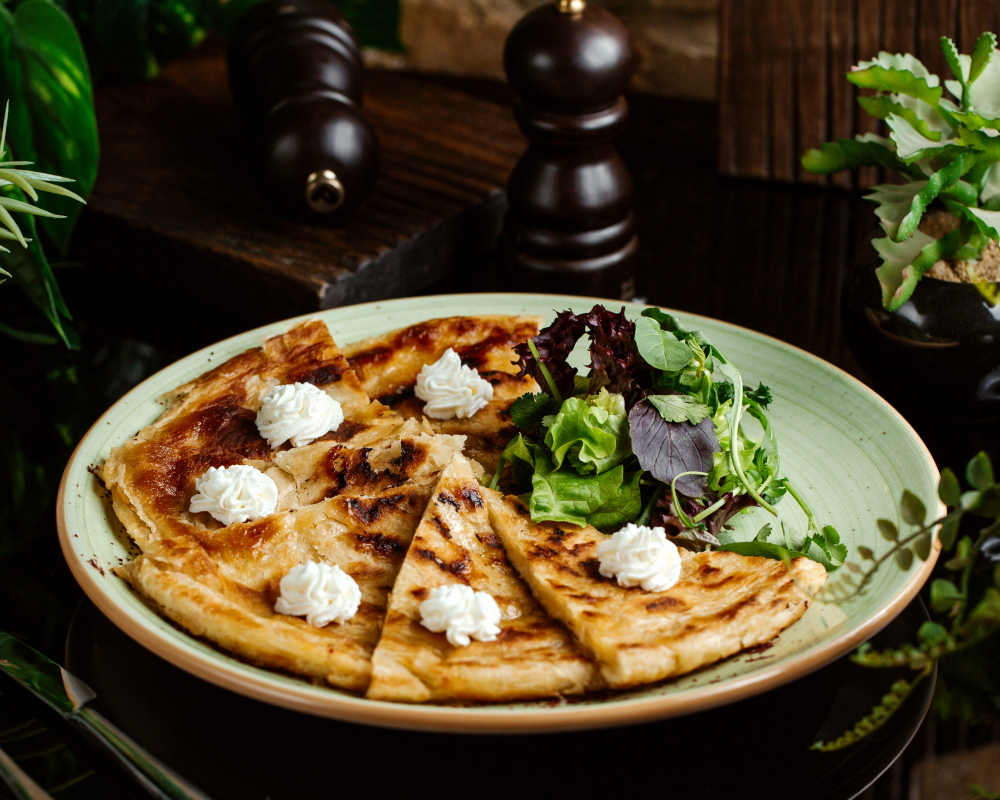
French cuisine is often associated with refined sauces, elaborate pastries, carefully prepared cheeses and sophisticated restaurant traditions. Yet some of its most appealing foods are remarkably simple. Socca, a thin and rustic chickpea pancake associated with Nice and the French Riviera, is a perfect example. Made primarily from chickpea flour, water, olive oil and seasoning, socca transforms a handful of inexpensive ingredients into a crisp, savoury and naturally gluten-free food with a character that feels both traditional and contemporary.
Unlike many foods that require elaborate preparation or specialist ingredients, socca is built around simplicity. The batter is mixed quickly, poured into a very hot pan or baking tray and cooked until the surface develops browned, crisp edges while the centre remains tender. Traditionally enjoyed as a casual snack or street food, it reflects the Mediterranean character of the region around Nice, where chickpeas, olive oil and simple cooking techniques have long played an important role.
Today, socca is attracting attention beyond southern France because it fits naturally into several modern food trends. It is naturally gluten-free, plant-based in its traditional form and made from a protein- and fibre-rich legume. At the same time, it does not feel like a health-food substitute. Its appeal comes from flavour, texture and cultural identity. Socca is food designed to be enjoyed, and its rustic appearance is part of its charm.
What Is French Socca?
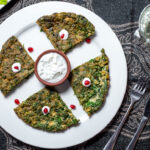
Socca is a traditional chickpea-flour preparation associated particularly with Nice on the French Riviera. It is sometimes described as a chickpea pancake, although its texture can differ considerably from the soft breakfast pancakes familiar in many cuisines. Properly cooked socca typically has crisp or charred edges and a soft, slightly creamy interior.
The basic batter is exceptionally simple. Chickpea flour is combined with water and olive oil, then seasoned, commonly with salt and black pepper. The batter is poured into a generously oiled, very hot pan and cooked at high heat. This intense cooking environment is important because it helps create the characteristic contrast between the browned exterior and tender interior.
Socca is traditionally served hot and often eaten casually, sometimes by hand. Its rustic appearance and straightforward preparation make it strongly associated with the lively food culture of Nice and the wider Mediterranean region.
The Origins of Socca in Nice
Socca is closely connected with Nice, a city whose cuisine reflects the meeting of French, Italian and broader Mediterranean influences. Nice has historically been positioned at a culinary crossroads, and its traditional foods frequently make use of ingredients associated with Mediterranean agriculture and trade.
The precise historical origins of socca are difficult to reduce to a single moment or inventor. Chickpea-based flatbreads and pancakes have existed across Mediterranean and Middle Eastern food cultures for centuries. Similar preparations can be found in neighbouring regions, illustrating how culinary traditions often cross borders rather than developing within completely isolated national categories.
In Nice, however, socca developed its own distinctive identity. It became associated with local markets, casual eating and street-food culture. The dish’s connection to everyday life is just as important as its ingredients. Socca was not created to be an elaborate ceremonial food. It was designed to be accessible, filling and enjoyable.
Why Chickpea Flour Is the Star Ingredient
The defining ingredient of socca is chickpea flour, also known as gram flour in some culinary contexts. It is produced by grinding dried chickpeas into a fine powder, allowing the legume to be transformed into a batter that can be cooked much like a pancake.
Chickpea flour has several characteristics that make it particularly suitable for socca. It contains significant amounts of plant protein and dietary fibre and has a naturally earthy, slightly nutty flavour. When exposed to high heat, it develops a deeply savoury aroma and a golden-brown surface.
Unlike wheat flour, chickpea flour does not contain gluten. This means that the batter does not develop the elastic network associated with conventional bread or wheat-based pancakes. Instead, the cooked result has a distinctive tender and slightly dense texture.
This absence of gluten is not a limitation in socca. It is part of what gives the dish its unique character.
Socca as a Naturally Gluten-Free Food
The growing popularity of gluten-free eating has introduced many people to foods made from alternative grains and flours. However, socca is particularly interesting because its gluten-free identity is not a modern modification of a traditional recipe.
Traditional socca is naturally made without wheat flour. Chickpea flour provides the structure, meaning that there is no need to substitute wheat flour with a specialised gluten-free blend. For people who avoid gluten, this makes socca an appealing example of how naturally gluten-free foods can emerge from traditional culinary practices.
It is important to distinguish between naturally gluten-free and processed gluten-free products. Socca belongs to the first category when prepared traditionally with suitable ingredients. This makes it a useful reminder that gluten-free cuisine extends far beyond packaged alternatives and imitation versions of wheat-based foods.
The Street-Food Character of Socca
Socca has an energy that is very different from the image many people have of formal French cuisine. It belongs to a more relaxed culinary world of markets, neighbourhood stalls, outdoor eating and casual gatherings.
The dish is often cooked in large pans or trays and served fresh while still hot. Its aroma, crisp edges and rustic appearance contribute to an experience that feels immediate rather than formal. It is food meant to be eaten soon after cooking, when the contrast between crispness and tenderness is at its best.
This street-food character is one reason socca feels particularly relevant to modern food culture. Contemporary diners increasingly value foods that combine authenticity with informality. Socca does exactly that without needing to reinvent itself.
How Socca Gets Its Characteristic Texture
The texture of socca depends heavily on cooking temperature, batter consistency and the cooking vessel. A very hot pan is essential because the batter needs to begin cooking rapidly when it hits the surface.
Olive oil is also important. A well-oiled pan helps prevent sticking while contributing to the browned edges and rich flavour associated with the dish. When the batter spreads across the hot surface, the outer portions cook quickly and can become crisp and deeply browned.
The centre remains softer, particularly when the socca is not made excessively thin. This creates the characteristic contrast that makes the dish satisfying. A perfectly uniform texture is not necessarily the goal. The irregularity of the edges and the variations in browning contribute to the rustic personality of socca.
High heat also produces roasted aromas from the chickpea flour. These flavours are an important part of the dish and cannot be reproduced as effectively through gentle cooking.
The Role of Olive Oil
Olive oil is another ingredient that connects socca to the culinary traditions of the Mediterranean. It contributes both flavour and cooking functionality.
The oil helps create the crisp exterior while giving the pancake a subtle richness. Because the ingredient list is so short, the quality and flavour of the olive oil can have a noticeable influence on the final result.
This is an important characteristic of simple traditional foods. When a recipe contains only a few ingredients, each ingredient becomes more visible. There are fewer elements to hide or balance poor-quality components.
For this reason, socca illustrates a broader principle of Mediterranean cooking: simple ingredients can produce impressive results when they are handled properly.
Seasoning Socca the Traditional Way
Socca does not require an elaborate collection of spices. Salt and freshly ground black pepper are enough to bring out the flavour of the chickpea flour and olive oil.
Black pepper is particularly interesting because its sharpness contrasts with the earthy flavour of chickpeas. A generous seasoning of pepper can give the finished pancake a more aromatic and lively character.
Modern versions may introduce herbs or other seasonings, but excessive additions can obscure the distinctive taste of the chickpea base. The appeal of traditional socca comes partly from its restraint.
This simplicity also makes it easy for cooks to adapt the dish. Herbs such as rosemary or thyme can introduce additional Mediterranean notes, while chilli can provide heat. However, the chickpea flavour should remain central.
Socca and Plant-Based Eating
Socca fits naturally into plant-based diets because its traditional ingredients are entirely plant-derived. There is no need for milk, butter or cheese to create the basic batter.
This makes the dish an interesting alternative for people who want to explore plant-based foods without relying heavily on dairy substitutes. Chickpea flour provides the foundation, while olive oil contributes richness and the cooking process creates texture.
The dish also demonstrates why plant-based cuisine does not need to imitate animal-based foods. Instead of attempting to reproduce a conventional pancake made with dairy, socca offers a completely different sensory experience.
Its flavour comes from legumes, olive oil and high-heat cooking rather than from trying to disguise the absence of animal products.
The Nutritional Appeal of Chickpea-Based Foods
Chickpeas are widely recognised as a valuable source of plant-based nutrition. They provide protein, fibre, complex carbohydrates and several vitamins and minerals. Chickpea flour retains many of the nutritional characteristics of the legume from which it is produced.
Because socca is made primarily from chickpea flour, it can be more nutritionally substantial than many conventional flour-based snacks. The fibre and protein content can contribute to satiety, making it a satisfying food even though the recipe itself is simple.
However, the nutritional profile of the finished dish depends on preparation. The quantity of olive oil, portion size and accompanying foods all influence its overall nutritional value. Socca can therefore be part of a balanced diet without needing to be described as a miracle food.
Its greatest strength is that nutrition and flavour coexist naturally.
Socca Compared With Other Chickpea Pancakes
Socca belongs to a much larger family of chickpea-based flatbreads and pancakes found around the Mediterranean and beyond. Similar foods include farinata from Liguria in Italy and panelle from Sicily, although each has its own preparation, texture and culinary identity.
The similarities demonstrate how ingredients and cooking ideas travel across regions. Chickpeas have been cultivated and consumed around the Mediterranean for a very long time, making them a natural foundation for different types of flatbreads and snacks.
Yet socca remains distinctly connected to Nice. Its cooking method, presentation and role in local food culture give it an identity that goes beyond the basic combination of chickpea flour and water.
Understanding these relationships makes socca even more interesting. It is not an isolated recipe but part of a broader Mediterranean tradition of transforming legumes into everyday foods.
Why Socca Feels Modern Despite Its History
There is an interesting contradiction at the heart of socca. It is a traditional food with a long culinary history, yet many of the qualities that make it attractive today are associated with modern food trends.
It is gluten-free without being a specialised health product; It uses relatively inexpensive ingredients and can be prepared with a simple technique; It also has a strong regional identity at a time when consumers are increasingly interested in authentic foods and culinary heritage.
This combination makes socca particularly relevant to today’s food culture. Instead of being redesigned to meet modern dietary preferences, the dish already satisfies many of them.
Its growing visibility demonstrates how traditional foods can become newly appreciated when consumer priorities change.
How Socca Can Be Enjoyed Today
Socca is traditionally best enjoyed fresh and hot, when the edges retain their crisp character. It can be eaten as a snack or incorporated into a larger Mediterranean-style meal.
Its neutral but earthy flavour also makes it adaptable. It can accompany salads, roasted vegetables, dips and other savoury dishes. Some people may enjoy it simply with additional black pepper and olive oil, allowing the chickpea flavour to remain prominent.
Modern presentation can make socca suitable for casual entertaining as well. Cut into smaller pieces, it can become an appealing appetiser or shared snack. Served in larger portions with vegetables and other plant-based foods, it can also function as part of a more substantial meal.
The key is to preserve the contrast in texture that makes the dish distinctive.
Socca and the Value of Simple Cooking
One of the strongest lessons from socca is that complexity does not always produce better food. The recipe itself is straightforward, but the cooking technique requires attention. The quality of the final dish comes from understanding heat, batter consistency, oil and timing.
This principle appears throughout traditional cuisine. Cooks working with limited ingredients often developed techniques that allowed those ingredients to reach their full potential.
Socca is therefore more than a recipe for a chickpea pancake. It represents a style of cooking in which technique matters as much as the number of ingredients.
For modern home cooks, this can be an appealing approach. Instead of buying a long list of specialised ingredients, they can learn how to use a few basic foods effectively.
The Sustainability Conversation Around Chickpeas
As food systems increasingly consider questions of environmental impact, legumes have gained attention as useful components of plant-forward diets. Chickpeas can provide protein and other nutrients while serving as a versatile ingredient in many cuisines.
Socca demonstrates how legumes can be transformed into satisfying foods without requiring extensive processing. Chickpea flour is relatively simple compared with many highly engineered alternatives or specialised packaged foods.
This does not mean that a single traditional dish can solve the challenges of sustainable food production. Food sustainability depends on agriculture, water use, transportation, food waste, dietary patterns and many other factors.
Nevertheless, traditional legume-based foods offer practical inspiration for people looking to incorporate more plant-based meals into their diets.
Why Socca Deserves a Place in Global Food Culture
The popularity of international food has made it easier for people to discover dishes that were once strongly associated with particular regions. Socca is well suited to this global culinary exchange because its ingredients are familiar and its preparation is accessible.
It also tells a story about Nice and the Mediterranean. Eating socca is not simply about consuming chickpea flour. It provides a connection to a regional food tradition shaped by climate, agriculture, history and cultural exchange.
At the same time, its simplicity allows it to cross cultural boundaries. A person unfamiliar with French Riviera cuisine can understand the appeal almost immediately: a hot, crisp-edged, savoury pancake with a tender centre is an easy concept to appreciate.
That balance between local identity and universal appeal is one of the characteristics that allows traditional foods to travel successfully.
Conclusion
French socca is proof that some of the most memorable foods can emerge from the simplest ingredients. Chickpea flour, water, olive oil and seasoning become something much greater through high-heat cooking and careful technique. The resulting pancake has crisp edges, a tender centre, a roasted chickpea flavour and the unmistakable casual energy of Mediterranean street food.
Its appeal extends beyond taste. Socca is naturally gluten-free and traditionally plant-based, while chickpea flour provides protein and fibre that make the dish more substantial than many conventional snacks. Yet it does not depend on modern food trends to justify its place on the plate. Its value comes from a culinary tradition that has already demonstrated the versatility of legumes.
As interest in gluten-free, plant-based and sustainable eating continues to grow, socca offers an especially useful example of how traditional cuisine can meet contemporary preferences without losing its identity. It shows that plant-based food can be comforting, affordable and culturally rich, while gluten-free cooking can be rooted in authentic culinary traditions rather than simply relying on substitutes.
Most importantly, socca is enjoyable because it tastes good. Its smoky edges, earthy chickpea flavour, fragrant olive oil and rustic texture give it a character that is difficult to replicate. Whether discovered at a market in Nice or prepared at home, this humble chickpea pancake offers a delicious reminder that simple food can have remarkable personality.
Online Internship with Certificate
You may be interested
Carrot “Bacon”: Can Vegetables Really Recreate a Breakfast Classic?
Anshika Jain - October 5, 2026Breakfast foods are often associated with strong sensory memories. The smell of something sizzling in a pan, the crispness of a browned edge, the combination of salty…
Tibetan Sha Phaley—Reimagined as a Vegetarian Crispy Snack
Anshika Jain - October 5, 2026Tibetan cuisine is known for its comforting flavours, hearty textures and ability to create satisfying meals from simple ingredients. Among its well-known dishes, Sha Phaley stands out…
Indonesian Gado-Gado: The Peanut-Sauce Salad That Is Anything
Anshika Jain - October 5, 2026Indonesian cuisine is known for its remarkable ability to combine contrasting flavours, textures and ingredients into dishes that feel both comforting and exciting. Among its many celebrated…
Most from this category
Georgian Lobio: The Creamy Bean Dish Making Plant-Based Eating Interesting
Anshika Jain - October 5, 2026

Georgian Lobio: The Creamy Bean Dish Making Plant-Based Eating Interesting
Anshika Jain - October 5, 2026Unexpected Uses of Coconut in Vegetarian Food, Drinks and Desserts
Anshika Jain - October 2, 2026Rooibos: South Africa’s Naturally Caffeine-Free Herbal Beverage
Anshika Jain - October 2, 2026

Leave a Comment