

Kransekake – Norway’s Traditional Almond Ring Tower Cake

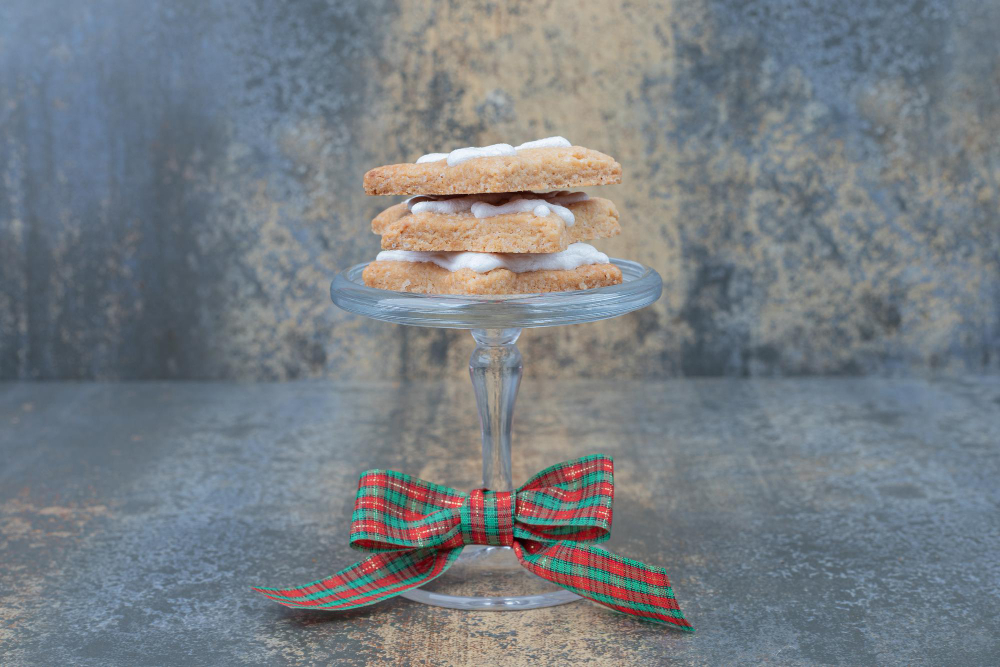
Norwegian cuisine is known for its comforting traditional dishes, distinctive baked goods and desserts prepared for important celebrations. Among its most recognisable sweet creations is Kransekake, an impressive tower cake made from several almond-based rings arranged one above another. Decorated with delicate white icing and sometimes miniature Norwegian flags, this spectacular dessert is traditionally served during weddings, Christmas celebrations, baptisms, birthdays and Norway’s Constitution Day on 17 May.
The name Kransekake is commonly translated as wreath cake or ring cake. Unlike conventional layered cakes made with sponge, cream or buttercream, Kransekake consists of individual rings prepared from ground almonds and powdered sugar. These rings are baked until lightly golden, with a firm exterior and a pleasantly chewy centre. Once cooled, they are stacked from the largest ring at the bottom to the smallest at the top, creating a tall, pyramid-like structure.
Traditional recipes generally use egg whites to bind the almond mixture and help it maintain its shape during baking. Egg whites are also commonly used in the icing that joins the rings together. However, people following egg-free or vegan diets can explore alternative preparations using aquafaba, the liquid obtained from cooked chickpeas. When used carefully, aquafaba can help bind the almond dough and create a suitable plant-based icing.
The most attractive quality of Kransekake is its combination of simplicity and presentation. Its basic ingredients are relatively few, but shaping, baking and assembling the rings require patience and precision. The finished cake is not only a dessert but also a decorative centrepiece that represents hospitality, celebration and the importance of traditional food in Norwegian culture.
The Cultural History of Kransekake in Norway
Kransekake has a long history connected with European traditions of elaborate celebratory baking. Its origins are associated with the development of almond-based confections and decorative cakes that were presented at important social gatherings. Almonds and sugar were historically valuable ingredients, making elaborate almond preparations particularly suitable for special occasions rather than everyday consumption.
The Norwegian food reference Store norske leksikon describes Kransekake as a cake made from finely ground almonds, powdered sugar and egg whites. It is baked in rings of different sizes, decorated with icing and assembled into a tower. The same source notes that the cake is traditionally associated with celebrations such as Christmas, weddings, baptisms and Norway’s Constitution Day.
The dessert is also connected with older European traditions of decorative food arrangements. In earlier periods, elaborate structures made from bread, marzipan, fruit and other confections were used to decorate festive tables. Kransekake developed within this wider tradition of presenting food as both a culinary creation and a visual centrepiece.
Norwegian cookbooks from the nineteenth century contain descriptions of Kransekake preparation, demonstrating that the dessert was already established in Norwegian baking culture during that period. Historical recipes also show that cooks developed ways of shaping rings before specialised baking moulds became widely available. Paper patterns and carefully shaped almond dough could be used to create the graduated rings required for the tower.
Over time, Kransekake became a familiar feature of Norwegian celebrations. Its presence at weddings and national festivities reflects its role as a dessert associated with important occasions. Today, it is also recognised internationally as one of Norway’s most distinctive traditional cakes.
What Makes Kransekake Special?
The most recognisable feature of Kransekake is its tower-like structure. Instead of being baked as one large cake, it is prepared as a series of separate almond rings with gradually decreasing diameters. When assembled, these rings create a cone-shaped arrangement that looks impressive on a celebration table.
The texture is another important characteristic. A properly prepared Kransekake is not intended to be soft and fluffy like a sponge cake. Its outer surface is generally firm, while the inside remains dense, chewy and slightly tender. This texture comes from the high proportion of ground almonds and sugar in the dough, together with controlled baking.
Its flavour is relatively simple but distinctive. Almonds provide a rich, nutty taste, while powdered sugar adds sweetness without introducing the moisture associated with liquid sweeteners. Some recipes include a small quantity of bitter almonds or almond essence to create a deeper aroma. The result is a concentrated almond flavour that makes the dessert different from conventional flour-based cakes.
White icing adds both decoration and structural support. It is usually piped in a zigzag pattern across each ring, creating a delicate appearance while helping the stacked layers remain connected. Small flags, ribbons and decorative sweets may also be added, depending on the occasion.
Another special feature is its versatility in presentation. Although the traditional form is a tall tower, the almond dough can also be shaped into individual rings, bars or other decorative arrangements. These variations preserve the essential flavour of Kransekake while making it suitable for different serving styles.
The Main Ingredients Used in Traditional Kransekake
Almonds are the foundation of Kransekake. Traditionally, whole almonds are finely ground to produce a meal-like texture that can be combined with powdered sugar. Some recipes use a mixture of blanched and unblanched almonds, creating a balance between a lighter appearance and a slightly deeper almond flavour. The almonds should be ground finely but carefully, because excessive processing can release their natural oils and turn the mixture into a paste.
Powdered sugar is the second major ingredient. It combines with the ground almonds to form a smooth, mouldable dough. Its fine texture helps distribute sweetness evenly and reduces the graininess that can result from using ordinary granulated sugar. The quantity of sugar also influences the firmness and texture of the finished rings.
Egg whites are traditionally used as the binding ingredient. They help the almond and sugar mixture come together into a dough that can be shaped into long ropes and fitted into circular moulds. During baking, the egg whites contribute to the structure of the rings. Traditional icing also commonly uses egg whites to create a white decorative glaze.
The icing generally contains powdered sugar and a liquid binder. Traditional recipes use egg white, sometimes with a little vinegar or lemon juice. In a vegan version, aquafaba or water can be used to create a pipeable icing. Aquafaba can produce a more structured result when whisked, while water-based icing is simpler but may dry with a slightly different appearance.
Almond essence, lemon juice or a small amount of vanilla may be used according to preference. These ingredients are not essential to the traditional foundation, but they can add subtle flavour variations without changing the identity of the cake.
How Egg-Free Kransekake Is Prepared
Preparing egg-free Kransekake begins with the almonds. Whole almonds can be blanched by briefly placing them in boiling water, transferring them to cold water and removing their skins. The peeled almonds should be allowed to dry thoroughly before grinding. This step is important because excess moisture can affect the consistency of the almond dough.
Once dry, the almonds are ground into a fine meal and mixed with powdered sugar. If ready-made almond flour is used, it should be finely ground and free from additional ingredients. The almond mixture is transferred to a large bowl, where aquafaba is added gradually. The aim is to create a firm but pliable dough that can be rolled into long, even ropes without crumbling or sticking excessively to the hands.
Aquafaba consistency is important. The liquid from different chickpea products can vary in thickness and concentration. If it is very watery, gently reducing it over low heat and allowing it to cool can help produce a more concentrated binder. It should never be added hot to the almond mixture. The dough should be mixed carefully, adding only enough aquafaba to bring the ingredients together.
The rings are baked in a preheated oven until they become lightly golden and firm. Exact baking conditions depend on the thickness of the rings, the oven and the moisture content of the dough. They should not be allowed to become excessively dark, as the traditional cake is generally pale golden rather than deeply browned. Once baked, the rings need to cool completely before assembly because warm almond rings can be fragile.
The Role of Aquafaba in an Egg-Free Adaptation
Aquafaba is the liquid produced when chickpeas are cooked or preserved. It has become a useful ingredient in plant-based baking because it can form a foam when whisked and can contribute binding properties to certain recipes. Its behaviour is not identical to egg whites, but it offers a practical option for people who want to prepare egg-free versions of traditional desserts.
In Kransekake, aquafaba can help hold ground almonds and powdered sugar together. The key is to use it in controlled quantities. Too much liquid can make the dough sticky and difficult to shape, while too little may leave the mixture crumbly. Since almond flour absorbs moisture differently depending on its grind and freshness, the consistency should guide the amount added.
Aquafaba can also be used in the icing. When whisked with powdered sugar, it can produce a light, pipeable mixture suitable for decorative lines. A small quantity of lemon juice can help balance the sweetness and improve the flavour. If a simpler glaze is preferred, powdered sugar mixed with water can also be used, although the finish may be less structured.
The egg-free result may not be identical to the traditional version. Egg whites contribute specific proteins that influence the structure and texture during baking. Aquafaba behaves differently, so the rings may vary slightly in firmness, appearance and chewiness. Testing one or two small rings before preparing the full tower is a practical way to adjust the recipe.
For a completely vegan Kransekake, it is also important to check that the powdered sugar, flavourings and decorative sweets do not contain animal-derived ingredients. Some commercial decorations may include ingredients such as gelatin or other animal-based additives. Careful label checking helps ensure that the entire dessert remains plant-based.
The Importance of Shaping and Baking the Rings
The visual appeal of Kransekake depends heavily on the shape and consistency of its rings. Each ring should have a similar thickness, with the diameter increasing gradually from the top to the bottom. Uneven rings can make the finished tower appear unstable or irregular, so accurate shaping is an important part of the process.
Traditional Kransekake moulds are designed with circular grooves of different sizes. These moulds help create evenly shaped rings and reduce the effort required to measure each one individually. They are usually prepared with a suitable non-stick coating or baking release method to prevent the almond dough from sticking.
When moulds are unavailable, parchment paper templates can be used. The rings should be measured carefully and shaped with a consistent thickness. Their ends must be joined securely because weak connections may separate during baking or handling. The dough should also be handled gently to avoid cracks.
Baking temperature requires attention. Excessive heat can cause the exterior to brown too quickly, while insufficient baking may leave the rings too soft to handle. The aim is to develop a lightly golden surface while retaining the characteristic chewy centre. The rings should be cooled fully before being lifted or stacked, as their structure becomes more stable after cooling.
Storage also influences the final texture. Almond rings can become firmer when exposed to dry air, so they should be stored in an airtight container once completely cool. Some cooks prepare the rings in advance and assemble the tower closer to the occasion, making the process easier to manage.
Decorating and Assembling the Kransekake Tower
Assembling Kransekake is the stage that transforms individual almond rings into a striking celebration cake. The largest ring is placed at the bottom, followed by progressively smaller rings until the smallest one forms the top. This arrangement creates the familiar tapered tower.
The icing is used to connect and decorate the rings. A piping bag or a small paper cone can be filled with thick white icing and used to create zigzag patterns across each ring. The decorative lines are usually applied evenly, creating a repeated pattern that makes the tower look elegant.
There are different ways to assemble the rings. Some cooks pipe icing onto each ring and place the next ring on top while the icing is still soft. This helps the layers adhere to one another, producing a more stable tower. Others allow the icing to dry before stacking, which can make the individual rings easier to separate when serving. The choice depends on whether appearance, stability or ease of serving is the priority.
Traditional decorations may include small Norwegian flags, ribbons, paper ornaments and colourful sweets. At weddings, the tower can be displayed as a central dessert feature, while at national celebrations it may be decorated with Norwegian flags. The decorations are not essential to the cake’s flavour, but they reinforce its association with festive occasions.
Kransekake and Norwegian Celebrations
Kransekake is closely associated with important events in Norwegian life. One of its most recognisable appearances is during Norway’s Constitution Day on 17 May. This national celebration commemorates the signing of the Norwegian Constitution in 1814 and is marked by parades, traditional clothing, music and gatherings. Kransekake is often included among the foods served during these celebrations.
Weddings are another important occasion for the cake. Its tall structure makes it an attractive centrepiece, and its individual rings provide a convenient way to share the dessert among guests. In some traditions, the cake is decorated with flags or other symbols associated with the couple and the celebration.
The dessert is also served during Christmas, baptisms and family gatherings. Its association with special occasions means that it is often prepared with care and presented as a decorative feature rather than an everyday sweet. The process of assembling the rings can itself become part of the preparation for a celebration.
Although Kransekake is strongly associated with Norway, related almond-ring cakes are also known in Denmark, where a similar dessert is called kransekage. The two traditions share several characteristics, including almond-based dough and stacked rings, although names, presentation and occasions can differ.
Nutritional Characteristics of Kransekake
Kransekake is primarily made from almonds and sugar, making it different from cakes that rely heavily on refined wheat flour, butter and milk. Almonds provide plant-based protein, dietary fibre and unsaturated fats, along with nutrients such as vitamin E and magnesium. They also contribute the rich flavour and dense texture that define the dessert.
Powdered sugar is responsible for much of its sweetness and contributes a significant amount of carbohydrate. Although almonds have nutritional value, the finished cake remains a concentrated sweet treat because of its sugar content and portion size. It is best enjoyed as an occasional dessert within a varied diet.
An egg-free version made with aquafaba retains the main almond and sugar ingredients. Aquafaba is used in relatively small quantities and does not transform the cake into a low-calorie dessert. Its primary role is functional, helping the mixture bind without animal-derived ingredients.
Kransekake is naturally free from dairy when prepared using the traditional almond-based formula, but people with allergies should always check all ingredients and preparation methods. Almonds are tree nuts and can cause serious allergic reactions. Cross-contact during grinding, baking or decoration is also a consideration for people with nut allergies.
Why Kransekake Appeals to Modern Vegetarian and Vegan Food Lovers
Traditional desserts often contain ingredients that can make them unsuitable for people following vegetarian or vegan diets. Kransekake is an interesting example because its ingredient list is already relatively simple, with almonds and sugar forming the main structure. The primary challenge is replacing egg whites without losing the dough’s ability to hold its shape.
Aquafaba provides one possible solution. Its use in plant-based baking has expanded the range of desserts that can be adapted without eggs. Although it does not behave exactly like egg white, it can be useful in both the almond mixture and decorative icing when handled carefully.
The cake’s visual presentation is another reason it appeals to modern home bakers. Its tower shape creates an impressive centrepiece without requiring elaborate layers, fillings or complex frosting techniques. It can be decorated in a traditional style or given a contemporary appearance through different icing patterns and plant-based decorations.
The use of almonds also gives the cake a distinctive flavour that is different from conventional sponge-based desserts. Its chewy texture, rich nutty taste and delicate sweetness make it suitable for people who prefer dense almond confections. An egg-free adaptation allows more people to explore this Norwegian baking tradition while respecting their dietary preferences.
Conclusion
Kransekake is one of Norway’s most recognisable traditional desserts, celebrated for its elegant tower of almond-based rings and delicate white icing. Made primarily from ground almonds and powdered sugar, it offers a distinctive combination of a firm exterior, chewy centre and rich nutty flavour. Its association with weddings, Christmas, baptisms and Constitution Day reflects its importance in Norwegian food culture.
Although traditional recipes rely on egg whites to bind the dough and prepare the icing, an egg-free adaptation is possible using aquafaba as a plant-based alternative. Careful control of moisture, adequate chilling and consistent shaping are essential for achieving rings that can be baked and assembled successfully. The finished result may differ slightly from the traditional version, but it can preserve the cake’s characteristic appearance and almond flavour.
Beyond its ingredients, Kransekake represents the role of food in bringing people together during important celebrations. Its carefully stacked rings turn a simple almond confection into an impressive centrepiece that is both decorative and delicious. Whether prepared traditionally or adapted without eggs, Kransekake remains a beautiful expression of Norway’s baking heritage and a memorable dessert for festive occasions.
Online Internship with Certificate
You may be interested
Kanelbullar – Traditional Swedish Egg-Free Cinnamon Buns
Anshika Jain - November 24, 2026Kanelbullar, commonly known as Swedish cinnamon buns, are among the most recognisable and cherished pastries in Sweden. These soft, golden-brown buns are prepared with enriched wheat dough…
Sfenj – Traditional Moroccan Yeast Doughnuts with Sugar or Honey
Anshika Jain - November 24, 2026Moroccan cuisine is celebrated for its aromatic spices, colourful ingredients, traditional breads and delicious sweet preparations. From delicate pastries filled with almonds to honey-coated treats and freshly…
Dolmeh Barge Mo: Persian Vegetarian Stuffed Grape Leaves
Anshika Jain - November 24, 2026Iranian cuisine is known for its aromatic herbs, carefully balanced seasonings, rice-based preparations and creative use of vegetables. From fragrant rice dishes to slow-cooked stews and delicate…
Most from this category
Mchadi –Georgian Cornbread and a Taste of Vegetarian Georgian Cuisine
Anshika Jain - November 20, 2026
Msemen – Morocco’s Traditional Flaky and Layered Vegetarian Flatbread
Anshika Jain - November 20, 2026Picarones – Traditional Peruvian Pumpkin and Sweet Potato Fritters
Anshika Jain - November 24, 2026Bánh Xèo Chay: Vietnam’s Crispy Vegetarian Turmeric Rice Pancake
Anshika Jain - November 24, 2026Mchadi –Georgian Cornbread and a Taste of Vegetarian Georgian Cuisine
Anshika Jain - November 20, 2026
Kanelbullar – Traditional Swedish Egg-Free Cinnamon Buns
November 24, 2026
Sfenj – Traditional Moroccan Yeast Doughnuts with Sugar or Honey
November 24, 2026
Dolmeh Barge Mo: Persian Vegetarian Stuffed Grape Leaves
November 24, 2026
Picarones – Traditional Peruvian Pumpkin and Sweet Potato Fritters
November 24, 2026

Leave a Comment