

Bánh Xèo Chay: Vietnam’s Crispy Vegetarian Turmeric Rice Pancake

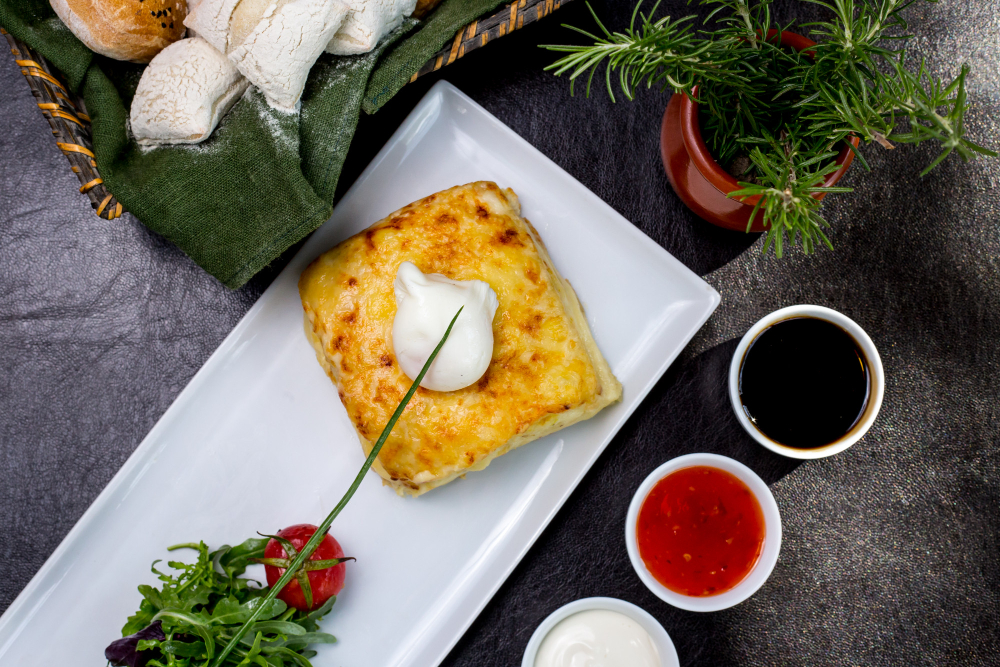
Vietnamese cuisine is celebrated for its balance of textures, fresh ingredients, aromatic herbs and distinctive flavours. From comforting noodle soups to colourful rice dishes and delicate spring rolls, Vietnamese food offers a wide variety of culinary experiences. Among its most recognisable savoury dishes is bánh xèo, a golden, crispy rice pancake traditionally prepared with a savoury filling and served alongside fresh greens and dipping sauce. Its vegetarian variation, known as Bánh Xèo Chay, brings the same appealing texture and traditional cooking style to a completely plant-based preparation.
Bánh Xèo Chay is a Vietnamese vegetarian pancake made primarily from rice flour, turmeric, water and, in many recipes, coconut milk. The thin batter is poured into a hot, lightly oiled pan, where it produces a characteristic sizzling sound and develops crisp, golden edges. It is then filled with ingredients such as bean sprouts, mushrooms, onions, tofu and other seasonal vegetables before being folded into a half-moon shape. The result is a delicious combination of a crunchy outer layer and a warm, savoury vegetable filling.
The word “chay” means vegetarian in Vietnamese, while “bánh xèo” is commonly translated as “sizzling cake” or “sizzling pancake.” The name reflects the sound created when the batter touches a hot cooking surface. More than an ordinary vegetable pancake, Bánh Xèo Chay represents the adaptability of Vietnamese cooking, where familiar culinary techniques can be used to create satisfying meals without meat or seafood.
The Cultural Significance of Vietnamese Bánh Xèo
Bánh xèo has an established place in Vietnamese food culture, particularly in central and southern regions. It is often associated with casual dining, street-food stalls, family meals and shared eating experiences. The traditional pancake is generally prepared fresh, allowing diners to enjoy its crisp texture immediately after cooking. Its preparation is also visually appealing, as the batter spreads across a hot pan and gradually turns into a thin, golden layer.
Although the traditional version commonly contains pork and shrimp, vegetarian variations have become a recognised part of Vietnamese cuisine. Bánh Xèo Chay is especially suitable for people who follow vegetarian or plant-based diets, as well as those who simply want a vegetable-rich meal. In Vietnam, vegetarian food is also associated with Buddhist culinary practices, and chay dishes are available in specialist vegetarian restaurants and other food establishments.
The vegetarian version retains the essential character of the original pancake. Instead of changing the dish into something entirely different, it replaces animal-based fillings with mushrooms, tofu, mung beans and fresh vegetables. This approach preserves the contrast between a crispy pancake and a soft, flavourful filling while allowing the natural taste of the ingredients to become more prominent.
What Makes Bánh Xèo Chay Special?
The defining feature of Bánh Xèo Chay is its combination of crispiness, colour and freshness. The pancake has a bright yellow appearance because turmeric is mixed into the rice-flour batter. When cooked correctly, the outer surface becomes thin and crunchy, while the inside remains delicate enough to hold the vegetable filling. This contrast gives the dish its distinctive eating experience.
Another important characteristic is its versatility. The filling does not depend on one fixed combination of vegetables. Mushrooms can provide a rich, savoury flavour, while bean sprouts contribute freshness and crunch. Tofu adds substance and a soft texture, and sliced onions bring a gentle sweetness when cooked. Carrots, cabbage, spring onions and other seasonal vegetables can also be included according to availability and personal preference.
Coconut milk is another ingredient frequently used in southern-style preparations. It gives the batter a mild sweetness and a richer aroma without overpowering the savoury filling. The coconut flavour works particularly well with turmeric, rice flour and fresh herbs. However, the quantity and use of coconut milk can differ between recipes and regional styles.
The dish is also distinctive because of the way it is served. Rather than eating the pancake as a conventional flatbread, diners commonly tear off a portion and wrap it in lettuce or other leafy greens with fresh herbs. The parcel is then dipped into a suitable sauce. This combination introduces additional freshness and flavour, making each bite slightly different.
The Main Ingredients Used in Bánh Xèo Chay
Rice flour forms the foundation of the pancake. It creates a light batter that can be spread thinly across a hot pan and cooked until crisp. Unlike many Western-style pancakes, bánh xèo does not depend on a thick, soft structure. Its appeal comes from a delicate, savoury shell that develops a crunchy surface during frying. The consistency of the batter is therefore important because an overly thick mixture can produce a heavy pancake rather than the characteristic thin texture.
Turmeric gives the batter its familiar golden-yellow colour. It also contributes a mild earthy flavour that complements the vegetables. Only a moderate amount is generally required because the purpose is to provide colour and a subtle background note rather than a strong turmeric taste. The combination of rice flour and turmeric gives the pancake its recognisable appearance.
Bean sprouts are another essential component. Their fresh, slightly sweet flavour and crisp texture balance the richness of the cooked pancake. They are usually added during the cooking process so that they warm through without losing all their crunch. Tofu can also be included to make the filling more substantial. When lightly seasoned and cooked with mushrooms and onions, tofu absorbs surrounding flavours while maintaining its own soft texture.
Other vegetables, including carrots, cabbage, spring onions and mung beans, can add colour, texture and variety. Fresh lettuce, mint, coriander and Vietnamese herbs are served alongside the pancake. These accompaniments are not merely decorative; they contribute to the overall balance of the dish.
How Bánh Xèo Chay Is Traditionally Prepared
Preparing Bánh Xèo Chay begins with making a smooth, relatively thin batter. Rice flour is combined with turmeric, salt, water and coconut milk, depending on the chosen recipe. The ingredients are whisked until evenly mixed, and chopped spring onions may be added for extra flavour. Allowing the batter to rest for a short period can help the flour absorb the liquid and create a more consistent mixture.
The vegetables are prepared separately. Mushrooms are cleaned and sliced, onions are cut into thin pieces, and bean sprouts are rinsed and drained. If tofu is being used, it can be cut into small pieces and lightly cooked before being combined with the other filling ingredients. The aim is to prepare a filling that is flavourful but not excessively wet, as too much moisture can make the pancake difficult to crisp.
A flat frying pan is heated with a small quantity of vegetable oil. Once the pan is sufficiently hot, a thin layer of batter is poured into it and spread by gently moving the pan. The immediate sizzling sound is one of the most recognisable parts of the process. The batter begins to set, and its edges gradually become golden and crisp.
The finished pancake is transferred to a serving plate and enjoyed while hot. Fresh lettuce, herbs and vegetarian dipping sauce are placed alongside it. Because the texture changes as the pancake cools, serving it immediately is important for experiencing its characteristic crispness.
The Importance of Texture and Cooking Technique
The success of Bánh Xèo Chay depends on more than the ingredients. Cooking temperature, batter consistency and the amount of oil all influence the final result. A pan that is not hot enough may cause the batter to spread unevenly or become soft instead of crisp. On the other hand, excessive heat can brown the outside too quickly before the pancake has cooked properly.
The batter should be thin enough to form a delicate layer across the pan. If it is too thick, the pancake may become dense and difficult to fold. A consistent mixture also helps prevent patches of flour from forming during cooking. The rice flour should be evenly distributed throughout the liquid before the batter is poured.
The filling requires similar attention. Mushrooms and vegetables should be cooked sufficiently to develop flavour, but they should not release excessive moisture into the pancake. Bean sprouts are especially valuable because they retain a degree of crunch when added at the appropriate stage. This difference between the crispy shell and fresh filling is central to the dish’s appeal.
Oil also plays a role in creating crisp edges. A light coating helps the batter cook evenly and prevents sticking. However, using too much oil can make the pancake greasy and overpower the delicate flavours of the vegetables. A well-heated pan, a thin batter and controlled cooking are the foundations of a successful preparation.
Regional Variations of Bánh Xèo in Vietnam
Vietnamese bánh xèo is not identical throughout the country. Its size, batter composition, filling and serving style can vary between regions. Southern Vietnamese versions are often larger, thinner and more generously filled. Coconut milk is commonly used in the batter, giving these pancakes a richer flavour and a distinctive aroma. Vegetarian southern-style versions may include mushrooms, tofu, bean sprouts and mung beans.
Central Vietnamese preparations are often smaller and can have a different texture and presentation. In some areas, pancakes are served in individual portions rather than as large, folded crepes. The accompanying sauces and fresh greens may also differ. These regional variations demonstrate how local ingredients and eating habits influence familiar dishes.
Bánh Xèo Chay follows the same broad regional diversity. A southern-style vegetarian pancake may have a coconut-rich batter and a generous vegetable filling, while another preparation may focus on a thinner, lighter rice-flour shell. Some cooks include mung beans or different mushroom varieties, while others prefer a simpler combination of bean sprouts, onions and tofu.
These variations make the dish adaptable without removing its identity. The most important characteristics remain the sizzling rice-flour batter, the golden colour, the crisp texture and the fresh accompaniments.
Vegetarian Dipping Sauce and Fresh Herbs
The dipping sauce is an important part of the Bánh Xèo Chay experience. Traditional bánh xèo is frequently served with a fish-sauce-based preparation, but a vegetarian version requires an alternative that does not contain fish or other animal-derived ingredients. Soy sauce, lime juice, sugar, garlic, chilli and water can be combined to create a balanced plant-based dipping sauce.
The flavour should bring together saltiness, sweetness, acidity and a gentle level of heat. Lime juice adds freshness, while garlic and chilli provide aroma and depth. A small amount of sugar can soften the sharpness of the lime and balance the saltiness of the soy sauce. Mushroom-based vegetarian sauces can also be used to introduce a deeper savoury note.
Fresh herbs and leafy vegetables are equally important. Lettuce provides a flexible base for wrapping pieces of pancake, while mint, coriander and Thai basil contribute fragrance. Vietnamese perilla and mustard leaves may also be served, depending on local availability and the restaurant’s preparation style.
The wrapping method creates a balance that is different from eating the pancake on its own. The crisp rice shell provides richness, the vegetables contribute freshness, and the herbs introduce aromatic flavours. The dipping sauce brings all these elements together. For many diners, this interactive style of eating is one of the most memorable features of the dish.
Nutritional Value of Bánh Xèo Chay
Bánh Xèo Chay can be a satisfying vegetarian meal because it combines rice flour, vegetables, mushrooms and, in some versions, tofu or mung beans. Rice flour provides carbohydrates, which are an important source of energy. Mushrooms and vegetables contribute fibre and a range of vitamins and minerals, while tofu and mung beans can increase the protein content of the filling.
The nutritional composition depends on the ingredients and cooking method. A pancake containing tofu, mushrooms and mung beans will generally provide a different nutritional profile from one made mainly with rice flour and bean sprouts. Coconut milk can contribute fat and energy, while the quantity of oil used during frying also affects the overall calorie content.
Fresh herbs and vegetables add variety and help create a meal with several different plant-based ingredients. However, the dish should not automatically be considered low in calories simply because it is vegetarian. Its nutritional value depends on portion size, oil usage, filling proportions and the accompanying sauce.
For people seeking a more balanced version, including tofu or mung beans can make the filling more substantial. Using a controlled amount of oil and serving the pancake with generous fresh greens can also help create a satisfying meal. Those with specific dietary requirements should check the ingredients carefully, particularly the dipping sauce and any ready-made pancake flour mixes.
Bánh Xèo Chay in Vietnamese Street Food and Restaurant Culture
Street food is an important part of Vietnam’s culinary identity, and bánh xèo is a popular example of how simple ingredients can produce a distinctive dish. The sound of batter hitting a hot pan, the aroma of turmeric and coconut, and the sight of golden pancakes cooking fresh make it an appealing choice at food stalls and casual restaurants.
Vegetarian food has a visible place in Vietnamese dining culture. Restaurants specialising in chay cuisine offer plant-based versions of familiar dishes, while some conventional restaurants also provide vegetarian alternatives. Bánh Xèo Chay fits naturally into this environment because its basic batter is rice-based and its filling can be adapted with widely available vegetables and mushrooms.
The dish also suits shared meals. A large pancake can be placed in the centre of the table, accompanied by lettuce, herbs and dipping sauce. Diners can tear off individual portions and prepare their own wraps. This makes the meal interactive and encourages people to enjoy different combinations of flavours and textures.
For international visitors, Bánh Xèo Chay offers an opportunity to explore Vietnamese food beyond the more familiar noodle soups and rice dishes. It demonstrates that vegetarian cuisine can be deeply connected to local cooking traditions rather than being limited to simple substitutions or side dishes.
Why Bánh Xèo Chay Appeals to Modern Vegetarian Food Lovers
Interest in vegetarian and plant-based eating has encouraged people to explore traditional dishes from different parts of the world. Bánh Xèo Chay is particularly appealing because it does not depend on complicated ingredients or modern meat alternatives. Its flavour comes from rice flour, vegetables, mushrooms, herbs and carefully balanced seasoning.
The dish also offers an attractive combination of visual presentation and texture. Its golden colour makes it immediately recognisable, while the crisp edges and colourful vegetable filling create a satisfying contrast. The use of mushrooms and tofu provides enough substance for a main meal, while fresh greens prevent the overall experience from feeling too heavy.
Another reason for its appeal is its flexibility. Home cooks can experiment with different vegetable combinations, adjust the seasoning and prepare a sauce that suits their preferences. It can be made with locally available ingredients while retaining the essential character of the Vietnamese pancake. This makes it relevant to vegetarian food enthusiasts well beyond Vietnam.
Its preparation also encourages a more thoughtful approach to texture. Instead of mixing every ingredient into one uniform filling, the dish brings together crispness, softness, freshness and savoury depth. This balance is an important feature of Vietnamese cooking and one of the reasons Bánh Xèo Chay remains memorable.
Conclusion
Bánh Xèo Chay is a delicious representation of Vietnam’s ability to transform simple ingredients into a distinctive culinary experience. Made with a turmeric-coloured rice-flour batter and filled with mushrooms, bean sprouts, tofu and other vegetables, this vegetarian pancake offers a satisfying combination of crispness, freshness and savoury flavour. Its characteristic sizzling preparation and golden appearance make it as enjoyable to watch being cooked as it is to eat.
The dish’s appeal extends beyond its ingredients. Its regional variations, fresh herb accompaniments and interactive serving style reflect the diversity of Vietnamese food culture. By replacing traditional meat and seafood fillings with plant-based ingredients, Bánh Xèo Chay preserves the familiar character of bánh xèo while making it accessible to vegetarian diners.
Whether enjoyed at a Vietnamese street-food stall, served in a vegetarian restaurant or prepared at home, Bánh Xèo Chay is an excellent example of how traditional cuisine can remain relevant to changing food preferences. It is more than a crispy vegetable pancake; it is a celebration of texture, colour, freshness and the creativity of Vietnamese vegetarian cooking.
Online Internship with Certificate
You may be interested
Kanelbullar – Traditional Swedish Egg-Free Cinnamon Buns
Anshika Jain - November 24, 2026Kanelbullar, commonly known as Swedish cinnamon buns, are among the most recognisable and cherished pastries in Sweden. These soft, golden-brown buns are prepared with enriched wheat dough…

Sfenj – Traditional Moroccan Yeast Doughnuts with Sugar or Honey
Anshika Jain - November 24, 2026Moroccan cuisine is celebrated for its aromatic spices, colourful ingredients, traditional breads and delicious sweet preparations. From delicate pastries filled with almonds to honey-coated treats and freshly…

Kransekake – Norway’s Traditional Almond Ring Tower Cake
Anshika Jain - November 24, 2026Norwegian cuisine is known for its comforting traditional dishes, distinctive baked goods and desserts prepared for important celebrations. Among its most recognisable sweet creations is Kransekake, an…
Most from this category
Mchadi –Georgian Cornbread and a Taste of Vegetarian Georgian Cuisine
Anshika Jain - November 20, 2026
Msemen – Morocco’s Traditional Flaky and Layered Vegetarian Flatbread
Anshika Jain - November 20, 2026Picarones – Traditional Peruvian Pumpkin and Sweet Potato Fritters
Anshika Jain - November 24, 2026Mchadi –Georgian Cornbread and a Taste of Vegetarian Georgian Cuisine
Anshika Jain - November 20, 2026
Kanelbullar – Traditional Swedish Egg-Free Cinnamon Buns
November 24, 2026
Sfenj – Traditional Moroccan Yeast Doughnuts with Sugar or Honey
November 24, 2026
Kransekake – Norway’s Traditional Almond Ring Tower Cake
November 24, 2026
Dolmeh Barge Mo: Persian Vegetarian Stuffed Grape Leaves
November 24, 2026

Leave a Comment