

Tibetan Sha Phaley—Reimagined as a Vegetarian Crispy Snack

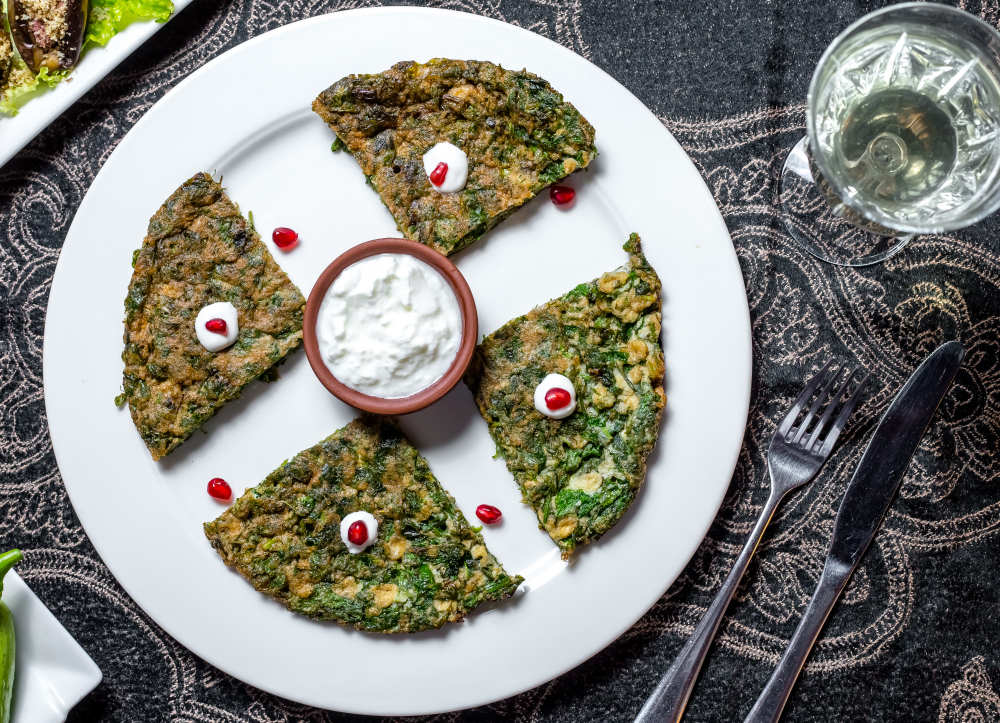
Tibetan cuisine is known for its comforting flavours, hearty textures and ability to create satisfying meals from simple ingredients. Among its well-known dishes, Sha Phaley stands out for its distinctive combination of a crisp outer covering and a flavorful filling. Traditionally prepared as a stuffed fried bread, Sha Phaley has long been associated with Tibetan food culture and is enjoyed as a filling snack or meal. Its appeal comes from the contrast between a golden, crispy exterior and a richly seasoned interior that makes every bite substantial and satisfying.
In recent years, however, the way people approach traditional foods has begun to change. Vegetarian and plant-based eating have become increasingly popular among younger consumers, home cooks and food enthusiasts who want to experience global cuisines while adapting recipes to different dietary preferences. This has created an interesting opportunity for dishes such as Sha Phaley. Instead of treating the traditional recipe as something that cannot be changed, cooks can reinterpret its structure while preserving the characteristics that make it recognizable.
A vegetarian Sha Phaley can replace the traditional filling with vegetables, mushrooms, tofu, paneer or other plant-based ingredients while retaining the crisp shell and aromatic seasoning. The result is more than simply a version of a traditional dish. It becomes a contemporary snack that demonstrates how cultural food traditions can evolve while continuing to inspire new generations of cooks.
Understanding the Traditional Sha Phaley
Sha Phaley is commonly associated with Tibetan cuisine and is particularly recognizable for its stuffed dough that is shaped, sealed and fried until the exterior becomes crisp. The name itself is often understood in relation to bread. Its preparation demonstrates an important characteristic of Himalayan food culture: making substantial and comforting dishes that can provide warmth and energy in demanding environments.
The traditional preparation generally combines a dough-based outer layer with a savory filling that is seasoned to create depth of flavour. The filled dough is shaped into a distinctive form before being fried. The cooking process produces a crunchy exterior while keeping the interior softer and more flavorful. This contrast between textures is one of the reasons Sha Phaley can easily transition from a traditional meal into a modern snack.
Although recipes can differ between households and regions, the fundamental concept remains simple: flavorful filling enclosed in dough and cooked until crisp. This basic structure makes Sha Phaley particularly suitable for creative vegetarian adaptations because the dough and cooking technique do not necessarily depend on the type of filling.
Why Reimagining Sha Phaley as Vegetarian Makes Sense
The growing popularity of vegetarian food has encouraged cooks to rethink familiar dishes from different culinary traditions. Modern vegetarian cooking is no longer limited to salads, steamed vegetables or simple side dishes. Mushrooms, tofu, paneer, legumes, textured vegetable protein and finely chopped vegetables can provide substantial fillings that create satisfying textures and rich flavours.
Sha Phaley is especially adaptable because its filling is enclosed inside dough. This allows vegetables and plant-based ingredients to absorb seasonings while remaining protected by the crisp outer layer. Ingredients such as cabbage, carrots, mushrooms, spring onions and bell peppers can create a colorful and textured filling, while tofu can provide additional body.
The vegetarian transformation also demonstrates how traditional cuisine can participate in contemporary food conversations without losing its cultural identity. The goal is not to claim that a vegetarian version is identical to the traditional preparation. Instead, it is an interpretation inspired by the original form, technique and eating experience.
Building the Vegetarian Filling
The filling is the heart of a vegetarian Sha Phaley. Because the exterior is relatively simple, the filling needs to provide enough flavour and texture to make the snack interesting. A combination of finely chopped vegetables can create a balanced foundation. Cabbage offers volume and a mild sweetness, while carrots add colour and a subtle earthy flavour. Spring onions can introduce freshness, and mushrooms can contribute a deeper savoury character.
Mushrooms are particularly useful in vegetarian Sha Phaley because of their naturally texture and umami-rich flavour. When finely chopped and cooked properly, they can give the filling a satisfying depth. Different mushroom varieties can create different results, allowing home cooks to experiment with texture and flavour.
Tofu can also play an important role. Crumbled or finely chopped tofu can absorb spices and sauces while adding protein and substance. Paneer provides another option for people who prefer a richer and creamier filling. For a more vegetable-forward version, however, mushrooms, cabbage, carrots and onions can create a satisfying filling without relying heavily on dairy or processed substitutes.
The seasoning should complement rather than overwhelm the ingredients. Garlic, ginger, spring onion, black pepper and a small amount of soy sauce can create an aromatic and savoury profile. Depending on personal preference, chilli can introduce heat, while coriander or other fresh herbs can provide brightness. The objective is to create a filling that remains flavorful after being enclosed inside the dough and fried.
The Dough: Creating the Perfect Crispy Exterior
The dough is equally important because it provides the characteristic shell that defines the eating experience. A well-prepared dough should be soft enough to roll and shape without cracking, but firm enough to hold the filling securely. If the dough is too dry, it can become difficult to seal and may turn excessively hard during cooking. If it is too soft, the filling may escape during frying.
The dough can be prepared using basic flour and water, with salt added for seasoning. The mixture is kneaded until it becomes smooth and elastic and is then allowed to rest. Resting gives the dough time to relax, making it easier to roll and shape without excessive resistance.
When preparing a vegetarian Sha Phaley, the dough should generally be rolled thin enough to produce a crisp exterior while remaining strong enough to contain the filling. A thick layer of dough can make the snack heavy, while an overly thin layer can tear during shaping. Achieving this balance is one of the most important technical aspects of the preparation.
Shaping Sha Phaley for a Modern Snack
The distinctive shape of Sha Phaley is part of its visual identity. Traditionally, the filled dough is sealed and shaped into a recognizable form before cooking. For a contemporary snack presentation, cooks can maintain the traditional appearance while adjusting the size.
Smaller Sha Phaley pieces can work particularly well as snack-sized portions. Instead of serving one large piece as a complete meal, miniature versions can be prepared for gatherings, parties, evening snacks or casual food-sharing occasions. This makes the dish more accessible to people who may be unfamiliar with Tibetan cuisine.
The sealing process also deserves attention. The edges should be pressed firmly so that the filling remains inside during cooking. Decorative crimping can create an attractive finish while strengthening the seal. A carefully shaped piece of Sha Phaley can look appealing even before it reaches the frying pan, making the dish suitable for modern food photography and social-media presentation.
Achieving the Right Crispy Texture
Texture is one of the strongest reasons to reimagine Sha Phaley as a vegetarian snack. A successful version should ideally offer a crisp exterior followed by a soft, flavorful interior. Achieving this contrast depends on both the dough and cooking method.
Deep frying can create the characteristic golden crust associated with fried Sha Phaley. The cooking temperature needs to be controlled carefully because excessively high heat can brown the exterior before the dough has cooked properly, while insufficient heat can result in an oily and less crisp product.
For people looking for a lighter preparation, baking or air-frying can offer alternative approaches. These methods may produce a different texture from traditional frying, but they can still create a pleasantly crisp exterior when the dough is prepared correctly. Such adaptations demonstrate how traditional dishes can be modified for contemporary kitchens without completely changing their fundamental character.
Flavouring the Vegetarian Version
One of the advantages of a vegetarian Sha Phaley is the freedom to build layers of flavour through seasoning. The filling can be kept relatively traditional in its aromatic profile or adapted to suit modern preferences.
Garlic and ginger provide a strong aromatic base, while spring onions add freshness. Black pepper can contribute warmth without overpowering the vegetables. Soy sauce can provide saltiness and umami, although it should be used carefully because too much can make the filling watery or excessively salty.
Chilli is another flexible element. A mildly spiced filling can appeal to a wider audience, while a stronger chilli-based version can appeal to people who enjoy bold flavours. Chilli flakes, fresh green chilli or chilli-infused sauces can all create different levels of heat.
The final result should maintain balance. A successful vegetarian filling should not simply contain as many flavours as possible. Instead, each ingredient should contribute something meaningful to the overall experience, allowing the vegetables, aromatics and seasonings to remain recognizable.
Vegetarian Sha Phaley and Plant-Based Eating
The reinterpretation of Sha Phaley also fits into the wider growth of plant-based food culture. Many consumers are increasingly interested in reducing their consumption without giving up satisfying and flavorful foods. Traditional recipes provide an important source of inspiration because they often contain techniques and flavour combinations that can be adapted rather than abandoned.
A vegetarian Sha Phaley can be completely plant-based when prepared without dairy. Mushroom, tofu and vegetable fillings can provide substantial texture, while the dough can remain simple. This makes the snack relevant to people exploring vegan eating as well as those who simply want more variety in their vegetarian diets.
The dish also illustrates an important idea in modern food culture: plant-based eating does not necessarily require unfamiliar ingredients. Everyday vegetables can become the foundation of an exciting dish when combined with appropriate cooking techniques. The transformation of Sha Phaley demonstrates how familiar ingredients can take on a new identity through preparation, seasoning and presentation.
Nutritional Potential of a Vegetarian Sha Phaley
The nutritional profile of vegetarian Sha Phaley depends heavily on the ingredients and cooking method used. A filling based primarily on vegetables can contribute fibre, vitamins, minerals and antioxidants, while mushrooms and tofu can increase the protein content. Using a variety of vegetables can also create a more diverse nutritional profile.
At the same time, Sha Phaley remains a dough-based snack, and a traditionally fried version can contain a significant amount of oil. This does not make it unsuitable for a balanced diet. But portion size and preparation method can influence its overall nutritional value.
Baking or air-frying can reduce the amount of oil used during preparation. Whole-grain flour can also be considered for the dough. Although this may change the texture and flavour from a more traditional preparation. The most important aspect is maintaining a balance between nutritional considerations and the qualities that make the dish enjoyable.
A New Generation of Himalayan-Inspired Street Food
The vegetarian Sha Phaley fits naturally into the growing interest in global street food. Younger diners are increasingly curious about regional foods from around the world. Particularly dishes that combine strong visual appeal with distinctive flavours and textures.
Its crispy exterior, colorful filling and recognizable stuffed form make Sha Phaley suitable for modern cafés, food markets and fusion menus. A smaller vegetarian version can be served alongside dipping sauces. Creating a snack format that feels familiar to contemporary consumers while remaining connected to its Tibetan inspiration.
This type of adaptation can also encourage greater awareness of Tibetan cuisine. Instead of presenting traditional dishes only through formal cultural or restaurant settings, modern interpretations can introduce their basic ideas to new audiences. Once people become familiar with the dish. They may become more interested in the wider culinary traditions from which it originates.
Preserving Tradition While Encouraging Culinary Creativity
There is an important distinction between adaptation and replacement. Reimagining Sha Phaley as vegetarian should not erase the traditional form or imply that the vegetarian version represents the historical preparation. Instead, it can exist alongside the traditional dish as a contemporary interpretation.
Food traditions have always evolved as ingredients, technologies, migration patterns and cultural interactions change. Recipes move between communities, cooking techniques are adapted to new environments, and ingredients are replaced when they are unavailable or unsuitable for particular dietary practices.
The vegetarian Sha Phaley represents this continuing process of culinary creativity. It keeps the central concept of stuffed dough and crisp cooking while allowing the filling to reflect modern dietary choices. In doing so, it provides an example of how global cuisine can remain culturally meaningful while also becoming more inclusive.
Why Sha Phaley Works So Well as a Vegetarian Snack
The success of vegetarian Sha Phaley comes from the strength of its basic structure. Crisp dough provides texture, while the filling provides flavour and substance. Vegetables, mushrooms and plant-based proteins can easily occupy the centre without making the dish feel incomplete.
It is also versatile enough to suit different occasions. A larger portion can function as a filling meal, while smaller pieces can work as appetizers or evening snacks. It can be served fresh and hot or incorporated into a modern food platter with complementary sauces.
Most importantly, the dish demonstrates that vegetarian food can be exciting when texture and flavour are treated as equally important. The combination of crunchy dough, aromatic vegetables, savoury seasoning and a warm filling creates an experience that is far more interesting.
The Future of Traditional Foods in a Vegetarian World
As global food culture becomes increasingly interconnected, traditional dishes will continue to inspire new interpretations. Vegetarian and vegan adaptations will become an important part of this evolution, particularly as consumers seek foods that combine cultural authenticity, convenience, sustainability and personal dietary preferences.
Sha Phaley has the qualities needed to participate in this changing food landscape. Its stuffed format makes it adaptable, its crispy texture makes it appealing as a snack, and its simple dough provides a neutral foundation for a wide range of fillings. A vegetarian version can therefore introduce Tibetan-inspired flavours to audiences while maintaining the essential character of the dish.
The broader lesson extends beyond Sha Phaley. Traditional food does not necessarily have to remain frozen in one form to remain meaningful. Thoughtful adaptation can create new culinary experiences while encouraging people to learn about the cultures behind the original dishes.
Conclusion: A Crispy Reinvention of Tibetan Food
Tibetan Sha Phaley offers a fascinating example of how traditional cuisine can be reimagined for contemporary eating habits. By replacing the traditional filling with vegetables, mushrooms, tofu or other plant-based ingredients. The dish can become a flavorful vegetarian snack without losing the fundamental appeal of its crisp exterior and satisfying stuffed centre.
The vegetarian version is not simply a substitute for the original. It represents a new interpretation that connects Tibetan culinary inspiration with modern interest in plant-based food, global street cuisine and creative home cooking. Its combination of texture, seasoning and versatility makes it especially suited to today’s food culture.
As more people explore vegetarian versions of international dishes, foods such as vegetarian Sha Phaley demonstrate that plant-based cooking can be both culturally inspired and creatively modern. A golden, crispy shell surrounding a flavorful vegetable filling turns a traditional Himalayan-inspired preparation into a snack with contemporary appeal, proving that the future of global cuisine can be rooted in tradition while still leaving plenty of room for reinvention.
Online Internship with Certificate
You may be interested
Carrot “Bacon”: Can Vegetables Really Recreate a Breakfast Classic?
Anshika Jain - October 5, 2026Breakfast foods are often associated with strong sensory memories. The smell of something sizzling in a pan, the crispness of a browned edge, the combination of salty…
Indonesian Gado-Gado: The Peanut-Sauce Salad That Is Anything
Anshika Jain - October 5, 2026Indonesian cuisine is known for its remarkable ability to combine contrasting flavours, textures and ingredients into dishes that feel both comforting and exciting. Among its many celebrated…
French Socca: The Gluten-Free Chickpea Pancake With Street-Food Energy
Anshika Jain - October 5, 2026French cuisine is often associated with refined sauces, elaborate pastries, carefully prepared cheeses and sophisticated restaurant traditions. Yet some of its most appealing foods are remarkably simple.…
Most from this category
Georgian Lobio: The Creamy Bean Dish Making Plant-Based Eating Interesting
Anshika Jain - October 5, 2026


Georgian Lobio: The Creamy Bean Dish Making Plant-Based Eating Interesting
Anshika Jain - October 5, 2026Unexpected Uses of Coconut in Vegetarian Food, Drinks and Desserts
Anshika Jain - October 2, 2026



Leave a Comment