

Genmaicha Latte: When Green Tea Meets Roasted Rice

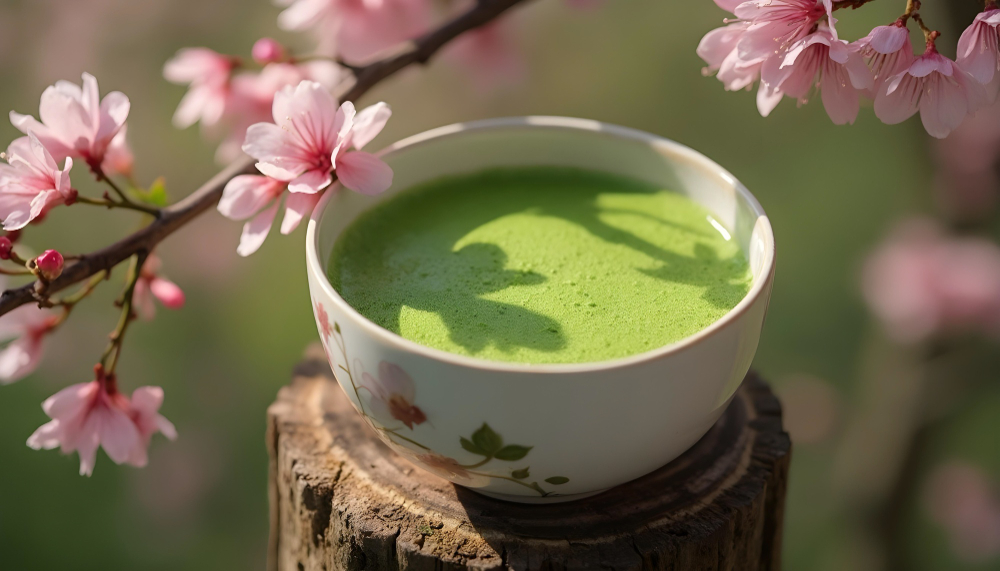
Japanese tea culture is often associated with elegant matcha, delicate sencha, and carefully prepared traditional tea. Yet some of Japan’s most interesting beverages come from much simpler combinations. Genmaicha is one such example: a Japanese green tea blended with roasted rice, creating a drink that combines the fresh character of green tea with the warm aroma of toasted grain. When this distinctive tea is combined with steamed milk, it becomes a genmaicha latte, a creamy beverage that offers an alternative to the increasingly familiar matcha and hojicha latte.
Genmaicha itself is not a new invention. The tea has long been consumed as an approachable everyday Japanese beverage, traditionally combining green tea with roasted rice. The roasted grains can develop a warm, nutty, cereal-like aroma, while some grains puff during roasting and resemble small pieces of popcorn. The result is a tea that is less sharply vegetal than many green teas and more rounded, toasted, and comforting.
The latte takes these characteristics in a new direction. Milk adds creaminess and body while softening the sharper edges of the green tea. At the same time, the roasted rice naturally complements the sweet, creamy qualities of milk. The resulting drink occupies an interesting middle ground: it retains the identity of Japanese green tea while offering the comfort and texture associated with a modern café latte.
What Is Genmaicha?
Genmaicha is traditionally made by blending Japanese green tea with roasted rice. The tea component may be bancha or sencha, while the rice is processed and roasted to create its characteristic toasted aroma. Although the name genmaicha is commonly translated as “brown rice tea,” the actual rice used in commercial products can vary, and white or glutinous rice may also be used depending on the blend.
The important feature is not simply the type of rice but what roasting does to it. Heating the rice produces deeper aromas and flavours that can resemble toasted cereal, popcorn, roasted grain, nuts, or browned rice. When blended with green tea, these flavours balance the vegetal and sometimes astringent character of the leaves.
This makes genmaicha fundamentally different from a plain green tea. Instead of presenting the flavour of tea leaves on their own, it creates a conversation between two ingredients. The green tea provides freshness and structure, while roasted rice contributes warmth, aroma, and a subtle grain-like richness.
Why Roasted Rice Changes Green Tea
The appeal of genmaicha comes largely from the transformation created by roasting. Raw rice has a relatively mild flavour, but roasting develops complex aromas and changes the sensory character of the grain.
Some grains can puff during roasting, producing the small white pieces that have contributed to genmaicha’s nickname, “popcorn tea.” These are not actually popcorn, but roasted grains that have expanded during processing.
When the roasted rice is blended with tea, it changes the overall balance of the cup. The roasted grain character can make the tea seem softer and more substantial, while the green tea prevents the beverage from becoming simply a grain infusion.
This balance becomes especially important when genmaicha is turned into a latte. Milk amplifies the roasted and creamy qualities already present in the tea, allowing the grain aroma to become more prominent without completely hiding the green tea underneath.
From Everyday Japanese Tea to Modern Latte
Genmaicha has traditionally been valued as an everyday tea rather than a beverage associated exclusively with formal tea ceremonies. Its accessible character helped it become part of ordinary Japanese drinking culture, and modern versions remain widely available in household and retail formats.
The latte represents a different context. Instead of drinking genmaicha as a clear infusion, the tea is brewed more strongly or used in powdered form and combined with milk. This creates a beverage that fits naturally into the contemporary café environment.
The transformation is similar to what happened with other Japanese tea beverages. Matcha became widely recognized as a latte ingredient, while hojicha developed a reputation for its roasted, mellow profile. Genmaicha offers another interpretation, but its identity is distinctive because its roasted character comes primarily from the rice rather than from roasting the tea leaves themselves.
Current café-oriented tea discussions increasingly place genmaicha alongside matcha and hojicha as an alternative Japanese tea-latte ingredient. Powdered genmaicha can also be prepared in café-style formats, making it easier to combine directly with milk.
What Does a Genmaicha Latte Taste Like?
The flavour of a genmaicha latte is best understood as a combination of toasted grain, green tea, milk, and gentle sweetness.
The first impression often comes from the roasted rice. Instead of the strongly vegetal aroma associated with some green teas, the drink can smell like toasted cereal, roasted grain, popcorn, or warm rice. Beneath this is the greener character of the tea leaves, which prevents the drink from becoming overly heavy.
Milk changes the experience considerably. Its natural creaminess softens the tea’s sharper notes and creates a smoother mouthfeel. The combination can produce flavours reminiscent of rice cereal, toasted nuts, lightly sweetened grain, and fresh green tea.
This makes genmaicha particularly interesting for people who find straight green tea too sharp or matcha too intense. The roasted rice creates a familiar sensory bridge between tea and creamy beverages.
Why Milk Works So Well With Roasted Rice
There is a culinary reason the combination feels so natural. Roasted grains and dairy have long been paired in foods and drinks around the world.
Milk contains natural sweetness and fat, both of which can soften bitter or astringent sensations and give beverages a fuller texture. Roasted rice already has a warm cereal-like aroma, so the transition from tea to milk feels intuitive rather than forced.
In a genmaicha latte, the milk does not simply dilute the tea. It changes its sensory structure. The green tea becomes softer, while the roasted rice becomes more integrated into the overall flavour.
This is one reason genmaicha can work particularly well as a latte without requiring extremely strong sweeteners. The roasted rice itself provides an impression of warmth and subtle sweetness.
Genmaicha Latte Compared With Matcha Latte
Matcha and genmaicha both belong to the Japanese green-tea family, but they create very different latte experiences.
A matcha latte is built around finely ground green tea powder. Because the powdered leaf is consumed rather than simply infused and strained, matcha creates a concentrated green colour, vegetal aroma, umami character, and distinctive intensity.
Genmaicha latte is more focused on roasted grain. Depending on the preparation method, the drink may have a lighter green colour and a warmer, more cereal-like flavour. The roasted rice creates a naturally nutty character that can make the beverage feel more familiar to people who are new to Japanese tea.
This does not make one superior to the other. They represent different expressions of Japanese tea culture. Matcha emphasizes the depth and intensity of powdered green tea, while genmaicha highlights the relationship between green tea and roasted grain.
Genmaicha Latte Compared With Hojicha Latte
Hojicha is another Japanese tea that has become closely associated with latte culture. However, the source of its roasted character is different.
Hojicha is produced by roasting tea leaves, transforming their flavour toward toasted, nutty, caramel-like, and sometimes smoky notes. Genmaicha, by contrast, retains green tea leaves while adding roasted rice.
The distinction can be subtle in a milk-based drink, but it remains important. A hojicha latte tends to emphasize roasted tea itself, while a genmaicha latte combines roasted grain with a fresher green-tea background.
For consumers exploring Japanese tea lattes, this creates a useful spectrum. Matcha offers intense green-tea character, hojicha provides deep roasted tea flavours, and genmaicha sits between them with its combination of green tea and toasted rice.
How Genmaicha Latte Is Prepared
There is no single universal method for preparing a genmaicha latte. One approach is to brew genmaicha at a stronger concentration and then combine the tea with steamed or frothed milk. Another is to use a finely ground genmaicha powder that can be whisked directly with a small amount of water before milk is added.
For a brewed version, the tea is generally prepared with hot water before the milk is incorporated. Recent recipes commonly use concentrated genmaicha because a weak tea can disappear beneath the milk. One 2026 recipe recommends brewing the tea at double strength before combining it with heated milk, while another uses a concentrated loose-leaf preparation for a creamy hot latte.
The temperature also matters. Genmaicha itself is generally brewed below boiling, with many preparation guides suggesting water around the 80–90°C range. Excessively hot water or excessively long extraction can increase bitterness or astringency in the tea component.
For the milk, gentle heating and controlled frothing are preferable to boiling. The objective is to create a creamy texture without overwhelming the roasted aroma.
The Rise of Powdered Genmaicha
Powdered genmaicha represents another important development in the modern latte format.
Traditional genmaicha is a loose-leaf infusion, meaning the tea leaves and roasted rice are steeped and then separated from the liquid. Powdered versions change this preparation method by grinding the blend into a form that can be whisked directly into water or milk.
This makes the product particularly suitable for cafés. Powdered tea can be incorporated into a latte quickly, consistently, and with relatively little brewing equipment. Café-focused tea suppliers are increasingly positioning genmaicha powder alongside matcha and hojicha powders as alternative bases for milk beverages.
However, powdered genmaicha should not simply be treated as another type of matcha. Matcha is specifically powdered tea made from shade-grown tea leaves processed for that purpose. Genmaicha powder contains the roasted-rice component and therefore has a fundamentally different composition and flavour.
Hot Genmaicha Latte: A Comforting Winter Beverage
The hot version of a genmaicha latte emphasizes the drink’s roasted character.
When hot milk meets concentrated genmaicha, the aroma of toasted rice becomes particularly noticeable. The warmth allows the cereal and nutty notes to rise from the cup, while the milk provides a smooth texture.
This makes the drink especially appealing during colder weather. It can function as a comforting afternoon beverage, a café alternative to coffee, or a softer interpretation of a traditional Japanese tea.
The hot preparation also allows the drinker to experience the aroma before tasting it. This is an important part of genmaicha because much of its identity comes from the fragrance of roasted grain.
Iced Genmaicha Latte: A More Contemporary Expression
Genmaicha does not have to be limited to hot drinks. Its roasted-rice character can also work effectively in iced lattes.
An iced version can be made by preparing a concentrated tea base and allowing it to cool before combining it with cold milk and ice. Powdered genmaicha can also be mixed with a small amount of warm water and then combined with cold milk.
The result is lighter and more refreshing than the hot version. The cold temperature reduces some of the aromatic intensity while preserving the toasted flavour.
This format also fits the modern café environment, where consumers increasingly expect Japanese-inspired beverages to be available in both hot and cold forms. Current commercial menus demonstrate that genmaicha lattes are already being offered in both versions.
Choosing the Right Milk
Milk selection can significantly change a genmaicha latte.
Cow’s milk provides a naturally creamy and slightly sweet foundation. Its richness can emphasize the toasted rice and create a dessert-like beverage even with modest sweetening.
Soy milk can produce a slightly more pronounced nutty character, which can complement the roasted grain notes. Oat milk is another natural pairing because its cereal-like flavour reinforces the grain character already present in genmaicha.
Almond milk can introduce additional nuttiness, although its stronger flavour may compete with delicate green-tea notes.
There is no single correct choice. The best milk depends on whether the goal is to highlight the tea, emphasize the roasted rice, or create a richer café-style drink. Some Japanese cafés already offer soy, almond, and oat-milk substitutions for genmaicha lattes.
Sweetness and the Role of Sugar
A genmaicha latte can be enjoyed without sweetener, but small amounts of sugar can change its character.
Honey, brown sugar, cane sugar, and other sweeteners can emphasize the roasted rice’s natural cereal-like impression. Brown sugar is particularly compatible with the toasted notes because its deeper caramel character echoes the roasting process.
However, excessive sweetness can hide the complexity of the tea. The objective should be to support the roasted grain and green-tea flavours rather than turn the beverage into a conventional sugary milk drink.
Some cafés use Japanese-style sweeteners such as wasanbon or honey-based sweeteners to create a more distinctly Japanese profile. Commercial genmaicha latte menus demonstrate how roasted rice, milk, and gentle sweetness can be combined into a cohesive beverage.
Is Genmaicha Latte Caffeine-Free?
A traditional genmaicha latte is not caffeine-free because genmaicha contains green tea leaves. The roasted rice itself does not provide caffeine, but the tea component does.
Because roasted rice makes up a substantial part of many genmaicha blends, the amount of tea leaf per serving can be lower than in a comparable serving of plain green tea. As a result, genmaicha is generally regarded as a lower-caffeine tea, although the exact amount varies according to the tea base, blend, serving size, brewing method, and whether matcha has been added.
Matcha-iri genmaicha requires particular attention because the addition of matcha can increase the beverage’s caffeine content. Consumers looking for lower caffeine should therefore check the specific product and preparation rather than assuming that every genmaicha latte has the same caffeine level.
Genmaicha as a Gateway to Japanese Tea
One of the most interesting qualities of genmaicha is its accessibility.
People who are unfamiliar with Japanese tea sometimes find green tea intimidating because of its grassy, vegetal, umami, or bitter characteristics. Genmaicha offers a gentler introduction because roasted rice adds a familiar toasted aroma.
The latte format makes this even more approachable. Milk is already familiar to consumers through coffee, chai, hot chocolate, and other café drinks. Combining it with genmaicha allows people to encounter Japanese tea through a format they already understand.
This creates an interesting cultural bridge. The beverage retains an important Japanese ingredient combination while adopting the preparation and presentation of the global café.
Genmaicha Latte and the Modern Café Culture
The growing interest in Japanese-inspired café drinks has expanded the possibilities for tea beyond traditional brewing.
Matcha has already become a global café ingredient, and hojicha has increasingly gained attention for its roasted character. Genmaicha offers another opportunity because its flavour is distinct enough to create a separate beverage category.
Café operators can also experiment with genmaicha in different formats. It can be served hot, iced, blended, lightly sweetened, combined with plant-based milk, or paired with other Japanese ingredients.
This versatility helps explain why genmaicha is increasingly appearing in contemporary beverage menus. Its flavour is distinctive without being so intense that it becomes difficult to combine with other ingredients.
A Beverage That Connects Tradition and Innovation
The genmaicha latte is interesting precisely because it does not require abandoning tradition to create something new.
The foundation remains recognizable: green tea and roasted rice. What changes is the format.
This reflects a broader pattern in food culture. Traditional ingredients often survive not because they remain frozen in their original form, but because cooks, cafés, and consumers discover new ways to use them.
Genmaicha can still be brewed in a traditional manner and enjoyed with a meal. At the same time, it can become a creamy latte served in a modern café. These two experiences do not necessarily compete. They demonstrate how a traditional ingredient can adapt to contemporary preferences while maintaining its distinctive identity.
Why Genmaicha Latte Stands Out
The appeal of genmaicha latte lies in balance.The roasted rice provides warmth, the green tea provides freshness, and milk connects the two into a smooth beverage.
This balance also makes the drink suitable for experimentation. Someone who prefers a strong tea can increase the concentration. Someone seeking a sweeter café experience can add a small amount of honey or brown sugar. Plant-based milk can create a different interpretation, while an iced version can make the beverage more refreshing.
The result is a drink with enough flexibility to fit modern café culture while remaining recognizably connected to Japanese tea traditions.
Conclusion
Genmaicha latte represents a fascinating meeting point between Japanese tea tradition and contemporary café culture. At its foundation is genmaicha, a distinctive blend of green tea and roasted rice whose warm, toasted aroma has made it one of Japan’s most recognizable everyday tea styles.
Adding milk transforms that familiar tea into something more creamy and contemporary. The roasted rice works naturally with milk, producing flavours that can suggest toasted cereal, nuts, popcorn, and warm rice, while the green tea provides freshness and depth.
The beverage also offers an alternative to the now-familiar matcha and hojicha latte. Matcha emphasizes concentrated green tea, hojicha emphasizes roasted tea leaves, while genmaicha brings together green tea and roasted grain in the same cup.
As genmaicha becomes increasingly available in powdered and café-oriented formats, the latte demonstrates how traditional ingredients can move across cultural and culinary boundaries. Current café menus and contemporary recipes show that the combination is no longer limited to home experimentation; it has become a legitimate modern tea-latte format.
Ultimately, the genmaicha latte is compelling because it does not need to choose between tradition and innovation. It takes a centuries-old culinary idea—the combination of tea and roasted grain—and gives it a new setting. In doing so, it creates a beverage that feels distinctly Japanese while also fitting comfortably into the global language of modern café culture.
For anyone interested in exploring Japanese beverages beyond matcha, genmaicha latte offers a particularly inviting starting point. It is warm, aromatic, gently roasted, creamy, and unmistakably different, proving that sometimes the most memorable modern drinks emerge when a familiar tradition is given a thoughtful new form.
Online Internship with Certificate
You may be interested
Pandan: Southeast Asia’s Green, Fragrant Ingredient Taking Over Modern Desserts
Anshika Jain - October 6, 2026Pandan has become one of the most recognizable ingredients associated with Southeast Asian desserts, but its appeal extends far beyond its striking green colour. Known for its…
Medovik: Russia’s Multi-Layered Honey Cake That Looks Like Dessert Architecture
Anshika Jain - October 6, 2026Medovik is one of Russia’s most recognizable honey cakes, celebrated for its delicate layers, soft texture, gentle honey aroma, and distinctive appearance. At first glance, the dessert…
Basbousa: The Syrup-Soaked Semolina Cake With Middle Eastern Character
Anshika Jain - October 6, 2026Basbousa is one of the Middle East’s most recognisable semolina desserts, celebrated for its golden surface, dense yet tender texture, fragrant syrup, and characteristic diamond-shaped pieces. Unlike…
Most from this category
Carrot “Bacon”: Can Vegetables Really Recreate a Breakfast Classic?
Anshika Jain - October 5, 2026
Blue Spirulina Latte: The Ocean-Coloured Beverage Trend
October 6, 2026

Leave a Comment