

Jadoh: Khasi Rice Dish That Reflects the Culinary Heritage of Meghalaya

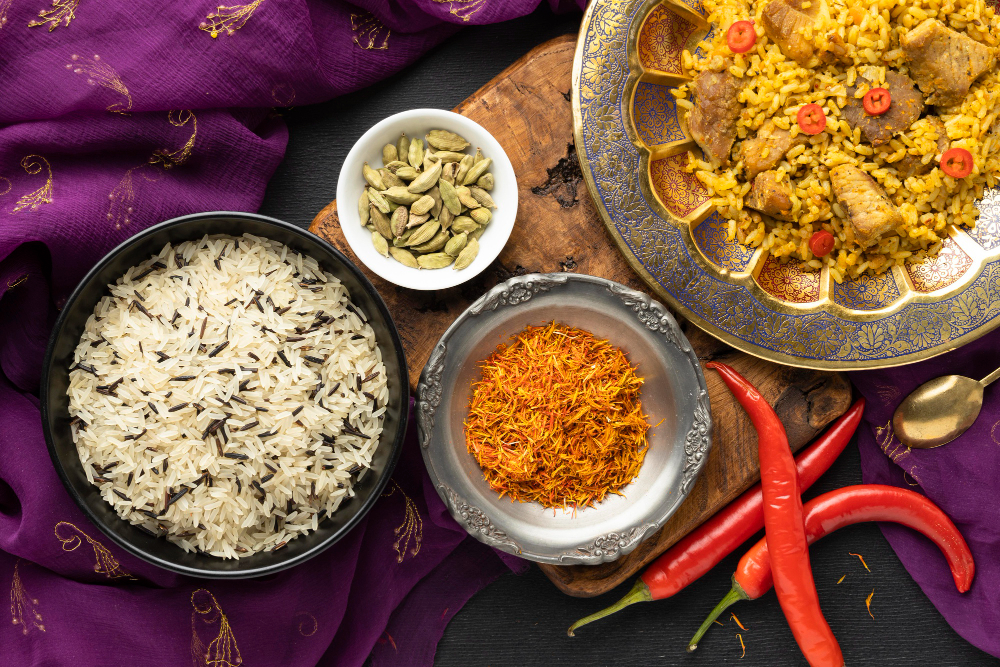
Meghalaya, known for its green hills, mist-covered landscapes and rich cultural traditions, has a distinctive culinary heritage shaped by local ingredients, agricultural practices and community knowledge. Among the best-known dishes associated with the Khasi community is Jadoh, a traditional rice preparation recognised for its comforting texture, aromatic seasonings and regional variations. Although traditional versions of Jadoh the dish can also inspire vegetarian interpretations that preserve its rice-based foundation and celebrate the flavours of Khasi cuisine.
Vegetarian Jadoh offers an opportunity to explore the culinary traditions of Meghalaya through rice, locally available vegetables, herbs, ginger, onions and carefully balanced seasonings. Rather than treating the dish simply as a substitute for a traditional recipe, a vegetarian version can be appreciated as a creative adaptation that draws inspiration from the ingredients and cooking techniques of the region. Mushrooms, seasonal vegetables and aromatic herbs can contribute depth and texture while allowing rice to remain the central ingredient.
The cultural significance of Jadoh lies not only in its ingredients but also in the way it reflects the relationship between food, place and community. Its preparation demonstrates how a staple grain can become the foundation of a distinctive regional dish. By exploring a vegetarian interpretation, it is possible to appreciate the culinary identity of Meghalaya while making the dish suitable for people who prefer plant-based meals.
Understanding Jadoh and Its Khasi Origins
Jadoh is closely associated with the Khasi people of Meghalaya, particularly in and around the Khasi Hills and Shillong. The name is commonly explained through the Khasi words ja, meaning rice. Traditional Jadoh is therefore generally understood as a rice preparation. A vegetarian version is an adaptation of this established dish rather than a claim that all traditional Jadoh recipes are vegetarian.
The popularity of Jadoh reflects the importance of rice in the food culture of Meghalaya. Rice is a staple across many communities in the state and appears in a wide range of everyday meals and special preparations. Its versatility allows it to absorb the flavour of cooking liquids, herbs and seasonings, making it suitable for dishes in which the grain forms the main component rather than merely accompanying another preparation.
Khasi cuisine has developed through long-standing relationships with the local environment. Agricultural produce, seasonal vegetables, herbs and other regionally available ingredients influence household cooking. Food traditions are also shaped by family preferences, practical cooking methods and knowledge passed between generations. Jadoh belongs to this wider culinary landscape, although its exact preparation can vary significantly.
A vegetarian interpretation retains the central role of rice while introducing plant-based ingredients to create a satisfying meal. It should be understood as a modern or household adaptation inspired by Khasi culinary traditions. This distinction allows the dish to be presented respectfully without overlooking the ingredients that define traditional preparations.
Rice: The Foundation of Vegetarian Jadoh
Rice is the most important ingredient in vegetarian Jadoh because it determines much of the dish’s texture, appearance and ability to absorb flavour. Different rice varieties can produce different results. White rice may create a relatively light and soft preparation, while red or less-polished rice can contribute a deeper colour, a firmer texture and a more pronounced grain flavour.
Where locally grown rice is available, it can provide a meaningful connection to the agricultural traditions of Meghalaya. The northeastern region has a diverse rice-growing heritage, with varieties adapted to different growing conditions. Using regional rice can help highlight this diversity, although the choice should also account for availability and the cooking requirements of the particular variety.
Preparing rice correctly is essential. Washing it helps remove excess surface starch and unwanted particles, while draining it before cooking can make the water ratio easier to manage. The quantity of cooking liquid must be appropriate for the rice variety. Too much water can make the dish mushy, whereas too little may leave the grains hard or unevenly cooked.
In vegetarian Jadoh, rice absorbs the flavours released by vegetables, ginger, onions and herbs. This creates a cohesive dish in which the ingredients contribute to a shared flavour rather than remaining separate components. When prepared carefully, the rice should be tender and aromatic, with a texture suited to the cook’s preference.
Vegetables That Add Texture and Flavour
Vegetables provide the variety that makes a vegetarian version of Jadoh satisfying. Mushrooms are particularly useful because their savoury, earthy character can add depth to a rice-based dish. They also contain substantial moisture, so they should be cooked in a way that allows excess water to evaporate before the rice is simmered with the remaining ingredients.
Carrots, green peas, beans and cauliflower can introduce colour and contrasting textures. Carrots provide a mild sweetness, while peas contribute a soft, fresh flavour. Beans add a firmer bite, and cauliflower can absorb aromatic seasonings effectively. These ingredients are not required in every preparation, and the best combination depends on availability and personal preference.
Leafy greens can also be incorporated into a vegetarian interpretation, particularly when they are locally available and suitable for cooking with rice. They contribute colour and can balance the richness of mushrooms or oil. The quantity should be managed carefully so that the greens enhance the dish without releasing excessive moisture or overwhelming the rice. Seasonal vegetables offer another way to adapt the dish throughout the year.
Aromatic Ingredients and the Flavour of Khasi Cooking
The flavour of vegetarian Jadoh can be developed with a restrained combination of aromatic ingredients. Ginger, onions, garlic, black pepper and turmeric are useful choices, although the precise mixture can vary according to taste. These ingredients help create warmth and complexity without requiring an excessively elaborate spice blend.
Ginger provides a fresh, gently pungent aroma that complements rice and vegetables. Onions contribute sweetness as they soften, while garlic adds a savoury note. Black pepper can introduce a measured heat, and turmeric gives the rice a warm colour and earthy flavour when used in modest quantities.
The cooking sequence influences how these ingredients perform. Onions can first be softened in a little oil until their raw sharpness decreases. Ginger and garlic can then be added briefly to release their aroma. Mushrooms and firmer vegetables can be cooked afterward, allowing some of their moisture to evaporate before the rice is introduced.
Seasonings should support the natural flavours of the ingredients rather than dominate them. A balanced vegetarian Jadoh does not need to be excessively spicy to taste distinctive. The aim is to allow the aroma of the rice, the earthiness of the vegetables and the fragrance of the seasonings to work together.
How Vegetarian Jadoh Can Be Prepared
A vegetarian preparation begins with choosing a suitable rice variety and preparing the vegetables. The rice should be washed and drained, while mushrooms and other vegetables are cleaned and cut into pieces of a similar size where practical. This helps them cook more evenly and makes the finished dish easier to serve.
A heavy-bottomed pan is useful because it distributes heat more evenly and reduces the risk of scorching. A small quantity of oil can be heated before adding chopped onions. Once the onions have softened, ginger and garlic can be introduced, followed by mushrooms and the selected vegetables. Cooking these ingredients briefly allows their flavours to develop before the rice is added.
The washed rice is then mixed gently with the vegetables and seasonings. Water or vegetable stock can be added according to the rice variety and the desired texture. Vegetable stock made with suitable ingredients can provide additional flavour, but plain water also works when the aromatics have been prepared carefully. Any stock used should be free from animal-derived ingredients if the dish is intended to be strictly vegetarian.
The mixture should be brought to a gentle simmer, then covered and cooked until the rice is tender and the liquid has been absorbed. The heat must be controlled throughout the process. Vigorous boiling can cause uneven cooking, while frequent stirring may break the grains and release additional starch. The exact cooking time depends on the rice and vegetables used.
After cooking, allowing the dish to rest briefly can help the moisture settle and the flavours become more evenly distributed. The rice can then be loosened gently with a fork or spoon. Fresh herbs may be added at the end if desired, providing a fresh aroma that contrasts with the warm, cooked ingredients.
The Importance of Cooking Technique
Although vegetarian Jadoh uses familiar ingredients, its final quality depends heavily on technique. One important factor is moisture management. Mushrooms and many vegetables release water as they cook, so adding all the ingredients and liquid at once can make the rice overly soft. Cooking moisture-rich vegetables first helps the cook judge how much additional liquid will be required.
Heat control is equally important. A high temperature can help vegetables develop colour at the beginning, but rice generally benefits from gentle, consistent cooking after liquid is added. If the bottom of the pan becomes too hot, the rice may stick or burn before the upper layer is cooked. A heavy pan, a suitable lid and careful adjustment of the heat help reduce this risk.
The timing of seasoning also affects the result. Ginger and garlic generally release their aroma quickly, so they should not be left to burn in hot oil. Salt can be added in stages, particularly when using vegetable stock that may already contain salt. Tasting the finished dish and adjusting the seasoning carefully helps maintain balance.
These methods are not exclusive to Jadoh, but they are useful when adapting a traditional rice-based preparation to vegetarian ingredients. The technique should allow the rice to remain the central element while giving the vegetables enough time to develop flavour and retain a pleasant texture.
Vegetarian Jadoh and Local Food Traditions
A vegetarian adaptation can introduce people to the broader ingredients and techniques associated with Meghalaya’s food culture. Rice, seasonal vegetables, aromatic herbs and careful cooking are familiar elements across many regional cuisines, but their combinations and customary uses differ from place to place. Vegetarian Jadoh can provide a starting point for exploring these relationships.
It is important, however, to recognise the difference between a traditional dish and a contemporary interpretation. Traditional Jadoh is commonly associated with preparations, and the name itself reflects that association. A plant-based version can retain the rice-centred format and use ingredients suited to vegetarian diets, but it should be described honestly as vegetarian Jadoh or a vegetarian-inspired adaptation.
This approach does not diminish the value of the adaptation. Culinary traditions have always been influenced by changing preferences, ingredient availability and the creativity of individual cooks. Contemporary versions can make regional food more accessible to people with different dietary requirements, provided they do not erase the historical context of the original dish.
Food writers and restaurants can contribute to this understanding by explaining which ingredients are traditional, which are substitutions and why a particular preparation has been adapted. Such clarity encourages greater appreciation for both the original food tradition and the creativity of modern cooking.
Serving Vegetarian Jadoh
Vegetarian Jadoh can be served as a main course because rice and vegetables are cooked together. Its flavour is generally most enjoyable when served warm, allowing the aromas of ginger, onions and herbs to remain noticeable. A simple presentation can emphasise the texture of the rice and the colours of the vegetables without requiring elaborate garnishes.
Fresh vegetables or a lightly dressed salad can provide contrast to the warm rice. A suitable vegetarian chutney may add brightness and a more pronounced flavour, depending on the ingredients used. Steamed greens can also accompany the dish when a more substantial meal is desired.
If the goal is to create a fully vegetarian meal inspired by Meghalaya’s culinary traditions, the accompaniments should also be selected carefully. Ingredients such as fermented soybeans, local greens and seasonal vegetables can introduce different flavours and textures. Any prepared sauces, stocks or condiments should be checked to ensure that they do not contain animal-derived ingredients.
The portion can be adjusted according to appetite and the richness of the preparation. A version containing mushrooms and several vegetables may provide a different balance of fibre, protein and energy from one made primarily with white rice. The choice of accompaniments can help create a varied meal while keeping the rice dish at the centre.
Nutritional Value of a Vegetarian Rice Dish
The nutritional value of vegetarian Jadoh depends on the rice variety, the vegetables selected and the amount of oil used. Rice provides carbohydrates, which supply energy.
Adding a variety of vegetables can broaden the range of nutrients in the meal. Mushrooms, peas and beans each contribute a different nutritional profile, making ingredient variety useful when planning balanced meals.
The quantity of oil influences the energy content of the dish. A moderate amount is generally sufficient to soften aromatics and cook vegetables without making the rice excessively oily. Salt should also be used thoughtfully, particularly when packaged vegetable stock or prepared seasonings are included.
Vegetarian Jadoh should not be described as nutritionally complete in every version. A rice-and-vegetable preparation may provide energy and several nutrients, but its protein and micronutrient content depend on the ingredients and portion size. Adding suitable protein-rich plant foods as part of the wider meal can help create a more balanced diet.
Preserving the Culinary Identity of Meghalaya
The value of regional dishes lies partly in their connection to local knowledge, agricultural diversity and community identity. Meghalaya’s culinary heritage includes many preparations that use rice, vegetables, herbs and preservation techniques in ways shaped by the state’s environment and cultural history. Jadoh is one of the dishes through which people often encounter Khasi cuisine.
A vegetarian interpretation can contribute to the contemporary popularity of regional food, particularly among diners. However, cultural appreciation requires accuracy. Describing a plant-based adaptation as an adaptation, rather than claiming that it represents every traditional version, helps preserve the distinction between established practice and modern creativity.
There is also an opportunity to highlight local produce. Seasonal vegetables and regionally available rice varieties can help connect the preparation to the wider agricultural landscape.
Food traditions remain alive because people continue to cook, share and reinterpret them. Respectful adaptations can introduce regional cuisines to new audiences while encouraging further interest in the original recipes, their histories and the communities that maintain them.
Conclusion
Jadoh is a recognised part of Khasi culinary heritage and reflects the importance of rice in Meghalaya’s food traditions. Although traditional Jadoh a vegetarian interpretation can draw inspiration from its rice-centred structure and adapt it using mushrooms, seasonal vegetables, ginger, onions and aromatic seasonings.
The success of vegetarian Jadoh depends on more than ingredient substitution. Careful moisture management, balanced seasoning and controlled cooking help the rice absorb flavour while retaining a pleasant texture. The resulting dish offers a satisfying way to explore the possibilities of a regional rice preparation through plant-based ingredients.
Online Internship with Certificate
You may be interested

Sikil Pak: Maya Pumpkin-Seed Dip with Roasted Seeds and Tomato
Anshika Jain - October 22, 2026Traditional foods often reveal how communities transform simple, locally available ingredients into preparations with distinctive flavours and cultural significance. Sikil Pak, also written as Sikil P'aak, is…
Tinutuan: Indonesian Rice Porridge Celebrating Vegetables
Anshika Jain - October 22, 2026Across Indonesia, traditional food reflects the diversity of local agriculture, community customs and everyday eating habits. Among the distinctive dishes of North Sulawesi is Tinutuan, a savoury…
Khorisa-Based Preparations: Fermented Bamboo Shoots
Anshika Jain - October 22, 2026Northeast India is home to a remarkable variety of traditional foods shaped by local agriculture, seasonal ingredients and generations of culinary knowledge. Among the region’s distinctive ingredients…
Most from this category
Anishi Curry: How Fermented Leaf Cakes Create a Distinctive Flavour in Naga Cuisine
Anshika Jain - October 22, 2026
Mammi: The Dark Finnish Easter Dessert Shaped by Rye, Malt and Slow Cooking
Anshika Jain - October 22, 2026
Su Filindeu: Sardinia’s Delicate Pasta Made by Repeatedly Stretching Dough
Anshika Jain - October 21, 2026Anishi Curry: How Fermented Leaf Cakes Create a Distinctive Flavour in Naga Cuisine
Anshika Jain - October 22, 2026Mammi: The Dark Finnish Easter Dessert Shaped by Rye, Malt and Slow Cooking
Anshika Jain - October 22, 2026Papeda: Translucent, Elastic Sago Porridge of Eastern Indonesia
Anshika Jain - October 21, 2026
Sikil Pak: Maya Pumpkin-Seed Dip with Roasted Seeds and Tomato
October 22, 2026
Tinutuan: Indonesian Rice Porridge Celebrating Vegetables
October 22, 2026


Leave a Comment