

Khorisa-Based Preparations: Fermented Bamboo Shoots

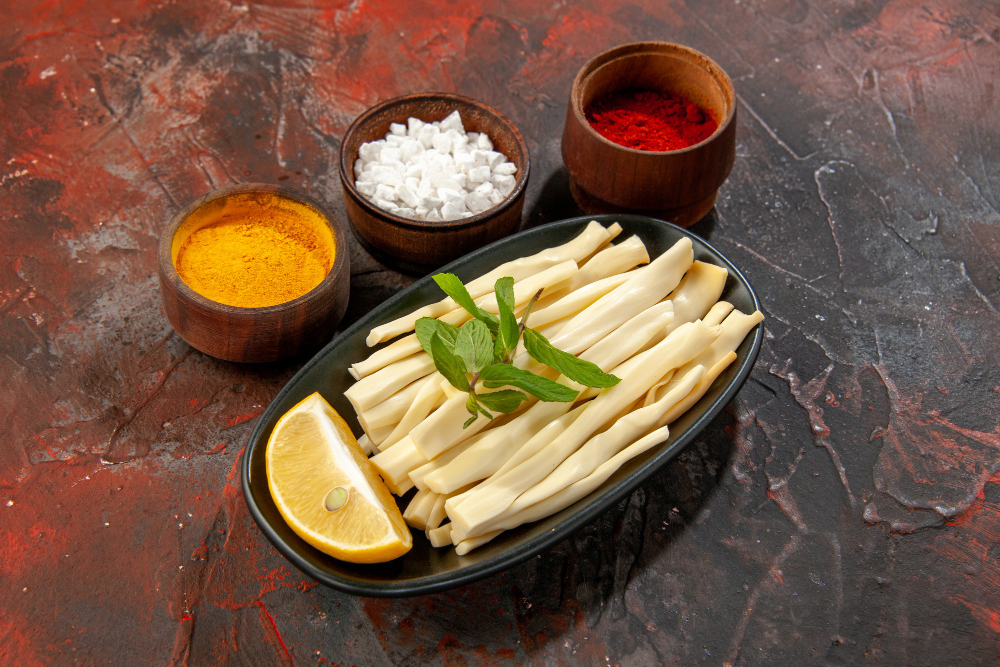
Northeast India is home to a remarkable variety of traditional foods shaped by local agriculture, seasonal ingredients and generations of culinary knowledge. Among the region’s distinctive ingredients is Khorisa, a preparation made from fermented bamboo shoots that is particularly associated with Assamese cuisine. Recognised for its sharp, tangy flavour and characteristic aroma, Khorisa demonstrates how fermentation can transform a fresh plant ingredient into something with a completely different culinary identity.
Bamboo shoots are the young, tender growths of bamboo plants. When freshly harvested and properly prepared, they have a mild, vegetal flavour and a crisp texture. Fermentation changes these qualities, developing acidity, stronger aromas and a more complex taste. In Assamese cooking, Khorisa can be used to season vegetable preparations, enrich rice-based dishes, add depth to lentils and create distinctive pickles. Its intensity means that even a relatively small quantity can influence the entire dish.
Vegetarian Khorisa-based preparations offer an especially interesting way to explore the ingredient. Mushrooms, potatoes, leafy greens, seasonal vegetables, lentils and rice can all provide complementary textures and flavours. The sharpness of fermented bamboo shoots can balance the natural sweetness of vegetables, while their acidity can make a simple preparation taste more layered and lively.
Beyond its culinary appeal, Khorisa reflects the relationship between traditional food preservation and the natural environment. Bamboo grows widely across many parts of Northeast India, and preserving its tender shoots allows communities to retain a seasonal ingredient for use beyond its fresh harvesting period. Understanding Khorisa therefore involves exploring its origins, fermentation process, flavour chemistry, vegetarian applications and place in regional food culture.
What Is Khorisa?
Khorisa is the Assamese name commonly used for fermented bamboo shoots. It is a traditional ingredient valued for its sour, pungent character and its ability to add a distinctive flavour to different preparations. Depending on the method used, the fermented shoots may be available in chopped, shredded, crushed or other forms suitable for cooking.
Fresh bamboo shoots are generally harvested while they are young and tender. Their outer layers are removed, and the edible portions are cleaned and prepared for processing. Traditional methods may involve chopping, crushing, drying or fermenting the shoots under controlled household conditions. The precise technique can differ according to local practice, the type of bamboo used and the desired final product.
In Assamese cuisine, Khorisa is more than a seasoning. Its strong flavour can become a defining feature of a dish, much as a fermented vegetable or sour condiment can shape the character of food in other culinary traditions. It can be incorporated into a preparation during cooking or used in a pickle-style accompaniment, depending on the form of the product.
Khorisa should also be understood within the wider diversity of fermented bamboo shoot traditions across Northeast India. Similar plant-based foods have different names, textures and preparation methods in different communities. Research on regional fermented foods identifies products such as Khorisa in Assam, Soibum in Manipur and Mesu in Sikkim, illustrating the diversity of bamboo-based food traditions across the region. These products are related through their main ingredient, but they should not be treated as identical recipes.
The Cultural Roots of Fermented Bamboo Shoots
The use of fermented bamboo shoots reflects a close relationship between regional cooking and locally available plant resources. Bamboo has many uses across Northeast India, extending from construction and household materials to crafts and food. Its young shoots provide a seasonal ingredient that can be prepared fresh or preserved for later use.
Traditional food preservation developed partly in response to the practical challenge of keeping seasonal produce available over time. Fermentation offered a way to transform certain ingredients while creating new flavours and textures. In the case of bamboo shoots, the process allows their fresh, vegetal character to develop into a more pronounced sourness that can be used in small quantities throughout a range of meals.
Khorisa is closely associated with Assamese food culture, but the broader tradition of fermented bamboo shoots belongs to a much wider regional landscape. Communities across Northeast India have developed their own approaches to selecting bamboo species, preparing tender shoots, managing fermentation and incorporating the finished ingredient into everyday cooking. Research into fermented foods has documented the importance of these practices in local diets and cultural identity. A review of fermented bamboo shoots and their traditional uses provides an overview of this diversity.
The continued use of Khorisa also demonstrates how traditional food knowledge adapts to contemporary life. While some households continue established preparation methods, commercially prepared fermented bamboo shoots have made the ingredient more accessible to urban cooks. This wider availability allows people to explore regional flavours even when fresh bamboo shoots are not locally obtainable.
How Fermentation Changes Bamboo Shoots
Fermentation is a biological process in which microorganisms transform components of food. In many vegetable fermentations, naturally occurring or deliberately introduced microorganisms use available carbohydrates and produce organic acids and other compounds. These changes can influence acidity, aroma, texture and storage characteristics.
In fermented bamboo shoots, microbial activity contributes to the development of the sharp, tangy flavour associated with Khorisa. Research on fermented bamboo shoot products from Assam has identified bacteria involved in fermentation and examined their roles in producing flavour-related compounds. A 2025 research study on the microbial and flavour-producing characteristics of Khorisa discusses the fermentation process and the microorganisms identified in the samples studied.
The exact outcome depends on several factors, including the bamboo species, preparation method, moisture level, temperature, salt conditions where applicable and duration of fermentation. These variables influence which microorganisms grow and how quickly the food develops its characteristic acidity and aroma. As a result, two Khorisa products may have noticeably different levels of sourness, pungency and firmness.
Fermentation is not simply a way of making food taste sour. It can produce a more complex flavour profile through the formation of several organic acids and aromatic compounds. These compounds interact with the natural flavours of bamboo shoots, creating the distinctive sensory character that makes Khorisa useful as a culinary ingredient.
However, traditional fermentation should not be assumed to make every preparation safe automatically. Hygiene, suitable raw materials, reliable processing and appropriate storage remain essential. Commercial products should be handled according to their labels, while homemade fermentation requires a validated method rather than guesswork.
The Distinctive Flavour of Khorisa
The most noticeable feature of Khorisa is its pronounced tanginess. Its acidity can brighten a dish that might otherwise taste mild, particularly when combined with starchy ingredients such as potatoes or rice. This sourness also creates contrast with vegetables that have a naturally sweet flavour, including carrots, pumpkin and certain varieties of cabbage.
Khorisa also has a characteristic aroma that develops during fermentation. Depending on the product, the scent may be sharp, earthy, pungent or deeply fermented. For people unfamiliar with the ingredient, this intensity can be surprising. Once incorporated into a cooked preparation, however, its flavour can blend with ginger, chillies, herbs and vegetables to create a more balanced result.
Texture is another important element. Some preparations retain identifiable pieces of bamboo shoot, offering a slightly crisp or fibrous bite. Others are crushed or finely shredded, allowing their flavour to spread more evenly through a dish. The form of Khorisa therefore affects not only how it looks but also how it distributes acidity and aroma.
Because its flavour is concentrated, Khorisa is often best introduced gradually. Adding a small amount at first allows the cook to judge its intensity before adjusting the seasoning. This is particularly important when using a product that is already strongly acidic or salty. The aim is to create balance rather than allow fermentation to overwhelm the natural taste of the other ingredients.
Vegetarian Khorisa Curry with Seasonal Vegetables
One of the most practical ways to use Khorisa is in a vegetarian curry built around seasonal vegetables. Potatoes, beans, cauliflower, pumpkin or other locally available produce can provide a range of textures. The fermented bamboo shoots contribute acidity, while ginger, onions, chillies and turmeric create a warm aromatic foundation.
The preparation begins by cleaning and cutting the vegetables into evenly sized pieces. Aromatic ingredients can be softened in a little oil before the vegetables are added. Once they have begun to cook, a modest quantity of Khorisa can be incorporated and mixed thoroughly. Water may then be added to create the desired consistency, allowing the vegetables to soften while the fermented flavour spreads through the preparation.
The amount of Khorisa required depends on its strength and the quantity of vegetables. A milder product may allow a more generous portion, while a strongly fermented variety may need only a small amount. Adding it gradually helps preserve the balance between acidity, vegetable sweetness and seasoning.
The final texture can range from a lightly coated vegetable preparation to a more liquid curry. Some cooks may prefer to keep the vegetables firm, while others may allow them to soften more fully. Both approaches can work as long as the cooking time suits the ingredients and the fermented bamboo shoots remain a complementary flavour rather than the only flavour present.
This kind of curry is a contemporary vegetarian application of Khorisa. It draws on the ingredient’s established place in Assamese cuisine while allowing the vegetable combination to change with season, household preference and availability.
Khorisa with Potatoes and Mushrooms
Potatoes and mushrooms make an effective pairing with fermented bamboo shoots because they offer contrasting textures and flavour characteristics. Potatoes have a mild, starchy quality that can soften the sharpness of Khorisa. Mushrooms contribute an earthy, savoury flavour and a tender texture that complements the fermented aroma.
For this preparation, potatoes can be cut into small pieces and partially cooked before being combined with mushrooms and aromatics. Ginger, onions and a small amount of chilli can be used to build the base. Khorisa is then added gradually, followed by enough water to finish cooking the potatoes and bring the ingredients together.
Mushrooms release moisture as they cook, so it is useful to allow some of that moisture to evaporate before adding extra liquid. This prevents the preparation from becoming unnecessarily watery. The potatoes should become tender without disintegrating completely, while the mushrooms should retain enough structure to create textural contrast.
The combination demonstrates how fermentation can be used to season plant-based ingredients without requiring an elaborate spice mixture. The potatoes absorb the cooking liquid, the mushrooms provide savoury depth and the bamboo shoots contribute a sharp, distinctive finish. A modest amount of fresh coriander or another suitable herb can be added at the end if desired.
The dish can be served with steamed rice or another staple grain. Its flavour is sufficiently pronounced to make it a memorable accompaniment, yet the vegetables remain central to the preparation.
Khorisa in Rice and Lentil Preparations
Rice and lentils provide another useful foundation for vegetarian Khorisa-based cooking. Both ingredients have relatively mild flavours that can accommodate a strongly flavoured fermented component. Rice absorbs the aroma of the cooking liquid, while lentils provide body and a soft texture.
A rice preparation can be made by cooking the grain with suitable aromatics and a small amount of Khorisa, adjusting the liquid to the rice variety. Vegetables such as beans, peas or carrots can be included for colour and texture. Because the fermented shoots have a strong flavour, they should be introduced in moderation so that the rice remains recognisable rather than becoming overwhelmingly sour.
Lentil preparations require a slightly different approach. Lentils are usually cooked until tender before the seasoning is balanced. Khorisa can be incorporated during the final cooking stage, allowing its flavour to blend with the lentils without requiring prolonged simmering. Ginger and turmeric can provide warmth, while fresh greens may add freshness and contrast.
The success of these dishes depends on managing both acidity and texture. Too much fermented bamboo shoot can dominate the natural flavour of rice or lentils. Adding it gradually and tasting during cooking makes it easier to achieve a balanced result.
These combinations also illustrate the flexibility of Khorisa. It does not need to be used only in elaborate recipes. A simple bowl of rice, lentils and vegetables can gain a distinctive regional character from a carefully measured amount of fermented bamboo shoots.
Khorisa Pickles and Condiments
Fermented bamboo shoots can also be enjoyed in pickle-style preparations and condiments. In this form, their sharp flavour can provide contrast to rice, vegetable dishes and other everyday meals. The exact style depends on the product, the seasoning and the preparation method used.
A condiment may combine Khorisa with chillies, suitable spices and other plant-based ingredients. The result can be tangy and pungent, with a texture that ranges from finely chopped to more substantial pieces. Since fermented bamboo shoots already have a strong flavour, additional acidity and salt should be introduced thoughtfully rather than automatically.
Commercially prepared Khorisa products may differ in salt content, moisture and intensity. These differences affect how much seasoning a condiment requires and how it should be stored. Following the product’s storage instructions is particularly important after opening, because fermentation status alone does not guarantee indefinite preservation.
For homemade preparations, reliable food-preservation guidance is essential. Clean utensils, appropriate containers and safe handling practices help reduce contamination risks. A recipe should not be assumed shelf-stable simply because it contains fermented ingredients or tastes acidic.
Khorisa condiments can be useful for people who want to explore the flavour of fermented bamboo shoots without preparing an entire curry. A small serving alongside rice and vegetables can provide the distinctive tanginess that defines the ingredient.
The Science of Balancing Acidity and Aroma
The culinary effect of Khorisa can be understood through the interaction of acidity, aroma, texture and seasoning. Acidity makes flavours seem brighter and can balance the sweetness of certain vegetables. It may also make a rich or starchy preparation feel less heavy on the palate, although the effect depends on the complete recipe.
Aromatic compounds released during fermentation interact with those found in ginger, garlic, chillies and cooked vegetables. Heating can change the intensity of some aromas, which is why the timing of Khorisa addition matters. Adding it earlier allows its flavour to integrate with the dish, while adding it closer to the end can preserve a more noticeable fermented character.
Salt also affects flavour perception. It can make certain ingredients taste fuller and more pronounced, but excessive salt may obscure the subtler flavours of vegetables. If the Khorisa product is already salted, the rest of the dish should be seasoned accordingly.
Texture contributes to the experience as well. Finely shredded shoots distribute their flavour widely, whereas larger pieces produce occasional concentrated bursts of acidity and aroma. The choice depends on whether the cook wants Khorisa to act as a background seasoning or as a clearly identifiable ingredient.
These principles explain why a small change in quantity or cooking time can produce a different result. Khorisa is a powerful ingredient, and its success in vegetarian cooking depends on balancing its distinctive qualities with the other components of the meal.
Nutritional Value and Food Safety
Bamboo shoots are generally valued as a plant food that can contribute dietary fibre and several nutrients. Their precise nutritional composition varies according to the species, growing conditions, maturity and processing method. Fermentation may change certain nutritional characteristics, but it does not make every fermented product nutritionally identical.
The nutritional value of a Khorisa-based dish also depends on the other ingredients. A preparation containing varied vegetables and lentils will have a different nutritional profile from one made primarily with potatoes and rice. The amount of oil and salt used during cooking further influences the final meal.
Fermented bamboo shoots should be purchased from a reliable source or prepared using a well-established food-safe method. Bamboo species and preparation techniques matter, because raw bamboo shoots may contain naturally occurring compounds that require appropriate processing before consumption. They should not be eaten raw simply because they are young or tender.
Traditional fermentation methods should be followed carefully, with attention to hygiene, container cleanliness, suitable processing conditions and storage. A strong sour smell by itself is not proof that a product is safe. Products showing unexpected mould, unusual deterioration or other signs of spoilage should not be consumed. Homemade preparations should not be stored at room temperature for extended periods unless a validated preservation process specifically supports it.
For commercially packaged Khorisa, the label should guide storage and use after opening. When preparing a vegetarian meal, it is also sensible to check ingredient labels for any additions that do not meet the cook’s dietary requirements.
Khorisa and the Preservation of Regional Food Heritage
Khorisa illustrates how a traditional ingredient can connect agriculture, preservation and everyday cooking. Bamboo shoots are seasonal, but fermentation provides a way to retain their characteristic flavour beyond the period when fresh shoots are readily available. This practical use of fermentation has helped establish bamboo shoots as an important ingredient in several regional food cultures.
The knowledge involved extends beyond the ingredients themselves. People must understand when shoots are suitable for harvesting, how to prepare them, how fermentation changes their character and how much of the finished product to use in a dish. Such knowledge is often maintained through household experience and community practice.
As regional cuisines receive greater attention, Khorisa can introduce new audiences to the diversity of Assamese and Northeast Indian food traditions. Vegetarian preparations are one way to explore the ingredient’s culinary possibilities while keeping plant-based ingredients at the centre of the meal. They can also encourage cooks to experiment with seasonal vegetables, rice, lentils and locally available herbs.
However, preserving food heritage requires accurate descriptions of traditional practices. Khorisa has a recognised place in Assamese cuisine, but not every dish made with fermented bamboo shoots is identical, and methods differ across communities. Respecting these differences helps prevent a diverse regional tradition from being reduced to a single recipe.
Conclusion
Khorisa-based preparations demonstrate how fermentation can transform a seasonal plant ingredient into a powerful source of flavour. The sharp acidity, distinctive aroma and varied texture of fermented bamboo shoots make them particularly useful in vegetarian curries, vegetable preparations, rice dishes, lentil recipes and condiments.
Their versatility lies in the way they interact with other ingredients. Potatoes can soften their tanginess, mushrooms can complement their earthy aroma, and rice and lentils can provide a mild foundation that absorbs their flavour. Careful seasoning and moisture management help preserve this balance without allowing the fermented character to overwhelm the meal.
Beyond the kitchen, Khorisa represents a wider tradition of food preservation and regional knowledge across Northeast India. Its continuing use reflects the creativity with which communities make use of local resources and develop distinctive culinary identities. By exploring vegetarian Khorisa-based preparations, cooks can appreciate the ingredient’s flavour and versatility while recognising the cultural heritage from which it comes.
Online Internship with Certificate
You may be interested
Sikil Pak: Maya Pumpkin-Seed Dip with Roasted Seeds and Tomato
Anshika Jain - October 22, 2026Traditional foods often reveal how communities transform simple, locally available ingredients into preparations with distinctive flavours and cultural significance. Sikil Pak, also written as Sikil P'aak, is…
Tinutuan: Indonesian Rice Porridge Celebrating Vegetables
Anshika Jain - October 22, 2026Across Indonesia, traditional food reflects the diversity of local agriculture, community customs and everyday eating habits. Among the distinctive dishes of North Sulawesi is Tinutuan, a savoury…

Jadoh: Khasi Rice Dish That Reflects the Culinary Heritage of Meghalaya
Anshika Jain - October 22, 2026Meghalaya, known for its green hills, mist-covered landscapes and rich cultural traditions, has a distinctive culinary heritage shaped by local ingredients, agricultural practices and community knowledge. Among…
Most from this category
Anishi Curry: How Fermented Leaf Cakes Create a Distinctive Flavour in Naga Cuisine
Anshika Jain - October 22, 2026
Mammi: The Dark Finnish Easter Dessert Shaped by Rye, Malt and Slow Cooking
Anshika Jain - October 22, 2026
Su Filindeu: Sardinia’s Delicate Pasta Made by Repeatedly Stretching Dough
Anshika Jain - October 21, 2026Anishi Curry: How Fermented Leaf Cakes Create a Distinctive Flavour in Naga Cuisine
Anshika Jain - October 22, 2026Mammi: The Dark Finnish Easter Dessert Shaped by Rye, Malt and Slow Cooking
Anshika Jain - October 22, 2026Papeda: Translucent, Elastic Sago Porridge of Eastern Indonesia
Anshika Jain - October 21, 2026
Sikil Pak: Maya Pumpkin-Seed Dip with Roasted Seeds and Tomato
October 22, 2026


Leave a Comment