

Tinutuan: Indonesian Rice Porridge Celebrating Vegetables

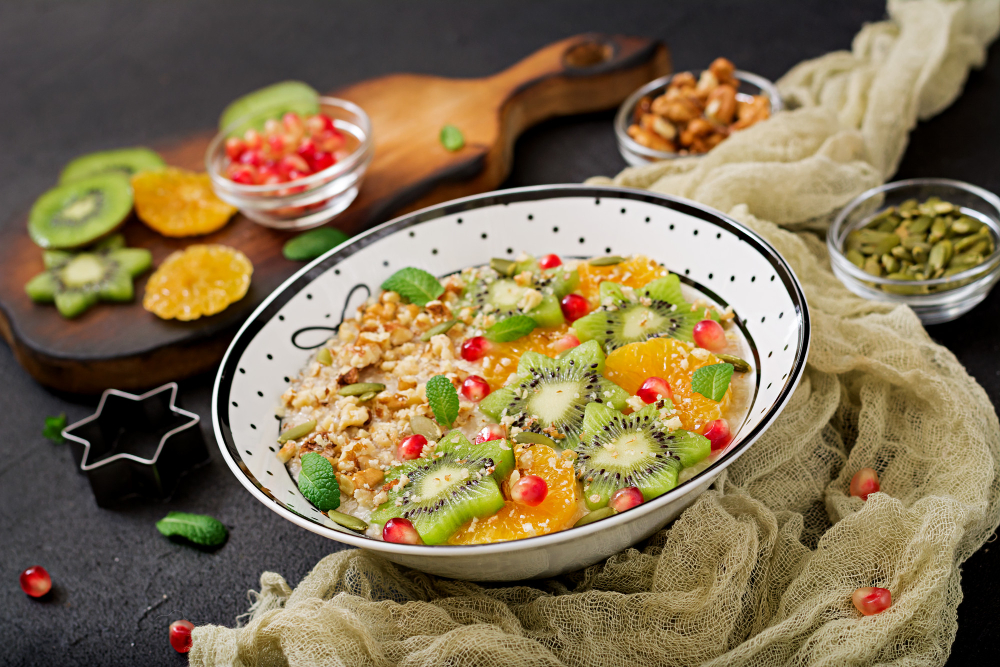
Across Indonesia, traditional food reflects the diversity of local agriculture, community customs and everyday eating habits. Among the distinctive dishes of North Sulawesi is Tinutuan, a savoury rice porridge prepared with a variety of vegetables. Also known as Bubur Manado, this comforting dish is particularly associated with Manado, the capital of North Sulawesi. Its soft rice base, colourful vegetables and mild seasoning make it a distinctive example of how simple plant-based ingredients can be combined to create a nourishing and flavourful meal.
Tinutuan stands apart from many rice porridge preparations because vegetables are central to its identity rather than merely served as a garnish. Depending on the recipe and ingredient availability, the porridge may contain pumpkin, sweet potato, leafy greens, corn and other vegetables. As the rice cooks, it softens into a thick, creamy consistency, while the vegetables contribute colour, texture and varying degrees of sweetness. The final dish is generally savoury, although the natural sweetness of certain ingredients can create a pleasant balance.
Often enjoyed at breakfast, Tinutuan is also suitable for lunch or a light evening meal. Its soft texture makes it a practical choice for people who prefer warm, easy-to-eat food, while the combination of rice and vegetables provides a flexible foundation for different dietary preferences. Because the recipe can be adapted according to seasonal produce, it also offers an example of how traditional dishes evolve without losing their central character.
Exploring Tinutuan involves more than learning how to prepare rice porridge. The dish offers insight into the food culture of North Sulawesi, the culinary value of vegetables, the science of rice cooking and the importance of local ingredients. Its vegetarian character also makes it an appealing subject for anyone interested in plant-based regional cuisine.
The Origins and Cultural Significance of Tinutuan
Tinutuan is closely associated with Manado and the wider Minahasa region of North Sulawesi, Indonesia. The dish is commonly called Bubur Manado, reflecting its strong connection with the city and its local food traditions. It has become one of the region’s recognisable culinary preparations and is often featured in discussions of North Sulawesi’s distinctive cuisine.
Like many traditional foods, Tinutuan is connected to everyday cooking practices rather than a single universally documented origin story. Rice provides a familiar foundation, while vegetables make use of ingredients available through local agriculture and markets. Combining them in a porridge creates a practical meal that can be adjusted according to the household, the season and the ingredients on hand.
The dish is also associated with breakfast culture in Manado. Food stalls and local eateries have helped make Tinutuan accessible to residents and visitors, while household preparations maintain its place in everyday meals. Its popularity illustrates how a simple preparation can become an important symbol of regional identity through repeated use and community recognition.
Tinutuan is often appreciated for its colourful appearance and vegetable-rich composition. Instead of depending on an elaborate spice mixture, it allows the natural flavours of rice, pumpkin, sweet potato, corn and greens to form the main character of the dish. This approach gives it a distinctive place within Indonesia’s broader culinary landscape, which includes many rice-based meals with different regional ingredients and cooking methods.
What Makes Tinutuan Different from Other Rice Porridges?
Rice porridge appears in numerous culinary traditions across Asia, but the ingredients and preparation methods vary widely. Some versions focus on rice cooked in water until it becomes exceptionally smooth, while others include seasonings or toppings that are added after cooking. Tinutuan is notable because a variety of vegetables are cooked directly with the rice, creating a more integrated dish.
The rice provides the porridge’s soft base, while vegetables contribute different flavours and textures. Pumpkin and sweet potato can soften during cooking and lend a naturally sweet quality. Corn adds a mild sweetness and occasional bursts of texture, while leafy greens contribute freshness and colour. The combination produces a porridge that can be both creamy and varied rather than uniform throughout.
Another defining feature is its adaptability. Although particular ingredients are strongly associated with common preparations, the exact combination can differ between cooks. Some recipes use more pumpkin, creating a golden appearance, while others include generous quantities of green vegetables. The consistency may also range from relatively thick to more fluid, depending on the ratio of rice to water and the vegetables used.
Tinutuan’s appeal therefore lies in the relationship between its ingredients. It is not simply plain rice porridge with vegetables placed on top. The ingredients cook together, allowing their flavours to blend and their textures to become part of a single preparation. This gives the dish its characteristic appearance and distinguishes it from many other rice-based meals.
Rice: The Foundation of the Porridge
Rice is the central ingredient in Tinutuan and determines much of its texture. As the grains simmer in water, they absorb moisture, soften and release starch. This process gradually transforms the mixture into a thick porridge. The cooking time, rice variety and quantity of water all influence the final consistency.
Ordinary white rice is suitable for many home preparations because it softens relatively predictably and allows the vegetables to remain prominent. Different varieties can produce different results, however. Rice with a higher starch content may create a thicker, creamier porridge, while other varieties may retain more of their grain structure.
The rice is generally rinsed before cooking to remove excess surface starch and unwanted particles. It is then simmered in water until the grains begin to break down. Some cooks add the vegetables at different stages rather than all at once, ensuring that ingredients with longer cooking times become tender while delicate greens retain more of their colour and structure.
Water management is particularly important. Too little water can cause the rice to stick to the bottom of the pot before it softens, whereas excessive liquid may create a thin consistency. Since some vegetables release moisture as they cook, the quantity of water may need to be adjusted during preparation.
Frequent gentle stirring helps prevent sticking and encourages the rice to develop an even texture. Once the rice has softened, the vegetables can be incorporated or cooked further until the mixture reaches the desired consistency. The result should be cohesive without necessarily becoming completely smooth.
The Role of Vegetables in Tinutuan
Vegetables are the defining feature of Tinutuan. They provide colour, flavour and texture while transforming rice porridge into a more varied plant-based meal. Although recipes differ, pumpkin, sweet potato, leafy greens and corn are among the ingredients commonly associated with the dish.
Pumpkin is particularly useful because it softens during cooking and can partially break down into the porridge. This contributes a creamy texture and a natural sweetness that balances the savoury ingredients. Its orange or golden colour can also give the dish a warm appearance. The amount of pumpkin used influences both the flavour and thickness of the final preparation.
Sweet potato provides a similar contribution, although its texture and sweetness depend on the variety. As it cooks, it becomes tender and can help thicken the porridge. When used in moderate quantities, it creates a pleasant contrast with leafy vegetables and the mild flavour of rice.
Corn contributes sweetness and a slightly firmer texture. Its kernels remain identifiable even when the surrounding rice becomes soft, giving the porridge greater textural variety. Corn also complements pumpkin and sweet potato because their flavours share a natural sweetness without being identical.
Leafy greens provide a fresh, vegetal flavour and an important visual contrast. In common Tinutuan preparations, greens such as water spinach or other locally available leaves may be used. Their cooking time should be managed carefully because delicate leaves soften much faster than rice or root vegetables. Adding them later can help preserve their colour and prevent them from becoming excessively mushy.
The combination of vegetables makes Tinutuan adaptable to seasonal availability. However, the particular vegetables used should be described as recipe variations rather than assumed to be identical in every household or locality.
How Tinutuan Is Prepared
Preparing Tinutuan begins with selecting rice and vegetables that cook well together. The rice is rinsed, while pumpkin and sweet potato are peeled when necessary and cut into manageable pieces. Corn is prepared by removing the kernels from the cob or using suitable kernels, and leafy greens are washed thoroughly and cut into smaller portions if needed.
The rice is placed in a pot with water and brought to a gentle simmer. As it cooks, the grains gradually absorb liquid and begin to soften. The mixture should be stirred periodically to prevent sticking, particularly as the porridge thickens. If the liquid level becomes too low before the rice is tender, additional hot water can be added gradually.
Root vegetables such as pumpkin and sweet potato can be introduced early enough to soften fully. Their cooking time depends on the size of the pieces and the variety used. Corn may be added during the same general stage, allowing it to cook while the rice continues to soften.
Leafy greens are generally added later because they require less cooking time. Once the vegetables have reached the desired tenderness, the porridge can be seasoned with salt and suitable aromatics. Garlic, onions or other seasonings may be included in some adaptations, although the exact combination varies.
The finished porridge should have a thick but spoonable consistency, with the vegetables distributed throughout the rice. Some pieces may soften into the mixture, while others remain recognisable. Tinutuan is usually served warm, when its texture and mild, savoury aroma are most noticeable.
Balancing Flavour Without Overpowering the Vegetables
Tinutuan’s flavour depends on balance rather than an excessive quantity of seasoning. Rice provides a mild base, while vegetables contribute sweetness, freshness and earthy notes. Seasoning should enhance these natural qualities instead of concealing them.
Salt helps bring out the flavour of the vegetables and rice, but too much can overwhelm the dish’s gentle character. Aromatic ingredients such as garlic and onion can add depth when used in moderation. Their flavour is often best developed before they are incorporated into the porridge, although the exact technique depends on the recipe.
The natural sweetness of pumpkin, sweet potato and corn is one of Tinutuan’s defining characteristics. This sweetness does not make the dish a dessert; it forms part of its savoury balance. Leafy greens contribute a more vegetal flavour that prevents the overall taste from becoming one-dimensional.
Texture also influences flavour perception. A thick porridge tends to feel more substantial, while a thinner version can taste lighter and allow the individual vegetables to stand out more clearly. Cooking the rice until sufficiently soft helps create a cohesive base, but preserving some texture in the vegetables makes each spoonful more interesting.
These principles make Tinutuan a useful example of ingredient-led cooking. Its flavour comes primarily from the ingredients themselves, supported by careful cooking and moderate seasoning.
Tinutuan as a Vegetarian Breakfast
Tinutuan is well suited to breakfast because it is warm, soft and easy to serve in a bowl. Its combination of rice and vegetables provides a practical start to the day, particularly for people who prefer a savoury breakfast rather than a sweet one. It can also be prepared in larger quantities for a family meal.
The porridge’s consistency makes it suitable for different preferences. A thicker version can feel substantial, while a more fluid preparation may be preferred by people who enjoy a lighter breakfast. The vegetables can be adjusted to suit availability, making it possible to prepare different versions without changing the central character of the dish.
Tinutuan can also be eaten beyond breakfast. It works as a light lunch or an evening meal, especially when served in a generous portion or accompanied by additional vegetables. The choice depends on household habits and appetite rather than a strict rule about when the dish must be eaten.
Because the ingredients are cooked together, Tinutuan can also be convenient for home cooking. Once the rice and vegetables are prepared, much of the process involves simmering and occasional stirring. Careful attention is still necessary to manage the water level and prevent sticking, but the method does not require complicated equipment.
Nutritional Value of Tinutuan
The nutritional profile of Tinutuan depends on the rice variety, the amount of each vegetable and the seasonings used. Rice supplies carbohydrates that provide energy, while vegetables contribute fibre, vitamins, minerals and other naturally occurring plant compounds. Pumpkin and sweet potato can supply carotenoids, while leafy greens contribute different micronutrients depending on the species.
Corn adds additional carbohydrates and some fibre, while the variety of vegetables can increase the overall range of nutrients in the meal. The exact amounts depend on the ingredients and serving size, so Tinutuan should not be assigned a single nutritional value without a specific recipe and measured quantities.
The dish can be part of a balanced vegetarian diet, but its nutritional completeness depends on the wider meal pattern. A preparation made mostly with white rice and a small amount of vegetables will have a different nutritional profile from one containing a generous range of greens, pumpkin, corn and sweet potato. Additional plant-based protein foods may be included elsewhere in the meal when desired.
The quantity of salt and oil used during cooking also affects the final preparation. A moderate approach can help retain the natural flavours of the vegetables without making the porridge unnecessarily rich or salty.
The soft texture of Tinutuan can make it appealing to people who prefer easily spooned meals. However, its suitability for a particular dietary or medical need depends on the individual’s circumstances and the ingredients used. It is best understood as a traditional vegetable-rich rice dish rather than a food with guaranteed health effects.
The Science Behind Its Creamy Texture
The texture of Tinutuan results largely from the behaviour of rice starch during cooking. When rice is heated in water, its starch granules absorb moisture and undergo gelatinisation. This causes the grains to soften and allows some starch to move into the surrounding liquid, gradually thickening the porridge.
The degree of thickening depends on the rice variety, cooking time, temperature and amount of water. Longer simmering generally encourages the grains to soften further, while gentle stirring helps distribute starch throughout the mixture. If the porridge is stirred too vigorously, some grains may break down more quickly, producing a smoother consistency.
Vegetables influence the texture as well. Pumpkin and sweet potato soften and can partly blend into the rice, creating a thicker, more cohesive mixture. Corn kernels and leafy greens provide contrast because they retain some identifiable structure when cooked appropriately.
The water ratio is one of the most important variables. Too little liquid can lead to a thick mixture before the rice is fully cooked, increasing the risk of sticking. Too much water can create a thin porridge that lacks the desired body. Gradual adjustments during simmering allow the cook to respond to the rice variety and moisture released by the vegetables.
This interaction between starch, water and plant ingredients explains why Tinutuan can be both creamy and colourful. Its consistency is not simply a result of adding a thickener; it develops naturally through the cooking process.
Tinutuan and the Food Culture of North Sulawesi
Tinutuan’s cultural importance extends beyond its ingredients. Its association with Manado and North Sulawesi makes it a recognisable expression of regional food identity. Local eateries and breakfast stalls help maintain its visibility, while home cooking allows families to adapt it to their own preferences.
The dish also reflects the practical use of locally available produce. Rice provides the foundation, while vegetables create opportunities to use a variety of seasonal ingredients in one preparation. This flexibility helps explain why individual recipes can differ without losing the dish’s recognisable character.
As regional Indonesian cuisine attracts wider interest, Tinutuan offers an introduction to the diversity of food beyond the country’s most internationally recognised dishes. Its appearance and flavour are distinct, and its reliance on vegetables provides a useful contrast to recipes built around a single principal ingredient.
Food tourism, recipe writing and contemporary cooking can help introduce Tinutuan to new audiences. However, the most useful descriptions recognise its association with North Sulawesi and acknowledge that variations exist. Presenting it simply as a generic vegetable porridge would overlook the regional identity that makes it significant.
Preserving the dish involves more than repeating a recipe. It also means recognising the local food traditions, ingredient choices and cooking practices through which Tinutuan has remained part of everyday life.
Conclusion
Tinutuan, also known as Bubur Manado, is a distinctive vegetable-rich rice porridge associated with Manado and North Sulawesi, Indonesia. Its character comes from the combination of softened rice, pumpkin, sweet potato, corn and leafy greens, although the exact ingredients can vary according to the recipe and local availability.
The dish demonstrates how ordinary plant-based ingredients can develop complexity through careful cooking. Rice starch creates a creamy texture, root vegetables contribute natural sweetness and body, and leafy greens provide freshness and colour. Balanced seasoning allows these elements to work together without overpowering the ingredients.
As a vegetarian dish, Tinutuan offers a practical and adaptable meal that can be enjoyed at breakfast or at other times of the day. Its nutritional profile depends on the ingredients and portion size, but its combination of rice and vegetables provides a flexible foundation for varied home cooking.
Most importantly, Tinutuan reflects the culinary identity of North Sulawesi. Its enduring appeal comes from its comforting texture, colourful ingredients and connection to local food culture. By exploring this traditional porridge, cooks can appreciate how regional cuisines preserve cultural knowledge while continuing to adapt to changing tastes and everyday needs.
Online Internship with Certificate
You may be interested
Sikil Pak: Maya Pumpkin-Seed Dip with Roasted Seeds and Tomato
Anshika Jain - October 22, 2026Traditional foods often reveal how communities transform simple, locally available ingredients into preparations with distinctive flavours and cultural significance. Sikil Pak, also written as Sikil P'aak, is…
Khorisa-Based Preparations: Fermented Bamboo Shoots
Anshika Jain - October 22, 2026Northeast India is home to a remarkable variety of traditional foods shaped by local agriculture, seasonal ingredients and generations of culinary knowledge. Among the region’s distinctive ingredients…
Jadoh: Khasi Rice Dish That Reflects the Culinary Heritage of Meghalaya
Anshika Jain - October 22, 2026Meghalaya, known for its green hills, mist-covered landscapes and rich cultural traditions, has a distinctive culinary heritage shaped by local ingredients, agricultural practices and community knowledge. Among…
Most from this category
Anishi Curry: How Fermented Leaf Cakes Create a Distinctive Flavour in Naga Cuisine
Anshika Jain - October 22, 2026
Mammi: The Dark Finnish Easter Dessert Shaped by Rye, Malt and Slow Cooking
Anshika Jain - October 22, 2026
Su Filindeu: Sardinia’s Delicate Pasta Made by Repeatedly Stretching Dough
Anshika Jain - October 21, 2026Anishi Curry: How Fermented Leaf Cakes Create a Distinctive Flavour in Naga Cuisine
Anshika Jain - October 22, 2026Mammi: The Dark Finnish Easter Dessert Shaped by Rye, Malt and Slow Cooking
Anshika Jain - October 22, 2026Papeda: Translucent, Elastic Sago Porridge of Eastern Indonesia
Anshika Jain - October 21, 2026
Sikil Pak: Maya Pumpkin-Seed Dip with Roasted Seeds and Tomato
October 22, 2026


Leave a Comment