

Sikil Pak: Maya Pumpkin-Seed Dip with Roasted Seeds and Tomato

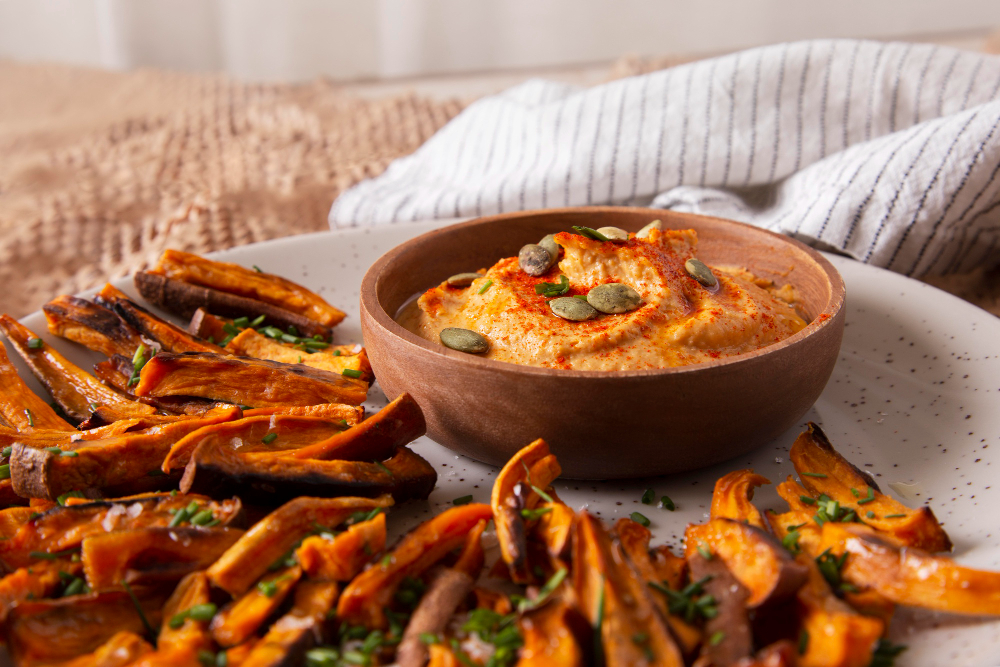
Traditional foods often reveal how communities transform simple, locally available ingredients into preparations with distinctive flavours and cultural significance. Sikil Pak, also written as Sikil P’aak, is a traditional Maya dip associated with the Yucatán Peninsula in southeastern Mexico. Made primarily from roasted pumpkin seeds and tomatoes, this savoury preparation demonstrates how roasting, grinding and combining plant-based ingredients can produce a rich, earthy and satisfying dish without requiring complicated techniques.
The defining ingredients of Sikil Pak are pumpkin seeds, tomatoes and seasonings that bring together nuttiness, acidity and gentle heat. The pumpkin seeds provide the dip with its characteristic roasted flavour and creamy texture, while tomatoes contribute moisture and a tangy sweetness. Depending on the recipe, ingredients such as onion, garlic, chilli and fresh herbs may be added to create additional layers of flavour. The final consistency can range from a coarse, rustic mixture to a smoother dip, depending on how the seeds are ground and how much liquid is incorporated.
Sikil Pak is particularly interesting because it highlights the culinary importance of pumpkin seeds, an ingredient that is sometimes overlooked in modern cooking. Instead of treating seeds as a minor garnish, this traditional preparation makes them the central component of the dish. Their natural oils help create a substantial texture, while roasting intensifies their aroma and enhances the overall flavour.
The dip also reflects the broader food heritage of Maya communities, whose culinary traditions have long incorporated ingredients such as maize, beans, squash, tomatoes and chillies. Exploring Sikil Pak offers an opportunity to understand the relationship between indigenous food knowledge, plant-based ingredients and traditional preparation methods. Its simplicity makes it suitable for contemporary vegetarian cooking while preserving a connection to the culinary heritage from which it emerged.
Understanding Sikil Pak and Its Maya Origins
Sikil Pak is associated with Maya culinary traditions in the Yucatán Peninsula, a region known for its distinctive ingredients, cooking techniques and deep indigenous history. The name is commonly interpreted through Maya language elements associated with pumpkin seeds and tomatoes, reflecting the two ingredients that form the foundation of the preparation. Spellings can vary in modern writing, with Sikil Pak and Sikil P’aak among the forms used to describe the dip.
The dish belongs to a wider culinary landscape in which plant foods have played a significant role for generations. Squash, pumpkin seeds, tomatoes, maize, beans and chillies are important ingredients in many traditional Mesoamerican foodways. These ingredients can be prepared in numerous ways, from simple roasted foods to sauces, pastes and accompaniments served alongside larger meals.
Sikil Pak illustrates the value of using the whole plant wherever practical. Pumpkin seeds, which might otherwise be discarded during the preparation of squash, can be dried, roasted and ground into a flavourful base. This approach reflects a practical understanding of ingredients and helps explain why seed-based sauces and pastes appear in a range of culinary traditions.
Although contemporary restaurants and home cooks may prepare Sikil Pak in different ways, its central combination of pumpkin seeds and tomatoes remains recognisable. Some versions emphasise a coarse texture and roasted aroma, while others produce a smoother dip with more pronounced tomato flavour. These differences demonstrate how a traditional preparation can adapt to household preferences without losing its basic identity.
It is important to recognise Sikil Pak as more than a fashionable dip. Its significance comes from its relationship to Maya food culture and the continued use of traditional ingredients. Modern vegetarian cooking can introduce the dish to new audiences, but its origins deserve to remain part of the story.
Pumpkin Seeds: The Heart of the Dish
Pumpkin seeds are the principal ingredient in Sikil Pak, determining much of its flavour, texture and nutritional character. They have a naturally earthy, nutty taste that becomes more pronounced when the seeds are roasted. Their oils also contribute to the dip’s creamy consistency, allowing the ground seeds to combine with tomatoes and seasonings into a cohesive preparation.
The seeds may be prepared from suitable squash varieties or purchased ready to use. Roasting is a particularly important stage. As the seeds heat, moisture decreases and their aromatic character develops. The resulting flavour is deeper and more complex than that of raw seeds. However, the seeds must be heated carefully because their natural oils can develop unpleasant burnt flavours if the temperature is too high or the roasting continues for too long.
Once roasted, the seeds can be ground to the desired consistency. A coarse grind creates a rustic dip with noticeable texture, while a finer grind produces a smoother, more uniform paste. Grinding also releases some of the seeds’ natural oils, helping bind the mixture together. This transformation is central to the preparation because it turns a dry ingredient into the foundation of a rich dip.
Pumpkin seeds therefore serve several functions at once. They provide the principal flavour, help determine the texture and contribute much of the dish’s nutritional value. Their versatility explains why they are useful not only in Sikil Pak but also in other sauces, spreads and plant-based preparations.
The Role of Tomatoes in Sikil Pak
Tomatoes balance the richness of roasted pumpkin seeds. Their acidity introduces brightness, while their natural sweetness softens the earthy flavour of the seeds. When cooked or roasted, tomatoes can also develop a deeper, slightly caramelised taste that blends well with the nutty base.
The way tomatoes are prepared affects the final character of the dip. Fresh tomatoes may create a lighter, more pronounced tomato flavour, while roasted tomatoes tend to produce a deeper and more concentrated taste. Cooking also softens their structure, making it easier to combine them with ground pumpkin seeds.
Tomatoes provide much of the moisture required to bring the dip together. Their quantity should be adjusted according to the texture of the ground seeds and the desired consistency. Too little tomato may leave the mixture dry and crumbly, while too much can make it thin and reduce the prominence of the roasted seed flavour.
The balance between pumpkin seeds and tomatoes is therefore one of the most important aspects of preparing Sikil Pak. The seeds should remain the defining ingredient, but the tomatoes need to provide enough acidity and moisture to create a cohesive dip. When the proportions are balanced, the resulting flavour is both earthy and fresh.
This interaction also demonstrates a broader principle in plant-based cooking. Ingredients with contrasting characteristics can create complexity without requiring numerous seasonings. The richness of the seeds and the brightness of the tomatoes work together to establish the dip’s distinctive taste.
Aromatic Ingredients and Traditional Seasoning
Although pumpkin seeds and tomatoes form the foundation of Sikil Pak, additional seasonings can deepen its flavour. Onion, garlic, chilli and fresh herbs are used in some preparations, with the exact combination varying according to the cook and the recipe. These ingredients should complement the central flavours rather than overwhelm them.
Onion can contribute sweetness and savoury depth, particularly when roasted or lightly cooked. Garlic introduces a pungent aroma that becomes milder and more rounded with heat. Chilli provides warmth, allowing the cook to adjust the intensity according to preference. Fresh herbs can introduce a green, fragrant note that contrasts with the roasted seeds.
Some recipes use lime juice or another suitable source of acidity to brighten the finished mixture. Because tomatoes already contribute acidity, additional sourness should be added gradually. The goal is to create a balanced dip in which the roasted seed flavour remains noticeable.
The choice of seasoning also affects the character of the final dish. A preparation with minimal seasoning allows the pumpkin seeds and tomatoes to remain at the forefront, while a more heavily seasoned version can produce a bolder result. Neither approach should automatically be treated as the only correct method, since household recipes and contemporary adaptations can differ.
Respecting the dish’s cultural roots means recognising its central ingredients and Maya associations while acknowledging that recipes may vary. Adding modern seasonings can create enjoyable interpretations, but those changes should not be confused with a universal traditional formula.
How Sikil Pak Is Prepared
Preparing Sikil Pak involves roasting the main ingredients, grinding the seeds and combining everything until the desired texture is achieved. Although the process is relatively simple, each stage affects the flavour and consistency of the finished dip.
The pumpkin seeds are first checked for unwanted material and prepared for roasting. They can be spread in a dry pan or placed on a suitable baking tray and heated until fragrant and lightly golden. Frequent movement during pan-roasting helps prevent uneven browning. The seeds should be removed from the heat as soon as their aroma develops and their colour begins to deepen.
The tomatoes can be roasted separately until their skins soften and their surfaces develop some colour. Depending on the recipe, onion, garlic or chilli may be roasted alongside them. The tomatoes are then incorporated gradually, followed by the selected seasonings.
This process shows how a small number of ingredients can produce a distinctive dish when their preparation is managed well. Roasting develops flavour, grinding releases natural oils and the tomatoes bind the mixture into a cohesive preparation.
The Science Behind Roasting and Grinding
The flavour of Sikil Pak is closely connected to the physical and chemical changes that occur during roasting. Pumpkin seeds contain proteins, fats and other compounds that contribute to their characteristic taste. Heating them changes their moisture content and encourages the development of roasted aromas.
As the seeds roast, reactions involving amino acids and reducing sugars can contribute to browning and the formation of complex flavour compounds. These reactions are influenced by temperature, moisture and cooking time. The objective is not to darken the seeds as much as possible but to develop a pleasant roasted aroma without burning them.
Grinding produces another important transformation. Whole seeds have a firm structure that does not easily blend with tomatoes. Breaking them into smaller particles increases the surface area and releases natural oils, allowing the ground seeds to form a thicker mixture. A finer grind generally produces a smoother texture, while a coarse grind preserves a more noticeable seed character.
Tomatoes contribute water, organic acids and flavour compounds that interact with the ground seeds. Their moisture hydrates the mixture, while their acidity creates contrast with the rich, nutty base. The final consistency depends on the relative quantities of seeds and tomatoes, as well as the particle size created during grinding.
These processes explain why Sikil Pak can vary so much despite using only a few core ingredients. Different roasting levels, grinding techniques and moisture ratios can produce a dip that ranges from chunky and rustic to smooth and creamy.
Nutritional Value of Pumpkin-Seed Dip
Pumpkin seeds are valued for their nutritional composition, which includes plant-based protein, unsaturated fats, fibre and minerals such as magnesium and zinc. Their exact nutrient content varies according to the variety, processing method and serving size. In Sikil Pak, they contribute much of the dip’s energy and help create its satisfying texture.
Tomatoes add moisture and provide nutrients such as vitamin C and carotenoids, including lycopene. The amount retained in the final dish depends on the tomato variety and the cooking method. Heating changes the availability of certain compounds, while prolonged or excessive cooking can affect some heat-sensitive nutrients.
Additional vegetables and herbs can broaden the dish’s nutritional profile. However, the final composition depends on the recipe, so Sikil Pak should not be assigned a fixed nutritional value without measured ingredient quantities and portion sizes.
The amount of salt and oil used during preparation also matters. Pumpkin seeds naturally contain fat, meaning additional oil may not be necessary for the dip itself. Roasting the seeds without excess oil allows their own flavour and texture to remain prominent. Salt can be added gradually to avoid overpowering the roasted seed and tomato flavours.
Sikil Pak can be included in a varied vegetarian diet as a dip or accompaniment. Its nutritional contribution depends on what it is served with and how much is consumed. Pairing it with vegetables or other suitable foods can create a varied snack or meal, while portion size remains relevant because pumpkin seeds are energy-dense.
How to Serve Sikil Pak in Vegetarian Meals
Sikil Pak is versatile because its thick consistency and strong flavour allow it to work as a dip, spread or accompaniment. It can be served with crisp vegetables such as cucumber, carrots, radishes or sweet peppers. These vegetables provide freshness and crunch, contrasting with the creamy texture of the ground pumpkin seeds.
The dip can also accompany maize-based foods, including suitable tortillas or other traditional-style flatbreads. The combination reflects the wider importance of maize in Mesoamerican food traditions. When served with warm flatbread, the earthy flavour of the pumpkin seeds becomes particularly noticeable, while the tomatoes provide a bright counterpoint.
For a contemporary vegetarian meal, Sikil Pak can be spread onto sandwiches or wraps with grilled vegetables and leafy greens. It can also be used as a flavourful accompaniment to roasted potatoes, steamed vegetables or grain bowls. These combinations are modern serving suggestions rather than claims that every option belongs to a traditional Maya meal.
The serving temperature can influence its texture and aroma. A simple presentation is often sufficient. The colour of the tomatoes, the texture of the seeds and a modest amount of fresh herbs can make the dish visually appealing without requiring elaborate decoration.
Sikil Pak and Sustainable Ingredient Use
Pumpkin seeds demonstrate how a commonly overlooked ingredient can become the centre of a valuable culinary preparation. When pumpkins or other suitable squash are used in cooking, their seeds can often be separated, cleaned, dried and roasted rather than discarded. This approach makes practical use of more of the ingredient and can help reduce kitchen waste.
The usefulness of seeds extends beyond Sikil Pak. They can be incorporated into breads, salads, granola, sauces and other plant-based preparations. However, their use depends on appropriate cleaning, drying and storage. Seeds that retain too much moisture or are stored in unsuitable conditions may deteriorate.
Tomatoes also offer flexibility because they can be used fresh or roasted according to their ripeness and the desired flavour. Riper tomatoes may provide greater sweetness and moisture, while roasting can concentrate their taste. Selecting good-quality ingredients helps improve the final dish without requiring complicated preparation.
Sikil Pak illustrates a broader principle of traditional cooking: culinary creativity does not always depend on rare or expensive ingredients. It can emerge from understanding the flavour, texture and potential of familiar plant foods. This principle remains relevant to contemporary vegetarian cooking, where people increasingly explore ways to use ingredients more thoughtfully.
At the same time, the dish’s connection to Maya food traditions should remain central when discussing its history. Sustainable cooking is one way to appreciate its ingredients, but it does not replace the cultural knowledge and historical context that make Sikil Pak distinctive.
Preserving Maya Culinary Heritage
Traditional dishes carry knowledge about ingredients, preparation techniques and the communities that have maintained them. Sikil Pak is an example of how pumpkin seeds and tomatoes can be combined into a preparation that is simple in structure but rich in culinary character.
Its continued presence in Yucatecan food culture provides a link between indigenous ingredients and contemporary cooking. The dip can be prepared in traditional settings, adapted for modern kitchens or introduced to new audiences through restaurants and food writing. These different contexts allow the dish to remain relevant while retaining a recognisable connection to its origins.
Accurate descriptions are important when traditional foods become popular beyond their original communities. Sikil Pak should be identified with Maya culinary traditions of the Yucatán Peninsula rather than treated as an anonymous modern dip. Its central ingredients and preparation methods deserve recognition as part of a broader indigenous food heritage.
Contemporary versions may vary in seasoning, texture and serving style. Such variation is a normal feature of living food traditions, but it is useful to distinguish established regional practices from recent adaptations. This helps readers understand both the history of the dish and the ways it can be enjoyed today.
By exploring Sikil Pak, cooks can appreciate the importance of plant-based ingredients in traditional food cultures and learn how roasting, grinding and balancing flavours can transform simple ingredients into a memorable preparation.
Conclusion
Roasting develops the seeds’ aroma, grinding releases their natural oils and tomatoes provide moisture and brightness. Seasonings such as onion, garlic, chilli and herbs can be used according to the recipe, allowing the dip to range from mild and earthy to more pronounced and spicy.
Its versatility makes Sikil Pak suitable for a variety of vegetarian meals, from a simple dip served with vegetables to a spread accompanying maize-based foods or contemporary vegetable dishes. Pumpkin seeds also contribute plant-based protein, unsaturated fats and minerals, while tomatoes add moisture and a range of nutrients.
Beyond its flavour and nutritional qualities, Sikil Pak offers an opportunity to appreciate the culinary heritage of Maya communities. Its continued use demonstrates how traditional knowledge can preserve the value of familiar ingredients and inspire contemporary cooking. By understanding its origins and preparation, cooks can enjoy Sikil Pak as both a distinctive vegetarian dish and an expression of the rich food traditions of the Yucatán Peninsula.
Online Internship with Certificate
You may be interested
Tinutuan: Indonesian Rice Porridge Celebrating Vegetables
Anshika Jain - October 22, 2026Across Indonesia, traditional food reflects the diversity of local agriculture, community customs and everyday eating habits. Among the distinctive dishes of North Sulawesi is Tinutuan, a savoury…
Khorisa-Based Preparations: Fermented Bamboo Shoots
Anshika Jain - October 22, 2026Northeast India is home to a remarkable variety of traditional foods shaped by local agriculture, seasonal ingredients and generations of culinary knowledge. Among the region’s distinctive ingredients…
Jadoh: Khasi Rice Dish That Reflects the Culinary Heritage of Meghalaya
Anshika Jain - October 22, 2026Meghalaya, known for its green hills, mist-covered landscapes and rich cultural traditions, has a distinctive culinary heritage shaped by local ingredients, agricultural practices and community knowledge. Among…
Most from this category
Anishi Curry: How Fermented Leaf Cakes Create a Distinctive Flavour in Naga Cuisine
Anshika Jain - October 22, 2026
Mammi: The Dark Finnish Easter Dessert Shaped by Rye, Malt and Slow Cooking
Anshika Jain - October 22, 2026
Su Filindeu: Sardinia’s Delicate Pasta Made by Repeatedly Stretching Dough
Anshika Jain - October 21, 2026Anishi Curry: How Fermented Leaf Cakes Create a Distinctive Flavour in Naga Cuisine
Anshika Jain - October 22, 2026Mammi: The Dark Finnish Easter Dessert Shaped by Rye, Malt and Slow Cooking
Anshika Jain - October 22, 2026Papeda: Translucent, Elastic Sago Porridge of Eastern Indonesia
Anshika Jain - October 21, 2026
Tinutuan: Indonesian Rice Porridge Celebrating Vegetables
October 22, 2026

Leave a Comment