

Tinginys: Lithuania’s No-Bake Biscuit Dessert with a Distinctive Chocolate Mosaic

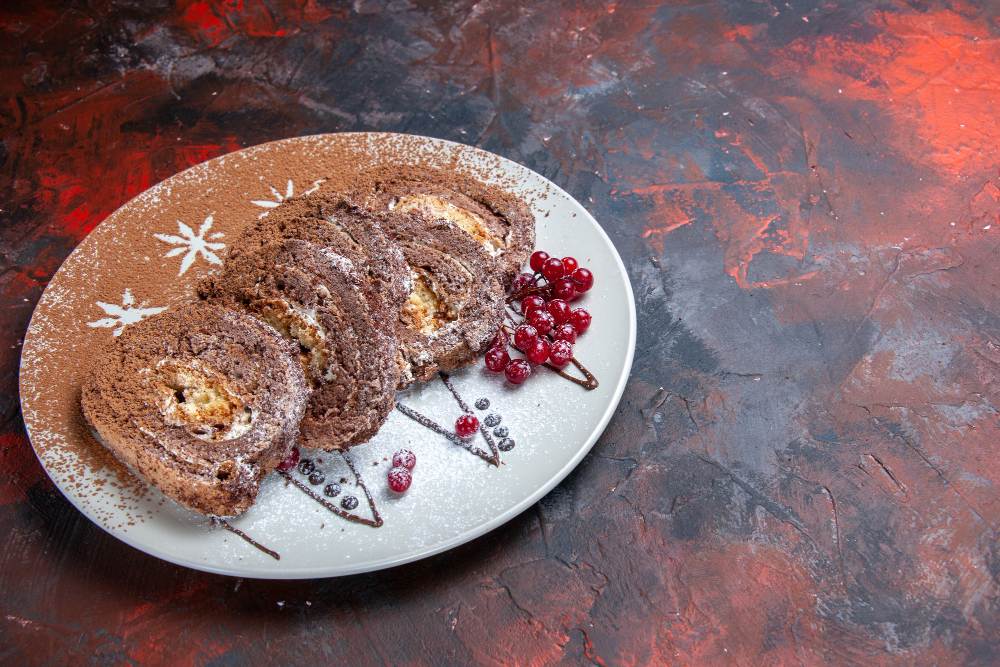
Tinginys is a traditional Lithuanian no-bake dessert known for its rich cocoa flavour, sweet biscuit pieces, and distinctive mosaic-like appearance. Made by combining broken biscuits with a chocolate-based mixture and allowing the preparation to set until firm, this dessert transforms simple pantry ingredients into an attractive and satisfying sweet. Unlike conventional cakes that require baking, Tinginys relies on chilling and setting to develop its texture, making it a practical choice for home cooks and dessert enthusiasts who prefer uncomplicated preparation.
One of the most recognisable features of Tinginys appears when the dessert is sliced. The dark cocoa mixture surrounds irregular pieces of pale biscuits, creating a contrasting pattern that resembles a mosaic. Every slice looks slightly different because the biscuit fragments vary in size and position. This natural variation makes Tinginys particularly appealing for food photography, dessert displays, and contemporary presentations of traditional European sweets.
The dessert is also an example of how culinary creativity can emerge from modest ingredients. Biscuits provide structure and a pleasant crunch, while the cocoa mixture adds sweetness, richness, and cohesion. Once chilled, the mixture becomes firm enough to slice but remains tender enough to offer a satisfying contrast between the chocolate coating and the biscuit pieces.
Although Tinginys is relatively simple to prepare, its appeal extends beyond convenience. It reflects a familiar tradition of homemade desserts in which everyday ingredients are combined to create something memorable. Its adaptable recipe, recognisable appearance, and rich flavour have helped it remain a popular part of Lithuanian dessert culture.
What Is Tinginys?
Tinginys is a Lithuanian chocolate-and-biscuit dessert that is typically prepared without an oven. Its name is commonly translated as “lazy” or “lazybones,” a playful reference to the dessert’s straightforward preparation. Rather than requiring the careful mixing, baking, and decorating associated with many cakes, Tinginys is assembled by combining crushed or broken biscuits with a cocoa mixture, shaping the preparation, and refrigerating it until set.
The traditional preparation commonly includes plain tea biscuits or similar dry biscuits, cocoa powder, butter, sugar, and sweetened condensed milk. Recipes vary between households, and some versions use different proportions or additional ingredients to create a softer, firmer, sweeter, or more intensely chocolate-flavoured result. The biscuits are generally broken into pieces rather than reduced entirely to crumbs, because the larger fragments create the dessert’s characteristic appearance and texture.
Tinginys is often shaped into a log or compact loaf before chilling. When cut into slices, it reveals a pattern of biscuit fragments suspended in the darker chocolate mixture. The contrast between the two components is central to its identity, giving the dessert a visual character that distinguishes it from smooth chocolate fudge, brownies, or conventional layered cakes.
Its simplicity should not be mistaken for a lack of culinary interest. The quality of the biscuits, the consistency of the chocolate mixture, the size of the fragments, and the chilling process all influence the final result. A well-made Tinginys balances sweetness, cocoa richness, and a pleasant biscuit texture without becoming excessively hard or crumbly.
The History and Cultural Significance of Tinginys
Tinginys is closely associated with modern Lithuanian home cooking, where simple ingredients and practical preparation methods have helped shape everyday dessert traditions. It became popular as a homemade sweet that could be prepared without specialised equipment or the time required for conventional baking. Its accessibility made it suitable for family gatherings, celebrations, and occasions when a quick chocolate dessert was desired.
The precise origin of Tinginys is not fully established. One popular account suggests that the dessert emerged accidentally when a chocolate mixture became too thin and broken biscuits were added to give it structure. Although this story is frequently repeated, it is best understood as a culinary anecdote rather than a definitively documented account of the dessert’s invention. What is clearer is that Tinginys became a familiar part of Lithuanian food culture because its ingredients were relatively straightforward and its preparation adaptable.
The dessert also reflects a wider tradition found across Europe, where biscuits, chocolate, butter, and other readily available ingredients are combined into sweets that set without baking. Italy’s chocolate salami and Portugal’s chocolate salami dessert share a similar principle, although their recipes and cultural associations differ. These comparisons show how different culinary traditions can develop related methods while retaining distinctive local identities.
Tinginys also demonstrates that a traditional dessert does not need elaborate decoration or expensive ingredients to become memorable. Its identity comes from a recognisable combination of flavour, texture, convenience, and presentation. That balance helps explain why it remains appealing to home cooks and why it can be adapted for contemporary cafés and dessert displays.
The Main Ingredients That Define Tinginys
Biscuits: The Foundation of the Mosaic
Plain dry biscuits provide the structure of Tinginys. Their purpose is not simply to add crunch but also to create the distinctive pattern visible when the dessert is sliced. Tea biscuits, digestive biscuits, and comparable dry varieties can work, although their sweetness, fat content, and ability to absorb moisture will influence the final texture.
The biscuits should generally be broken by hand into uneven pieces rather than ground into fine crumbs. Larger fragments remain visible in the finished dessert, while smaller crumbs help fill the gaps and bind the mixture together. If all the biscuits are crushed too finely, the result may resemble dense chocolate fudge instead of the characteristic mosaic-style cake.
Cocoa, Chocolate, and the Binding Mixture
Cocoa powder provides the deep colour and characteristic chocolate flavour of many traditional preparations. Butter adds richness and helps the mixture firm up when chilled, while sweetened condensed milk contributes sweetness, moisture, and a thick consistency. Some recipes also include melted chocolate, creating a more intense flavour and a slightly different texture.
The balance between the wet mixture and the biscuits is essential. Too much liquid can leave the dessert soft and difficult to slice, whereas too little may prevent the biscuit pieces from binding together. The mixture should coat the fragments thoroughly without turning them into a uniform paste.
A small amount of vanilla or a pinch of salt can help balance the sweetness and deepen the chocolate flavour. Nuts or dried fruit may be added for extra texture, but these ingredients are optional rather than essential to the dessert’s identity. The traditional appeal of Tinginys lies in the contrast between the cocoa mixture and the visible biscuit pieces.
How Tinginys Is Prepared Without Baking
The preparation of Tinginys begins by breaking the biscuits into irregular fragments and placing them in a large mixing bowl. The pieces should vary in size, with enough larger sections to create a striking cross-section and enough smaller crumbs to fill spaces between them. Preparing the biscuits first helps ensure that the chocolate mixture can be combined with them while it is still workable.
The binding mixture is prepared by gently warming the butter with the sweetened condensed milk and cocoa powder. If the recipe includes chocolate, it can be melted into the mixture until the ingredients form a smooth, even consistency. Gentle heat is preferable because excessive heating may cause the mixture to thicken too much or affect its texture. Once combined, the mixture can be allowed to cool slightly before it is poured over the biscuits.
Refrigeration allows the butter and chocolate mixture to firm up, helping the loaf hold its shape when sliced. Several hours of chilling are commonly required, while an overnight rest may produce a firmer and more consistent result, depending on the recipe and mould size. Official tourism material from Vilnius also presents Tinginys as a straightforward dessert prepared by combining broken biscuits with a cocoa mixture and refrigerating the shaped loaf until firm.
The finished dessert should be firm enough to cut cleanly without crumbling excessively. A sharp knife warmed briefly in hot water and wiped dry can help produce smoother slices. This small finishing detail is especially useful when the dessert is being photographed or presented on a serving platter.
Why Tinginys Creates a Distinctive Mosaic Effect
The most visually appealing characteristic of Tinginys is its irregular cross-section. Unlike sponge cakes, which reveal a relatively uniform crumb, or layered desserts, which display organised bands, Tinginys contains biscuit fragments distributed throughout a dark chocolate matrix. Each slice presents a different arrangement of shapes, edges, and contrasting colours.
This mosaic effect is created naturally by the preparation method. The biscuit pieces retain their basic structure while the surrounding mixture sets around them. Larger fragments create bold pale shapes, while smaller pieces produce finer details. The dark cocoa background provides contrast, making the pattern visible even when the dessert is photographed from a short distance.
The pattern also communicates something about the dessert’s texture. Clearly defined biscuit pieces suggest that the dessert has retained its structure rather than becoming overly soft. A balanced cross-section shows that the chocolate mixture has bound the fragments together without completely covering their individual characteristics.
For food photographers, this makes Tinginys particularly interesting because no two slices need to look exactly alike. A single loaf can produce a variety of patterns, allowing close-up photographs to highlight different arrangements. Natural light can emphasise the difference between the matte biscuit surfaces and the smoother chocolate mixture, while a clean background helps the dessert remain the main subject.
Presentation should complement rather than obscure the dessert’s natural appearance. A simple ceramic plate, wooden serving board, or neutral background can provide an effective contrast to the rich brown colour. Thin slices may emphasise the intricate pattern, while thicker pieces reveal the dessert’s dense, substantial texture. A light dusting of cocoa or a small amount of grated dark chocolate can add visual interest without hiding the mosaic.
Modern Variations of the Traditional Dessert
Although the classic version relies on biscuits, cocoa, butter, and condensed milk, Tinginys can accommodate a range of flavour variations. Some preparations incorporate chopped hazelnuts or walnuts, which add a firmer crunch and a deeper nutty flavour. Raisins, dried cranberries, or other dried fruits introduce sweetness and colour, creating a different visual effect within the chocolate mixture.
Dark chocolate can be added for a more intense cocoa profile, particularly when the biscuits and condensed milk make the traditional preparation very sweet. A small amount of espresso may also deepen the chocolate flavour, although it should be incorporated carefully so that excess liquid does not interfere with setting. Vanilla, cinnamon, and other compatible flavourings can create subtle variations without changing the dessert’s essential structure.
Contemporary presentations may include a chocolate coating, a thin layer of ganache, or decorative toppings. These additions can make the dessert suitable for cafés, dessert counters, or celebration tables, but the internal biscuit pattern should remain visible if the goal is to preserve its recognisable appearance. A thick coating that dominates the slice may reduce the visual impact of the mosaic.
Dietary adaptations are also possible. Plant-based butter alternatives and suitable dairy-free condensed milk products can be used to develop a vegan-style version. Provided the biscuits and other ingredients are also free from animal-derived components. Gluten-free biscuits may be used for a gluten-free variation. Although ingredient labels and cross-contamination precautions matter for people with coeliac disease or serious gluten sensitivity. These adaptations can change the flavour and setting properties, so the quantities may need adjustment.
Taste, Texture, and Serving Suggestions
Tinginys is generally rich, sweet, and chocolate-forward, with a texture that combines the firmness of a chilled confection with the contrasting bite of biscuit pieces. The exact experience depends on the recipe. Some versions are dense and fudgy, while others retain more crunch from the biscuits. The best result balances the chocolate mixture’s richness with enough biscuit structure to prevent the dessert from becoming overwhelmingly soft.
Because it is relatively rich, Tinginys is often served in modest slices. Coffee or tea provides a pleasant contrast to its sweetness, making the dessert suitable for an afternoon break or the end of a meal. Fresh berries can offer a brighter flavour alongside the chocolate, while unsweetened coffee allows the cocoa notes to remain prominent.
The dessert can be served directly from the refrigerator. Although allowing it to stand briefly at room temperature may soften the texture slightly. It should not be left unrefrigerated for extended periods because common recipes contain dairy ingredients. Storage time depends on the ingredients, preparation hygiene, and refrigerator temperature. A covered container helps protect the dessert from absorbing other food odours and drying out.
Nutritional Considerations
Tinginys is an indulgent dessert rather than a low-sugar or low-fat food. Sweetened condensed milk and biscuits contribute carbohydrates and sugars, while butter and chocolate contribute fat and energy. The nutritional profile varies significantly with the ingredients, recipe proportions, and portion size, so a single calorie estimate should not be assumed to apply to every version.
Portion size is an important consideration because the dessert is dense and rich. Serving smaller slices can allow people to enjoy its flavour without making the dessert the main source of energy in a meal. Those who need to monitor sugar intake or avoid particular allergens should review. The ingredient labels and adapt the recipe according to their dietary requirements.
The inclusion of nuts or dried fruit can change the nutritional profile. But it does not automatically make the dessert nutritionally balanced. Similarly, replacing sugar-rich ingredients with alternatives may change the taste and texture without necessarily making the final product suitable for every dietary need. Tinginys is best understood as a traditional sweet intended to be enjoyed in moderation.
Conclusion
Tinginys demonstrates how a few everyday ingredients can create a dessert with a distinctive appearance and a strong cultural identity. Its combination of broken biscuits and a cocoa-based mixture produces a firm, sliceable sweet without the need for conventional baking. The irregular mosaic revealed by each slice gives the dessert its visual character, while its rich chocolate flavour and uncomplicated preparation help explain its lasting appeal in Lithuania.
Its adaptability also makes Tinginys relevant to contemporary food culture. From traditional homemade loaves to modern café presentations. The dessert can accommodate different flavours and dietary adaptations while retaining its central structure. For food photography, the contrast between pale biscuit fragments and dark chocolate. Creates a naturally compelling composition that requires little decoration.
Ultimately, Tinginys is more than a convenient no-bake dessert. It is an example of how simplicity, texture, and visual contrast can turn familiar ingredients into a recognisable culinary tradition. Whether served with coffee, shared at a family gathering, or presented as part of a dessert collection. It remains an appealing illustration of Lithuanian home-style confectionery.
Online Internship with Certificate
You may be interested
Taro Leaf Rolls: Leaf Structure and Safe Cooking Influence a Wrapped Vegetable Dish
Anshika Jain - October 26, 2026Taro leaf rolls demonstrate how a simple leafy vegetable can become the foundation of a distinctive and satisfying dish. Found in different forms across tropical regions, taro…
Acorn Jelly: Korean Dotorimuk and the Science of Starch
Anshika Jain - October 26, 2026Acorn jelly is a distinctive food made by transforming the seeds of oak trees into a smooth, firm, sliceable preparation. Best known in Korea as dotori-muk or…
Kabak Tatlisi: Turkish Pumpkin Dessert with a Glossy, Syrupy Finish
Anshika Jain - October 26, 2026Kabak Tatlısı is a traditional Turkish dessert that transforms an everyday autumn vegetable into a glossy, syrup-coated sweet through a remarkably simple cooking process. Prepared by slowly…
Most from this category
Moustalevria: Traditional Greek Grape-Must Pudding with Natural Sweetness
Anshika Jain - October 26, 2026
Kisiel: Traditional Fruit Dessert That Reveals the Science of Starch Thickening
Anshika Jain - October 26, 2026
Moustalevria: Traditional Greek Grape-Must Pudding with Natural Sweetness
Anshika Jain - October 26, 2026Kisiel: Traditional Fruit Dessert That Reveals the Science of Starch Thickening
Anshika Jain - October 26, 2026

Leave a Comment