

Taro Leaf Rolls: Leaf Structure and Safe Cooking Influence a Wrapped Vegetable Dish

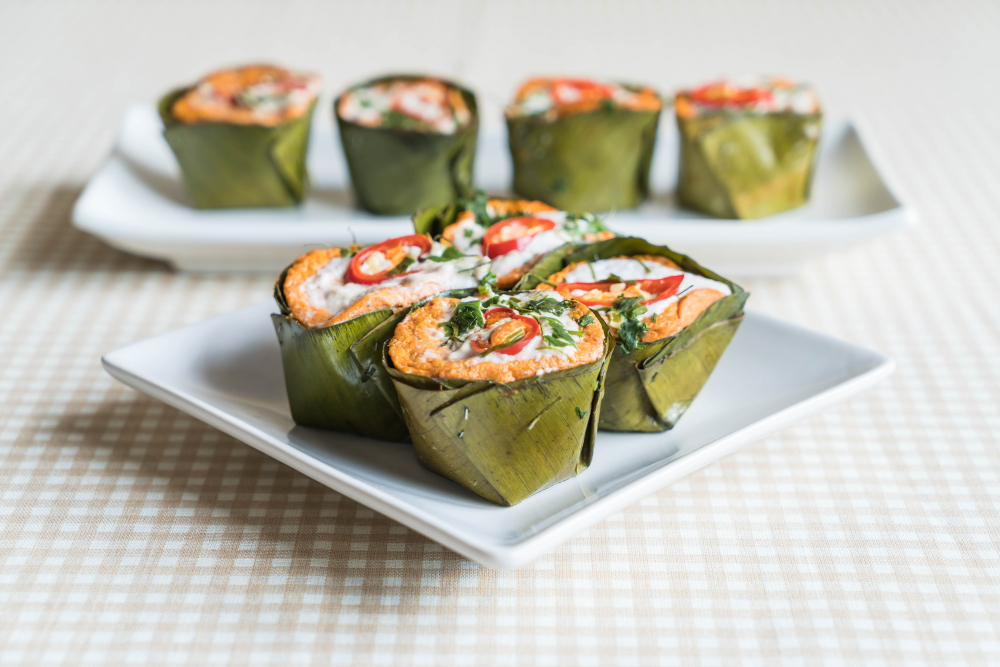
Taro leaf rolls demonstrate how a simple leafy vegetable can become the foundation of a distinctive and satisfying dish. Found in different forms across tropical regions, taro leaves are used to wrap vegetable fillings, grains, coconut-based mixtures and other ingredients before the parcels are cooked. The finished dish can be soft, aromatic and rich in flavour, with the leaf serving as both a protective covering and an edible part of the meal. Although the basic idea resembles stuffed cabbage, grape-leaf rolls or steamed dumplings, taro leaf rolls have their own culinary identity because of the plant’s structure, the texture of its leaves and the special preparation required to make them safe to eat.
The appeal of taro leaf rolls extends beyond their taste. They offer an interesting example of how food traditions often depend on an understanding of plant biology developed through experience.
Taro leaves are not ordinary wrapping material. The plant contains naturally occurring calcium oxalate crystals that can irritate the mouth and throat when the leaves are eaten raw or inadequately prepared. For this reason, the culinary technique must combine careful ingredient identification with appropriate cooking. Understanding these factors helps explain why taro leaf rolls are more than a creative way to serve vegetables: they are a practical meeting point between traditional knowledge, plant anatomy and food science.
Understanding Taro Leaves and Their Culinary Importance
Taro leaf rolls are not a single standardised recipe. Their fillings and cooking methods vary according to regional food traditions, ingredient availability and household preferences. Some preparations use coconut milk, onions, aromatics and vegetables, while others incorporate fish, meat or starchy ingredients. In Pacific Island cooking, taro leaves are especially associated with dishes in which leaves are cooked with coconut cream or other flavourful ingredients. In other culinary settings, the same broad-leaf wrapping principle may be adapted to create vegetable-centred parcels.
This variation is important because the leaf is not simply a decorative container. It contributes its own earthy, vegetal flavour and changes in texture as it cooks. The filling also influences the result: a moist mixture may help prevent dryness, while a dense or tightly packed filling may require a longer cooking time. The success of the dish depends on balancing the properties of the leaf with the needs of the ingredients inside it.
The Science of Leaf Structure: Why Taro Leaves Can Hold a Filling
A Broad Surface That Supports Wrapping
The first advantage of a taro leaf is its size. Its broad blade provides a continuous surface that can cover a filling with fewer seams than would be required when using smaller leaves. This makes it possible to create compact parcels without adding a separate wrapper. The leaf’s shape also gives the cook room to position the filling near the centre and fold the surrounding edges around it.
However, a large leaf is not automatically a strong leaf. Its ability to hold a filling depends on the condition of the tissue and the way it is handled. Damaged, dried or overly mature leaves may split more readily, especially near the central vein or along existing tears. Selecting fresh leaves with an intact surface therefore improves both the wrapping process and the appearance of the cooked dish.
Veins, Midribs and Mechanical Strength
The visible veins of a leaf form a branching network that distributes water and nutrients through its tissues. The midrib, which runs through the centre of the leaf blade, is generally thicker than the smaller veins and can make the central area more resistant to bending. This network helps support the leaf’s broad surface, but it also means that different sections of the leaf may fold differently.
When preparing a roll, the central rib can be more rigid than the surrounding blade. If a cook attempts to fold a firm leaf tightly around a bulky filling, the central area may resist the movement and split. Gentle handling and suitable preparation help reduce this problem. Depending on the recipe and the condition of the leaf, the thickest portion may need to be softened or carefully trimmed, provided this does not compromise the leaf’s ability to hold the parcel together.
The smaller veins are also relevant because they help maintain the structure of the blade. Once heated, the leaf’s tissues soften and become easier to fold, but the extent of softening varies with thickness, maturity and cooking conditions. A successful roll uses the leaf’s natural structure rather than forcing it into a shape it cannot comfortably hold.
Moisture, Flexibility and Heat
Fresh leaves contain substantial water, which contributes to their pliability. As leaves lose moisture during storage, their tissues may become less flexible and more likely to crack. This is why fresh, properly stored leaves are generally preferable for wrapping. Washing removes soil and surface debris, but it does not restore the original structure of a badly wilted or damaged leaf.
Heat changes the leaf’s texture by softening its tissues. As cooking progresses, the leaf becomes more tender and conforms more closely to the filling. Moist cooking methods can be particularly useful because steam or surrounding liquid helps prevent the outer surface from drying out too quickly. Nevertheless, the leaf must not be treated as a substitute for a reliable cooking process. A parcel that looks soft on the outside may still contain an inadequately cooked filling, so texture and appearance alone cannot establish that it is safe to eat.
Taro Leaf Rolls Across Food Traditions
Wrapping food in leaves is a widespread culinary practice. Some versions centre on coconut cream, while others may include onions, aromatics or additional ingredients according to local practice.
These dishes should not all be described as identical forms of a vegetable roll. In some preparations, the leaves enclose a filling; in others, they form a bundle or are layered around the ingredients before being cooked. Their shared principle is that the leaf becomes part of the food rather than being discarded after cooking. The leaf’s earthy flavour combines with the filling, while its structure helps keep the ingredients together.
The continued use of such techniques also reflects the value of practical culinary knowledge. Traditional cooks have developed ways to judge leaf maturity, fold parcels and choose cooking methods through repeated experience. Modern food science can explain some of the physical and chemical processes involved, but local knowledge remains important because different varieties, recipes and cooking environments may produce different results.
Calcium Oxalate: The Most Important Food-Safety Consideration
The most critical issue in preparing taro leaf rolls is the presence of naturally occurring calcium oxalate crystals. In many taro varieties, these microscopic, needle-shaped structures, known as raphides, are found in plant tissues. When raw or inadequately prepared leaves are chewed, the crystals can irritate the mouth and throat, producing a stinging, burning or prickling sensation. The severity of the reaction depends on the plant and the exposure, but discomfort should never be treated as a normal characteristic of the finished dish.
This makes taro different from many leafy vegetables that can be eaten raw. A taro leaf may look fresh and clean yet still contain compounds and crystal structures that require appropriate preparation. Likewise, briefly warming a leaf merely to make it flexible is not an adequate cooking method.
An important distinction must be made between a recognised edible taro variety and a wild plant that resembles taro. Some wild or incorrectly identified aroid plants can contain much higher concentrations of irritating crystals. Food-safety authorities warn that such plants should never be collected and eaten based on appearance alone, because ordinary soaking or cooking may not make them safe. Taro leaves for cooking should come from a reliable food supplier and be identified as an edible variety.
How Proper Cooking Reduces Risk
For recognised edible taro leaves, suitable preparation and thorough cooking are essential. Traditional approaches may involve boiling, soaking, draining and then continuing to cook the leaves as part of the recipe. Research into edible taro leaves has found that soaking and cooking can reduce some soluble oxalates, although the amount removed depends on the processing conditions. Discarding the water used for boiling can help remove some of the soluble material that has moved from the leaves into the liquid.
These findings do not mean that any cooking method will guarantee safety. For this reason, a taro leaf roll should not be served when the leaves have been cooked only briefly or when the preparation method is uncertain. If the dish causes unusual burning, tingling, swelling or pain in the mouth or throat, stop eating it and seek medical advice promptly. Breathing or swallowing difficulties require emergency assistance.
Preparing Taro Leaves for Rolling
Selecting and Cleaning the Leaves
Good preparation begins with selecting intact leaves that are suitable for the intended recipe. Freshness matters because flexible leaves are easier to fold without tearing, while damaged surfaces can allow filling to escape during cooking. The leaves should be checked for rot, extensive damage and signs of contamination. Their identity as an edible taro variety must be established before preparation begins.
Wash the leaves thoroughly under clean running water, handling them carefully so that their surfaces are not damaged unnecessarily. Cleaning is a hygiene step rather than a substitute for cooking. Raw leaves should not be tasted to test their suitability, and cooks should avoid using unknown garden plants or wild specimens as wrappers.
Softening Without Losing Structural Strength
A leaf that is too stiff may split when folded, but a leaf that has become excessively fragile may fail to contain the filling. Preparation therefore requires a balance between flexibility and strength. Depending on the established recipe, leaves may be softened through an initial cooking stage before the filling is added. The method should be appropriate for the variety and should not stop at the point where the leaf merely becomes pliable.
The central vein may require particular attention because it is thicker than the surrounding tissue. In some recipes, it can be gently flattened or trimmed where appropriate, but removing too much of the structure can weaken the wrapper. The aim is to create a leaf that bends naturally around the filling while retaining enough strength to keep the parcel intact.
Choosing and Arranging the Filling
The filling should complement the flavour and cooking requirements of the leaves. Chopped vegetables, onions, garlic, herbs, spices, cooked grains and coconut-based mixtures can provide contrasting flavours and textures. Coconut cream is especially associated with several Pacific Island preparations, where it adds richness and moisture. The size and moisture content of the filling affect the finished roll. An oversized portion puts pressure on the leaf and makes the parcel difficult to close.
How Wrapping Influences Heat and Moisture
Wrapping changes the way heat reaches the food. The leaf creates a layer between the filling and the cooking environment, influencing how moisture moves and how directly the ingredients are exposed to heat. During steaming or simmering, moisture around the parcel helps prevent the outer leaf from drying rapidly. The filling releases and absorbs moisture as it cooks, and the enclosed environment can help flavours mingle.
However, the wrapper also creates a practical challenge. A tightly folded parcel may heat differently from an open layer of leaves, particularly when the filling is dense or the rolls vary in size. A thick central portion may take longer to heat than the thin outer leaf. For this reason, a cook should not assume that a soft wrapper proves that the centre is fully cooked.
Uniformity is helpful. Rolls of similar size are easier to cook consistently, and placing them in a suitable cooking vessel helps maintain steady heat. The cooking time and temperature must follow a tested recipe for the ingredients being used. If the filling includes meat or seafood, its own safe-cooking requirements must also be met. A vegetable-only filling still requires the taro leaves to be properly prepared and cooked.
Steaming, Simmering and Coconut-Based Cooking
Different cooking methods produce different textures and flavours. Steaming can soften the leaves while limiting direct contact with a large volume of water. Simmering allows the rolls to cook in liquid, which may become part of a sauce or broth. Baking can develop a different surface texture and concentrate flavours as moisture evaporates, but it should not be assumed to provide the same oxalate reduction as boiling followed by draining. Research on taro leaves indicates that boiling can reduce soluble oxalates more effectively than baking under the studied conditions.
Coconut-based cooking is particularly interesting because it contributes both flavour and texture. Coconut cream adds fat and richness, helping create a smooth, substantial sauce that contrasts with the earthy taste of the leaf. As the dish cooks, the sauce may thicken and coat the rolls. The order of preparation matters. Following the complete method helps preserve the intended texture while addressing the specific safety requirements of the leaves.
Nutritional Value and the Role of the Filling
Taro leaves contain nutrients that can contribute to a varied diet. Research reviews describe them as sources of dietary fibre, protein and micronutrients, alongside naturally occurring plant compounds. Their nutritional contribution depends on the variety, growing conditions, portion size and cooking method. The presence of oxalates and other antinutritional compounds also means that nutritional value must be considered alongside appropriate processing.
The filling can substantially change the nutritional profile of taro leaf rolls. A vegetable-based mixture may contribute additional fibre and a range of micronutrients, while beans or other legumes can add protein. Coconut cream increases the dish’s fat content and energy density, whereas a filling based on cooked grains can make the meal more substantial. Consequently, there is no single nutritional profile that applies to every version of taro leaf rolls.
It is also important not to confuse traditional food value with claims of medical benefit. The appropriate advice depends on individual circumstances, and cooking does not necessarily remove all oxalates.
Common Preparation Mistakes and Their Effects
One frequent mistake is choosing leaves based only on their size or appearance. Large leaves may seem ideal for wrapping, but an unidentified taro-like plant can pose a serious risk. Reliable sourcing and correct identification must come before convenience or presentation.
Another mistake is treating washing as the main safety step. Washing is necessary for cleanliness, but it cannot replace the established preparation and cooking method required for edible taro leaves. Similarly, softening leaves just enough to fold them does not mean that they have been adequately cooked. The leaves and the filling must both receive the cooking treatment required by the recipe.
Poor wrapping technique can also affect quality. Overfilling creates tension along the veins and edges, increasing the chance that a roll will split. Uneven parcels may cook inconsistently, and a filling that releases excessive liquid can make the final dish watery. A balanced portion, gentle folding and consistent roll size improve the likelihood of an attractive result.
Finally, cooks should avoid assuming that longer cooking will make every taro-like plant safe. The distinction between edible taro and dangerous lookalikes remains essential because some wild species contain levels of irritating crystals that normal cooking cannot reliably overcome. When the identity of a plant is uncertain, it should not be eaten.
Storage, Serving and Reducing Food Waste
Fresh taro leaves should be handled carefully and stored according to reliable produce-storage guidance until preparation. Leaves that have deteriorated, become slimy or developed signs of spoilage should not be used. Fresh herbs, aromatics and a suitable sauce can complement the earthy flavour without overwhelming the leaf itself.
The dish also illustrates how cooking can make use of plant parts that might otherwise be overlooked. When edible taro leaves are cultivated and sourced responsibly, using both the corm and leaves can expand the ways a crop contributes to a meal. However, sustainability should not be reduced to the idea that every wild leaf is available for harvesting. Correct plant identification, responsible cultivation and protection of local ecosystems remain important.
Conclusion
Taro leaf rolls show how a plant’s physical structure and chemical composition can shape an entire cooking technique. Their broad leaves provide a natural wrapper, the central veins influence how parcels fold, and moisture and heat transform the leaf into a tender part of the finished dish. The filling adds another layer of complexity by affecting flavour, moisture retention, cooking time and nutritional value.
Yet the defining lesson is that culinary creativity must work alongside food safety. Edible taro leaves require appropriate preparation and thorough cooking because naturally occurring calcium oxalate crystals can cause irritation when the leaves are inadequately prepared. Reliable sourcing is especially important because wild plants that resemble edible taro may not become safe through ordinary cooking.
Online Internship with Certificate
You may be interested
Acorn Jelly: Korean Dotorimuk and the Science of Starch
Anshika Jain - October 26, 2026Acorn jelly is a distinctive food made by transforming the seeds of oak trees into a smooth, firm, sliceable preparation. Best known in Korea as dotori-muk or…
Kabak Tatlisi: Turkish Pumpkin Dessert with a Glossy, Syrupy Finish
Anshika Jain - October 26, 2026Kabak Tatlısı is a traditional Turkish dessert that transforms an everyday autumn vegetable into a glossy, syrup-coated sweet through a remarkably simple cooking process. Prepared by slowly…
Moustalevria: Traditional Greek Grape-Must Pudding with Natural Sweetness
Anshika Jain - October 26, 2026Moustalevria is a traditional Greek dessert made primarily from grape must, the freshly pressed juice of grapes that contains their pulp, skins, and sometimes seeds before fermentation.…
Most from this category

Kisiel: Traditional Fruit Dessert That Reveals the Science of Starch Thickening
Anshika Jain - October 26, 2026
Tinginys: Lithuania’s No-Bake Biscuit Dessert with a Distinctive Chocolate Mosaic
Anshika Jain - October 26, 2026
Kisiel: Traditional Fruit Dessert That Reveals the Science of Starch Thickening
Anshika Jain - October 26, 2026Tinginys: Lithuania’s No-Bake Biscuit Dessert with a Distinctive Chocolate Mosaic
Anshika Jain - October 26, 2026




Leave a Comment