

Kisiel: Traditional Fruit Dessert That Reveals the Science of Starch Thickening

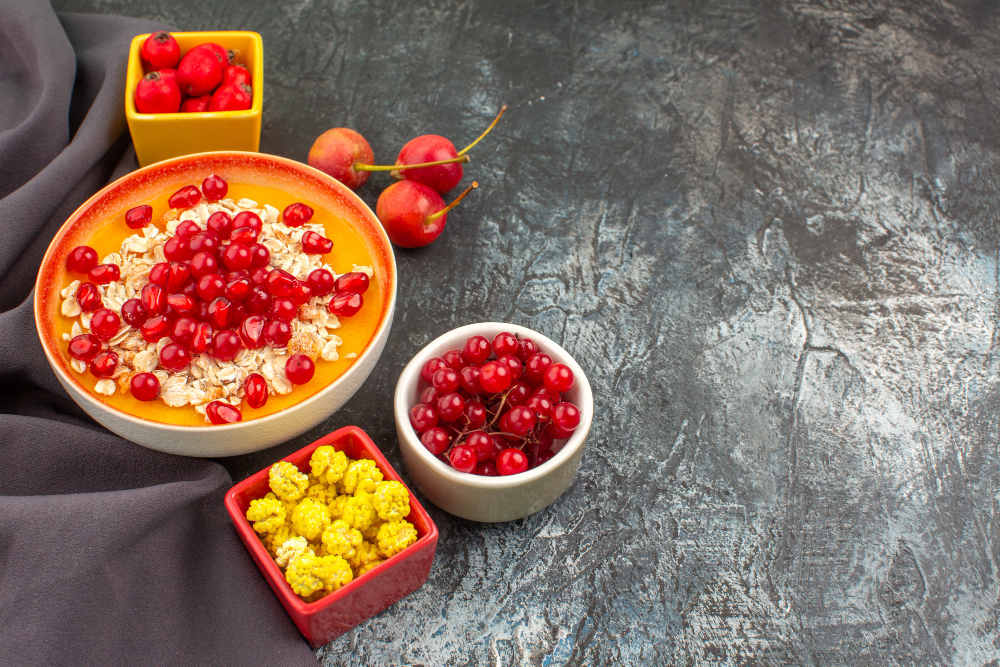
Kisiel is a traditional fruit-based dessert popular in Poland and several other parts of Central and Eastern Europe. Made by thickening fruit juice, fruit puree, or a fruit-based liquid with starch, it occupies an interesting position between a refreshing drink and a spoonable pudding. Depending on the quantity and type of starch used, kisiel can have a light, flowing consistency or a thick, jelly-like texture. Its simplicity makes it an accessible homemade dessert, while its preparation offers a useful introduction to the science of food texture.
Unlike many conventional puddings that rely on eggs, cream, or dairy products, kisiel can be prepared with fruit, water, sugar, and starch. The fruit provides flavour, acidity, colour, and natural sweetness, while the starch transforms the liquid into a thicker preparation when heated. This combination creates a dessert that can be adapted to different seasons, fruits, dietary preferences, and serving styles. Kisiel may be enjoyed warm or chilled, served in a glass, poured into a bowl, or presented as part of a larger dessert.
Its appeal lies in the relationship between a small number of ingredients and the physical changes they undergo during cooking. A thin fruit liquid becomes visibly thicker as starch granules absorb water and swell. The transformation is an example of starch gelatinisation, a process that also plays a central role in sauces, gravies, pie fillings, soups, and many other foods. Understanding kisiel therefore reveals not only the character of a traditional European dessert but also the practical science behind the texture of everyday cooking.
The Origins and Cultural Significance of Kisiel
In Poland, kisiel is widely recognised as a fruit dessert that may be prepared at home or purchased in an instant powdered form. Homemade versions often use fruit juice, berries, apples, cherries, raspberries, or other fruits, depending on availability. Commercial preparations make the dessert convenient by combining starch, flavouring, sweeteners, and sometimes fruit ingredients in a ready-to-mix product. However, preparing kisiel from scratch offers greater control over the fruit content, sweetness, acidity, and thickness.
Historically, starch-thickened foods were practical because they could transform relatively inexpensive ingredients into dishes with a distinct texture. Fruit could be preserved as juice, purée, or compote, while starch supplied a reliable way to thicken the liquid. The result was flexible enough to be served as a light refreshment or a more substantial dessert. Such preparations also suited households that needed recipes adaptable to different ingredients and budgets.
Kisiel should not be confused with every other European fruit pudding. Similar preparations may share ingredients or cooking techniques, but their consistency, starch source, cultural associations, and serving traditions can differ. What makes kisiel particularly interesting is its range of textures. Rather than belonging to a single category such as beverage, jelly, or pudding, it can move between these categories depending on how the recipe is formulated.
The Main Ingredients That Define Kisiel
Fruit as the Foundation of Flavour
Fruit is the primary source of flavour, aroma, colour, and acidity in kisiel. Strawberries create a bright, sweet profile, while raspberries and blackcurrants offer more pronounced tartness. Cherries produce a deeper fruit flavour, and apples can provide a mild, balanced base. The choice of fruit affects more than taste: it also influences the colour, clarity, sweetness, and overall character of the finished dessert.
Kisiel can be prepared using fresh fruit, frozen berries, fruit juice, compote, or purée. Whole fruit is useful when a stronger, more natural flavour is desired, although it may need to be cooked and strained to remove seeds or fibrous pieces. Fruit juice creates a smoother, more translucent preparation, while purée produces a fuller texture because it contains suspended fruit particles. These differences allow the cook to determine whether the final dessert should resemble a clear fruit jelly or a thicker fruit pudding.
The acidity of the fruit is also important. Tart berries can provide a refreshing contrast to added sugar, while naturally sweet fruits may require less sweetening. However, sweetness and thickness are separate properties. Adding more sugar does not automatically create the same texture as adding starch, and a very sweet fruit liquid can remain thin if it does not contain an adequate thickening agent.
Starch as the Essential Thickening Agent
Starch is responsible for the defining consistency of kisiel. Potato starch and corn starch are commonly used, although they do not always produce identical results. Potato starch is particularly associated with traditional fruit kissel preparations and can produce a glossy, relatively transparent texture. Corn starch may create a different mouthfeel and appearance, depending on the formulation and cooking conditions. Research into starch-based kissel desserts has shown that starch type and structure can influence their viscosity, transparency, and texture.
Starch is composed mainly of two carbohydrate molecules called amylose and amylopectin. These molecules are arranged into granules that behave differently when exposed to water and heat. In a dry state, the granules do not thicken a fruit liquid in the way required for kisiel. They need sufficient water and an appropriate heating process before their structure changes and viscosity develops.
The type and amount of starch determine whether the dessert flows easily, coats a spoon, or becomes firm after cooling. This is why the same fruit base can produce several distinct results without changing its flavour ingredients. Starch is not simply a minor addition to kisiel; it is the ingredient that gives the dessert its characteristic physical form.
Water and Sugar in the Final Texture
Water acts as the medium in which starch swells and fruit flavours disperse. The relationship between water and starch is therefore central to consistency. Too little water can create an excessively dense preparation, while too much water can leave the dessert runny. Sugar contributes sweetness and influences the overall balance of the fruit mixture, but its effects on starch behaviour depend on concentration and the specific recipe.
A carefully balanced kisiel should allow the fruit flavour to remain noticeable without becoming overwhelmed by sweetness or a heavy starch sensation. Lemon juice may be added to brighten the flavour, especially when using sweet fruits. Because fruit naturally varies in ripeness and acidity, the most successful recipes allow some adjustment rather than relying entirely on fixed quantities.
The Science of Starch Gelatinisation
The most important scientific process in kisiel preparation is starch gelatinisation. This occurs when starch granules are heated in the presence of water. As the temperature rises, the granules absorb water, swell, and lose some of their original internal organisation. Starch molecules begin to disperse into the surrounding liquid, increasing its viscosity and changing its appearance.
At the beginning of cooking, the fruit liquid may appear almost as thin as water. As gelatinisation progresses, the mixture becomes thicker and often develops a glossy surface. The transformation is not caused by evaporation alone. It occurs because heated starch changes the way the liquid moves and resists flow. Similar principles explain why a flour-based sauce thickens on the stove or why a starch-thickened filling becomes more substantial during cooking.
The exact temperature range at which thickening begins depends on the starch source, the surrounding ingredients, and the formulation. Sugar, acids, and other components can affect the rate and extent of swelling. This means that two mixtures containing equal amounts of starch may not behave identically if one uses acidic berry juice and the other uses a less acidic fruit base.
Why Cold Starch Slurry Matters
One of the most useful techniques for preparing smooth kisiel is to dissolve the starch in a small quantity of cold water or cold fruit liquid before adding it to the hot mixture. This is commonly called making a slurry. When dry starch is poured directly into hot liquid, its outer surface may thicken almost immediately, trapping dry powder inside and forming lumps.
A cold slurry distributes the starch particles before they encounter the heat required for gelatinisation. When the slurry is stirred into the hot fruit base, the starch can spread more evenly and thicken the mixture with fewer lumps. Continuous stirring during addition also helps maintain a uniform texture.
The slurry should be stirred again immediately before it is added because starch particles settle when left standing. If the mixture is not stirred, a portion of the starch may remain at the bottom of the container, making it difficult to achieve the intended thickness. This simple preparation technique is useful far beyond kisiel, particularly when making gravies, fruit sauces, and other starch-thickened dishes.
Why Kisiel Thickens Further as It Cools
The consistency of kisiel can change significantly after cooking. A hot preparation may appear relatively fluid, but it often becomes thicker as it cools. This happens because the movement of molecules slows with decreasing temperature, and the structure of the starch-containing mixture continues to influence how easily it flows.
During cooling, starch molecules may also begin to reassociate, a process known as retrogradation. The extent of this process depends on the starch composition, storage conditions, and time. In some preparations, the result is a firmer texture; in others, the change is relatively modest. Studies examining kissel desserts have measured changes in viscosity with temperature and time, demonstrating that texture is not fixed at the moment the pan is removed from the heat.
This explains why a cook should assess the intended serving texture before deciding how much starch to use. A dessert that seems slightly loose while hot may become perfectly spoonable after chilling. Conversely, a mixture that looks very thick in the saucepan may become too firm once refrigerated. Allowing for cooling is an essential part of controlling the final result.
How to Prepare Kisiel at Home
A basic homemade kisiel can be made with fruit juice or strained berry liquid, water, sugar, and potato or corn starch. For a simple berry version, the fruit is simmered with water until it releases its flavour and colour. The mixture can then be strained for a smooth result or left with some fruit pulp for a more substantial texture. Sugar is added according to the sweetness of the fruit and the desired flavour balance.
The starch is mixed separately with cold water or cooled fruit liquid until smooth. The fruit mixture is brought to a gentle simmer, and the slurry is poured in gradually while the liquid is stirred continuously. The mixture is heated until it thickens and becomes glossy. Once the starch has gelatinised, prolonged vigorous boiling should be avoided, especially when working with potato starch, because excessive heat and continued processing can affect the final viscosity.
The finished kisiel can be poured into individual serving glasses or bowls. It may be served warm for a softer, flowing consistency or cooled for a more structured dessert. If a surface skin is undesirable, the containers can be covered while the dessert cools. The exact proportions should be adjusted to the chosen fruit, starch type, and preferred thickness rather than treated as a universal formula. For a drinkable version, less starch is used. For a spoonable dessert, a greater concentration creates more resistance to flow. A firmer, jelly-like preparation requires a higher starch concentration and careful cooling.
How Different Fruits Change the Dessert
The fruit base gives kisiel much of its individuality. Strawberry kisiel is often bright and approachable, with a flavour that can be sweetened lightly and served chilled. Raspberry versions have a more pronounced aroma and may need straining to remove seeds. Cherry kisiel can deliver a deeper colour and a sweet-tart profile, while blackcurrant and cranberry versions tend to have a sharper acidity that benefits from careful sweetening.
Apple kisiel offers a milder alternative. It can be made with apple juice, cooked apples, or a combination of both. Juice creates a smoother, clearer dessert, whereas puréed apples contribute suspended solids and a more substantial mouthfeel. Mixed-fruit kisiel allows the cook to balance different characteristics, such as combining a sweet fruit with a more acidic berry.
The natural pigments in fruit also influence appearance. Red and purple berries can produce vivid shades, although colour may change during heating depending on acidity, temperature, and exposure to air. A smooth, glossy finish can make kisiel visually appealing even when the ingredient list is short. These differences show that fruit selection is both a flavour decision and a way of controlling the dessert’s sensory qualities.
Kisiel Compared with Other Desserts
Kisiel is sometimes compared with jelly, pudding, fruit sauce, or compote, but these foods differ in their structure and preparation. A compote generally consists of fruit cooked in liquid, and it may remain relatively fluid without a starch thickener. Kisiel uses starch to create a more viscous consistency. Jelly made with gelatin relies on a protein-based gelling mechanism, while kisiel depends primarily on starch and water.
A custard usually gains its characteristic body from eggs, dairy ingredients, or both. Kisiel does not require either, making it a useful alternative for people who want a fruit dessert without milk or eggs. When prepared with suitable ingredients, it can also be naturally gluten-free, although the labels of packaged starches and flavouring products should be checked when gluten avoidance is necessary. Its closest comparisons are found in other Central and Eastern European fruit preparations.
Nutritional Value and Dietary Considerations
The nutritional value of kisiel depends on the ingredients used and the amount consumed. Fruit contributes varying quantities of vitamins, minerals, natural sugars, and plant compounds, while starch provides carbohydrates that supply energy. However, the nutritional profile of a dessert prepared with whole berries may differ considerably from one made primarily with sweetened juice or an instant powder.
Fruit content is particularly important. When whole fruit or purée is used, some of its fibre remains in the dessert. Straining the fruit removes seeds and pulp, which can reduce the fibre content. Similarly, adding more sugar increases the dessert’s total sugar content without necessarily improving its fruit content or nutritional diversity. A homemade preparation allows these ingredients to be adjusted according to taste and dietary requirements.
Kisiel can be prepared without dairy products or eggs, making it suitable for many plant-based diets. Potato starch and pure corn starch are naturally gluten-free, although people who must avoid gluten should check product labels and possible cross-contamination. The dessert should not automatically be considered a health food simply because it contains fruit. Its overall nutritional value depends on the fruit-to-starch ratio, sweeteners, portion size, and the rest of the diet. Research into starch-based fruit desserts has explored ways to increase their nutritional value through the addition of fruit ingredients and dietary fibre.
Modern Uses of Kisiel in Food Innovation
Although kisiel has traditional roots, its underlying technique remains relevant to modern food preparation and product development. Food manufacturers use starches to control thickness, mouthfeel, stability, and appearance in many products. Kisiel provides a straightforward example of how changing a formulation can create different sensory experiences from the same basic ingredients.
Food scientists can investigate kisiel by adjusting starch concentration, fruit acidity, sugar levels, heating time, and cooling conditions. They can then measure properties such as viscosity, firmness, transparency, and resistance to flow. These measurements help explain why one preparation pours easily while another holds its shape. Research on blackberry kissel, for example, has investigated how modified corn starches and sweetener choices affect the dessert’s functional properties. This makes kisiel useful in food science education because it demonstrates a visible transformation without requiring complex equipment.
Common Preparation Problems and Their Causes
Lumps are among the most common problems when making kisiel. They usually develop when dry starch comes into contact with hot liquid before it has been dispersed properly. Preparing a smooth cold slurry, adding it gradually, and stirring continuously can reduce this problem. If the finished dessert contains visible lumps, straining may improve its appearance, although it cannot always restore a completely uniform texture.
A runny consistency may indicate that too little starch was used, that the starch was not fully dispersed, or that the cooking process did not allow sufficient gelatinisation. The mixture may also become thicker as it cools, so its final texture should be assessed after some cooling time.
An excessively firm or pasty texture can result from using too much starch. The solution is usually to adjust the proportions in the next batch or carefully dilute the preparation with additional fruit liquid. Excessive cooking can also affect texture, particularly when starch is exposed to prolonged heat and stirring. Different starch types respond differently, so the ideal cooking method may require minor adjustments.
A dull flavour is not necessarily a starch problem. It may result from fruit that lacks aroma, insufficient acidity, or too much water. Adjusting the balance between fruit, sugar, and a small amount of lemon juice can improve flavour without substantially changing the dessert’s identity. Successful kisiel preparation depends on balancing the sensory qualities of the fruit with the physical behaviour of the starch.
Conclusion: Why Kisiel Is More Than a Simple Fruit Dessert
Kisiel demonstrates how a small number of everyday ingredients can create a remarkably flexible food. Fruit provides flavour, colour, and acidity, while starch transforms a liquid into a smooth preparation that can be poured, sipped, or eaten with a spoon. Its defining characteristic is the ability to move between different textures by changing the starch concentration and controlling the heating and cooling process.
The dessert also provides a practical introduction to starch gelatinisation, viscosity, and retrogradation. These processes explain why the mixture thickens during cooking, why it continues to change as it cools, and why different starches can produce different results. Such principles extend well beyond traditional desserts into sauces, fillings, processed foods, and modern food formulation. As a traditional Central and Eastern European preparation, kisiel connects culinary heritage with the science of food texture.
Online Internship with Certificate
You may be interested
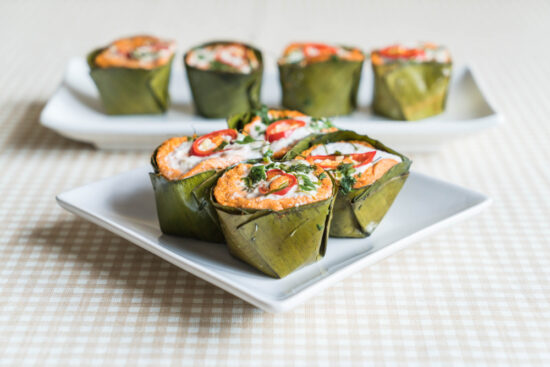
Taro Leaf Rolls: Leaf Structure and Safe Cooking Influence a Wrapped Vegetable Dish
Anshika Jain - October 26, 2026Taro leaf rolls demonstrate how a simple leafy vegetable can become the foundation of a distinctive and satisfying dish. Found in different forms across tropical regions, taro…
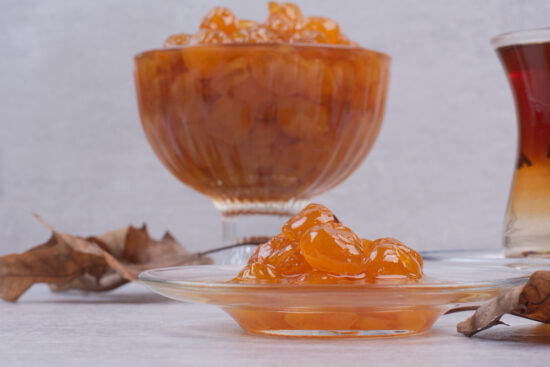
Acorn Jelly: Korean Dotorimuk and the Science of Starch
Anshika Jain - October 26, 2026Acorn jelly is a distinctive food made by transforming the seeds of oak trees into a smooth, firm, sliceable preparation. Best known in Korea as dotori-muk or…
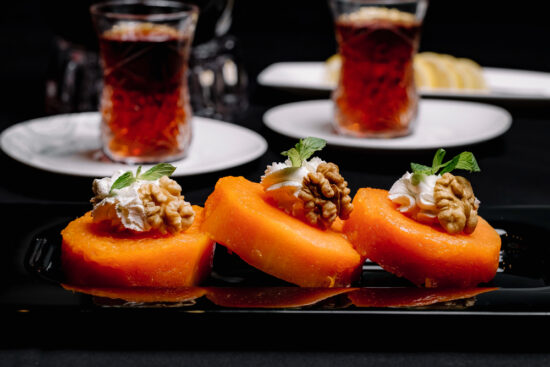
Kabak Tatlisi: Turkish Pumpkin Dessert with a Glossy, Syrupy Finish
Anshika Jain - October 26, 2026Kabak Tatlısı is a traditional Turkish dessert that transforms an everyday autumn vegetable into a glossy, syrup-coated sweet through a remarkably simple cooking process. Prepared by slowly…
Most from this category
Moustalevria: Traditional Greek Grape-Must Pudding with Natural Sweetness
Anshika Jain - October 26, 2026
Tinginys: Lithuania’s No-Bake Biscuit Dessert with a Distinctive Chocolate Mosaic
Anshika Jain - October 26, 2026
Moustalevria: Traditional Greek Grape-Must Pudding with Natural Sweetness
Anshika Jain - October 26, 2026Tinginys: Lithuania’s No-Bake Biscuit Dessert with a Distinctive Chocolate Mosaic
Anshika Jain - October 26, 2026

Leave a Comment