

Picarones – Traditional Peruvian Pumpkin and Sweet Potato Fritters

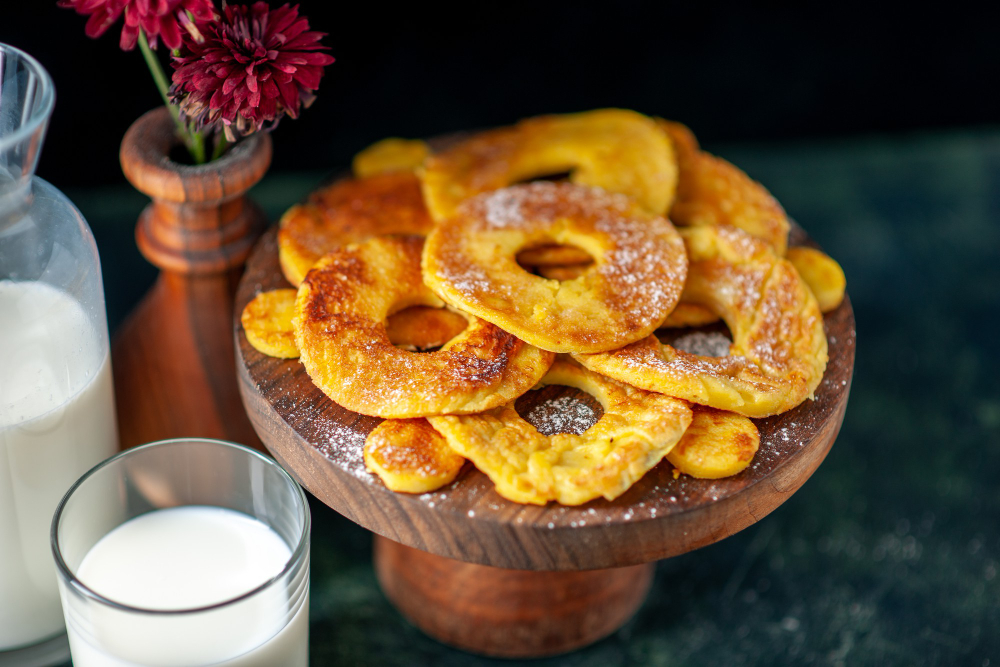
Peruvian cuisine is famous for its remarkable diversity, combining Indigenous ingredients, regional cooking traditions and culinary influences that developed over centuries. From colourful potato dishes to aromatic stews and distinctive desserts, Peru offers a wide range of food experiences. Among its most beloved traditional sweets are Picarones, golden, ring-shaped fritters prepared from pumpkin and sweet potato dough and served with a rich, spiced syrup. Crispy on the outside and soft inside, these delicious treats have become an important part of Peru’s street-food culture.
Picarones resemble doughnuts in appearance, but their preparation and flavour are quite different. Instead of relying entirely on conventional wheat-flour dough, the mixture incorporates cooked pumpkin and sweet potato, which provide natural sweetness, moisture and a soft texture. Flour and yeast help the mixture develop into a light, fermented dough that can be shaped into rings and deep-fried until golden brown. The finished fritters are traditionally served with miel de chancaca, a dark syrup made from unrefined cane sugar and flavoured with spices such as cinnamon, cloves and anise.
One important feature of Picarones is that they can be prepared without eggs. Although some traditional recipes include egg yolk, many established preparations use pumpkin, sweet potato, flour, yeast, sugar, anise and salt without requiring eggs. This makes an egg-free version possible without sacrificing the dessert’s characteristic texture or flavour. For a completely plant-based preparation, vegetable oil should be used for frying instead of animal fat, and the syrup ingredients should also be checked.
More than a simple fried sweet, Picarones represent an important part of Peru’s culinary identity. Their history reflects the blending of Indigenous ingredients with influences from Spanish colonial cooking and the creativity of local communities. Today, they remain a familiar sight at street-food stalls, traditional markets, festivals and family gatherings.
The Cultural History of Picarones in Peru
The history of Picarones is closely connected with the development of Peruvian cuisine during the colonial period. Before Spanish influence, Indigenous communities in the Andean region already cultivated and consumed ingredients such as sweet potatoes and squash. These foods were important parts of local diets and were used in several traditional preparations. With the arrival of European culinary techniques and ingredients, new combinations gradually developed.
Picarones are commonly understood as a dessert shaped by the interaction between Indigenous food traditions and European-style fried pastries, particularly buñuelos. Spanish buñuelos were made using dough that was fried and served as a sweet treat. In Peru, the preparation evolved through the use of locally available pumpkin and sweet potato, creating a distinctive dough with a different flavour and texture.
The development of Picarones also reflects the contributions of Afro-Peruvian communities and the wider history of Lima’s food culture. Women street vendors, often known as picaroneras, played an important role in preparing and selling these fritters. Their cooking skills helped establish Picarones as a popular urban dessert, particularly in neighbourhoods where freshly prepared street food was part of everyday life.
Historical references, including descriptions of Lima’s traditional food vendors and artistic representations of nineteenth-century street life, demonstrate how deeply Picarones became associated with the city’s cultural identity. The dessert also appeared in popular songs and literary references, showing that it was recognised as more than an ordinary sweet.
Over time, Picarones spread beyond Lima and became familiar throughout Peru. Although recipes differ between households and regions, the combination of pumpkin, sweet potato, fried dough and spiced syrup remains central to the dessert’s identity.
What Makes Picarones Special?
The most distinctive feature of Picarones is their unusual dough. Unlike conventional doughnuts, which are often made mainly from flour, sugar, milk and eggs, Picarones use cooked pumpkin and sweet potato as major ingredients. These vegetables create a naturally soft mixture and contribute to the fritters’ characteristic golden colour. Their natural sweetness also means that the dough does not need to contain a large quantity of added sugar.
The texture is another important part of their appeal. When properly fermented and fried, Picarones develop a lightly crisp exterior while remaining tender and airy inside. The pumpkin and sweet potato provide moisture, while yeast helps the dough expand during fermentation and frying. This combination produces a texture that is different from both ordinary doughnuts and crisp, thin fritters.
Their ring shape is equally recognisable. The dough is generally sticky and soft, so it is shaped by hand rather than rolled out like conventional pastry. Skilled cooks wet their fingers to prevent the dough from sticking and form a hole in the centre before placing each ring into hot oil. This technique requires practice because the mixture is much softer than standard doughnut dough.
The final touch is the syrup. Picarones are commonly served with a generous coating of miel de chancaca, which gives them a deep caramel-like sweetness and a fragrant combination of spices. The syrup contrasts with the mild flavour of the dough and makes the dessert especially satisfying when served warm.
The Main Ingredients Used in Picarones
Pumpkin is one of the essential ingredients in Picarones. In Peru, varieties of squash known as zapallo are commonly used. The pumpkin is peeled, cut into pieces and boiled until soft before being mashed into a smooth puree. It provides moisture, colour and a mild natural sweetness. The puree also contributes to the soft interior that distinguishes Picarones from ordinary fried dough.
Sweet potato, known as camote in Peru, is the other defining ingredient. It adds a richer sweetness and a slightly denser texture to the dough. Depending on the variety, sweet potatoes can have yellow, orange or deeper-coloured flesh. Their natural starch helps give the mixture body, while their flavour works particularly well with pumpkin and warm spices.
Wheat flour provides the structure needed to hold the dough together. It is added gradually to the vegetable puree until the mixture reaches a thick, sticky consistency. The quantity can vary depending on the moisture content of the cooked pumpkin and sweet potato. Adding too much flour can make the fritters dense, so the dough should remain soft enough to expand during fermentation.
The syrup is usually prepared with chancaca, an unrefined block of cane sugar commonly used in South American cooking. When dissolved in water and simmered with spices, it creates a thick, dark and aromatic sauce. Cinnamon, cloves, orange peel and anise are common additions. If chancaca is unavailable, panela or dark unrefined cane sugar can be used as an alternative, although the final flavour may vary.
How Egg-Free Picarones Are Prepared
Preparing egg-free Picarones begins with cooking the pumpkin and sweet potato. Both vegetables are peeled, cut into manageable pieces and boiled separately or together until completely tender. Once cooked, they are drained, and some of the cooking liquid is reserved. This liquid can later be used to help dissolve the yeast and adjust the dough’s consistency. The cooked vegetables are mashed or blended into smooth purees and allowed to cool until they are no longer hot.
The yeast mixture is prepared using lukewarm vegetable cooking water, a little sugar and dry yeast. The liquid should be warm rather than hot because excessive heat can damage the yeast and prevent proper fermentation. After mixing, it is left briefly until the yeast becomes active. The pumpkin and sweet potato purees are then combined with this mixture, followed by anise and salt.
Flour is added gradually while the ingredients are mixed thoroughly. The resulting dough should be soft, sticky and elastic rather than firm like conventional bread dough. Its consistency is important because Picarones need to expand during fermentation and frying. A mixture that is too stiff may produce heavy fritters, while an excessively watery mixture may be difficult to shape.
The process is repeated until the remaining dough has been used. Picarones are best served soon after frying, when the outside is still lightly crisp and the interior remains soft. The warm fritters are then covered with the prepared chancaca syrup.
The Importance of Chancaca Syrup
Miel de chancaca is an essential part of the traditional Picarones experience. Chancaca is an unrefined cane-sugar product sold in solid blocks. It has a deep, caramel-like flavour that is richer and more complex than ordinary white sugar. When dissolved and slowly simmered, it creates a dark syrup that coats the fritters and adds sweetness without hiding their natural flavour.
The preparation of the syrup begins by breaking the chancaca into smaller pieces and combining it with water in a saucepan. The mixture is heated gently until the sugar dissolves completely. Cinnamon sticks, cloves and anise can then be added to infuse the liquid with their aromas. Orange peel is another popular ingredient, introducing a fresh citrus note that balances the richness of the sugar.
Some recipes include fruit such as pineapple, apple or quince to add additional flavour. These ingredients are simmered with the syrup and later removed or strained, depending on the desired consistency. Fig leaves may also appear in certain traditional preparations, contributing a distinctive fragrance.
The syrup is cooked until it becomes thick enough to coat the back of a spoon. It should remain pourable rather than turning into a hard caramel. If it becomes too thick, a small quantity of water can be added carefully to adjust its consistency. Once ready, it is strained to remove whole spices, fruit pieces and other solids.
Chancaca syrup is not limited to Picarones. It is used in several traditional South American sweets and reflects the importance of unrefined cane sugar in regional cooking. Its distinctive flavour is one of the reasons Picarones are so recognisable.
Why an Egg-Free Preparation Works
Eggs are used in many conventional bakery recipes to provide richness, structure and binding. However, Picarones do not necessarily depend on eggs for these functions. Their structure comes from the combination of wheat flour, cooked pumpkin, sweet potato and yeast. The starch in the vegetables contributes body, while flour develops the dough’s framework and fermentation introduces air.
Several published Picarones recipes demonstrate that eggs are not essential to the preparation. The Peruvian tourism authority’s recipe, for example, uses pumpkin, sweet potato, flour, dry yeast, sugar and anise without including eggs. This makes it a useful reference for an egg-free version.
The key to achieving a good result is maintaining the correct dough consistency and allowing sufficient fermentation. The vegetable puree provides moisture, so additional liquid should be added gradually. The dough should remain sticky but manageable with wet hands. If too much flour is added in an attempt to make it easier to handle, the final fritters may become heavy.
An egg-free recipe can also be made fully vegan by using plant-based ingredients throughout. Vegetable oil should replace lard or other animal fats for frying. The syrup should be prepared with chancaca or verified plant-based cane sugar and water, without honey or butter. Although the traditional syrup is commonly based on cane sugar, ingredient labels should be checked when buying packaged alternatives.
Picarones in Peruvian Street Food Culture
Picarones hold a special place in Peru’s street-food tradition, especially in Lima. They are often prepared at small food stalls where the dough is shaped and fried in front of customers. The cooking process is an attraction in itself, as vendors quickly form rings from the sticky mixture and place them into hot oil. The fritters are then served freshly cooked with syrup poured over them.
The dessert is particularly associated with evening food culture and traditional neighbourhood gatherings. Its aroma, golden appearance and sweet syrup make it an appealing choice for people looking for a freshly prepared snack. Picarones are also enjoyed during celebrations and public events, where traditional foods help create a sense of shared cultural identity.
October is an especially significant period for Picarones in Lima because of the celebrations associated with the Señor de los Milagros, or Lord of Miracles, procession. Food stalls selling traditional sweets and snacks are part of the atmosphere surrounding these gatherings. Picarones are among the foods that many visitors and residents associate with this time of year.
The dessert’s popularity has continued across generations. Although modern bakeries and restaurants may present updated versions, traditional street vendors remain important to its identity. Their methods preserve the handmade character of the fritters and maintain the connection between food preparation and local culture.
Nutritional Characteristics of Picarones
Picarones contain several ingredients that contribute different nutritional qualities. Pumpkin provides water, fibre and naturally occurring plant compounds, while sweet potato contributes carbohydrates, fibre and nutrients such as beta-carotene in orange-fleshed varieties. Wheat flour provides additional carbohydrates and some protein, while yeast supports fermentation and influences the texture.
The use of vegetables in the dough gives Picarones a different composition from ordinary doughnuts made primarily from refined flour and added sugar. However, they are still a fried dessert and should be enjoyed in appropriate portions. The oil absorbed during frying and the quantity of syrup added can substantially influence the overall energy content.
Chancaca syrup is made from concentrated cane sugar, so it contributes a significant amount of sugar. Its unrefined character gives it a distinctive flavour, but it should not be considered a sugar-free or automatically healthier alternative to other sweeteners. The nutritional value of the finished dessert depends on the recipe, portion size and cooking technique.
For a balanced approach, Picarones can be enjoyed as an occasional dessert rather than treated as an everyday health food. Their appeal lies primarily in their flavour, texture and cultural importance. Preparing them at home also allows cooks to control the amount of syrup and the type of frying oil used.
Regional and Modern Variations of Picarones
Although Lima is strongly associated with Picarones, the dessert is enjoyed in different parts of Peru. The choice of pumpkin, sweet potato and spices can vary depending on regional availability and family traditions. Some recipes use more pumpkin, while others include a larger proportion of sweet potato. These differences can influence the colour, sweetness and softness of the finished fritters.
The syrup also has variations. Traditional preparations often use chancaca with cinnamon, cloves and citrus peel, while other versions incorporate pineapple, apple or additional spices. The balance of sweetness and fragrance can change depending on the ingredients and cooking time.
Modern cooks sometimes experiment with alternative flours, different squash varieties and adjusted fermentation methods. These adaptations can make the dessert easier to prepare outside Peru, where traditional ingredients may not always be available. However, maintaining the soft vegetable-based dough and the characteristic ring shape is important for preserving the identity of Picarones.
Egg-free and vegan preparations are also suitable for home cooks who want to enjoy the dessert while following plant-based dietary preferences. The traditional combination of pumpkin, sweet potato, flour and yeast already provides a practical foundation for an egg-free version. The main consideration is to verify that the frying fat and syrup ingredients are also plant-based.
Conclusion
Picarones are one of Peru’s most recognisable traditional desserts, celebrated for their golden ring shape, soft interior and rich spiced syrup. Their preparation combines pumpkin and sweet potato with flour, yeast and anise to create a distinctive dough that is fried until lightly crisp. The finished fritters are traditionally covered with miel de chancaca, a fragrant syrup prepared with unrefined cane sugar, cinnamon, cloves and other aromatic ingredients.
The history of Picarones reflects the meeting of Indigenous ingredients and European culinary influences, along with the contributions of Afro-Peruvian communities and Lima’s street-food vendors. Over generations, the dessert has become a familiar part of Peruvian food culture and continues to be enjoyed at markets, festivals and family gatherings.
Although some recipes include egg yolk, Picarones can be prepared successfully without eggs. A combination of pumpkin, sweet potato, flour and yeast provides the necessary structure and softness. By using vegetable oil for frying and checking that the syrup contains no animal-derived ingredients, cooks can also prepare a fully plant-based version.
Whether enjoyed at a traditional street stall in Lima or made in a home kitchen, Picarones offer a wonderful introduction to Peru’s culinary heritage. Their combination of natural vegetable sweetness, aromatic spices and warm syrup makes them a memorable dessert that celebrates the creativity and diversity of Peruvian cooking.
Online Internship with Certificate
You may be interested
Kanelbullar – Traditional Swedish Egg-Free Cinnamon Buns
Anshika Jain - November 24, 2026Kanelbullar, commonly known as Swedish cinnamon buns, are among the most recognisable and cherished pastries in Sweden. These soft, golden-brown buns are prepared with enriched wheat dough…
Sfenj – Traditional Moroccan Yeast Doughnuts with Sugar or Honey
Anshika Jain - November 24, 2026Moroccan cuisine is celebrated for its aromatic spices, colourful ingredients, traditional breads and delicious sweet preparations. From delicate pastries filled with almonds to honey-coated treats and freshly…
Kransekake – Norway’s Traditional Almond Ring Tower Cake
Anshika Jain - November 24, 2026Norwegian cuisine is known for its comforting traditional dishes, distinctive baked goods and desserts prepared for important celebrations. Among its most recognisable sweet creations is Kransekake, an…
Most from this category
Mchadi –Georgian Cornbread and a Taste of Vegetarian Georgian Cuisine
Anshika Jain - November 20, 2026
Msemen – Morocco’s Traditional Flaky and Layered Vegetarian Flatbread
Anshika Jain - November 20, 2026Bánh Xèo Chay: Vietnam’s Crispy Vegetarian Turmeric Rice Pancake
Anshika Jain - November 24, 2026Mchadi –Georgian Cornbread and a Taste of Vegetarian Georgian Cuisine
Anshika Jain - November 20, 2026
Kanelbullar – Traditional Swedish Egg-Free Cinnamon Buns
November 24, 2026
Sfenj – Traditional Moroccan Yeast Doughnuts with Sugar or Honey
November 24, 2026
Kransekake – Norway’s Traditional Almond Ring Tower Cake
November 24, 2026
Dolmeh Barge Mo: Persian Vegetarian Stuffed Grape Leaves
November 24, 2026

Leave a Comment