

Sfenj – Traditional Moroccan Yeast Doughnuts with Sugar or Honey

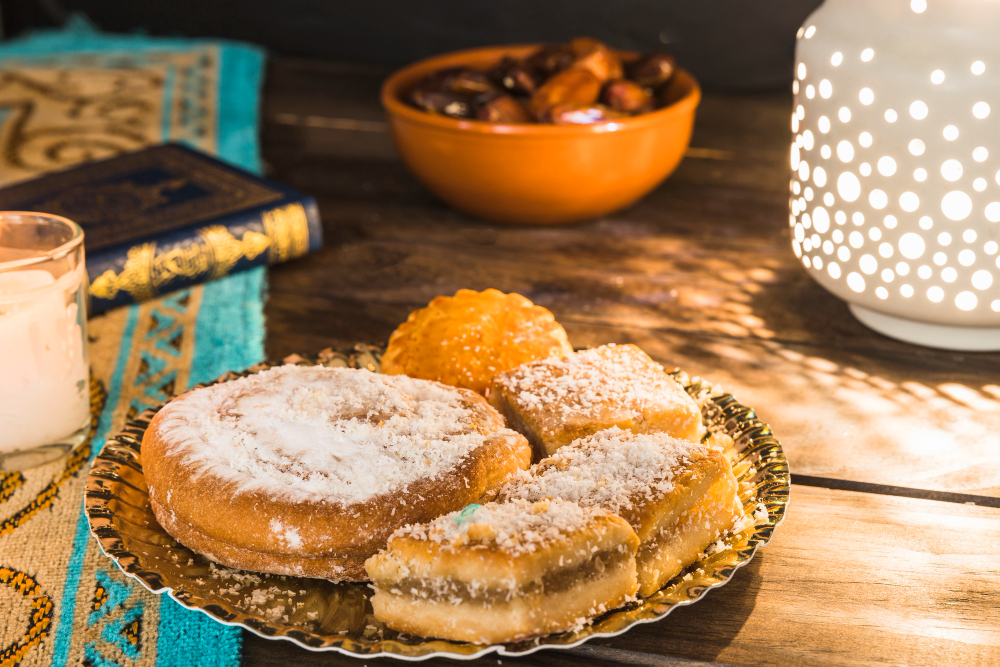
Moroccan cuisine is celebrated for its aromatic spices, colourful ingredients, traditional breads and delicious sweet preparations. From delicate pastries filled with almonds to honey-coated treats and freshly prepared street foods, Morocco offers a fascinating variety of culinary experiences. Among its most popular traditional snacks is Sfenj, a rustic, ring-shaped doughnut made from a simple yeast-based dough and fried until golden. Light, airy and slightly chewy inside, with a crisp exterior, Sfenj is a beloved part of Moroccan breakfast and street-food culture.
Unlike conventional doughnuts that are often prepared with butter, milk and eggs, traditional Sfenj uses a surprisingly simple combination of flour, water, yeast and salt, sometimes with a little sugar. The dough is mixed until it becomes soft, wet and sticky, then left to ferment. Instead of being rolled and cut into perfect circles, portions are shaped by hand, stretched into rings and immediately placed into hot oil. This handmade technique gives Sfenj its irregular appearance and characteristic texture.
Once fried, the doughnuts can be enjoyed plain, sprinkled with sugar or dipped in honey. Some preparations are served with a sweet syrup, while others are eaten without any additional topping. Their mild flavour makes them suitable for different preferences, and their soft interior pairs particularly well with the sweetness of honey or the slight crunch of granulated sugar.
One of the most appealing qualities of Sfenj is that its traditional preparation is naturally egg-free and can easily be made vegan. The basic dough does not require eggs, butter or milk. For a completely plant-based version, vegetable oil can be used for frying and sugar or plant-based syrup can replace honey. This makes Sfenj an interesting example of how a simple traditional recipe can remain relevant to modern vegetarian and vegan food preferences.
The Cultural History of Sfenj in Morocco
Sfenj has a long-standing place in the culinary traditions of North Africa, particularly Morocco, Algeria and Libya. Although its exact historical origins are difficult to establish, the doughnut is commonly associated with the wider culinary exchanges that connected North Africa with Al-Andalus, the medieval Muslim-ruled territories of the Iberian Peninsula. Fried dough preparations travelled and evolved across these regions, developing into different local specialities.
The name Sfenj is derived from the Arabic word isfenj, which is associated with a sponge. This description reflects the doughnut’s soft, airy and porous interior. Unlike dense pastries, Sfenj develops a light structure during fermentation and frying. Its texture is one of the reasons it has remained popular across generations.
In Morocco, Sfenj became closely connected with neighbourhood food culture. Traditional vendors prepared the dough in large quantities and fried individual portions throughout the morning. Customers could purchase freshly made rings directly from small shops, market stalls and street-side frying stations. The doughnuts were often eaten immediately while still warm, making freshness an important part of the experience.
Sfenj is also associated with Moroccan Jewish culinary traditions. Moroccan Jewish families have prepared the doughnuts for festive occasions, particularly Hanukkah, when fried foods are traditionally enjoyed. Sfenj also appears in celebrations such as Mimouna, which marks the end of Passover in Moroccan Jewish communities. These traditions demonstrate how a familiar regional food can carry different cultural meanings within the communities that prepare it.
Today, Sfenj remains a recognisable part of Moroccan food culture. Although modern bakeries and commercial doughnut shops offer many alternatives, traditional vendors continue to attract people who appreciate the taste and texture of freshly fried Sfenj.
What Makes Sfenj Different from Ordinary Doughnuts?
The most noticeable difference between Sfenj and conventional doughnuts is the consistency of the dough. Many familiar doughnut recipes use a relatively firm dough that can be kneaded, rolled and cut into regular shapes. Sfenj, however, is prepared using a high-hydration mixture containing a considerable amount of water. The result is a loose, elastic and sticky dough that cannot easily be handled like ordinary pastry.
This soft consistency is responsible for the doughnut’s distinctive texture. During fermentation, yeast produces gas that becomes trapped within the developing dough structure. When the dough is placed in hot oil, the trapped gas expands and creates an airy interior. The outside cooks into a golden, slightly crisp layer, while the centre remains soft and spongy.
Its shape is another defining feature. Sfenj is generally formed by hand rather than using a doughnut cutter or mould. The cook takes a portion of sticky dough, creates an opening in the middle with wet fingers and stretches it into a ring. The shape is often irregular, and the central hole may become smaller as the dough expands during frying.
Sfenj also has a simpler ingredient profile than many modern doughnuts. It does not require elaborate fillings, cream toppings or decorative coatings. Its flavour comes primarily from the fermented dough and the frying process, while sugar, honey or syrup provide additional sweetness when desired. This simplicity is central to its traditional appeal.
The Main Ingredients Used in Sfenj
Wheat flour forms the foundation of Sfenj. All-purpose flour is commonly used because it provides enough structure for the dough to hold together while remaining soft and elastic. The flour combines with water to create a sticky mixture that develops its characteristic texture during fermentation. The quality of the flour and its ability to absorb water can influence the final consistency.
Water is one of the most important ingredients because Sfenj dough contains a relatively high proportion of liquid. It helps create the loose texture required for hand shaping and allows the yeast to become active. Lukewarm water is generally preferred when preparing the dough because it supports yeast activity without exposing it to excessive heat.
Yeast gives Sfenj its lightness. Active dry yeast or fresh baker’s yeast can be used, depending on the recipe. During fermentation, yeast consumes available sugars and releases carbon dioxide, creating bubbles within the dough. These bubbles help produce the soft and airy interior that distinguishes Sfenj from many other fried pastries.
Sugar and honey are popular serving accompaniments. Granulated sugar can be sprinkled over the hot doughnuts so that it adheres to the surface, while honey can be drizzled over them or used as a dip. A simple sugar syrup is another option. For a vegan preparation, honey should be replaced with sugar syrup, date syrup or another suitable plant-based sweetener.
How Traditional Sfenj Is Prepared
Preparing Sfenj begins with mixing flour, yeast and salt in a large bowl. A small quantity of sugar may be included, depending on the recipe. Lukewarm water is added gradually while the ingredients are mixed until a soft, wet and sticky dough forms. Unlike conventional bread dough, it should not be firm enough to handle easily with dry hands. Its loose consistency is an important part of the traditional preparation.
The dough is then worked thoroughly to help develop its structure. It can be mixed by hand or with a suitable dough-mixing attachment. The mixture is covered and left in a warm place to ferment. Depending on the room temperature, yeast activity and recipe, this process may take approximately 30 minutes to two hours or longer. The dough should become visibly expanded and full of bubbles.
A small bowl of water is kept beside the cooking area. The cook wets their hands before taking a portion of dough, which helps prevent the sticky mixture from clinging to the fingers. A small portion is lifted, and an opening is created in its centre using the fingers. The dough is stretched gently to form a ring and transferred directly into the hot oil.
The process is repeated with the remaining dough. Sfenj is generally served shortly after frying because its crisp exterior and soft centre are at their best when freshly prepared. The warm doughnuts can be sprinkled with sugar, dipped in honey or enjoyed plain.
The Importance of Fermentation and Texture
Fermentation is one of the most important stages in Sfenj preparation. The dough’s airy structure does not come from baking powder or complicated pastry techniques. Instead, it develops through the activity of yeast and the formation of gas bubbles during resting. A properly fermented mixture creates a lighter doughnut with a soft, spongy centre.
The amount of water used also influences the result. A dough that is too firm may be difficult to stretch into the characteristic ring and can produce a dense texture after frying. If the mixture is excessively watery, however, it may be difficult to shape and can spread unpredictably in the oil. The correct consistency should be sticky, elastic and loose enough to be stretched with wet hands.
Kneading or mixing helps develop the flour’s gluten structure, which gives the dough enough strength to hold the expanding air bubbles. Since the mixture is highly hydrated, it may require more mixing than a conventional firm dough. During fermentation, the dough becomes softer and more aerated.
The frying temperature completes the process. When the dough enters hot oil, the water within it turns into steam, while the trapped gases expand. This helps the ring puff up and develop its characteristic texture. The outside becomes crisp, creating a contrast with the soft centre. Properly cooked Sfenj should feel light rather than heavy or excessively oily.
Sugar, Honey and Other Traditional Toppings
Sfenj is often enjoyed with very little decoration. Its natural flavour is mild, and many people prefer to eat it plain while it is still warm. The lightly fermented dough has a gentle savoury character that makes it enjoyable even without a sweet coating.
Granulated sugar is one of the simplest toppings. Freshly fried Sfenj can be rolled or sprinkled with sugar while its surface is still warm. The sugar adheres to the exterior and creates a light sweetness with a slightly crunchy texture. Some people prefer powdered sugar, which gives the doughnuts a delicate coating.
Honey is another popular accompaniment. It can be drizzled directly over the rings or served in a small bowl for dipping. Its floral sweetness contrasts with the mild flavour of the dough and gives the snack a richer finish. However, honey is not suitable for a vegan diet, so plant-based alternatives should be used when required.
Cinnamon sugar can provide additional warmth and fragrance. A small quantity of ground cinnamon mixed with granulated sugar creates a simple topping that complements the fried dough. Some modern preparations also use orange blossom water, cardamom or other aromatic ingredients in syrups and sweet coatings.
A sugar syrup can be prepared by simmering sugar and water until the mixture becomes slightly thick. It may be flavoured with lemon peel, cinnamon or orange blossom water. This offers a convenient alternative to honey for people who want a fully plant-based version of Sfenj.
Sfenj in Moroccan Breakfast and Street-Food Culture
Sfenj is particularly associated with Moroccan breakfast traditions. In many neighbourhoods, small vendors prepare the doughnuts early in the morning, allowing customers to enjoy them fresh. Their aroma spreads through local markets and streets as the dough is shaped and fried in large quantities.
The doughnuts are often eaten with Moroccan mint tea, which is prepared using green tea, fresh mint and sugar. The refreshing flavour of the tea provides a pleasant contrast to the warm fried dough. Some people enjoy Sfenj with coffee or other hot drinks, making it a flexible breakfast or snack option.
Traditional vendors are an important part of this food culture. In older neighbourhoods, specialised Sfenj shops have served generations of customers. Some sellers use large frying vessels and prepare the rings continuously throughout the morning. The finished doughnuts may be arranged on sticks or strings for convenient carrying and display.
Sfenj is also enjoyed as an afternoon snack and during family gatherings. Its simple ingredients make it suitable for preparing in large quantities, while its fresh, handmade character gives it a special place in everyday food traditions. Although it is commonly associated with Morocco, similar fried doughnuts are found across the Maghreb, with different local names and serving styles.
Sfenj and Moroccan Jewish Celebrations
Sfenj has an important place in the culinary traditions of Moroccan Jewish communities. It is particularly associated with Hanukkah, a Jewish festival during which foods fried in oil are traditionally enjoyed. The use of oil reflects the religious story of the festival and its association with the Temple’s menorah.
For many Moroccan Jewish families, Sfenj is a familiar part of Hanukkah celebrations. Families prepare the doughnuts at home, fry them in batches and serve them with sugar or honey. The process often becomes a shared activity, bringing family members together in the kitchen.
Sfenj is also associated with Mimouna, a celebration held by many Moroccan Jewish communities at the conclusion of Passover. It is a time of hospitality, visits and shared food, and fried dough preparations can form part of the festive table. The dessert’s presence during these occasions illustrates how traditional foods carry memories and cultural meaning across generations.
These associations do not limit Sfenj to religious celebrations. It remains a widely enjoyed everyday food in Morocco and other North African communities. Its ability to move between ordinary breakfast tables and special festive gatherings is part of its lasting appeal.
Nutritional Characteristics of Sfenj
The nutritional composition of Sfenj depends on its ingredients, portion size, frying method and toppings. Wheat flour provides carbohydrates and some protein, while yeast contributes to fermentation and the development of the dough’s texture. Water makes up a large part of the mixture, and salt is generally used in modest quantities.
Because Sfenj is deep-fried, it absorbs some oil during cooking. The amount depends on factors such as oil temperature, dough consistency and frying time. If the oil is too cool, the doughnuts may absorb more fat and become heavy. Maintaining an appropriate frying temperature helps produce a crisp exterior without excessive oiliness.
Sugar and honey increase the sweetness and energy content of the finished snack. Plain Sfenj generally contains less added sugar than a heavily glazed or filled doughnut, but it remains a fried flour-based food. It is best enjoyed as part of a varied diet rather than considered a low-calorie or health-focused snack.
A vegan version can be prepared without eggs, milk or butter because these ingredients are not essential to the traditional dough. Using vegetable oil for frying and plant-based syrup instead of honey also makes the preparation suitable for vegan diets. However, people with wheat allergies or gluten intolerance should avoid the traditional wheat-flour version.
Why Sfenj Appeals to Modern Vegetarian and Vegan Food Lovers
Interest in plant-based eating has encouraged people to explore traditional foods that are naturally free from animal products. Sfenj is particularly suitable because its basic dough requires only flour, water, yeast and salt. Unlike many modern bakery products, it does not depend on eggs or dairy to achieve its characteristic texture.
Its preparation also demonstrates how a small number of ingredients can produce a distinctive result. Fermentation, careful handling and deep-frying transform a simple mixture into a light, airy doughnut. This makes Sfenj an interesting recipe for home cooks who enjoy traditional baking techniques and handmade foods.
Another reason for its appeal is its flexibility. People who prefer less sweetness can enjoy it plain, while others can add sugar, cinnamon or syrup. Vegan diners can choose date syrup or sugar syrup instead of honey without changing the basic dough. The recipe can therefore accommodate different tastes while retaining its traditional identity.
For people exploring international vegetarian cuisine, Sfenj offers a way to experience Moroccan food beyond the familiar tagines and couscous dishes. It introduces the importance of street-food culture, fermentation and simple ingredients in everyday Moroccan cooking.
Conclusion
Sfenj is one of Morocco’s most beloved traditional fried treats, recognised for its rustic ring shape, airy interior and crisp golden exterior. Prepared from a simple yeast dough made with flour, water and salt, it demonstrates how basic ingredients can become a memorable food through fermentation and careful frying. Its traditional toppings, including sugar and honey, add sweetness while allowing the natural flavour of the dough to remain prominent.
Beyond its taste, Sfenj represents an important part of Moroccan breakfast and street-food culture. It is enjoyed at neighbourhood stalls, family gatherings and festive occasions, while its connections with Moroccan Jewish celebrations give it additional cultural significance. Similar preparations across North Africa also demonstrate the wider regional importance of fried yeast doughnuts.
Traditional Sfenj is naturally egg-free and can easily be adapted for a fully plant-based diet by using vegetable oil and replacing honey with sugar or plant-based syrup. Its simplicity makes it accessible to home cooks while preserving the distinctive character of the original preparation.
Whether eaten plain with mint tea or served warm with a sweet coating, Sfenj remains a wonderful example of Morocco’s culinary heritage. Its combination of a soft, spongy centre, golden exterior and uncomplicated ingredients makes it a timeless treat that continues to bring people together.
Online Internship with Certificate
You may be interested

Kanelbullar – Traditional Swedish Egg-Free Cinnamon Buns
Anshika Jain - November 24, 2026Kanelbullar, commonly known as Swedish cinnamon buns, are among the most recognisable and cherished pastries in Sweden. These soft, golden-brown buns are prepared with enriched wheat dough…

Kransekake – Norway’s Traditional Almond Ring Tower Cake
Anshika Jain - November 24, 2026Norwegian cuisine is known for its comforting traditional dishes, distinctive baked goods and desserts prepared for important celebrations. Among its most recognisable sweet creations is Kransekake, an…
Dolmeh Barge Mo: Persian Vegetarian Stuffed Grape Leaves
Anshika Jain - November 24, 2026Iranian cuisine is known for its aromatic herbs, carefully balanced seasonings, rice-based preparations and creative use of vegetables. From fragrant rice dishes to slow-cooked stews and delicate…
Most from this category
Mchadi –Georgian Cornbread and a Taste of Vegetarian Georgian Cuisine
Anshika Jain - November 20, 2026
Msemen – Morocco’s Traditional Flaky and Layered Vegetarian Flatbread
Anshika Jain - November 20, 2026Picarones – Traditional Peruvian Pumpkin and Sweet Potato Fritters
Anshika Jain - November 24, 2026Bánh Xèo Chay: Vietnam’s Crispy Vegetarian Turmeric Rice Pancake
Anshika Jain - November 24, 2026Mchadi –Georgian Cornbread and a Taste of Vegetarian Georgian Cuisine
Anshika Jain - November 20, 2026
Kanelbullar – Traditional Swedish Egg-Free Cinnamon Buns
November 24, 2026
Kransekake – Norway’s Traditional Almond Ring Tower Cake
November 24, 2026
Dolmeh Barge Mo: Persian Vegetarian Stuffed Grape Leaves
November 24, 2026
Picarones – Traditional Peruvian Pumpkin and Sweet Potato Fritters
November 24, 2026

Leave a Comment