

Kanelbullar – Traditional Swedish Egg-Free Cinnamon Buns

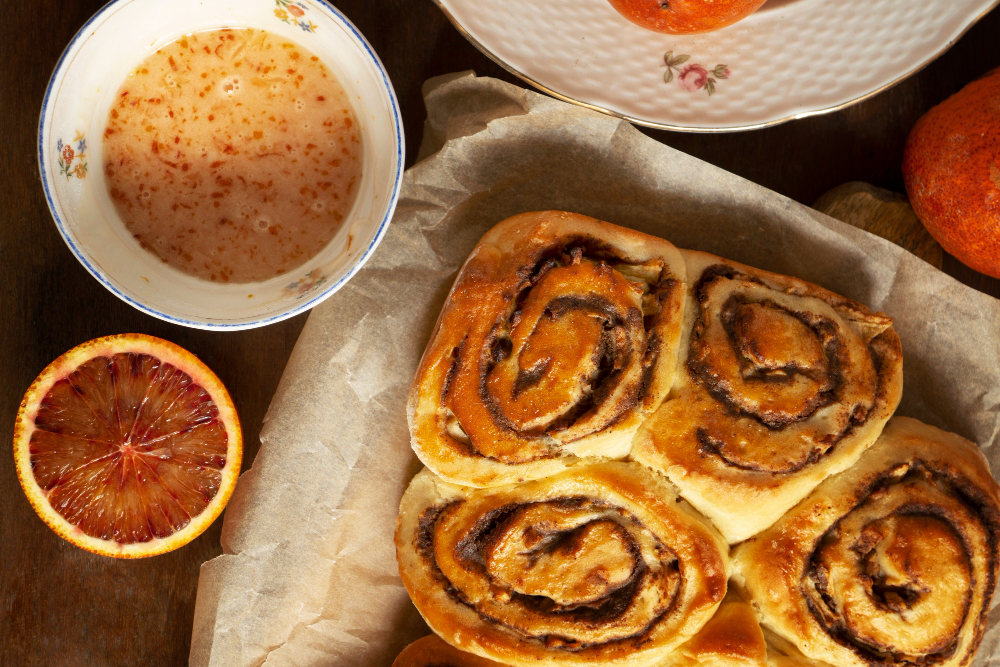
Kanelbullar, commonly known as Swedish cinnamon buns, are among the most recognisable and cherished pastries in Sweden. These soft, golden-brown buns are prepared with enriched wheat dough flavoured with aromatic cardamom and filled with a delicious mixture of cinnamon, sugar and butter. Their distinctive fragrance, gently sweet flavour and attractive twisted or spiral shapes make them a favourite in Swedish bakeries, cafés and homes. Unlike some larger cinnamon rolls that are covered with thick icing, traditional Kanelbullar are often finished with a light coating of sugar or crunchy pearl sugar, allowing the flavours of the dough and filling to remain the centre of attention.
Although cinnamon buns are enjoyed in several countries, Swedish Kanelbullar have a character of their own. The use of cardamom in the dough creates a warm, fragrant flavour that complements the cinnamon filling without overpowering it. Their association with fika, Sweden’s much-loved coffee-break tradition, also gives them a cultural importance beyond their role as a sweet pastry. They are served during everyday gatherings, family visits, workplace breaks and special occasions. An egg-free version can also be prepared successfully, making this traditional Swedish treat accessible to people who prefer to avoid eggs.
The History and Development of Kanelbullar
The modern Swedish cinnamon bun is generally associated with the period following the First World War. Before and during the war, ingredients such as wheat flour, butter, sugar and imported spices could be expensive or difficult to obtain. As supplies improved, Swedish bakeries gradually developed sweet wheat-based pastries that could be enjoyed with coffee. Kanelbullar became increasingly popular as these ingredients became more accessible, although their widespread presence in ordinary homes developed more noticeably during the 1950s.
The history of the bun is closely connected to changes in Swedish domestic life and baking culture. Improved household finances, the increasing availability of baking ingredients and better kitchen equipment made it easier for families to prepare enriched yeast breads at home. What had once been a relatively special bakery purchase gradually became a familiar homemade treat. The pastry also fitted naturally into Sweden’s growing coffee culture, where a small sweet accompaniment could turn an ordinary break into a social occasion.
The exact history of every variation is difficult to establish because household baking traditions developed over time rather than following one single recipe. Some versions are shaped into spirals, while others are folded and twisted into knots. The common elements remain recognisable: a soft wheat dough, aromatic spices and a sweet cinnamon filling. Today, Kanelbullar are regarded as one of the defining pastries of Swedish food culture and are enjoyed throughout the year.
Understanding the Swedish Fika Tradition
To understand the importance of Kanelbullar, it is useful to understand the Swedish concept of fika. Fika is more than simply drinking coffee or taking a short break. It describes a social pause in the day during which people take time to enjoy a drink, something sweet or savoury, and conversation with others. Friends may meet at a café, colleagues may gather during a workplace break, and families may sit together at home for an informal afternoon treat.
Kanelbullar are closely associated with this tradition because they are easy to serve, share and enjoy without requiring a formal occasion. Their moderate sweetness and soft texture make them a natural companion to coffee, tea or milk. The combination of a warm cinnamon aroma and freshly brewed coffee has become an especially familiar part of Swedish café culture. In many settings, offering a cinnamon bun is also a simple expression of hospitality.
The importance of fika helps explain why Kanelbullar have remained popular even as international desserts and modern bakery trends have become more widely available. Their appeal is not based only on flavour. They represent a slower, more thoughtful approach to everyday socialising, where taking a break and spending time with others is considered worthwhile. For many people, the smell and taste of a freshly baked cinnamon bun can also evoke memories of family kitchens, childhood visits and familiar cafés.
The Ingredients That Give Kanelbullar Their Distinctive Character
The identity of Kanelbullar begins with its enriched wheat dough. Wheat flour provides the structure needed to create a soft, elastic bun that can hold its shape after being rolled, folded or twisted. Yeast allows the dough to rise and develop a light interior, while milk contributes tenderness and a gentle richness. Sugar provides sweetness and supports the fermentation process, and butter gives the dough a smooth texture and a more delicate crumb.
Cardamom is one of the most important ingredients that distinguishes Swedish-style cinnamon buns from many other cinnamon rolls. It is commonly added directly to the dough, where its warm, citrus-like and slightly peppery aroma becomes part of the pastry’s overall flavour. Freshly ground cardamom can provide a particularly fragrant result, although ready-ground cardamom is also convenient for home baking. The amount used can be adjusted according to preference, but it should be noticeable without making the dough taste overly spicy.
The filling is usually made from softened butter, sugar and ground cinnamon. Butter helps the mixture spread evenly over the rolled dough, while sugar melts during baking and creates a sweet, fragrant layer. Cinnamon supplies the characteristic flavour that gives the pastry its name. Some household recipes use additional spices or small flavouring variations, but the classic combination remains simple and effective.
Pearl sugar is a familiar finishing ingredient in Swedish bakeries. Unlike ordinary granulated sugar, pearl sugar consists of larger, firm crystals that retain some of their shape during baking. When sprinkled over the buns, it creates a delicate crunch and gives them a recognisable appearance. Where pearl sugar is unavailable, coarse sugar can provide a similar decorative effect, although the texture may differ.
How the Dough Creates a Soft and Fragrant Bun
The texture of Kanelbullar depends heavily on how the dough is prepared and handled. The ingredients must be combined into a smooth, elastic mixture that is soft enough to produce a tender bun but strong enough to hold the filling and maintain its shape. Kneading develops the gluten structure in the flour, helping the dough stretch without tearing. This structure is important because it allows the yeast-produced gas to remain trapped inside the dough as it rises.
Milk is generally used at a mild temperature when preparing the yeast mixture. Excessive heat can damage the yeast and prevent the dough from rising properly, while very cold liquid can slow fermentation. Once the ingredients are combined, the dough is kneaded until it becomes smooth and flexible. Butter is incorporated in a way that allows it to blend evenly rather than leaving greasy patches. The finished dough should feel soft and slightly tacky, not excessively dry.
The first rising period allows the yeast to become active and increase the dough’s volume. During this time, fermentation also contributes to the development of flavour. A warm, draught-free environment is helpful, but the dough should not be exposed to excessive heat. Once it has risen sufficiently, it can be gently handled and rolled out for the filling. Allowing the dough enough time to rise is essential because rushing this stage can produce dense buns rather than the light, tender texture associated with good Kanelbullar.
Preparing the Cinnamon Filling
The cinnamon filling gives Kanelbullar their recognisable sweetness and aroma. Softened butter is combined with sugar and ground cinnamon to create a spreadable mixture. The butter should be soft enough to cover the dough evenly but should not be completely melted, as a very liquid filling can run out during shaping and baking. A balanced amount of cinnamon is important because the spice should complement the cardamom in the dough rather than dominate it.
Once the dough has been rolled into a broad, even sheet, the filling is spread across its surface. Leaving a small margin near the edges can help prevent excessive filling from escaping when the dough is folded or rolled. The dough can then be shaped into a traditional spiral or folded into layers before being cut into strips and twisted. The folding technique creates visible layers of dough and cinnamon mixture, producing an attractive pattern when the buns are baked.
The filling should be distributed consistently so that every bun has a similar flavour. Too little filling may result in a plain, bread-like centre, while too much can make the buns difficult to shape and cause the mixture to leak onto the baking tray. Careful spreading and shaping help maintain a balance between the soft bread and the sweet, spiced interior.
Traditional Shapes and the Art of Shaping
Kanelbullar are available in several shapes, and their appearance is an important part of their appeal. The familiar spiral form is created by rolling the filled dough into a log and cutting it into individual portions. Each piece is placed upright on a baking tray or in a paper baking case, allowing the layers to expand during the final rise and baking. This shape is simple to prepare and is commonly seen in home kitchens.
Another popular method involves folding the filled dough into sections, cutting it into strips and twisting each strip before forming it into a knot. This technique produces a more decorative bun with visible strands of dough and cinnamon filling. The finished shape can look intricate, but it is primarily a way of arranging the dough so that the filling becomes part of the bun’s visible structure. Different bakeries may develop their own shaping styles, giving the pastry a varied appearance while retaining its familiar flavour.
The shaped buns need a second rising period before they are placed in the oven. This final fermentation helps them become lighter and more tender. They should have enough room on the tray to expand without joining together too tightly. After rising, the surface may be brushed with a suitable coating and finished with pearl sugar before baking. The result should be a golden exterior with a soft, fragrant centre.
Making Egg-Free Kanelbullar at Home
Traditional Kanelbullar recipes are not completely uniform, and some include egg in the dough or use beaten egg as a surface glaze. However, eggs are not essential for achieving a soft and flavourful cinnamon bun. An egg-free version can be made by preparing an enriched yeast dough with wheat flour, milk, yeast, sugar, butter, salt and cardamom. These ingredients provide the structure, moisture, richness and flavour needed for a successful pastry.
The most straightforward adaptation is to leave the egg out of the dough and adjust the liquid carefully. Since eggs contribute some moisture and richness, the baker may need to add a small amount of additional milk if the dough feels too firm. This should be done gradually because adding too much liquid can make the dough difficult to knead and shape. The objective is to achieve a smooth, elastic dough that is soft but still manageable.
For a fully vegan variation, dairy milk and butter can be replaced with suitable plant-based alternatives. Unsweetened oat milk or soy milk can be used in the dough, while a plant-based baking block can replace butter in both the dough and filling. It is important to choose a baking product with a suitable fat content rather than a very soft spread that may release excess moisture. These substitutions create a dairy-free and egg-free adaptation, although the flavour and texture may differ slightly from the traditional version.
Baking Kanelbullar to the Right Texture
Baking is the stage at which the dough, cardamom and cinnamon filling come together. The oven should be properly preheated so that the buns begin baking at a consistent temperature. The exact baking time depends on their size, the oven and the shaping method, so it is better to observe their colour and texture rather than rely on one fixed timing. Properly baked Kanelbullar should have a golden surface and a cooked, tender interior.
Overbaking can make the buns dry, particularly because enriched dough contains butter and sugar that contribute to softness. Underbaking, on the other hand, may leave the centre doughy, especially in larger or tightly shaped buns. Allowing enough space between the buns helps heat circulate around them and supports more even baking. If the filling begins to leak, a small amount is not unusual, but excessive leakage may indicate that the filling was too soft or that the dough was not shaped securely.
After baking, the buns should be allowed to rest briefly before serving. They are especially enjoyable while still slightly warm, when the cinnamon aroma is prominent and the interior remains soft. Cooling them completely before storing helps prevent excess condensation from affecting their texture. A freshly baked bun should feel light and tender rather than heavy or greasy.
Kanelbullens Dag: Sweden’s Cinnamon Bun Day
The popularity of Kanelbullar is reflected in Sweden’s annual Cinnamon Bun Day, known as Kanelbullens dag, which takes place on 4 October. The celebration was introduced in 1999 by Sweden’s Home Baking Council, an organisation connected with baking ingredients and home baking. The day was created to highlight the cinnamon bun and encourage people to enjoy or prepare it at home. Over time, it became a familiar occasion for bakeries, cafés, workplaces and households across the country.
Cinnamon Bun Day is not an ancient Swedish festival. Rather, it is a comparatively modern food celebration that has developed into a widely recognised tradition. Bakeries often prepare large quantities of buns, cafés highlight special versions, and people share the pastry with friends and colleagues. The occasion also reflects the cultural importance of home baking and the role of simple foods in bringing people together.
The celebration is closely connected to the wider meaning of fika. Enjoying a cinnamon bun on 4 October is not only about eating a popular pastry. It is also an opportunity to pause, share something familiar and participate in a tradition recognised across Sweden. The date has also helped introduce Kanelbullar to international audiences. Who may first encounter the pastry through Swedish cafés, food festivals or travel.
Kanelbullar Compared with Other Cinnamon Rolls
Cinnamon rolls are found in many food cultures, but Swedish Kanelbullar have a distinct balance of flavour and presentation. In some countries, cinnamon rolls are larger, softer and covered with thick icing or cream cheese frosting. Swedish versions are generally less dependent on heavy toppings. Their flavour comes primarily from the cardamom-scented dough and cinnamon filling, with pearl sugar adding a light crunch.
The use of cardamom is particularly significant. While cinnamon is the main flavour associated with the filling, cardamom gives the dough a separate aromatic identity. This combination creates a layered flavour that is warm and fragrant without being excessively sweet. The twisted or knotted shapes also distinguish many Swedish bakery versions from the simple rolled spirals commonly found elsewhere.
Sweden also has another popular pastry known as kardemummabullar, or cardamom buns. These share a similar enriched dough but place greater emphasis on cardamom in the filling rather than cinnamon. The existence of both pastries demonstrates how Swedish bakers use a familiar dough as the foundation for different flavour combinations. Kanelbullar remain especially popular because cinnamon and cardamom complement each other so naturally.
Serving Suggestions and Enjoying Kanelbullar
Kanelbullar are traditionally served as part of fika, making coffee one of their most familiar companions. The slight bitterness of coffee balances the sweetness of the bun, while the cardamom and cinnamon aromas create a comforting combination. Tea is another suitable choice, particularly for people who prefer a gentler drink. In family settings, the buns may also be served with a glass of milk.
The pastry can be enjoyed at breakfast, as an afternoon snack or as part of a relaxed gathering. It does not require elaborate decoration because its twisted shape, golden surface and pearl sugar topping already make it visually appealing. For a simple presentation, the buns can be arranged on a serving plate or placed in individual paper cases. Serving them slightly warm makes their aroma more noticeable and helps retain their soft texture.
Kanelbullar can also be adapted for different occasions. Smaller buns are suitable for gatherings where guests may want a light sweet bite. While larger versions can be served as a more substantial café-style treat. Some bakers experiment with the filling by adding a little vanilla or citrus zest. Although these additions should remain subtle if the traditional cinnamon-cardamom character is to be preserved.
Storage and Maintaining Freshness
Like many yeast-based pastries, Kanelbullar are best when freshly baked. Their texture is soft and tender on the day they are prepared. But exposure to air can gradually make them dry. Once completely cooled, they should be stored in an airtight container at room temperature for a short period. Keeping them covered helps preserve moisture and prevents them from absorbing strong odours from other foods.
For longer storage, the buns can be frozen after baking and cooling. Individual portions can be wrapped or placed in a suitable freezer container. To make it easier to take out only the required quantity. They should be thawed before reheating. A brief warming in an oven can help restore some of their freshly baked softness, while excessive heating may dry them out. If the buns have a pearl sugar topping, reheating gently also helps preserve their appearance.
The dough can also be prepared ahead of time, depending on the recipe and fermentation method. However, yeast activity must be managed carefully when using refrigeration or preparing the dough in advance. A longer, cooler rise can develop flavour, but the dough should be given sufficient time to return to a workable condition before shaping. Planning the preparation properly makes it easier to serve fresh buns without rushing the process.
Nutritional and Ingredient Considerations
Kanelbullar are an enriched sweet bread, so their nutritional composition depends on the amount of flour, butter, sugar and filling used. Wheat flour provides carbohydrates and some protein, while milk and butter contribute fat and additional energy. Cinnamon and cardamom are used mainly for flavour. Rather than as significant sources of nutrition in the quantities included in a bun. Pearl sugar adds further sweetness, so portion size is worth considering when enjoying them regularly. An egg-free version does not automatically make the pastry low in calories or suitable for every dietary requirement. It simply removes egg as an ingredient.
For home baking, the most useful approach is to select ingredients according to individual dietary needs. While preserving the balance that makes the pastry distinctive. A moderate amount of filling, careful shaping and appropriate baking can produce a satisfying bun without relying on excessive icing or decoration. The aim is to retain the soft dough, fragrant spices and cinnamon sweetness that define Kanelbullar.
Conclusion
Kanelbullar are much more than ordinary cinnamon rolls. Their fragrant cardamom dough, sweet cinnamon filling and distinctive twisted or spiral shapes make them a memorable part of Swedish baking. Their association with fika gives them a special place in everyday social life. While Cinnamon Bun Day on 4 October highlights their continuing popularity across the country. From traditional bakery versions to homemade variations, the pastry has maintained its appeal. Through a simple combination of familiar ingredients and careful preparation.
An egg-free version makes Kanelbullar easier to enjoy for people who avoid eggs, without sacrificing the essential character of the pastry. With a well-kneaded yeast dough, balanced cinnamon filling and gentle baking, home cooks can prepare soft, aromatic buns that capture the spirit of Swedish café culture.
Online Internship with Certificate
You may be interested
Sfenj – Traditional Moroccan Yeast Doughnuts with Sugar or Honey
Anshika Jain - November 24, 2026Moroccan cuisine is celebrated for its aromatic spices, colourful ingredients, traditional breads and delicious sweet preparations. From delicate pastries filled with almonds to honey-coated treats and freshly…
Kransekake – Norway’s Traditional Almond Ring Tower Cake
Anshika Jain - November 24, 2026Norwegian cuisine is known for its comforting traditional dishes, distinctive baked goods and desserts prepared for important celebrations. Among its most recognisable sweet creations is Kransekake, an…
Dolmeh Barge Mo: Persian Vegetarian Stuffed Grape Leaves
Anshika Jain - November 24, 2026Iranian cuisine is known for its aromatic herbs, carefully balanced seasonings, rice-based preparations and creative use of vegetables. From fragrant rice dishes to slow-cooked stews and delicate…
Most from this category
Mchadi –Georgian Cornbread and a Taste of Vegetarian Georgian Cuisine
Anshika Jain - November 20, 2026
Msemen – Morocco’s Traditional Flaky and Layered Vegetarian Flatbread
Anshika Jain - November 20, 2026Picarones – Traditional Peruvian Pumpkin and Sweet Potato Fritters
Anshika Jain - November 24, 2026Bánh Xèo Chay: Vietnam’s Crispy Vegetarian Turmeric Rice Pancake
Anshika Jain - November 24, 2026Mchadi –Georgian Cornbread and a Taste of Vegetarian Georgian Cuisine
Anshika Jain - November 20, 2026
Sfenj – Traditional Moroccan Yeast Doughnuts with Sugar or Honey
November 24, 2026
Kransekake – Norway’s Traditional Almond Ring Tower Cake
November 24, 2026
Dolmeh Barge Mo: Persian Vegetarian Stuffed Grape Leaves
November 24, 2026
Picarones – Traditional Peruvian Pumpkin and Sweet Potato Fritters
November 24, 2026

Leave a Comment