

Aloo Pitika: Assam’s Rustic Mashed Potato Dish with Mustard Oil, Onions and Herbs

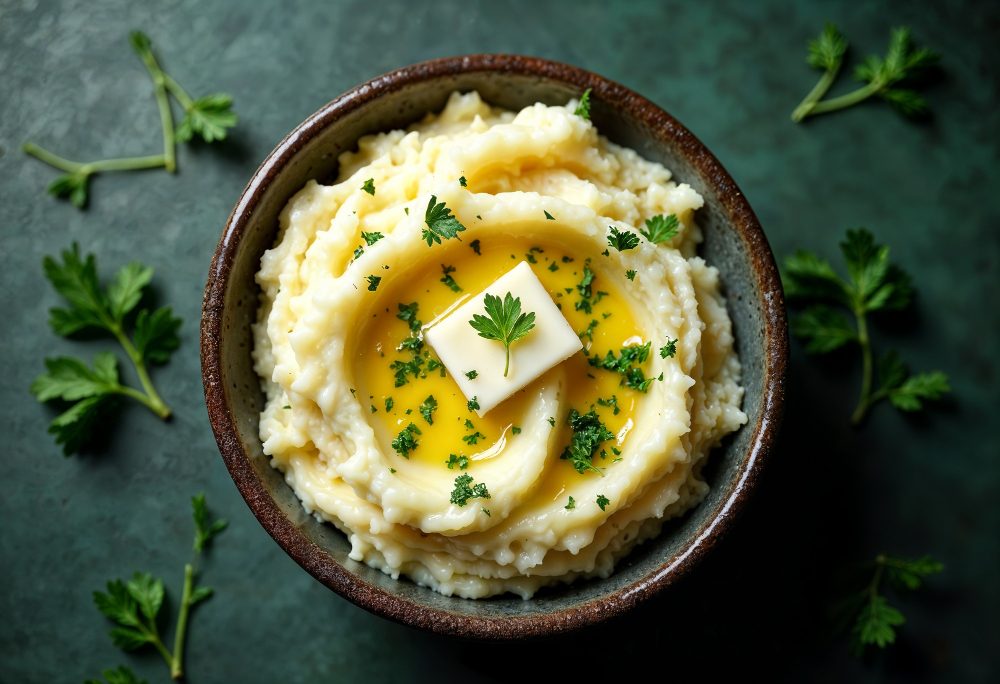
Indian regional cuisine is filled with traditional dishes that demonstrate how simple ingredients can create distinctive flavours and memorable eating experiences. Among the many vegetarian preparations of Northeast India, Aloo Pitika holds a special place in Assamese food culture. This rustic mashed potato preparation is made by combining boiled potatoes with mustard oil, chopped onions, green chillies, fresh herbs and salt. Despite its straightforward ingredients, the dish offers a distinctive combination of earthy, pungent and mildly spicy flavours that reflects the traditional cooking style of Assam.
Aloo Pitika is particularly appreciated for its simplicity. Unlike elaborate potato preparations that depend on rich gravies, multiple spices or complicated cooking techniques, this dish celebrates the natural flavour of potatoes. Mustard oil contributes its characteristic sharp aroma, onions provide sweetness and crunch, while green chillies introduce heat. Fresh coriander and other locally preferred herbs add fragrance and freshness.
The dish belongs to the broader Assamese tradition of Pitika, a category of mashed or crushed preparations made using different vegetables and other ingredients. These preparations are commonly served with rice and lentils, making them an important part of everyday meals. Aloo Pitika is one of the most familiar varieties and demonstrates how ordinary agricultural ingredients can become an essential component of regional food identity.
Beyond its flavour, Aloo Pitika represents the importance of seasonal ingredients, minimal processing and balanced combinations in traditional Assamese cooking. Its naturally vegetarian preparation also makes it suitable for people interested in exploring authentic Indian plant-based food.
What Is Aloo Pitika? Understanding Assam’s Traditional Potato Preparation
Aloo Pitika is a traditional Assamese vegetarian dish prepared by boiling potatoes, mashing them and mixing them with mustard oil, onions, green chillies, salt and fresh herbs. The word Aloo refers to potato, while Pitika describes a mashed or crushed preparation commonly found in Assamese cuisine.
The dish is known for its rustic consistency. Unlike smooth mashed potatoes prepared with butter, cream or milk, Aloo Pitika generally retains some texture. The potatoes are mashed sufficiently to combine the ingredients, but small pieces may remain to provide a more natural mouthfeel.
Mustard oil is one of the most important ingredients because it gives the preparation its distinctive flavour. Its pungent aroma contrasts with the mild taste of potatoes and creates a characteristic Assamese flavour profile.
Chopped onions add a slightly sweet and crisp element, while green chillies provide heat. Fresh coriander leaves are commonly used to introduce an aromatic finishing touch. Some household recipes also include roasted garlic, ginger or other herbs, depending on personal preferences.
Aloo Pitika is generally served as an accompaniment to steamed rice, dal and vegetable preparations. However, it can also be enjoyed with flatbreads or as part of a simple vegetarian meal.
The Cultural and Culinary Significance of Pitika in Assam
Assamese cuisine is strongly connected with the region’s agricultural environment, local ingredients and traditional household cooking practices. Rice, vegetables, pulses, herbs, fish and fermented ingredients have historically played important roles in everyday meals. Within this culinary landscape, Pitika represents a simple but significant category of food preparation.
Pitika dishes are generally made by mashing, crushing or combining cooked ingredients with seasonings. Instead of relying on complex cooking methods, these preparations highlight the original flavours of vegetables and other ingredients.
Aloo Pitika is particularly popular because potatoes are versatile, widely available and easy to prepare. Their neutral flavour allows them to absorb the characteristics of mustard oil, onions, chillies and herbs without requiring an elaborate spice mixture.
In traditional Assamese households, meals often include steamed rice accompanied by several smaller preparations. Pitika fits naturally into this arrangement because a small portion can provide a concentrated flavour alongside otherwise simple foods.
The cultural importance of Pitika also comes from its adaptability. Different households prepare it according to their preferred ingredients and the availability of fresh herbs. Some prefer a stronger mustard oil flavour, while others use additional chillies or roasted ingredients.
This flexibility has helped preserve the dish as part of everyday Assamese food culture rather than limiting it to special occasions.
The Essential Ingredients Used in Traditional Aloo Pitika
The appeal of Aloo Pitika comes from its small collection of ingredients. Each component contributes a particular flavour, texture or nutritional characteristic to the preparation.
Potatoes: The Foundation of the Dish
Potatoes are the primary ingredient and provide the soft, starchy base of Aloo Pitika. They are generally boiled until completely tender before being peeled and mashed.
Their mild flavour makes them suitable for absorbing the pungency of mustard oil and the sharpness of onions and chillies. Depending on the potato variety, the finished preparation may be relatively smooth or slightly coarse.
Potatoes also provide carbohydrates, which serve as an important source of energy. They contain potassium, vitamin C and small amounts of other nutrients. Their nutritional composition can vary according to variety and cooking method.
For traditional preparation, potatoes should be cooked until soft enough to mash easily without becoming excessively watery.
Mustard Oil: The Signature Flavour
Mustard oil is one of the most distinctive ingredients in Assamese Aloo Pitika. It contributes a pungent aroma and sharp flavour that differentiates the dish from other mashed potato preparations.
In many traditional preparations, mustard oil is added directly to the mashed potatoes. Its strong flavour combines with the mild starchiness of the potatoes and the freshness of the other ingredients.
Mustard oil is also associated with several regional cuisines of eastern and northeastern India. Its use reflects the importance of locally familiar cooking fats in traditional food preparation.
The quantity should be adjusted according to personal preference because excessive mustard oil can overpower the other ingredients.
Onions: Adding Sweetness and Crunch
Finely chopped onions provide an important textural contrast. Their natural sweetness balances the pungency of mustard oil, while their crispness prevents the preparation from becoming entirely soft.
Raw onions are commonly used, although some households prefer lightly roasted or sautéed onions for a milder flavour.
They also contribute small amounts of vitamin C, dietary fibre and naturally occurring plant compounds.
Green Chillies: Creating Fresh Heat
Green chillies give Aloo Pitika its characteristic sharpness and mild to moderate heat. They are generally chopped finely and mixed directly into the mashed potatoes.
Their intensity depends on the variety and quantity used. Some preparations contain only a small amount for fragrance, while others are noticeably spicy.
Green chillies also contain vitamin C and capsaicinoids, the naturally occurring compounds responsible for their pungency.
Fresh Herbs: Completing the Flavour
Fresh coriander is commonly used to add a refreshing herbal aroma. Its mild citrus-like fragrance complements the stronger flavours of mustard oil and green chillies.
Depending on regional and household preferences, other fresh herbs may also be incorporated. Their inclusion adds complexity without changing the basic identity of the dish.
How Traditional Assamese Aloo Pitika Is Prepared
Preparing Aloo Pitika is relatively simple because it does not require elaborate cooking equipment or a complicated sequence of steps. However, the quality of the final preparation depends on the potatoes, the balance of seasonings and the way the ingredients are combined.
The process begins by washing the potatoes thoroughly to remove dirt and impurities. They are then boiled in water until completely tender. A knife or fork should pass through the centre easily, indicating that the potatoes are sufficiently cooked.
Once boiled, the potatoes are allowed to cool slightly before their skins are removed. They are transferred to a large bowl and mashed using a fork, potato masher or traditional hand-mashing technique.
The objective is to achieve a soft but slightly textured consistency. Over-mashing can produce a paste-like preparation, while insufficient mashing may leave large pieces that do not combine evenly with the seasonings.
Mustard oil is added to the mashed potatoes and mixed gently. Finely chopped onions and green chillies are then incorporated, followed by salt according to taste.
Fresh coriander leaves are added near the end to preserve their fragrance. The mixture is combined until the ingredients are evenly distributed.
Some traditional variations also include roasted garlic, which introduces a deeper aroma. Others use lightly crushed roasted chillies for additional smokiness.
The finished Aloo Pitika is served fresh, often alongside steamed rice and dal. Its preparation is quick once the potatoes have been boiled, making it a practical dish for everyday meals.
The Importance of Mustard Oil in Assamese Food Culture
Mustard oil plays an important role in the flavour identity of several eastern and northeastern Indian cuisines. In Assam, it is used in different vegetable preparations, pickles and traditional household recipes.
Its strong aroma and pungent taste make it particularly suitable for simple dishes where a small number of ingredients are used. In Aloo Pitika, mustard oil becomes one of the primary flavour components rather than simply serving as a cooking medium.
The oil contains predominantly unsaturated fatty acids, including monounsaturated and polyunsaturated fats. However, its composition varies according to the mustard variety and processing method.
An important consideration is that mustard oil intended for consumption must meet applicable food safety and regulatory standards. In India, consumers should choose products clearly labelled for edible use and follow the manufacturer’s instructions.
The quantity also matters because oils are energy-dense foods. A moderate amount can provide the characteristic flavour without making the preparation unnecessarily heavy.
Different Variations of Aloo Pitika Across Assamese Households
Although the basic preparation remains consistent, Aloo Pitika can differ significantly between households. These variations reflect individual preferences, regional ingredients and traditional cooking techniques.
Roasted Garlic Aloo Pitika
Roasted garlic is sometimes incorporated to give the mashed potatoes a deeper and slightly smoky flavour. The garlic cloves are roasted until soft before being crushed and mixed with the potatoes.
This variation is particularly suitable for people who enjoy stronger aromatic flavours. Roasting also reduces some of the sharpness associated with raw garlic.
Roasted Chilli Aloo Pitika
Some preparations use roasted green or dried chillies instead of adding them directly in their raw form. Roasting develops a smoky flavour and changes the intensity of the chilli’s sharpness.
The roasted chillies are crushed before being mixed with the potatoes, creating a preparation with a deeper and more complex flavour.
Onion-Rich Aloo Pitika
Another variation focuses on the use of a larger quantity of chopped onions. This creates a slightly sweeter and crunchier preparation.
The onions may be used raw or lightly cooked, depending on the desired texture. Raw onions provide freshness, while sautéed onions create a softer flavour.
Herb-Based Aloo Pitika
Fresh coriander is commonly used, but some household variations incorporate additional herbs. These additions can introduce different aromatic characteristics and make the dish suitable for seasonal ingredients.
The central combination of potatoes, mustard oil and basic seasonings remains unchanged.
Nutritional Value of Aloo Pitika: A Simple Vegetarian Preparation
Aloo Pitika provides a combination of carbohydrates, fats and smaller quantities of vitamins, minerals and dietary fibre. Its nutritional composition depends on the size of the serving and the amount of mustard oil used.
Potatoes provide carbohydrates that supply energy. They also contain potassium, which plays an important role in normal muscle function, fluid balance and nerve signalling.
They provide vitamin C as well, although some of this vitamin can be lost during boiling. Cooking potatoes with their skins may help retain certain nutrients, although the traditional preparation often involves peeling them before mashing.
Onions and green chillies contribute additional plant compounds and small amounts of vitamins. Fresh coriander provides aromatic compounds and contributes to the overall variety of plant ingredients in the dish.
Mustard oil supplies dietary fats, predominantly unsaturated fatty acids. However, it also increases the energy content of the preparation, so the quantity used should be considered.
Aloo Pitika is naturally vegetarian and can be completely vegan because its traditional preparation does not require dairy products, eggs or animal-derived ingredients.
One nutritional limitation is its relatively low protein content. For a more balanced meal, it can be served with dal, chickpeas, beans or another plant-based protein source.
Combining it with green vegetables and other fibre-rich foods also improves the nutritional diversity of the meal.
Aloo Pitika and the Traditional Assamese Rice-Based Meal
In Assamese food culture, rice is a central part of everyday meals. It is commonly served with different vegetable preparations, lentils and other accompaniments that create a balanced combination of flavours and textures.
Aloo Pitika fits naturally into this food pattern. Its soft consistency complements the texture of steamed rice, while its pungent mustard oil flavour provides contrast to relatively mild preparations.
Dal is another common accompaniment. Lentils contribute plant-based protein and dietary fibre, while the potatoes provide additional carbohydrates.
Seasonal vegetable dishes can also be included to increase variety. Preparations using leafy greens, pumpkin, brinjal or other locally available vegetables create a meal with different textures and nutritional characteristics.
The simplicity of this combination demonstrates how traditional Assamese meals are often constructed through several modest preparations rather than a single elaborate dish.
Aloo Pitika Compared with Other Indian Mashed Potato Dishes
Mashed potato preparations exist across different Indian regions, but their ingredients and flavour profiles vary according to local culinary traditions.
Aloo Pitika is often compared with Bengali aloo bhorta because both preparations use mashed potatoes combined with mustard oil, onions and green chillies. The dishes share several ingredients and reflect similarities between eastern Indian food cultures.
However, Aloo Pitika is strongly associated with Assamese cuisine and its broader Pitika tradition, which includes mashed preparations made using different vegetables and ingredients.
In other parts of India, mashed potatoes may be prepared with butter, cumin, coriander powder, turmeric or cooked tomato-based seasonings. These variations produce entirely different flavour profiles.
The distinguishing characteristic of Aloo Pitika is its relatively minimal seasoning and the prominent role of mustard oil. Rather than creating a complex spice mixture, the preparation focuses on the natural flavour of potatoes combined with a few strong ingredients.
This simplicity makes it an interesting example of regional Indian cooking, where local preferences can create distinct culinary identities from familiar agricultural products.
The Role of Seasonal and Local Ingredients in Aloo Pitika
Traditional Assamese cooking is closely connected with local agricultural produce. Potatoes, onions, chillies, mustard and fresh herbs are accessible ingredients that can be combined to create an affordable and satisfying preparation.
Aloo Pitika also demonstrates the importance of using fresh ingredients rather than relying on processed flavouring products. Fresh onions provide natural sweetness and texture, while herbs contribute aroma.
The recipe is flexible enough to accommodate variations according to availability. Different chilli varieties, seasonal herbs and locally preferred mustard oils can influence the finished flavour.
This adaptability makes the preparation suitable for households with different ingredient preferences and budgets.
From a sustainability perspective, simple vegetable-based dishes can also support greater use of plant ingredients. Preparing a dish like Aloo Pitika requires relatively few ingredients and can help incorporate familiar agricultural produce into everyday meals.
Why Aloo Pitika Deserves Recognition in Modern Vegetarian Cuisine
The increasing interest in regional Indian food has encouraged people to explore traditional preparations that are different from commonly recognised restaurant dishes. Aloo Pitika deserves attention because it represents a distinctive approach to vegetarian cooking based on simplicity, flavour and local ingredients.
Many modern mashed potato recipes rely on butter, cream, cheese or elaborate seasoning. Aloo Pitika demonstrates that potatoes can develop a strong flavour profile through the use of mustard oil, onions, chillies and fresh herbs.
Its preparation is also accessible to beginners. It does not require specialised kitchen equipment, and most of its ingredients are readily available in Indian households.
For restaurants and food businesses, Aloo Pitika offers an opportunity to introduce customers to authentic Assamese cuisine. It can be included in regional vegetarian thalis, traditional rice meals and contemporary Indian food menus.
Food bloggers and culinary educators can also use the dish to explain the diversity of Pitika preparations and the importance of mustard oil in northeastern Indian cooking.
Most importantly, Aloo Pitika demonstrates that traditional vegetarian food does not need to be complicated to be flavourful. Its continued relevance reflects the value of preserving regional recipes and their associated culinary knowledge.
Conclusion
Aloo Pitika is a traditional Assamese vegetarian preparation that transforms boiled potatoes into a flavourful dish through the simple combination of mustard oil, onions, green chillies and fresh herbs. Its rustic texture, distinctive pungency and straightforward preparation make it an important part of Assam’s everyday food culture.
Beyond its taste, the dish reflects the culinary philosophy of using familiar ingredients in ways that highlight their natural characteristics. Mustard oil provides its signature flavour, onions contribute sweetness and texture, while green chillies and herbs create freshness and aromatic depth.
Aloo Pitika also fits naturally into a balanced vegetarian meal when served with steamed rice, lentils and seasonal vegetables. Its affordability, adaptability and minimal preparation requirements make it suitable for modern households interested in exploring traditional regional Indian cuisine.
Whether enjoyed as part of an Assamese thali or prepared as a simple home-cooked accompaniment, Aloo Pitika represents the richness of northeastern India’s vegetarian food traditions. It demonstrates how everyday ingredients can become an enduring part of regional culinary identity.
Online Internship with Certificate
You may be interested
Fara: Traditional Steamed Rice-Flour Dumplings of Chhattisgarh
Anshika Jain - November 13, 2026India’s traditional cuisine is known for transforming simple agricultural ingredients into nutritious, flavourful and culturally meaningful dishes. Across different regions, rice, lentils, seasonal vegetables and locally available…
Mocha Ghonto: Bengal’s Banana Blossom Curry with Potatoes and Bengali Spices
Anshika Jain - November 13, 2026Bengali cuisine is celebrated for its remarkable variety of vegetarian preparations, distinctive spice combinations and creative use of seasonal vegetables. Among its traditional dishes, Mocha Ghonto holds…
Chakuli Pitha: Odisha’s Traditional Fermented Rice and Black Gram Pancakes
Anshika Jain - November 13, 2026Indian regional cuisine is known for its remarkable diversity, with traditional recipes reflecting local agricultural practices, seasonal ingredients and generations of culinary knowledge. Among the many traditional…
Most from this category

Papanasi: Romania’s Soft Cheese Doughnuts Served with Sour Cream and Fruit Preserves
Anshika Jain - November 13, 2026
Briam: Greece’s Oven-Roasted Vegetable Dish with Olive Oil, Herbs and Tomatoes
Anshika Jain - November 13, 2026
Bissara: Vegetarian Preparation of Fava Beans, Split Peas, Garlic and Olive Oil
Anshika Jain - November 12, 2026
Kuku Bademjan: Vegetarian Dish of Aubergine, Fresh Herbs and Aromatic Spices
Anshika Jain - November 12, 2026Papanasi: Romania’s Soft Cheese Doughnuts Served with Sour Cream and Fruit Preserves
Anshika Jain - November 13, 2026Briam: Greece’s Oven-Roasted Vegetable Dish with Olive Oil, Herbs and Tomatoes
Anshika Jain - November 13, 2026Bissara: Vegetarian Preparation of Fava Beans, Split Peas, Garlic and Olive Oil
Anshika Jain - November 12, 2026
Fara: Traditional Steamed Rice-Flour Dumplings of Chhattisgarh
November 13, 2026



Leave a Comment