

Chakuli Pitha: Odisha’s Traditional Fermented Rice and Black Gram Pancakes

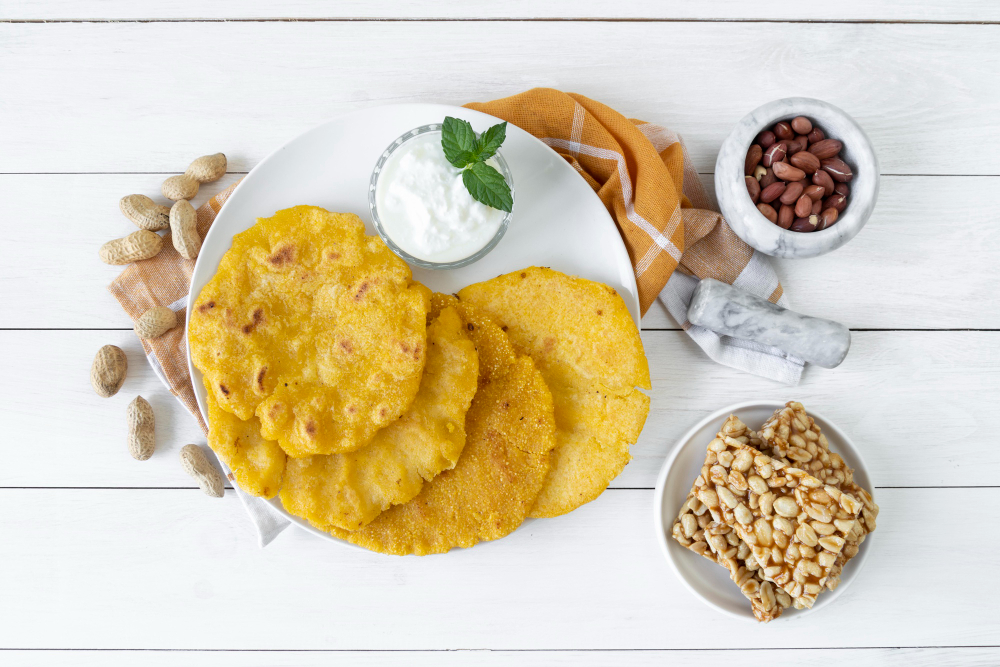
Indian regional cuisine is known for its remarkable diversity, with traditional recipes reflecting local agricultural practices, seasonal ingredients and generations of culinary knowledge. Among the many traditional foods of eastern India, Chakuli Pitha holds a special place in the food culture of Odisha. Prepared using fermented rice and black gram batter, this soft, mildly tangy pancake is a popular traditional food enjoyed in different parts of the state. Its simple ingredients, delicate texture and versatile serving options make it an important example of Odisha’s plant-based culinary heritage.
Chakuli Pitha is particularly interesting because it uses fermentation to transform ordinary grains and pulses into a soft, flavourful preparation. Rice provides the main structure, while black gram, commonly known as urad dal, contributes protein and helps create a smooth batter. After fermentation, the mixture is cooked on a flat pan or traditional griddle to produce thin or moderately thick pancakes with a soft interior.
Unlike many modern pancakes that depend on refined flour, milk or eggs, traditional Chakuli Pitha is naturally prepared using plant-based ingredients. Its characteristic flavour develops through the fermentation process rather than artificial flavouring or complicated seasoning. Depending on regional and household preferences, it can be served with vegetable curries, coconut chutney, dalma, lentil preparations or other traditional Odia accompaniments.
The dish also represents the relationship between food preparation and local agricultural traditions. Rice and black gram have long been important ingredients in eastern Indian cooking, making Chakuli Pitha an accessible and practical preparation for households. Its continued popularity demonstrates how traditional vegetarian recipes can remain relevant in modern food culture.
What Is Chakuli Pitha? Understanding Odisha’s Traditional Pancake
Chakuli Pitha is a traditional Odia pancake made from a fermented batter of rice and black gram. It is generally prepared by soaking the ingredients, grinding them into a smooth mixture, allowing the batter to ferment and cooking it on a heated flat surface.
The word Pitha is commonly associated with traditional rice-based preparations found across eastern India. Odisha has a particularly rich pitha tradition, with different varieties prepared through steaming, frying, roasting and pan-cooking. Chakuli Pitha is one of the varieties distinguished by its fermented batter and pancake-like appearance.
Its texture is one of its most recognisable characteristics. Properly fermented batter produces pancakes that are soft, flexible and slightly spongy. The exterior may develop a light golden colour depending on the cooking method, while the inside remains tender.
The flavour is generally mild, with a subtle sourness created through natural fermentation. This makes Chakuli Pitha suitable for both savoury and mildly sweet accompaniments.
It is commonly enjoyed as a breakfast or light meal, although it can also be served during lunch or dinner. Its versatility allows it to fit into different meal patterns without requiring major changes to the traditional recipe.
The Cultural and Historical Significance of Chakuli Pitha in Odisha
Odisha has a long-standing tradition of preparing rice-based foods that reflect the state’s agricultural identity and regional food practices. Rice is one of the most important staple ingredients in Odia cuisine, and its use extends far beyond ordinary steamed rice. It is transformed into fermented batters, steamed cakes, sweet preparations, savoury pancakes and festive foods.
Chakuli Pitha represents this culinary relationship between rice and traditional household cooking. Its preparation requires ingredients that have historically been accessible to many households, particularly rice and black gram. These ingredients are often stored in dry form and can be transformed into fresh meals through soaking, grinding and fermentation.
The dish is also connected with Odisha’s broader Pitha tradition, which includes preparations made for festivals, family gatherings and religious occasions. Different varieties of Pitha are associated with different seasons and celebrations, particularly agricultural and harvest-related traditions.
Although Chakuli Pitha is widely enjoyed as an everyday food, its importance extends beyond convenience. It reflects the knowledge of traditional fermentation techniques and the ability of regional communities to create satisfying meals from locally available ingredients.
In contemporary Odisha, Chakuli Pitha continues to be prepared in homes and traditional food establishments. It is also increasingly recognised by people exploring regional Indian vegetarian cuisine and traditional fermented foods.
The Essential Ingredients Used in Chakuli Pitha
The traditional preparation of Chakuli Pitha depends on a relatively small number of ingredients. However, their quality and proportions influence the final texture, fermentation and flavour.
Rice: The Primary Ingredient
Rice forms the foundation of Chakuli Pitha. Traditionally, ordinary rice suitable for grinding into batter is used. The rice provides carbohydrates and gives the pancake its characteristic structure.
When soaked and ground, rice develops a smooth consistency that allows it to combine effectively with black gram. The quality of the rice can influence how easily the batter spreads across the cooking surface.
Rice also contributes to the mild flavour of Chakuli Pitha, making it suitable for pairing with strongly flavoured curries and chutneys.
Different households may use locally available varieties of rice according to their preferences. The essential requirement is that the rice can be ground into a smooth batter capable of fermentation.
Black Gram: Improving Texture and Nutritional Value
Black gram, commonly known as urad dal, is the second major ingredient. It plays an important role in the texture and fermentation characteristics of Chakuli Pitha.
When soaked and ground, black gram develops a soft, slightly fluffy consistency. During fermentation, it helps the batter retain air and develop a lighter structure.
From a nutritional perspective, black gram provides plant-based protein, dietary fibre, iron and other minerals. Its inclusion also improves the overall nutritional diversity of a rice-based preparation.
The combination of rice and black gram is particularly significant in Indian food traditions because the two ingredients contribute different nutritional and functional properties.
Water: Supporting Batter Consistency
Water is essential for soaking and grinding the ingredients. It also determines how thick or thin the final batter becomes.
The amount of water should be controlled carefully because excessively thick batter may be difficult to spread, while very thin batter can produce pancakes that lack structure.
The desired consistency is generally smooth and pourable without becoming watery.
Salt and Cooking Oil
Salt is added according to taste, usually after fermentation or during the final batter preparation. It enhances the natural flavour without overpowering the mild taste of the rice and black gram.
A small quantity of vegetable oil may be used to grease the cooking surface. Traditional household preferences differ, and some cooks use minimal oil to maintain the soft texture of the pancake.
The Science of Fermentation in Chakuli Pitha
Fermentation is one of the most important stages in preparing Chakuli Pitha. It changes the physical and flavour characteristics of the rice and black gram batter, helping produce its characteristic softness and mild tanginess.
The process begins when the soaked grains and pulses are ground and combined with water. Naturally occurring microorganisms present in the ingredients and surrounding environment become active under suitable conditions.
During fermentation, microorganisms metabolise available carbohydrates and produce different compounds, including organic acids and gases. These changes influence the batter’s aroma, acidity and structure.
The production of gas can create small air pockets within the batter. When the fermented mixture is cooked, these pockets contribute to a softer and lighter texture.
Fermentation also changes certain nutritional and functional properties of the ingredients. Depending on the microorganisms, fermentation conditions and duration, it may reduce some naturally occurring antinutritional compounds, including phytates. This can influence mineral availability, although the extent of the effect varies.
The development of mild acidity is another important characteristic. It gives Chakuli Pitha a subtle fermented flavour that distinguishes it from pancakes prepared using freshly mixed, unfermented batter.
Temperature plays an important role in this process. In warmer conditions, fermentation may occur relatively quickly, while cooler environments can slow microbial activity. Therefore, the fermentation period should be adjusted according to the local climate and the condition of the batter rather than following a fixed time in every situation.
How Traditional Chakuli Pitha Is Prepared
The preparation of Chakuli Pitha involves soaking, grinding, fermenting and pan-cooking. Although the ingredients are simple, each stage contributes to the final texture.
The process begins by washing the rice and black gram separately to remove dust and other impurities. Both ingredients are then soaked in water for several hours until they become sufficiently soft for grinding.
After soaking, the excess water is drained. The rice and black gram are ground into a smooth batter using a traditional grinding stone or a modern mixer. Depending on household preferences, the ingredients may be ground separately and then combined or processed together.
Water is added gradually to achieve a smooth, pourable consistency. The batter is transferred into a sufficiently large container and left to ferment in a warm place. During this period, natural microbial activity helps the mixture develop its characteristic flavour and texture.
Once fermentation is complete, the batter is gently stirred. Salt is added according to taste, and a little water can be incorporated if the mixture has become too thick.
The pancake is cooked until its surface begins to set and the underside develops a light golden colour. It may be turned over to cook the other side, depending on the preferred preparation style.Once fully cooked, it is removed from the pan and served warm. The final result should be soft, flexible and slightly spongy, with a mild fermented flavour.
Different Textural Characteristics of Chakuli Pitha
The texture of Chakuli Pitha is influenced by several factors, including the rice-to-black-gram ratio, grinding quality, fermentation duration and cooking temperature.
A properly prepared batter produces pancakes that are soft and moderately thick. Their interior should remain tender rather than becoming dry or rubbery.
The black gram contributes to the batter’s ability to retain air, while rice provides the main structure. Together, they create a consistency that differs from ordinary rice pancakes.
Fermentation also influences the appearance of the finished preparation. A well-fermented batter may develop small pores across the surface, indicating that gas has been produced during microbial activity.
The thickness can vary according to personal preference. Some households prepare relatively thin Chakuli Pitha, while others prefer thicker pancakes with a softer centre.
Cooking temperature is equally important. Excessively high heat can brown the outside too quickly, leaving the centre insufficiently cooked. Moderate heat allows the pancake to cook more evenly.
Nutritional Value of Chakuli Pitha: A Naturally Vegetarian Food
Chakuli Pitha combines rice and black gram, two ingredients that contribute different nutritional properties. This makes it a useful traditional preparation within a varied vegetarian diet.
Rice provides carbohydrates, which are an important energy source for the body. Its contribution depends on the variety of rice used and the amount consumed.
Black gram contributes plant-based protein, dietary fibre and minerals such as iron, magnesium and potassium. It also provides complex carbohydrates and other nutrients that support overall dietary diversity.
The combination of rice and black gram is particularly valuable from a food-composition perspective. Rice is relatively rich in carbohydrates, while black gram contributes more protein and fibre. Consuming them together provides a broader nutritional profile than relying exclusively on one ingredient.
Fermentation may also influence the digestibility and nutritional characteristics of the batter. Microbial activity can modify certain carbohydrates and reduce some antinutritional compounds, although these effects depend on the preparation conditions.
The overall nutritional value of Chakuli Pitha also depends on the cooking method. Using a moderate amount of oil can help keep the preparation relatively light, while excessive oil increases its energy content.
Because the traditional recipe does not require meat, fish or eggs, Chakuli Pitha is naturally suitable for vegetarian diets. It can also be vegan when prepared using plant-based cooking oil and served without dairy-based accompaniments.
However, it should be combined with other foods to create a more balanced meal. Vegetable curries, lentil preparations and fresh salads can add vitamins, minerals and dietary variety.
Traditional Accompaniments Served with Chakuli Pitha
One of the most appealing characteristics of Chakuli Pitha is its ability to complement a variety of traditional Odia dishes. Its mild flavour makes it suitable for both simple and richly seasoned accompaniments.
Dalma: A Traditional Vegetable and Lentil Combination
Dalma is one of Odisha’s most recognised traditional preparations. It is made using lentils and vegetables such as pumpkin, raw banana, papaya, brinjal and other seasonal produce.
Its mildly spiced flavour and nutritious ingredients make it an excellent accompaniment to Chakuli Pitha. The soft pancake absorbs the flavours of the lentil and vegetable mixture, creating a satisfying vegetarian meal.
The combination also provides additional plant-based protein and dietary fibre.
Coconut Chutney: Adding Freshness and Creaminess
Coconut chutney is another suitable accompaniment. Fresh coconut can be ground with green chillies, ginger, salt and other seasonings to create a smooth or slightly textured preparation.
Its natural richness complements the mild acidity of fermented Chakuli Pitha. The contrast between the soft pancake and creamy chutney creates an enjoyable combination.
Vegetable Curries: Enhancing Flavour Diversity
Seasonal vegetable curries are also commonly suitable for serving with Chakuli Pitha. Preparations made with potatoes, pumpkin, cauliflower, spinach or mixed vegetables can provide additional flavour and nutritional variety.
The mild taste of the pancake allows the spices and textures of the curry to become more prominent.
Lentil Preparations and Light Soups
Simple dal preparations can also be served alongside Chakuli Pitha. Their smooth consistency makes them suitable for a light breakfast or evening meal.
This combination is especially practical for households that prefer familiar ingredients and straightforward cooking methods.
Chakuli Pitha and Odisha’s Wider Pitha Tradition
Odisha has an extensive collection of traditional Pitha varieties, each reflecting different ingredients, cooking techniques and cultural practices.
Some Pithas are steamed, others are fried, and several are prepared using fermented or non-fermented rice mixtures. Their flavours can range from savoury to sweet, depending on the ingredients.
Chakuli Pitha is particularly distinctive because of its fermented rice and black gram batter. Its preparation shares certain similarities with other fermented South Indian and eastern Indian foods, but its regional identity comes from Odia cooking traditions and serving practices.
Traditional Odia cuisine also includes varieties such as Enduri Pitha, Manda Pitha, Kakara Pitha and Arisa Pitha. These preparations differ in their ingredients, shapes and cooking methods.
While some Pithas are closely associated with particular festivals, Chakuli Pitha is also enjoyed as an everyday food. This combination of cultural relevance and practical preparation has helped it remain an important part of regional food traditions.
Chakuli Pitha Compared with Dosa and Other Indian Pancakes
Chakuli Pitha is sometimes compared with dosa because both preparations use fermented rice and black gram batter. However, their textures, cooking techniques and regional identities are not identical.
Traditional dosa is generally spread into a thin layer on a hot griddle. It is cooked until its surface becomes crisp, often with a soft interior depending on the variety.
Chakuli Pitha is commonly thicker and softer. Its primary characteristic is a tender, flexible texture rather than the crisp exterior associated with many dosa varieties.
The serving traditions also differ. Dosa is widely associated with accompaniments such as sambar and coconut chutney, while Chakuli Pitha is strongly connected with Odia dishes such as Dalma and other regional vegetable preparations.
Other Indian pancakes, such as pesarattu from Andhra Pradesh, use different primary ingredients. Pesarattu is mainly prepared with green gram, whereas Chakuli Pitha relies on rice and black gram.
These differences demonstrate how similar cooking principles can produce distinct regional foods through variations in ingredients, proportions and preparation techniques.
The Importance of Traditional Fermentation in Modern Food Culture
Interest in fermented foods has increased considerably as people explore traditional food preparation methods and their relationship with flavour, texture and food science.
Chakuli Pitha offers a useful example of how fermentation can be incorporated into everyday cooking without requiring specialised equipment or industrial ingredients.
Its preparation demonstrates the practical application of microbial activity in traditional kitchens. Rather than using commercial flavouring agents or chemical leavening as the primary source of its characteristic taste, the batter develops through natural fermentation.
The process also reflects the importance of food knowledge passed between generations. Understanding when batter is ready, how its consistency should feel and how it responds to temperature often comes through practical household experience.
From a modern food-science perspective, traditional fermented preparations provide opportunities to study microbial diversity, fermentation conditions, flavour development and changes in food structure.
However, fermentation must be carried out hygienically. Clean utensils, suitable water and appropriate storage conditions are important. Batter should not be left at uncontrolled temperatures for excessive periods, and any mixture showing unusual discoloration, mould or unpleasant spoilage odours should be discarded.
Why Chakuli Pitha Deserves Recognition in Modern Vegetarian Cuisine
The growing interest in regional Indian food has created opportunities to rediscover traditional recipes that are nutritious, affordable and culturally significant. Chakuli Pitha is an excellent example of such a preparation.
Its ingredients are relatively accessible, and the recipe does not depend on expensive equipment or processed substitutes. Rice and black gram can be transformed into a versatile meal through traditional soaking, grinding and fermentation techniques.
For modern vegetarian households, Chakuli Pitha offers an alternative to commercially produced breakfast foods. It can be prepared in advance through the fermentation process and cooked fresh when required.
It also provides an opportunity to introduce people to Odisha’s culinary heritage. Many regional Indian dishes remain less familiar outside their states of origin, despite their distinctive flavours and traditional significance.
Restaurants and food businesses can also include Chakuli Pitha in regional vegetarian menus, particularly when served with authentic Odia accompaniments. Its simple presentation and familiar ingredients make it approachable for people who are exploring traditional eastern Indian cuisine.
Conclusion
Chakuli Pitha is an important example of Odisha’s traditional vegetarian food culture. Prepared using fermented rice and black gram batter, this soft pancake combines simple agricultural ingredients with the culinary knowledge of natural fermentation. Its mildly tangy flavour, tender texture and versatile serving options make it suitable for breakfast, lunch or a light evening meal.
Beyond its taste, Chakuli Pitha reflects the significance of rice-based preparations in Odia cuisine and demonstrates how fermentation can improve the texture and flavour of everyday foods. Its combination of carbohydrates and plant-based protein also makes it a useful component of a varied vegetarian diet.
Whether served with traditional Dalma, coconut chutney, vegetable curry or lentil preparations, Chakuli Pitha offers a satisfying culinary experience rooted in regional heritage. Its continued popularity highlights the value of preserving traditional Indian recipes and introducing their distinctive flavours to new generations.
Online Internship with Certificate
You may be interested
Fara: Traditional Steamed Rice-Flour Dumplings of Chhattisgarh
Anshika Jain - November 13, 2026India’s traditional cuisine is known for transforming simple agricultural ingredients into nutritious, flavourful and culturally meaningful dishes. Across different regions, rice, lentils, seasonal vegetables and locally available…
Mocha Ghonto: Bengal’s Banana Blossom Curry with Potatoes and Bengali Spices
Anshika Jain - November 13, 2026Bengali cuisine is celebrated for its remarkable variety of vegetarian preparations, distinctive spice combinations and creative use of seasonal vegetables. Among its traditional dishes, Mocha Ghonto holds…
Aloo Pitika: Assam’s Rustic Mashed Potato Dish with Mustard Oil, Onions and Herbs
Anshika Jain - November 13, 2026Indian regional cuisine is filled with traditional dishes that demonstrate how simple ingredients can create distinctive flavours and memorable eating experiences. Among the many vegetarian preparations of…
Most from this category

Papanasi: Romania’s Soft Cheese Doughnuts Served with Sour Cream and Fruit Preserves
Anshika Jain - November 13, 2026
Briam: Greece’s Oven-Roasted Vegetable Dish with Olive Oil, Herbs and Tomatoes
Anshika Jain - November 13, 2026
Bissara: Vegetarian Preparation of Fava Beans, Split Peas, Garlic and Olive Oil
Anshika Jain - November 12, 2026
Kuku Bademjan: Vegetarian Dish of Aubergine, Fresh Herbs and Aromatic Spices
Anshika Jain - November 12, 2026Papanasi: Romania’s Soft Cheese Doughnuts Served with Sour Cream and Fruit Preserves
Anshika Jain - November 13, 2026Briam: Greece’s Oven-Roasted Vegetable Dish with Olive Oil, Herbs and Tomatoes
Anshika Jain - November 13, 2026Bissara: Vegetarian Preparation of Fava Beans, Split Peas, Garlic and Olive Oil
Anshika Jain - November 12, 2026
Fara: Traditional Steamed Rice-Flour Dumplings of Chhattisgarh
November 13, 2026


Leave a Comment