

Koloocheh: Filled Pastry Decorated With Intricate Patterns

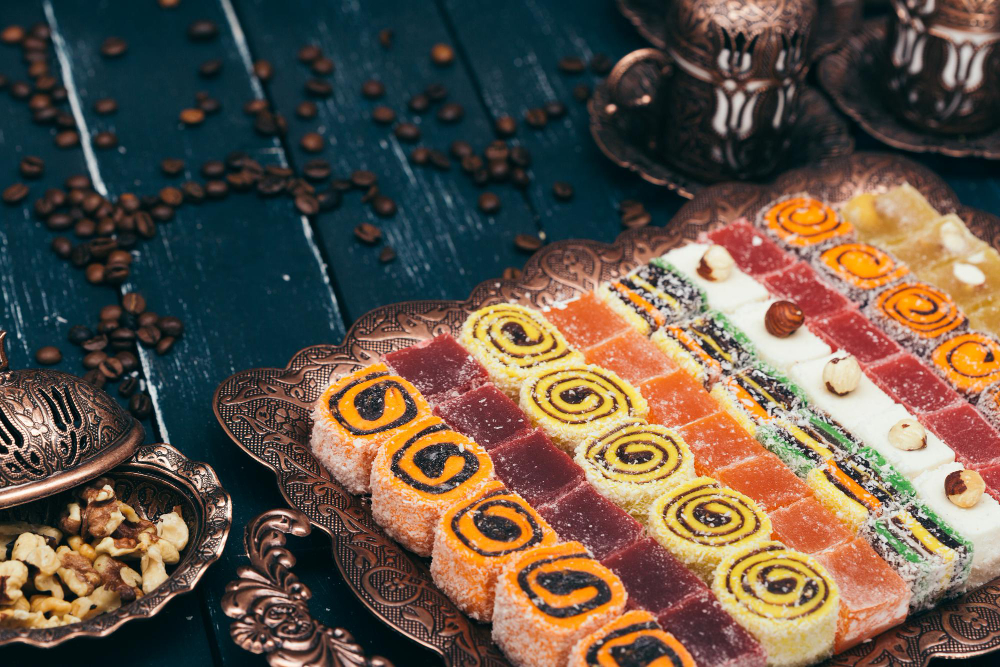
Traditional pastries often tell stories about the communities that prepare them. Their ingredients reflect regional agriculture, while their shapes and preparation methods preserve generations of culinary knowledge. Koloocheh, a traditional Persian filled pastry, beautifully demonstrates this connection between food, craftsmanship, and cultural identity.
Known for its fragrant filling and decorative surface, Koloocheh is particularly associated with northern Iran’s Caspian coastal provinces. Regions such as Gilan and Mazandaran have developed distinctive versions of this beloved baked treat. The city of Fuman in Gilan is especially famous for its regional Koloocheh, which features a rounded shape and characteristic patterns pressed into the dough.
Koloocheh combines a tender pastry exterior with fillings that may include walnuts, dates, sugar, and aromatic spices. Cardamom, cinnamon, and rose water can provide additional fragrance. Depending on the regional recipe, the finished pastry may be soft and bread-like or more delicate and crumbly.
Its intricate surface decoration makes Koloocheh especially recognisable. Traditional molds create spirals, circles, floral forms, and other patterns before baking. These details transform an ordinary pastry into an attractive piece of edible craftsmanship.
Beyond its taste, Koloocheh represents Persian hospitality and the importance of sharing food. It is enjoyed with tea, offered to guests, and prepared for celebrations. Its continued popularity shows how traditional baking can preserve cultural identity while adapting to modern tastes.
What Is Koloocheh?
Koloocheh is a traditional Iranian pastry or cookie made from dough that may enclose a sweet filling. The Persian name is associated with small baked cakes or breads, although the exact form varies between regions. Some versions resemble soft, filled buns, while others have the texture of stamped cookies.
The pastry generally begins with wheat flour combined with ingredients such as butter, oil, sugar, milk, yoghurt, or water. Recipes vary in their use of leavening agents. Some preparations produce a tender, enriched dough, while others create a firmer exterior that becomes lightly crisp during baking.
The filling is an essential part of the experience. Walnuts are widely used, often combined with sugar and spices. Dates provide a naturally sweet alternative, while coconut, pistachios, and other ingredients appear in different recipes. Rose water and cardamom may add a delicate floral aroma.
Koloocheh is not a single standardised recipe. Its appearance, texture, and flavour depend on local traditions, family preferences, and the ingredients available. This diversity is part of its appeal because each regional version expresses a different interpretation of Persian baking.
Although Koloocheh is sometimes described simply as a cookie, the term covers a broader family of baked products. Understanding this variation helps explain why two pastries with the same name may look and taste noticeably different.
The Regional Heritage of Koloocheh
Koloocheh has a long-standing place in Iranian baking traditions. Historical references to related Persian baked sweets appear in literary and dictionary sources, while regional food customs have preserved numerous local variations. Its history is therefore best understood as part of a broader tradition of small cakes, sweet breads, and filled pastries rather than as a single recipe with one universally documented origin.
Northern Iran is particularly associated with the soft, filled forms of Koloocheh. Gilan and Mazandaran lie along the Caspian Sea, where local food cultures reflect regional agriculture, trade, and established household baking practices. In Gilan, Fuman has become closely identified with its own distinctive version.
Fuman-style Koloocheh is generally round and relatively large compared with many small cookies. Its surface often displays spiral or circular patterns, making it visually distinctive. These pastries are sold in local bakeries and are also purchased as regional food gifts.
Other Iranian cities and provinces have their own interpretations of Koloocheh. Differences may involve flour, fat, sweetness, filling, shape, and baking technique. Some versions are more delicate and crisp, while others have a softer, cake-like interior.
This regional variety reflects a broader feature of Iranian cuisine. Foods can share a name while retaining local identities shaped by community traditions. Koloocheh is therefore not merely a popular sweet; it is also an example of how regional baking traditions develop and survive across generations.
The Art of Intricate Patterns on Koloocheh
One of Koloocheh’s most distinctive features is its decorated surface. Before baking, the pastry is often pressed with a traditional mold or stamped by hand. The resulting patterns may include spirals, rings, floral shapes, and geometric arrangements.
These designs are more than decorative additions. They help give Koloocheh its recognisable appearance and distinguish it from ordinary filled cookies. In regions where particular forms are well known, the surface pattern can become closely associated with the local style.
Traditional wooden molds are important tools in this process. A baker presses the mold gently against the shaped dough to create a clear impression without breaking the surface. The design must be deep enough to remain visible after baking, but not so forceful that the filling escapes or the dough becomes damaged.
The process requires a balance between pressure, dough consistency, and moisture. Dough that is too soft may lose its pattern, while dough that is too dry may crack during shaping. Bakers develop an understanding of these qualities through experience.
Patterns also reveal the practical creativity of traditional baking. A simple tool can turn a plain piece of dough into something visually distinctive. The repeated motifs provide a sense of continuity between individual pastries and connect contemporary bakers with established regional techniques.
Modern bakeries may use metal stamps or specialised production equipment. However, the principle remains similar: a recognisable pattern is impressed before baking. Even when the tools change, the decorated surface continues to communicate the pastry’s traditional identity.
What Goes Into Koloocheh?
Koloocheh’s flavour depends on the relationship between its dough and filling. The exterior provides structure and a tender bite, while the centre delivers sweetness, aroma, and richness. The exact ingredients vary by recipe, but several components are common across different versions.
Wheat flour forms the main structure of the pastry. Butter, oil, or another fat contributes tenderness and flavour. Sugar provides sweetness, while milk, yoghurt, or water helps bring the dough together. Some recipes use for richness and structure, and others rely on different combinations of ingredients.
The filling often includes walnuts mixed with sugar and spices. Walnuts provide a rich, slightly earthy taste that balances the sweetness of the dough. Cinnamon and cardamom add warmth, while rose water can contribute a delicate floral note.
Date filling offers a different flavour profile. Dates have a deep caramel-like sweetness and a dense texture, making them suitable for enclosed pastries. Depending on the preparation, they may be mixed with nuts, spices, or other ingredients.
Coconut and pistachio fillings also appear in contemporary or regional variations. Coconut gives a sweeter, chewy texture, while pistachios contribute a mild nutty flavour and a distinctive colour. These variations demonstrate how the pastry can adapt without losing its basic structure.
The quality of the ingredients affects the finished result. Fresh nuts provide a fuller flavour, while carefully balanced spices prevent the filling from overwhelming the pastry. The most successful Koloocheh allows the dough, filling, and aromatic ingredients to complement one another.
How Traditional Koloocheh Is Prepared
Koloocheh preparation begins with making the dough. Flour is combined with the selected fat, sweetener, and liquid ingredients until a workable consistency develops. Depending on the recipe, the dough may rest or rise before shaping. This step helps create a texture suitable for enclosing the filling and holding the decorative design.
The filling is prepared separately. For a walnut version, the nuts may be finely chopped or ground and combined with sugar and spices. A date version uses softened or mashed dates, sometimes mixed with nuts or flavourings. The filling should be cohesive enough to remain inside the pastry during shaping and baking.
The dough is then divided into portions and shaped into rounds. A portion of filling is placed in the centre before the edges are brought together and sealed. The filled dough is gently flattened or shaped according to the regional style. Careful sealing is important because gaps may allow the filling to escape during baking.
Next comes the decorative stage. The baker presses a mold into the surface or creates a pattern using suitable traditional tools. Some versions are finished with an wash or seeds, depending on the recipe. These finishing touches contribute colour and texture.
The pastries are baked until their surfaces develop the desired golden colour and their interiors are properly cooked. Baking time depends on their size, dough composition, and filling. After baking, they are allowed to cool so that their structure can settle and the flavours become easier to appreciate.
Although modern equipment can simplify parts of the process, shaping and decorating remain central to the pastry’s character. The finished Koloocheh reflects both ingredient selection and the baker’s control over dough, filling, and pattern.
Understanding the Flavour and Texture
Koloocheh offers a combination of textures that makes it different from an ordinary plain biscuit. Depending on the regional style, its exterior may be tender, lightly crumbly, or closer to a soft bread. The filling introduces a contrasting texture, particularly when it contains ground nuts or pieces of dates.
Walnut-filled Koloocheh typically has a rich, nutty centre. Cinnamon and cardamom contribute warmth without necessarily making the pastry intensely spicy. Rose water can create a subtle floral fragrance that becomes more noticeable as the pastry is opened or bitten.
Date-filled versions tend to taste sweeter and denser. The natural sugars in dates provide depth, while nuts can add contrast. Coconut versions offer another variation, producing a sweeter filling with a different mouthfeel.
The level of sweetness varies widely. Some Koloocheh recipes are designed as indulgent celebration pastries, while others have a more restrained sweetness suited to serving with tea. This balance matters because the filling and the dough should work together rather than compete.
The decorative exterior also contributes to the eating experience in a subtle way. The pressed patterns may create slight differences in surface texture, while the golden colour gives the pastry visual appeal. Koloocheh is therefore appreciated through its appearance, aroma, and taste together.
Koloocheh and Persian Hospitality
Hospitality is an important part of many Persian food traditions, and sweets often play a role in welcoming guests. Koloocheh fits naturally into this setting because it can be prepared in batches, stored for later serving, and offered alongside tea.
A plate of Koloocheh provides more than a sweet snack. Its presence can express care, generosity, and the effort involved in preparing something special. Homemade versions may also carry family associations, particularly when recipes and decorative techniques are passed between generations.
The pastry is commonly associated with festive periods and special occasions. It may be prepared for Nowruz, the Persian New Year, and other gatherings, although customs vary by region and household. It is also enjoyed throughout the year as an everyday treat.
Sharing Koloocheh with tea creates a familiar pairing in which the drink balances the pastry’s sweetness and richness. Its convenient size also makes it suitable for serving to visitors or including in gift boxes.
Food traditions often survive because they remain useful in everyday life. Koloocheh’s ability to function as a celebratory sweet, a tea-time snack, and a regional gift helps maintain its place in contemporary Iranian food culture.
Koloocheh During Nowruz and Other Celebrations
Nowruz marks the beginning of the Persian New Year and is celebrated in Iran and other communities with cultural connections to the Persian world. Food preparation forms part of the wider celebration, alongside family visits, seasonal customs, and the renewal associated with the arrival of spring.
Koloocheh is among the sweets that may appear during Nowruz, particularly in households where local baking traditions remain strong. Preparing pastries for guests allows families to combine familiar flavours with the social importance of welcoming others.
The decorative patterns make Koloocheh especially suitable for festive occasions. Its appearance can be as important as its taste when sweets are arranged on a serving plate or given as gifts. Carefully stamped pastries communicate the time and attention invested in their preparation.
However, Koloocheh is not restricted to one holiday or religious occasion. Regional practices differ, and many people enjoy it throughout the year. Its association with celebrations reflects its broader role in hospitality rather than an exclusive ceremonial function.
The pastry’s continuing presence in special gatherings demonstrates how food can connect seasonal celebrations with everyday cultural practices. Recipes may change over time, but familiar flavours and decorative forms provide continuity between generations.
Regional Variations and Modern Interpretations
Koloocheh’s regional diversity is one of its defining strengths. Northern Iranian versions are particularly associated with soft dough, aromatic fillings, and stamped patterns. Other areas may produce pastries that are firmer, thinner, or more biscuit-like.
The filling provides one of the clearest opportunities for variation. Walnuts and dates remain familiar choices, but pistachios, coconut, and other nuts can appear in different recipes. Spices may also vary, with some versions emphasising cardamom and rose water while others favour cinnamon or simpler flavour combinations.
Modern bakeries have adapted Koloocheh to contemporary preferences and production methods. Commercial equipment allows large quantities to be shaped and baked consistently, while packaged versions make the pastry easier to transport and sell beyond its place of origin.
Some modern recipes experiment with alternative fats, reduced sugar, or different fillings. These changes can broaden the pastry’s appeal, although they may alter its traditional flavour and texture. There is no single modern version that replaces the regional forms.
The continued coexistence of household baking and commercial production demonstrates how culinary traditions evolve. Traditional molds, family recipes, and regional names preserve a connection to the past, while new methods help the pastry reach wider audiences.
Koloocheh Compared With Other Filled Pastries
Koloocheh belongs to a wider family of filled pastries found across West Asia and neighbouring regions. These foods often combine dough with dates, nuts, spices, and sweeteners, but their preparation methods and appearance vary.
Ma’amoul, popular in several Middle Eastern food traditions, is commonly filled with dates or nuts and shaped using distinctive molds. Its texture and decorative designs may resemble those of some Koloocheh varieties, but the recipes and regional histories differ.
Iraqi kleicha is another filled pastry associated with festive baking. It often contains dates, although nut and other fillings are also used. Like Koloocheh, it reflects the importance of sweet baked foods in hospitality and celebrations.
Iranian kolompeh is a separate regional pastry associated with Kerman. It commonly features date filling and decorative stamping. Despite some visual similarities, kolompeh and Koloocheh have distinct regional identities and should not be treated as interchangeable names.
These comparisons highlight the creativity of regional baking. Communities use similar ingredients but develop their own combinations of dough, filling, shape, and decoration. Koloocheh’s distinctive place comes from its Persian culinary context and the specific traditions associated with its regional forms.
Preserving the Tradition of Koloocheh
Traditional foods remain relevant when communities continue to prepare them, teach their methods, and share them with new generations. Koloocheh offers an example of how a familiar pastry can preserve practical knowledge through repeated household and commercial baking.
The techniques involved are more complex than they may initially appear. Bakers must understand dough consistency, filling moisture, sealing, stamping, and baking. Traditional molds also represent a form of craftsmanship, especially when their patterns are associated with local styles.
Documentation can help preserve this knowledge. Recipes, oral histories, photographs, and demonstrations can record how different communities prepare Koloocheh. Such efforts are particularly valuable when regional variations are less widely known than mass-produced versions.
Small bakeries also contribute to preservation by maintaining local recipes and selling pastries associated with their region. Responsible food tourism and regional product promotion can support these businesses, provided that commercial growth does not erase the diversity of traditional methods.
Preservation does not require every baker to follow an identical recipe. Instead, it means recognising the pastry’s origins, valuing the techniques that give it character, and allowing regional traditions to remain visible as food culture evolves.
Conclusion: A Filled Pastry That Makes Tradition Visible
Koloocheh is much more than a sweet baked treat. Its tender exterior, fragrant filling, and intricate stamped patterns bring together flavour, craftsmanship, and cultural memory. Particularly associated with northern Iran and the famous Koloocheh of Fuman, it represents the diversity of Persian baking traditions.
Walnuts, dates, spices, and aromatic ingredients create fillings that complement the dough. Traditional molds give the pastry its distinctive appearance, while regional recipes preserve differences in texture, shape, and flavour. These details make Koloocheh recognisable without reducing it to a single standardised recipe.
Its place in hospitality and celebrations further strengthens its cultural significance. Served with tea or offered to guests, Koloocheh turns an everyday baked product into an expression of generosity and shared tradition.
As food culture becomes increasingly global, regional pastries such as Koloocheh offer a way to explore culinary identities through familiar ingredients and distinctive techniques. Preserving its recipes and decorative practices helps maintain a connection between past and present.
Ultimately, Koloocheh demonstrates how a simple filled pastry can become an edible expression of artistry. Every patterned surface carries the mark of a baking tradition that continues to evolve while retaining its connection to Persian food heritage.
Online Internship with Certificate
You may be interested
Papeda: Translucent, Elastic Sago Porridge of Eastern Indonesia
Anshika Jain - October 21, 2026Indonesia’s culinary heritage extends far beyond rice, noodles, and familiar fried dishes. Across its eastern islands, communities have developed food traditions shaped by local plants, coastal environments,…
Su Filindeu: Sardinia’s Delicate Pasta Made by Repeatedly Stretching Dough
Anshika Jain - October 21, 2026Italian cuisine is famous for its remarkable diversity of pasta shapes, textures, and preparation techniques. From familiar spaghetti to intricate stuffed varieties, each form reflects regional ingredients…
Kachri ki Sabzi: Wild Desert Melon Dish That Reflects Rajasthan’s Food Heritage
Anshika Jain - October 21, 2026Rajasthan’s traditional cuisine tells a story of adaptation, resourcefulness, and regional identity. In a landscape marked by intense heat and limited rainfall, communities have developed cooking practices…
Most from this category
Hawaijar: The Pungent, Sticky Fermented Soybean Food of Manipur
Anshika Jain - October 21, 2026Anishi: Traditional Ao Naga Made From Fermented Colocasia Leaves
Anshika Jain - October 21, 2026
Papeda: Translucent, Elastic Sago Porridge of Eastern Indonesia
October 21, 2026
Hawaijar: The Pungent, Sticky Fermented Soybean Food of Manipur
October 21, 2026

Leave a Comment