

Kuku Bademjan: Vegetarian Dish of Aubergine, Fresh Herbs and Aromatic Spices

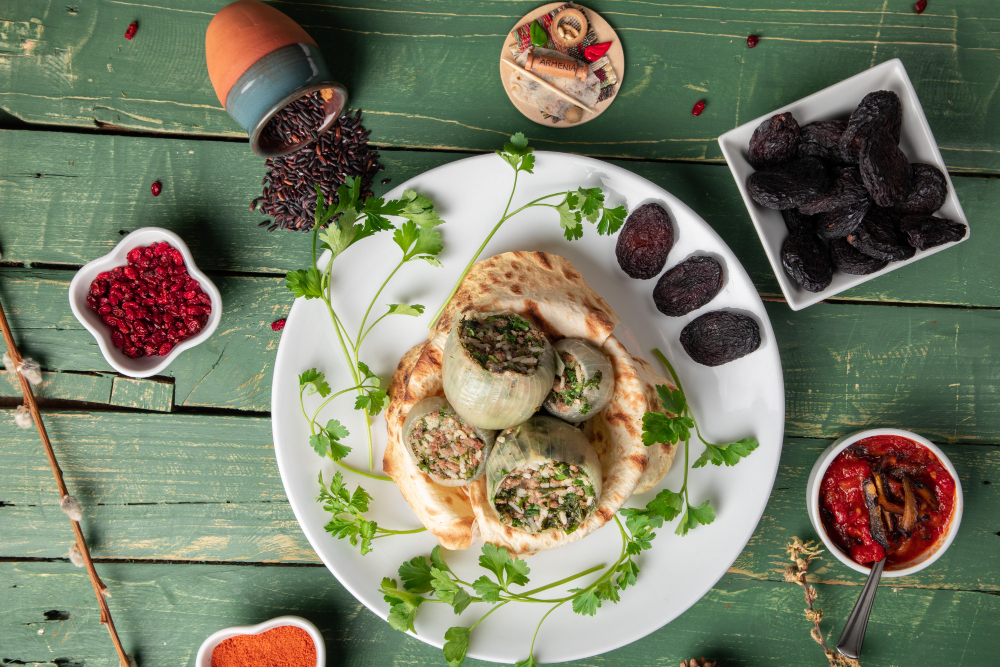
Iranian cuisine is recognised for its thoughtful use of vegetables, fresh herbs, aromatic spices, dried fruits and carefully balanced flavours. Aubergine, known as bademjan in Persian, is particularly important in Iranian cooking. It appears in a variety of preparations, from rich vegetable stews and dips to stuffed dishes and pan-cooked meals. One well-known aubergine preparation is Kuku Bademjan, a savoury Iranian dish in which cooked aubergine is combined with onions, herbs and seasonings.
Kuku belongs to a wider family of Persian preparations that are generally made by combining vegetables or herbs with beaten eggs and cooking the mixture until it becomes firm. Kuku Bademjan is one of the aubergine-based varieties. Traditional recipes commonly use mashed, grated or roasted aubergine together with eggs, onions and spices. The finished dish is often cooked in a frying pan or baked and then divided into slices or wedges.
For an exclusively vegetarian and egg-free interpretation, the same central combination of aubergine, herbs, onions and Persian-inspired spices can be prepared with chickpea flour as a plant-based binder. This version is not identical to the traditional egg-based kuku, but it offers a practical alternative for people who avoid eggs. The aubergine remains the main ingredient, while chickpea flour helps hold the mixture together and creates a firm, sliceable texture.
The appeal of this preparation lies in its ability to turn a relatively small selection of everyday ingredients into a satisfying meal. Soft aubergine, gently cooked onions, fresh herbs, turmeric, cumin and a little lemon juice create a flavour profile that is earthy, aromatic and pleasantly balanced. It can be served as a main vegetarian dish, a light lunch or part of a larger meal with flatbread, salad and pickled vegetables.
Understanding the Persian Meaning of Kuku Bademjan
The name Kuku Bademjan combines two Persian culinary terms. Kuku refers to a family of Iranian savoury preparations, while bademjan means aubergine or eggplant. The name therefore identifies an aubergine-based member of the broader kuku family.
Traditional kuku preparations are generally characterised by their high proportion of vegetables or herbs compared with the quantity of eggs used to bind them. Unlike a conventional omelette, which is primarily made from eggs, kuku often highlights the flavour and texture of its principal vegetable ingredient. It may be cooked slowly in a covered pan, baked in an oven or turned during cooking to brown both sides.
Kuku Bademjan follows this approach by placing aubergine at the centre of the preparation. Some recipes use roasted aubergine, while others use fried or sautéed pieces. Onions, garlic, turmeric and black pepper provide additional flavour. Depending on the household recipe, parsley, coriander, walnuts, barberries or other ingredients may also be included.
The traditional dish is not automatically egg-free simply because it is classified as vegetarian in some international food descriptions. Eggs are an important ingredient in conventional Kuku Bademjan. The version developed in this article therefore uses chickpea flour and water to create an entirely plant-based alternative. This distinction is important for maintaining clarity about both the original Iranian preparation and the requested egg-free adaptation.
Aubergine: The Main Ingredient Behind the Dish
Aubergine gives Kuku Bademjan its defining texture and flavour. Its flesh becomes soft and creamy when cooked, making it suitable for preparations in which vegetables are mashed or combined into a cohesive mixture. It also absorbs seasonings particularly well, allowing ingredients such as garlic, turmeric, cumin and black pepper to spread throughout the dish.
The choice of aubergine can influence the final result. Medium-sized aubergines with smooth, firm skins are suitable for most home preparations. Their flesh should be relatively dense, without large areas of discolouration or excessive softness. Long, slender varieties can also be used, particularly when roasting or grilling is preferred.
Aubergine can be prepared in several ways. Roasting gives it a deeper flavour and may introduce a subtle smoky quality, especially when the vegetable is cooked over an open flame. Sautéing or pan-frying creates a softer texture and allows the aubergine to absorb the flavours of onions and spices. Baking offers another method when a lighter preparation is preferred.
For an egg-free version, the aubergine should be cooked until completely tender before being mixed with the binder. It can then be mashed or finely chopped, depending on whether a smoother or more textured result is desired. Leaving some small pieces intact gives the finished dish a more noticeable vegetable character.
The Role of Onions and Garlic
Onions are an important flavour-building ingredient in Kuku Bademjan. When gently cooked in vegetable oil, they become soft and develop a mild sweetness. This sweetness balances the earthy flavour of aubergine and reduces the need for excessive seasoning.
Finely chopped onions are generally easier to distribute throughout the mixture. They can be sautéed separately until translucent and lightly golden before being combined with the cooked aubergine. Browning them too deeply can introduce a strong caramelised flavour that may overpower the delicate herbs.
Garlic adds another layer of aroma. It can be crushed, grated or finely chopped before being added to the pan. Cooking it briefly with the onions helps release its fragrance. It is better to avoid burning garlic because it can become bitter and affect the overall taste.
The combination of onions and garlic creates a savoury foundation that works particularly well with turmeric, cumin and fresh herbs. These ingredients are simple, but their careful preparation gives the dish much of its depth.
Fresh Herbs and Aromatic Persian Seasonings
Fresh herbs help balance the richness of cooked aubergine. Parsley is a useful choice because it provides a clean, fresh flavour without overwhelming the main ingredient. Coriander can contribute a more pronounced herbal aroma, while dill offers a distinctive flavour that works well with vegetables.
In some Persian kuku preparations, herbs are the principal ingredient rather than a supporting addition. Although Kuku Bademjan is centred on aubergine, fresh herbs can still play an important role in its flavour and appearance. The exact combination depends on the recipe and regional or household preferences.
Turmeric is commonly used in Iranian cooking and gives the dish a warm golden colour. It also contributes a mild earthy flavour. Cumin adds a deeper, slightly nutty aroma, while black pepper provides gentle heat. Cinnamon can be used sparingly in some interpretations to introduce warmth, although it should not dominate the aubergine.
Saffron is another ingredient associated with Persian cuisine. A small quantity of saffron infused in warm water can provide fragrance and a subtle golden colour. It is optional in this egg-free version, but it can give the preparation a more elaborate flavour profile.
Lemon juice or a small amount of vinegar can provide acidity. This is particularly useful because aubergine and cooked onions have soft, rounded flavours that benefit from a fresh, sharp contrast.
Preparing an Egg-Free Vegetarian Kuku Bademjan
The traditional egg-based preparation relies on eggs to bind the aubergine and other ingredients into a firm dish. For an entirely plant-based adaptation, chickpea flour can be used as the binding ingredient. Chickpea flour is made from ground chickpeas and has a naturally savoury flavour that complements aubergine and spices.
When mixed with water, chickpea flour forms a batter that can hold cooked vegetables together during pan cooking or baking. It is important to mix it thoroughly to prevent lumps. Allowing the batter to rest briefly also helps the flour absorb moisture and develop a more even consistency.
The quantity of binder should remain balanced. Too much chickpea flour can make the dish dense and overpower the flavour of aubergine. Too little may cause the mixture to break apart when sliced. A moderate amount, combined with properly drained aubergine, produces a more cohesive result.
A small quantity of ground flaxseed mixed with water can also be used as an additional plant-based binder if desired. However, chickpea flour alone is generally sufficient when the vegetables are not excessively wet. The aim is to create a mixture that holds together without becoming heavy or floury.
A Vegetarian and Egg-Free Kuku Bademjan Recipe
This version uses aubergine, onions, garlic, herbs and Persian-inspired spices, with chickpea flour replacing the eggs found in conventional Kuku Bademjan. It is entirely plant-based and contains no meat, fish, eggs, dairy products or animal-derived stock.
Begin by washing the aubergines and removing their stems. Cut them into medium-sized pieces. If the skin is particularly thick, it can be partially or completely removed according to preference. Lightly salt the pieces and allow them to rest for approximately fifteen to twenty minutes. Pat them dry before cooking.
The aubergines can be roasted in an oven or cooked in a covered pan with a little vegetable oil. Roast or sauté them until the flesh becomes soft and tender. Once cooked, allow them to cool slightly before mashing them with a fork. The mixture should retain a little texture rather than becoming completely liquid.
Heat a small quantity of vegetable oil in a pan and add the finely chopped onion. Cook over medium heat until it becomes soft and lightly golden. Add the garlic and turmeric, stirring briefly until fragrant. Add the cooked aubergine and mix gently. Allow the mixture to cook for a few minutes so that the onion, garlic and aubergine flavours combine.
Allow the finished dish to rest for several minutes before cutting it into wedges or squares. Add a little lemon juice and fresh parsley before serving. The result should have a lightly browned exterior and a soft, savoury interior in which the flavour of aubergine remains prominent.
The Importance of Roasting and Cooking Techniques
The cooking method has a considerable effect on the flavour of Kuku Bademjan. Roasting aubergine produces a deeper taste because the surface undergoes browning while the inside becomes soft. When cooked over an open flame, the skin may develop a smoky aroma that can be transferred to the flesh after peeling.
Sautéing provides a different result. It allows the aubergine to cook in vegetable oil while absorbing the flavour of onions and garlic. This method is convenient for everyday cooking, although the amount of oil should be controlled because aubergine can absorb it readily.
Baking is particularly useful for the egg-free adaptation. A chickpea-flour mixture may be more delicate than the traditional egg-bound version, and baking can help it set evenly without requiring the dish to be turned. A moderate oven temperature gives the centre enough time to become firm while allowing the surface to develop a light golden colour.
The best method depends on the desired texture. Roasting is suitable when a smoky flavour is preferred, sautéing works well for a softer and richer preparation, and baking offers a practical approach for preparing a thicker plant-based version.
Variations and Ingredient Combinations
Kuku Bademjan can be adapted with different vegetables and seasonings while keeping aubergine as its central ingredient. Zucchini is one possible addition because its mild flavour complements aubergine. It should be cooked until tender and drained properly before being combined with the other ingredients.
Tomatoes can introduce moisture and acidity, but they should be used carefully in the egg-free preparation. Excess liquid can weaken the chickpea-flour binder and make the dish difficult to slice. If tomatoes are included, they should be cooked until their moisture has reduced.
Walnuts can provide additional texture and richness. Finely chopped or lightly toasted walnuts can be mixed into the aubergine preparation or used as a garnish. Their earthy flavour works well with parsley, garlic and warm spices. Barberries are another possible addition. These small dried fruits have a tart flavour that contrasts with the soft aubergine and gently sweet onions.
Fresh mint can also be included in moderate quantities. It adds a refreshing herbal note, particularly when the dish is served at room temperature. However, it is best to maintain a balance between the herbs so that the flavour of aubergine remains recognisable.
These combinations are adaptations rather than a single fixed traditional recipe. Persian home cooking contains many variations, and the ingredients used in kuku dishes can differ between households and regions.
How Kuku Bademjan Is Served
Traditional Kuku Bademjan can be served warm, at room temperature or cold. Its firm texture makes it suitable for cutting into wedges or smaller portions. It can be served as a main dish, a side preparation or part of a larger meal featuring different vegetables, herbs and breads.
Flatbreads such as lavash are suitable accompaniments because they can be used to serve the aubergine mixture easily. Fresh herbs, sliced tomatoes, cucumber and pickled vegetables provide a refreshing contrast. Some serving suggestions also include yoghurt, although this egg-free version can be served with a plant-based yoghurt alternative or a simple lemon-based salad dressing.
For a larger vegetarian meal, it can be accompanied by rice, lentil preparations or bean dishes. A fresh salad made with cucumber, tomatoes, herbs and lemon juice also works well because its crisp texture contrasts with the soft aubergine.
The dish is particularly convenient for advance preparation. Once cooked, it can be cooled and refrigerated in a covered container. It can then be served cold or gently reheated before eating. The flavours of the aubergine, onions and spices remain noticeable after resting, making it suitable for lunches, picnics and shared meals.
Nutritional Characteristics of Aubergine-Based Kuku
Aubergine is a source of dietary fibre and contains naturally occurring plant compounds, including anthocyanins found particularly in its purple skin. It is relatively low in calories when prepared without excessive oil. Its soft texture also makes it useful in vegetable-based dishes that do not require a large quantity of additional ingredients.
The egg-free version described here uses chickpea flour, which contributes plant-based protein, fibre and several minerals. This changes the nutritional profile compared with traditional egg-based Kuku Bademjan. Chickpea flour also provides the structure needed to hold the vegetables together.
Fresh herbs contribute flavour and small quantities of micronutrients, while onions and garlic provide additional plant compounds. The amount of vegetable oil used during roasting or pan cooking influences the overall energy content of the finished dish. Using a moderate quantity of oil can help maintain a lighter preparation without compromising the flavour.
The dish can be included in a balanced vegetarian diet, particularly when served with other protein-rich plant foods such as lentils, beans or chickpeas. Its nutritional value depends on the ingredient proportions, cooking method and portion size.
Kuku Bademjan in the Context of Iranian Food Culture
Aubergine has an established place in Iranian culinary traditions. It is used in stews, vegetable preparations, appetisers and preserved foods. The Encyclopaedia Iranica’s discussion of aubergine in Persian cooking describes its use in a wide range of dishes and highlights its importance in household food preparation.
Kuku dishes reflect another important aspect of Iranian cooking: the practice of combining seasonal vegetables and herbs into a cohesive preparation. Different kuku varieties highlight different ingredients, including herbs, potatoes and aubergines. Their cooking methods allow vegetables to remain the main feature rather than becoming merely a small addition to an egg dish.
Kuku Bademjan is therefore an interesting example of how one vegetable can be used in a range of textures and preparations. Its traditional egg-based form is part of Iran’s established cuisine, while the chickpea-flour adaptation offers an option for people following an egg-free diet. Both versions demonstrate the versatility of aubergine and its ability to absorb aromatic seasonings.
Conclusion
Kuku Bademjan is a well-known Iranian aubergine preparation that highlights the rich flavour and soft texture of cooked aubergine. Traditionally made with eggs, onions and seasonings, it belongs to the wider family of Persian kuku dishes, which combine vegetables or herbs with a binding mixture and cook them into a firm, sliceable preparation.
For an exclusively vegetarian and egg-free version, chickpea flour provides a practical plant-based alternative. Combined with aubergine, onions, garlic, parsley, coriander, turmeric and cumin, it creates a savoury dish with a soft centre and lightly browned exterior. Roasting, sautéing or baking can be used to develop different flavours and textures.
Its adaptability makes the preparation suitable for everyday vegetarian meals. It can be served with flatbread, fresh salads, herbs or other plant-based dishes, and it can be prepared ahead of time for convenient serving. Although the egg-free version is a modern adaptation rather than the conventional Iranian recipe, it preserves the central appeal of Kuku Bademjan: the distinctive flavour of aubergine combined with aromatic herbs and warm spices.
Online Internship with Certificate
You may be interested
Fara: Traditional Steamed Rice-Flour Dumplings of Chhattisgarh
Anshika Jain - November 13, 2026India’s traditional cuisine is known for transforming simple agricultural ingredients into nutritious, flavourful and culturally meaningful dishes. Across different regions, rice, lentils, seasonal vegetables and locally available…

Mocha Ghonto: Bengal’s Banana Blossom Curry with Potatoes and Bengali Spices
Anshika Jain - November 13, 2026Bengali cuisine is celebrated for its remarkable variety of vegetarian preparations, distinctive spice combinations and creative use of seasonal vegetables. Among its traditional dishes, Mocha Ghonto holds…
Aloo Pitika: Assam’s Rustic Mashed Potato Dish with Mustard Oil, Onions and Herbs
Anshika Jain - November 13, 2026Indian regional cuisine is filled with traditional dishes that demonstrate how simple ingredients can create distinctive flavours and memorable eating experiences. Among the many vegetarian preparations of…
Most from this category

Chakuli Pitha: Odisha’s Traditional Fermented Rice and Black Gram Pancakes
Anshika Jain - November 13, 2026
Papanasi: Romania’s Soft Cheese Doughnuts Served with Sour Cream and Fruit Preserves
Anshika Jain - November 13, 2026
Briam: Greece’s Oven-Roasted Vegetable Dish with Olive Oil, Herbs and Tomatoes
Anshika Jain - November 13, 2026
Bissara: Vegetarian Preparation of Fava Beans, Split Peas, Garlic and Olive Oil
Anshika Jain - November 12, 2026Chakuli Pitha: Odisha’s Traditional Fermented Rice and Black Gram Pancakes
Anshika Jain - November 13, 2026Papanasi: Romania’s Soft Cheese Doughnuts Served with Sour Cream and Fruit Preserves
Anshika Jain - November 13, 2026Briam: Greece’s Oven-Roasted Vegetable Dish with Olive Oil, Herbs and Tomatoes
Anshika Jain - November 13, 2026




Leave a Comment